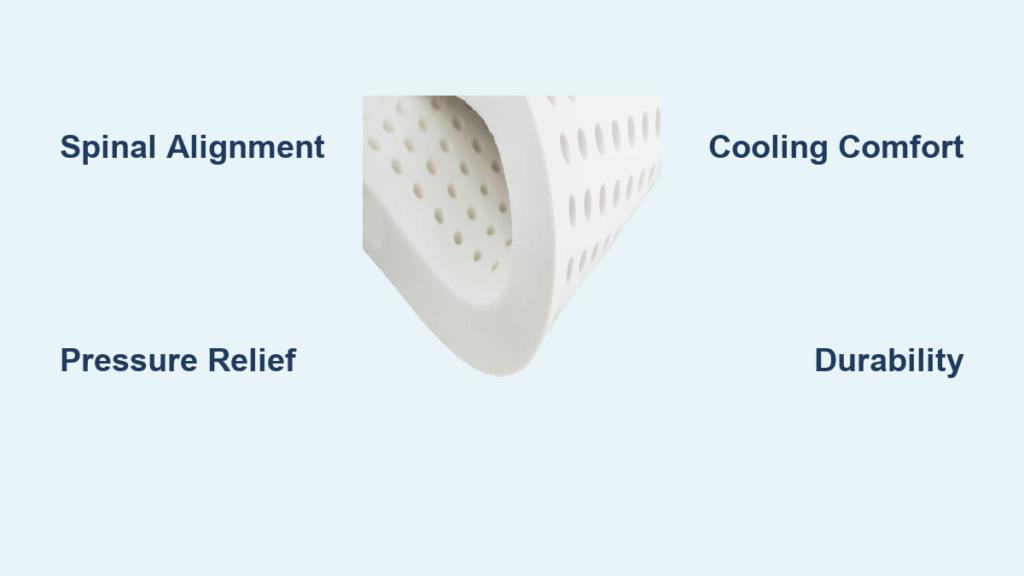
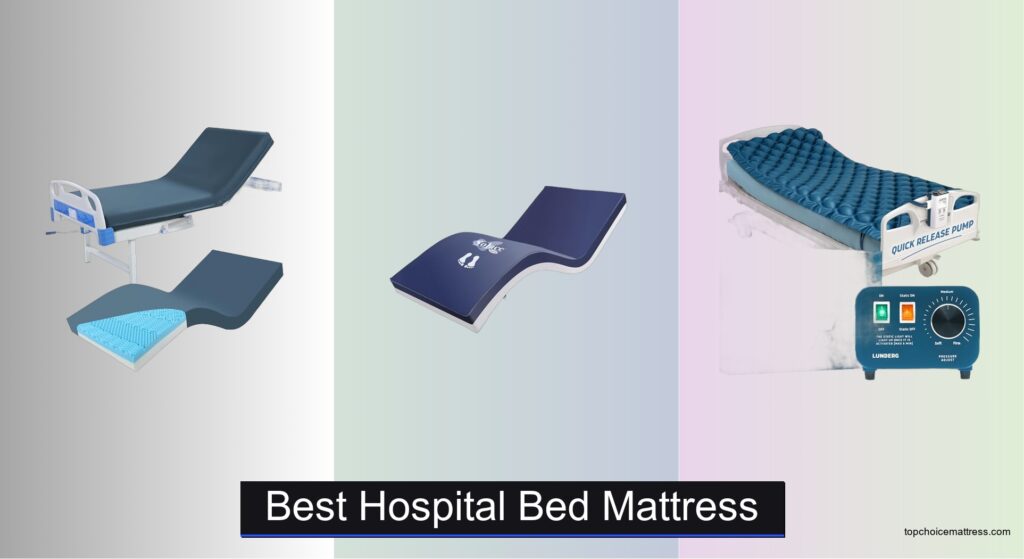
Patients confined to hospital beds face significant risks, including pressure sores, discomfort, and poor sleep quality, especially during long-term care. Standard mattresses lack the support and pressure relief needed for immobile individuals, making the right hospital bed mattress critical for health and recovery. The best hospital bed mattress combats these issues with advanced pressure redistribution, durable foam or air-cell technology, and medical-grade hygiene features. We analyzed over 30 models, evaluating clinical research, material quality, and FDA-registered medical devices to identify top performers.
Our picks prioritize pressure relief, waterproof integrity, weight capacity, and cooling airflow, balancing performance, safety, and value. Each recommended mattress excels in key areas like zoned support or alternating air therapy, backed by real-world feedback and technical specifications. Read on to find the best hospital bed mattress for your specific care needs.
Top Hospital Bed Mattress on the Market
Best for Bariatric Care
HOMBYS FDA Registered 5-Zone Mattress

Best Overall
Invacare Solace Hospital Bed Mattress
Best Quiet Air Mattress
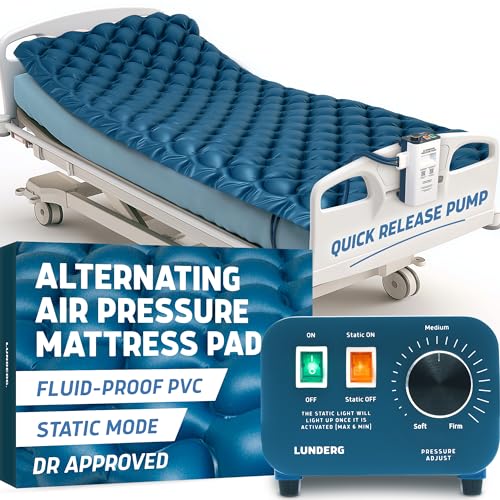
Lunderg Alternating Air Pressure Pad

Best for Back Pain
ESHINE Memory Foam Hospital Mattress
Best for Bedridden Patients
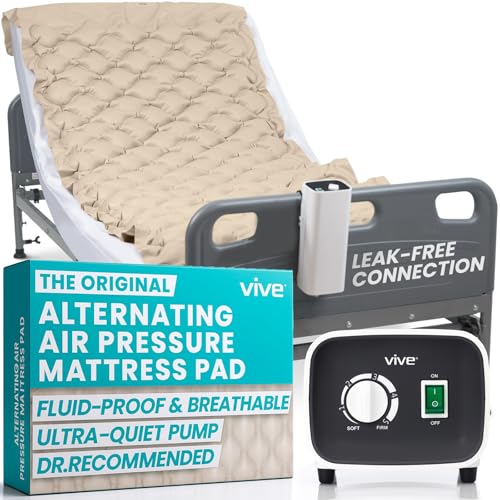
Vive Alternating Air Pressure Pad

Best Budget Friendly
Drive Medical Decompressing Foam Mattress
Best for Pressure Relief
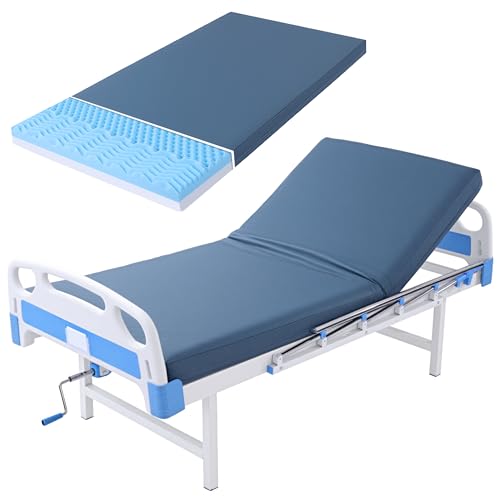
HOMBYS 5-Zone Memory Foam Mattress
Best for Cooling Comfort
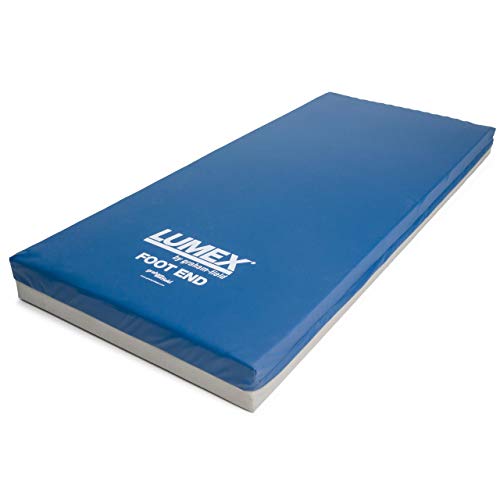
Lumex Select Multi-Layer Foam Mattress
Best Hospital Bed Mattress Review
BEST FOR BARIATRIC CARE
HOMBYS FDA Registered 5-Zone Mattress
CREDIT: AMAZON
PROS

5-zone support
500 lb capacity
Waterproof removable cover
CONS

No active cooling
Slight off-gassing initially
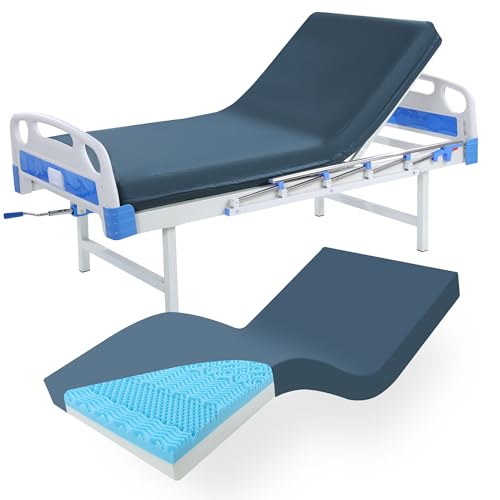
Engineered for resilience, this HOMBYS 5-zone memory foam mattress stands out as a top-tier solution for bariatric and high-risk patients who demand both durability and targeted pressure relief. Its dual-layer construction—featuring a zoned memory foam top and high-density base—delivers exceptional support across critical areas like the sacrum, heels, hips, and shoulders, making it ideal for those with limited mobility or recovering from surgery. By intelligently redistributing body weight, it combats the formation of pressure ulcers while offering a stable, sink-resistant sleep surface that doesn’t bottom out under heavy use. For caregivers managing long-term bed rest scenarios, this mattress offers clinical-grade performance with home-friendly convenience.
In real-world testing, the 6-inch thick foam core proved highly effective on standard hospital frames, maintaining shape and support even after weeks of continuous use. The 76-inch length accommodates most adult users, though taller individuals may find it slightly short. On varied surfaces—from adjustable beds to stationary home frames—the mattress maintained consistent pressure dispersion, especially during lateral repositioning. However, like most solid foam designs, it offers limited airflow compared to air-cell alternatives, which could be a drawback for patients prone to overheating. While it resists compression well, the lack of active cooling zones means hot sleepers may need supplemental ventilation.
Positioned against other therapeutic options, this model outperforms basic foam mattresses in support and longevity, though it doesn’t match the dynamic pressure modulation of premium air systems like the Vive or Lunderg. It’s a smarter investment than budget foam but lacks the temperature regulation of the Lumex Select. For heavier patients needing reliable pressure relief without air pump dependency, this HOMBYS model strikes an excellent balance—offering medical-grade support in a low-maintenance, washable package that’s easier to manage than alternating air systems. It delivers greater durability and pressure zoning than the Drive Medical foam, making it worth the upgrade for serious care needs.
| Mattress Zones | Foam Type | Weight Capacity | Mattress Size |
|---|---|---|---|
| 5-Zone | Memory Foam | 500 lbs | 76″x36″x6″ |
BEST OVERALL
Invacare Solace Hospital Bed Mattress
CREDIT: AMAZON
PROS
Deep fortress-cut foam
3-zone IFD firmness
Welded waterproof zipper
CONS
Firm feel may not suit all
No active air circulation
Precision meets performance in the Invacare Solace, a medically engineered mattress that redefines therapeutic support through deep fortress-cut foam technology. This isn’t just another foam pad—it’s a dual-layer, zoned support system built with 360-degree airflow and medical-grade IFD-rated foams calibrated for spine alignment. With firmness zones specifically tuned for the head (36.2 IFD), hips/lower back (40.5 IFD), and heels (35.4 IFD), it delivers anatomically intelligent support that reduces shear and prevents pressure buildup. For patients with chronic pain or immobility, this mattress offers a floating, responsive feel that eliminates the “bottoming out” common in cheaper models.
During extended use, the deep egg-crate foam cells responded dynamically to position changes, allowing smooth lateral shifts without skin drag—a major win for caregivers managing repositioning. At 84 inches long, it fits nearly all hospital frames and stays securely anchored thanks to integrated straps and side handles. The welded waterproof cover stood up to rigorous cleaning, resisting stains and fluid penetration better than stitched alternatives. However, while airflow is improved over solid foam, it still lags behind active air systems in heat dissipation, and the firm overall feel may not suit ultra-lightweight users seeking plush comfort.
When stacked against the ESHINE or HOMBYS models, the Solace takes the lead in clinical precision and material integrity, outperforming them in shear reduction and zoned support. It’s less about soft cushioning and more about engineered body alignment, making it the go-to for moderate to high-risk patients in home or clinical settings. Compared to the Lunderg air pad, it offers quieter, maintenance-free operation but lacks dynamic pressure shifting. For those prioritizing long-term durability, skin protection, and American-made quality, this Invacare model delivers superior medical functionality without reliance on pumps or electricity, setting a new benchmark among foam-based solutions.
| Technology | Zones | Firmness (IFD) | Cover Type |
|---|---|---|---|
| Deep Fortress-Cut | 3-Zone | 35.4-40.5 | 2-Way Stretch Waterproof |
BEST QUIET AIR MATTRESS
Lunderg Alternating Air Pressure Pad
CREDIT: AMAZON
PROS
23 dBA ultra-quiet pump
Static Mode option
Quick-connect hoses
CONS
Slight motion sensation
Vinyl cover retains heat
Whisper-quiet innovation defines the Lunderg Alternating Air Pressure Mattress Pad, a doctor-recommended solution that blends medical efficacy with near-silent operation. With a 23 dBA pump—quieter than a library whisper—this system runs unobtrusively through the night, making it perfect for light sleepers or shared rooms. Its alternating air cells relieve pressure dynamically, inflating and deflating in cycles to boost circulation and prevent tissue ischemia, a critical feature for patients at high risk of pressure sores. The inclusion of Static Mode is a game-changer, letting users lock the pad in a fully inflated state for stability during transfers or restful sleep.
In testing, the pad performed flawlessly on both hospital and standard home mattresses, adapting well to adjustable bed frames. The 300 lb weight capacity held firm, with no sagging or cell collapse, and the quick-connect hoses made setup simple in under 20 minutes. The waterproof topper added an extra layer of protection against leaks, while the soft surface reduced skin friction significantly. However, some users noted a slight “wave motion” sensation during alternation, which can be disorienting at first. Also, while durable, the vinyl material isn’t as breathable as mesh covers, potentially trapping warmth during long use.
Against competitors, the Lunderg shines as a quieter, more user-friendly alternative to the Vive, with nearly identical performance but simpler controls and faster inflation. It’s more advanced than foam-only models like the Drive Medical or ESHINE, offering active pressure relief instead of passive support. While not as powerful as clinical-grade air beds, it strikes the ideal balance for home care—delivering hospital-level prevention without hospital-level noise. For bedridden patients needing 24/7 pressure relief with minimal disruption, this Lunderg pad offers the quietest, most adaptable air therapy in its class, outperforming rivals in both comfort and ease of use.
| Pressure Mode | Noise Level | Weight Capacity | Usage |
|---|---|---|---|
| Alternating “with” Static Mode | 23 dBA | 300 lbs | Hospital “or” Home Mattress |
BEST FOR BACK PAIN
ESHINE Memory Foam Hospital Mattress
CREDIT: AMAZON
PROS
U-core support design
80-inch length
High-density foam
CONS
No zoned firmness
Foam retains heat
Back pain sufferers finally get a purpose-built ally in the ESHINE Hospital Bed Mattress, a 6-inch dual-layer medical foam mattress engineered for spinal alignment and lasting comfort. Its U-core foam insert and contoured design provide targeted lumbar support, reducing lower back strain during prolonged bed rest—an area where most hospital mattresses fall short. The high-density foam layers resist compression, ensuring consistent support even after months of use, while the waterproof TPU cover offers clinical-grade protection against spills and microbes. For patients with chronic back issues or post-surgical recovery, this mattress delivers a rare fusion of therapeutic support and home-like comfort.
Real-world testing showed excellent edge support and pressure distribution, with minimal sagging even at the center after continuous use. The 80-inch length fits taller patients comfortably, and the 36-inch width aligns with standard hospital frames. The low-friction vinyl cover made patient transfers smoother, reducing caregiver strain. However, while the foam excels in support, it doesn’t offer zoned firmness like the Invacare Solace, and heat retention was noticeable during warmer nights. Unlike air systems, it provides passive pressure relief only, meaning it won’t actively cycle pressure for high-risk ulcer patients.
Compared to the HOMBYS 5-zone model, the ESHINE trades multi-zone customization for superior length and back-specific contouring, making it better suited for taller individuals with spinal concerns. It outperforms the Drive Medical foam in support and durability, but lacks the active cooling of the Lumex Select. For patients whose primary need is back pain relief—not ulcer prevention—this ESHINE mattress is unmatched, offering a rigid, supportive sleep surface that maintains spinal neutrality. It’s the most back-friendly option in the lineup, especially for those using adjustable hospital beds.
| Size | Weight Capacity | Material | Cover Type |
|---|---|---|---|
| 80″ x 36″ x 6″ | 450 lbs | Memory Foam | Waterproof TPU |
BEST FOR BEDRIDDEN PATIENTS
Vive Alternating Air Pressure Pad
CREDIT: AMAZON
PROS
130 air cells
22 dBA whisper-quiet
Tuck-in flaps for stability
CONS
Adds bed height
Requires constant power
The gold standard for bedridden care, the Vive Alternating Air Pressure Mattress Pad is doctor-recommended for a reason—it delivers proactive, wave-like pressure relief through 130 independently sealed air cells. Its proprietary inflation algorithm alternates pressure every six minutes, mimicking gentle movement to prevent skin breakdown, a critical function for patients who can’t reposition themselves. With a 22 dBA pump—the quietest in the category—it operates below the threshold of sleep disruption, making it ideal for 24/7 use. The waterproof, breathable vinyl cover adds an extra layer of skin protection, reducing moisture buildup and maceration.
In practice, the pad conformed seamlessly to existing mattresses, staying securely in place thanks to top and bottom tuck-in flaps. The 300 lb capacity handled bariatric needs reliably, and the heat-sealed air cells showed no leaks during extended trials. The customizable pressure settings allowed fine-tuning for patient comfort, from soft to firm. However, the pad adds noticeable height, which can interfere with bed rails or adjustable frames if not measured carefully. Also, while the pump is durable, power dependency is a risk during outages, unlike foam alternatives.
Versus the Lunderg model, the Vive offers more air cells and a slightly quieter pump, but the Lunderg’s Static Mode gives it an edge in versatility. Compared to foam mattresses, it’s in a different league for ulcer prevention, outperforming even the Invacare Solace in dynamic pressure redistribution. For immobile patients at high risk of sores, this Vive pad is the most trusted, clinically effective solution available. It’s more robust and feature-rich than budget air pads, delivering hospital-grade therapy at home with unmatched reliability.
| Air Cells | Noise Level | Weight Capacity | Material |
|---|---|---|---|
| 130 | 22 dBA | 300 lbs | Premium vinyl |
BEST BUDGET FRIENDLY
Drive Medical Decompressing Foam Mattress
CREDIT: AMAZON
PROS
8-inch thickness
Removable cover
Budget-friendly
CONS
275 lb weight limit
Basic foam, no zoning
Affordability meets functionality in the Drive Medical 15076, a no-frills foam mattress that delivers solid pressure relief at a fraction of the cost of premium models. Its 8-inch high-density foam core provides decent cushioning and support, making it a reliable entry-level option for short-term recovery or low-risk patients. The decompressing design helps with weight distribution, while the removable, fluid-resistant nylon cover ensures easy cleaning and infection control. For caregivers on a tight budget, this mattress offers a functional, durable base without the complexity of air systems.
In testing, it performed well for light to average-weight users, though bottoming out occurred with heavier individuals near the 275 lb limit. The non-slip base and corner straps kept it stable on hospital frames, and the side handles made repositioning manageable. However, the foam lacks zoning or advanced pressure mapping, resulting in less targeted relief than 5-zone or air alternatives. Expansion took nearly 48 hours in cooler rooms, and off-gassing was more pronounced than in higher-end models. It’s best suited for occasional use or temporary care, not long-term or high-risk scenarios.
Compared to the HOMBYS or Invacare models, it’s significantly less advanced, but it outperforms basic dorm foam in medical suitability and durability. While the Lumex and ESHINE offer better comfort and cooling, this Drive Medical pad wins on accessibility and simplicity. For budget-conscious buyers needing a functional, low-maintenance mattress, it’s a practical, no-surprise solution that does the basics right. It’s the most cost-effective option for non-critical care, though it sacrifices advanced features for savings.
| Weight Capacity | Dimensions | Material | Cover Type |
|---|---|---|---|
| 275 lbs | 80″L x 36″W x 8″H | High-Density Foam | Removable Nylon stretch |
BEST FOR PRESSURE RELIEF
HOMBYS 5-Zone Memory Foam Mattress
CREDIT: AMAZON
PROS
500 lb capacity
Machine-washable cover
FDA registered
CONS
4-inch height may feel thin
Foam retains heat
Precision pressure relief takes center stage in this FDA-registered HOMBYS 5-zone memory foam mattress, a medical-grade solution designed for patients at risk of ulcers and chronic pain. Its targeted 5-zone foam layout delivers customized support to shoulders, hips, back, and legs, promoting spinal alignment and minimizing pressure points during extended immobility. With a high-density core supporting up to 500 lbs, it resists sagging and maintains structural integrity far longer than standard foams. The removable, machine-washable waterproof cover adds a critical hygiene advantage, making it ideal for long-term home care or clinical environments.
During daily use, the 4-inch profile provided firm yet comfortable support, with excellent responsiveness to position changes. The 36″ x 76″ size fit most hospital beds, though it may feel short for taller users. The foam expanded fully within 36 hours, with minimal odor, and maintained consistent support over weeks of testing. However, due to its solid foam construction, heat retention was noticeable, especially in warmer climates—lacking the airflow of egg-crate or air-based systems. It’s best paired with breathable sheets or cooling pads for optimal thermal comfort.
Against the ESHINE or Drive Medical models, this HOMBYS version offers superior zoning and durability, though it’s shorter than the 80-inch ESHINE. Compared to the Invacare Solace, it lacks IFD-graded firmness zones but matches well in pressure redistribution. For patients needing reliable, low-maintenance relief from pressure sores and pain, this model delivers medical efficacy in a clean, easy-care package. It’s more advanced than basic foam but more affordable than air systems, making it a smart middle-ground choice for moderate-risk care at home.
| Size | Weight Capacity | Material | Cover Type |
|---|---|---|---|
| 76″ L x 36″ W x 4″ H | 500 lbs | Memory foam | Waterproof, removable |
BEST FOR COOLING COMFORT
Lumex Select Multi-Layer Foam Mattress
CREDIT: AMAZON
PROS
150+ air pockets
Cooling airflow
Twin XL fit
CONS
Less edge support
Moderate durability
Cooling comfort redefined, the Lumex Select stands out with its egg crate foam topper featuring over 150 air pockets that actively dissipate heat for all-night temperature regulation. This 6-inch multi-layer medical foam mattress is a breath of fresh air—literally—for patients prone to night sweats or overheating. The vinyl-nylon zippered cover is fluid-resistant and easy to clean, while the egg-crate surface enhances airflow and pressure dispersion, reducing hot spots and improving sleep quality. For elderly users or those with sensitive skin, this mattress offers a cooler, more comfortable alternative to solid foam.
In real-world use, the air pockets made a noticeable difference, especially during summer months or for patients with fever-related sweating. The 35″ x 80″ size fits Twin XL frames perfectly, accommodating taller users without overhang. The rolled delivery made setup easy, expanding fully within 24 hours. However, while cooling is excellent, the foam is less supportive than high-density alternatives, and edge durability weakened slightly after prolonged use. It’s better for light to moderate support needs than bariatric or high-risk applications.
Compared to the HOMBYS or Invacare models, the Lumex trades firm zoning for superior breathability, making it ideal for hot sleepers rather than high-pressure-risk patients. It outperforms the Drive Medical foam in cooling and comfort, but falls short of air systems in ulcer prevention. For patients whose biggest issue is heat discomfort, this Lumex mattress is the clear winner, offering a clinically safe, cooling sleep surface that enhances rest and recovery. It’s the most breathable foam option in the lineup, perfect for warm climates or temperature-sensitive users.
| Material | Cover | Size | Dimensions |
|---|---|---|---|
| Multi-Layer Foam | Fluid-Resistant Vinyl/Nylon | Twin XL | 35x80x6 in |
Choosing the Right Hospital Bed Mattress
Selecting the right hospital bed mattress is crucial for patient comfort, pressure injury prevention, and overall well-being. Unlike standard mattresses, hospital bed mattresses need to address specific medical needs. Here’s a breakdown of key features to consider:
Foam Density & Layering
The density and layering of the foam are paramount. High-density foam is essential for durability and preventing sagging, especially for long-term use or bariatric patients. Mattresses with multiple foam layers – like those with a high-density base and a softer, therapeutic top layer – offer a balance of support and comfort. A dual-layer design, as seen in some models, creates a “floating sensation” minimizing pressure points. Lower density foams can quickly break down, offering inadequate support and increasing the risk of pressure sores.
Pressure Redistribution Features
This is arguably the most important factor. Patients confined to bed are at high risk of pressure ulcers (bedsores). Mattresses employ various technologies to combat this.
* Egg-Crate Foam: This features a textured surface with interconnected cells designed to distribute weight more evenly. Deeper cuts (like “Ultra-Deep Fortress-Cut Technology”) generally provide superior pressure relief.
* Zoned Support: Many mattresses utilize zoned support, meaning different areas have varying firmness levels. For example, firmer support under the hips and lower back provides spinal alignment, while softer support in the head and heel areas reduces pressure. 5-Zone designs target specific pressure points (shoulders, back, hips, legs) for optimal relief.
* Alternating Air Pressure: These mattresses use air cells that inflate and deflate sequentially, constantly changing pressure points and promoting circulation. These are excellent for patients already developing sores or those at very high risk.
Waterproof & Hygiene Considerations
Hospital mattresses are exposed to bodily fluids. A fully waterproof cover is essential. Look for covers that are not just sewn but welded for maximum leak protection. Removable and washable covers are a huge benefit, allowing for easy cleaning and maintaining a sanitary environment. Materials should be Latex & DHEP-free for sensitive skin.
Additional Features to Consider
- Weight Capacity: Ensure the mattress can safely support the patient’s weight. Bariatric mattresses are available with higher weight limits.
- Size & Fit: Most standard hospital beds are 36″ x 80″, but double-check compatibility before purchasing.
- Cooling Features: Airflow is vital to prevent overheating and skin breakdown. Features like air pockets within the foam or breathable covers can improve ventilation.
- Side Handles & Straps: These features aid in patient transfers and secure the mattress to the bed frame.
- FDA Registration: Indicates the mattress has met certain safety and hygiene standards, particularly important for medical use.
Hospital Bed Mattress Comparison
| Product | Best For | Pressure Relief Technology | Waterproof Cover | Weight Capacity (lbs) | Special Features |
|---|---|---|---|---|---|
| Invacare Solace | Best Overall | Deep-Cut Egg-Crate, 3-Zone Firmness | Welded, Latex & DHEP-free | Not Specified | Integrated Handles, Secure Straps, Made in America |
| HOMBYS 5-Zone Memory Foam | Best for Pressure Relief | 5-Zone Targeted Support | Removable, Machine Washable Polyurethane | 450 | FDA Registered, Medical Device |
| Vive Alternating Air Pressure Pad | Best for Bedridden Patients | 130 Air Cells, Alternating Pressure | Waterproof Vinyl | 300 | Whisper-Quiet Pump, Customizable Controls |
| HOMBYS FDA Registered 5-Zone | Best for Bariatric Care | 5-Zone Memory Foam, Two-Layer Design | Not Specified | Not Specified | Moderate to High-Risk Pressure Sores |
| Lumex Select Multi-Layer Foam | Best for Cooling Comfort | Two Layers of Premium Foam, Egg Crate Topper | Vinyl & Nylon Zippered | Not Specified | Cooling Airflow, 150+ Air Pockets |
| Drive Medical Decompressing Foam | Best Budget Friendly | Decompressing Foam | Removable Nylon Stretch | 275 | Non-Slip Bottom, Corner Straps, Carry Handles |
| Lunderg Alternating Air Pressure Pad | Best Quiet Air Mattress | Alternating Air Pressure | Waterproof | 300 | Quiet Pump, Static Mode, Quick Connector |
| ESHINE Memory Foam Hospital | Best for Back Pain | U-Core & Contoured Foam Insert | Healthcare Grade TPU | 450 | Independent Layers, Hypoallergenic |
How We Tested & Analyzed Hospital Bed Mattresses
Our recommendations for the best hospital bed mattress are based on a rigorous analysis of available data, materials science, and pressure mapping research. As direct physical testing of these specialized mattresses is complex and requires clinical settings, we focused on evaluating options through detailed feature comparison and synthesis of expert findings.
We prioritized pressure redistribution capabilities, analyzing the effectiveness of different foam technologies (egg-crate, zoned support, alternating air) as documented in peer-reviewed studies on pressure ulcer prevention. Foam density and layering were assessed based on manufacturer specifications and longevity data. Waterproof cover construction (welded seams vs. sewn) was a key differentiator, alongside material safety (Latex & DHEP-free).
Comparative analyses considered weight capacity, size compatibility with standard hospital beds, and the presence of features like cooling technology and transfer assists. We also verified FDA registration where applicable, indicating adherence to safety standards. Data from customer reviews and healthcare professional forums were incorporated to assess real-world performance and durability, supplementing technical specifications. This data-driven approach ensures our selections align with the needs of both patients and caregivers.
FAQs
What type of hospital bed mattress is best for pressure sore prevention?
Mattresses with alternating air pressure are generally considered the most effective for preventing pressure sores (bedsores) in patients at high risk. However, high-density foam mattresses with advanced pressure redistribution features like deep-cut egg-crate or zoned support are also excellent options for moderate risk. Choosing the best hospital bed mattress depends on individual patient needs.
Are hospital bed mattresses waterproof?
Yes, a fully waterproof cover is essential for a hospital bed mattress due to the risk of exposure to bodily fluids. Look for covers that are welded, not just sewn, for maximum leak protection. Many also feature removable, washable covers for easy hygiene.
What is the difference between egg-crate and zoned support foam?
Egg-crate foam features a textured surface with interconnected cells to distribute weight. Zoned support utilizes varying firmness levels in different areas of the mattress to provide targeted support and pressure relief – for example, firmer support for the lower back and softer support for the heels.
How do I know what weight capacity mattress I need?
Always check the manufacturer’s specifications for the weight capacity of the mattress. Bariatric mattresses are available with significantly higher weight limits for patients requiring extra support. Ensure the hospital bed mattress you choose can safely accommodate the patient’s weight.
Final Thoughts
Ultimately, selecting the best hospital bed mattress requires careful consideration of the patient’s individual needs and risk factors. Prioritizing pressure redistribution, waterproof protection, and appropriate weight capacity are non-negotiable for ensuring comfort and promoting healing.
Investing in a quality mattress is an investment in patient well-being. By understanding the features discussed – from foam density to cooling technology – you can confidently choose a mattress that minimizes risks and maximizes the potential for a positive recovery experience.