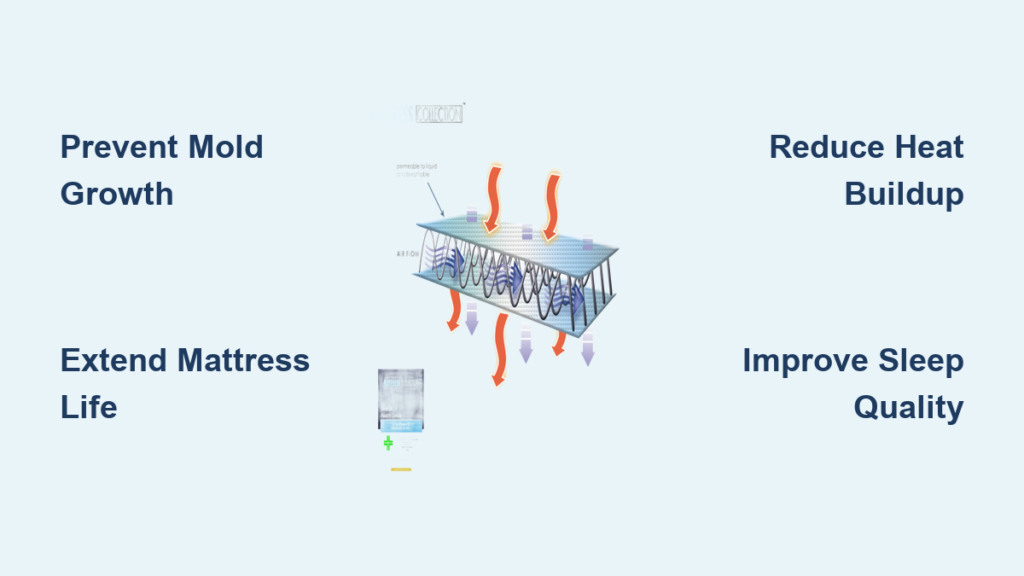
You’ve probably wondered why do mattresses need air flow when they’re not living organisms that breathe. The answer lies in how trapped moisture and heat create the perfect breeding ground for mold, accelerate material breakdown, and disrupt your sleep quality. Without proper ventilation, your mattress becomes a hidden reservoir for sweat, body oils, and humidity that can shorten its lifespan by years and compromise your health. Understanding this critical ventilation need helps you protect your investment and create a healthier sleep environment.
Spending one-third of your life on your mattress means it constantly absorbs 1-2 cups of moisture nightly from sweat and respiration. When this moisture gets trapped with no airflow pathway, it seeps deep into foam layers and springs where mold establishes itself within weeks. The consequences? Musty odors, sagging support, and potential respiratory issues that turn your sanctuary into a health hazard. This guide reveals exactly how airflow preserves mattress integrity and what you can do to ensure your bed breathes properly.
Why Trapped Moisture Creates Mold Havens in Mattresses
Mattresses become mold magnets when airflow gets restricted beneath and through them. Your body releases moisture continuously during sleep—up to a pint nightly—which soaks into mattress layers. Without proper ventilation to carry this moisture away, humidity levels inside your mattress can reach 90%+ within hours, creating ideal conditions for mold and mildew growth.
Recognizing Early Mold Warning Signs
Watch for these visual indicators that your mattress lacks sufficient airflow:
– Musty, damp odors even with clean sheets
– Yellowish or blackish spots on mattress seams
– Spongy texture in specific areas that should feel firm
– Increased allergy symptoms upon waking
Mold spores thrive in the dark, humid environment of a poorly ventilated mattress. Once established, they’re nearly impossible to fully eradicate—most experts recommend replacing affected mattresses entirely. Preventing this scenario requires consistent airflow management, not just occasional surface cleaning.
How Heat Buildup Disrupts Deep Sleep Cycles
Your core body temperature must drop 2-3 degrees to enter restorative REM sleep, but mattresses lacking airflow trap heat against your skin. Memory foam models are particularly problematic, conforming so closely to your body that they create insulating pockets where heat accumulates rapidly. Without proper ventilation pathways, your mattress becomes a thermal barrier that keeps you from reaching deep sleep stages.
Temperature Solutions for Different Mattress Types
Each mattress construction requires specific airflow strategies:
- Memory foam: Needs elevated bases with slats no more than 3 inches apart plus breathable mattress protectors
- Latex: Benefits from open-weave foundations and seasonal flipping to expose both sides to air
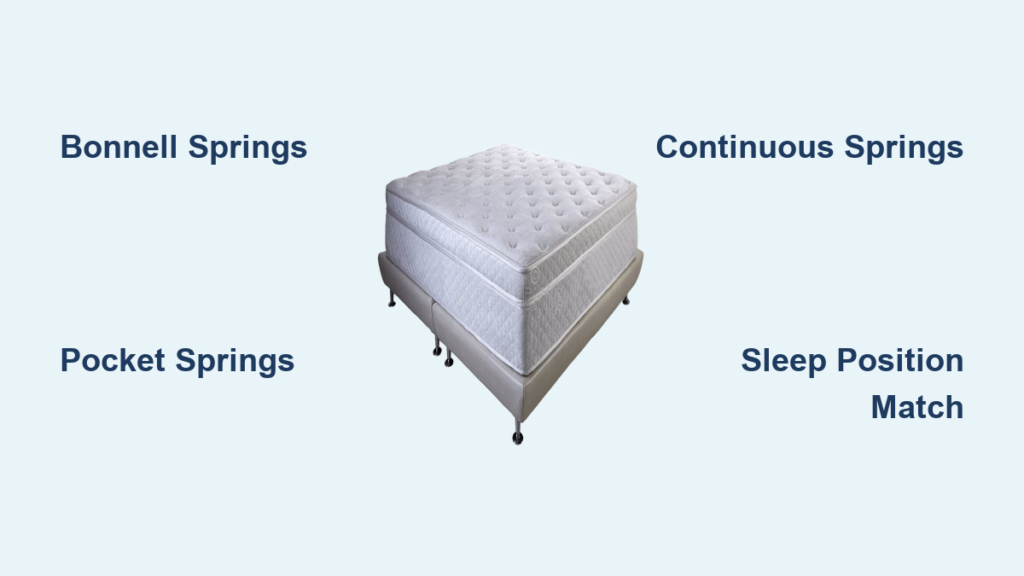
- Innerspring: Requires minimum 1-inch clearance beneath for air circulation while maintaining coil support
Placing a hand flat on your mattress after sleeping reveals immediate temperature issues—if it feels warm or damp hours after waking, your ventilation system is failing.
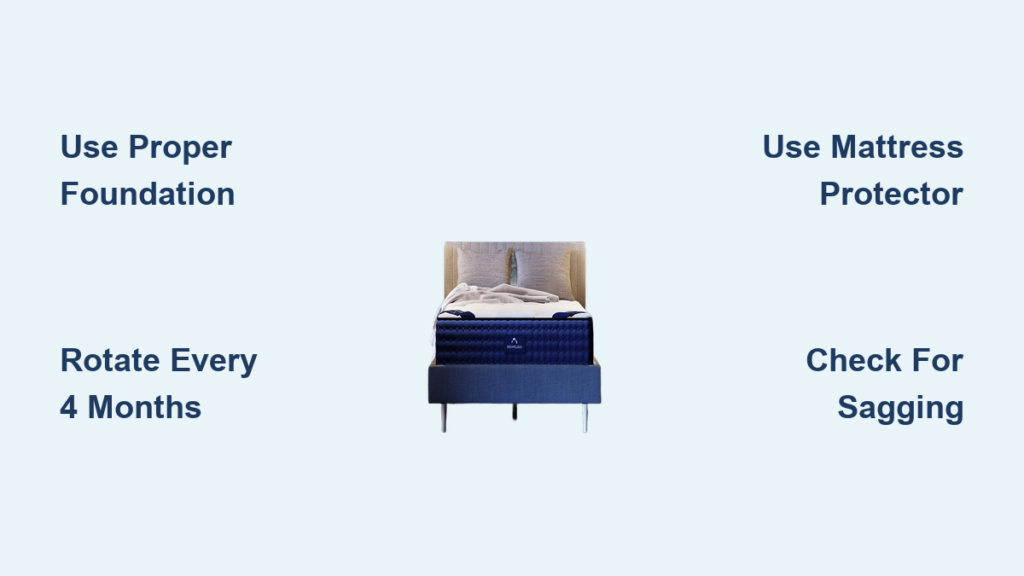
Slatted Bases vs. Solid Platforms: Which Foundation Maximizes Airflow?

Your mattress foundation makes or breaks its ventilation capacity. Solid plywood platforms block 100% of airflow from beneath, forcing moisture to escape only through the sleeping surface. This restriction creates moisture pockets that accelerate foam breakdown and spring rust. Slatted bases with proper spacing (2-3 inches between slats) allow 70-80% more air movement, significantly reducing moisture retention.
Choosing the Right Slatted Foundation
Not all slatted bases deliver equal airflow. Follow these guidelines when selecting:
- Slats should flex slightly under mattress weight to maintain even support
- Wood thickness matters: ¾-inch slats provide optimal balance of strength and flexibility
- Center support is critical: Bases over 54 inches wide need a central beam to prevent sagging
- Avoid plastic slats which create static and don’t “breathe” like wood
Box springs offer similar airflow benefits but have largely been replaced by platform beds in modern designs. If you must use a solid foundation, elevate your mattress with 2-inch bed risers to create essential airflow channels.
Step-by-Step Mattress Airing Procedure for Maximum Freshness
Most homeowners neglect proper mattress airing, yet this simple process removes accumulated moisture and extends mattress life by 2-3 years. Follow this professional-grade procedure every 3-6 months:
Complete Bed Stripping Process
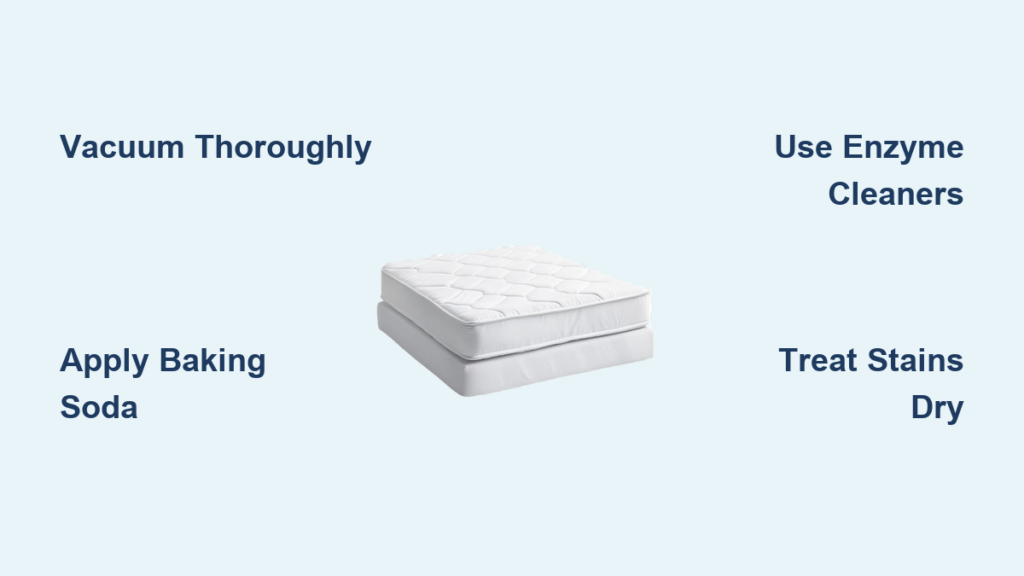
- Remove all bedding including sheets, mattress protectors, and pads
- Vacuum both sides thoroughly using an upholstery attachment
- Sprinkle food-grade baking soda across the surface and let sit 2-4 hours
- Vacuum again to remove baking soda and embedded particles
Leaving your mattress completely bare for 4-6 hours during airing allows deep moisture release. For severe moisture issues, leave it uncovered for 24 hours with fans circulating air across the surface.
Optimal Airing Positioning
Stand your mattress vertically against a wall in a well-ventilated room for maximum exposure. If space allows, prop it open at a 45-degree angle to expose both sides simultaneously. Avoid direct sunlight for extended periods as UV rays can degrade foam and fabrics over time. Morning airing sessions leverage lower humidity levels for more effective moisture removal.
Climate-Specific Airflow Solutions for Humid Bedrooms

Humid climates demand aggressive airflow strategies since ambient moisture constantly infiltrates mattresses. Bedrooms maintaining 60%+ humidity require twice as much ventilation as those in arid regions. The ideal indoor humidity range for mattress health is 30-50%—anything higher creates perpetual moisture problems.
Humidity Control Tactics That Work
- Run dehumidifiers nightly in bedrooms where humidity exceeds 50%
- Place silica gel packs under fitted sheets to absorb surface moisture
- Use moisture-wicking bamboo mattress pads instead of waterproof vinyl protectors
- Position oscillating fans to create cross-ventilation without direct airflow on sleepers
In tropical environments, monthly mattress airing becomes essential rather than seasonal. Pair this with air conditioning set to 65-68°F to maintain optimal sleep temperature while controlling humidity.
Extending Mattress Lifespan Through Strategic Airflow Management

Proper ventilation directly correlates with mattress longevity—owners who maintain consistent airflow extend their mattress life by 30-50% compared to those who neglect it. Foam mattresses kept dry maintain 90%+ of their original support after 7 years, while moisture-compromised models degrade to 60% support in half the time.
Material-Specific Degradation Prevention
- Memory foam: Airflow prevents cell structure collapse from moisture absorption
- Innerspring: Ventilation reduces rust formation on coils from trapped humidity
- Latex: Proper drying maintains elasticity and prevents permanent impressions
The economic benefit is substantial—a $1,500 mattress lasting 10 years instead of 6 saves $600 in replacement costs while providing consistent sleep quality throughout its extended lifespan.
Balancing Aesthetics With Airflow in Modern Bedroom Designs
Many contemporary bed frames sacrifice airflow for sleek aesthetics, creating hidden ventilation problems. Platform beds with solid wood bases look stylish but functionally suffocate mattresses. The solution lies in strategic modifications that maintain visual appeal while restoring airflow.
Hidden Ventilation Upgrades
- Install discreet bed risers painted to match your decor
- Replace solid platform slats with ventilated metal grids
- Choose bed frames with integrated airflow channels in their design
- Use breathable fabric mattress protectors instead of vinyl covers
For lofted beds, ensure minimum 12 inches of clearance beneath for proper air circulation. The space between your mattress and ceiling should exceed 36 inches to prevent heat trapping in elevated sleep environments.
When to Replace vs. Repair Poor Airflow Situations
Some airflow issues require foundation replacement rather than temporary fixes. Replace your entire bed system if you notice:
– Permanent sagging despite proper rotation
– Musty odors that persist after multiple airing sessions
– Visible mold growth on mattress seams or foundation
– Rust stains appearing on innerspring mattress surfaces
Investing $200 in a quality slatted foundation saves $1,000+ in premature mattress replacement costs. For memory foam models, prioritize foundations with active cooling systems that circulate air through the base.
Proper mattress airflow isn’t just about comfort—it’s a critical health and financial consideration. By implementing these ventilation strategies, you’ll extend your mattress lifespan, eliminate mold risks, and enjoy cooler, more restorative sleep. The minimal effort required for consistent airflow management pays dividends in better health, improved sleep quality, and significant long-term savings. Start your next mattress airing session today and feel the difference proper ventilation makes within just one night.