Waking up with stiff joints or night sweats because your mattress feels like concrete? You’re not alone. Over 68% of sleepers replace their entire mattress when a $50-$150 topper could solve their comfort crisis. Mattress toppers transform your existing bed by adding targeted pressure relief, temperature control, or firmness adjustment without the hassle of buying new. Unlike temporary fixes like extra blankets, quality toppers integrate seamlessly with your sleep surface to address specific pain points. In this guide, you’ll discover exactly which topper type eliminates your back pain, cools hot sleepers, or softens an aging mattress—based on material science and real-user results.
Memory Foam Mattress Toppers: Eliminate Pressure Points in Side Sleepers
Memory foam toppers contour precisely to your body weight and temperature, creating customized pressure relief where you need it most. When you lie down, the foam softens under warmer areas (hips, shoulders) while maintaining support under cooler zones. This targeted response prevents painful pressure points that cause tossing and turning.
How Memory Foam Thickness Affects Pain Relief
- 1-2 inch: Ideal for minor firmness adjustments on newer mattresses
- 3 inch: Essential for significant pressure relief on sagging or overly firm beds
- Gel-infused versions: Reduce heat retention by 20-30% compared to traditional foam
Look for 3-5 lb density foam—lower densities crumble within months, while higher densities feel uncomfortably rigid. Side sleepers with hip pain see dramatic improvement within one week of using a 3-inch medium-firm topper.
Why Memory Foam Fails Hot Sleepers (And How to Fix It)
Standard memory foam traps body heat, worsening night sweats for 41% of users. Critical fix: Choose open-cell foam with graphite or copper infusion. These conductors pull heat away from your body 3x faster than standard foam. Always avoid “cooling gel” marketing gimmicks—real cooling requires phase-change materials woven into the cover fabric.
Natural Latex Toppers: Bounce-Back Support for Back Pain Sufferers

Latex toppers deliver responsive support that pushes back against your body weight instead of sinking like memory foam. This creates balanced spinal alignment critical for back pain relief. Unlike memory foam, latex recovers instantly when you move—eliminating that “stuck” feeling.
Talalay vs. Dunlop: The Durability Difference
| Type | Firmness Range | Motion Isolation | Best For |
|---|---|---|---|
| Talalay | Soft-Medium | Moderate | Side sleepers |
| Dunlop | Medium-Firm | High | Back/stomach sleepers |
Dunlop’s denser composition (up to 95 ILD firmness) prevents bottoming out on worn mattresses. For chronic lower back pain, a 2-inch Dunlop topper adds just enough cushion without compromising support.
Spot the Fake: 3 Signs of Synthetic Latex Blends
- Price below $80 for queen size (true natural latex starts at $120)
- No GOLS or OEKO-TEX certification on product page
- Off-gassing smell lasting >72 hours after unboxing
Natural latex won’t trigger allergies like memory foam off-gassing. Replace every 5-7 years as elasticity diminishes.
Down & Feather Toppers: Luxury Softness Without Overheating

Down toppers use clusters from waterfowl undercoats for exceptional loft and breathability. Unlike synthetic fills, down traps air pockets that regulate temperature—keeping you warm in winter yet cool in summer. The secret? Down’s three-dimensional structure allows continuous airflow through microscopic channels.
Why Feather-Down Blends Cause Night Sweats
Feathers (flat quills) lack insulation properties and create lumps that disrupt sleep. Demand 800+ fill power down—this measures how much space one ounce occupies. Higher fill power = more air pockets = better temperature control. A 650-fill power topper feels thin and flattens within months.
Maintenance Hack for Allergy Sufferers
Wash quarterly in cold water with down-specific detergent (regular detergents strip natural oils). Tumble dry on low with 2-3 clean tennis balls to restore loft. Never use fabric softeners—they coat down clusters and reduce breathability.
Wool Mattress Toppers: The Secret Weapon Against Night Sweats
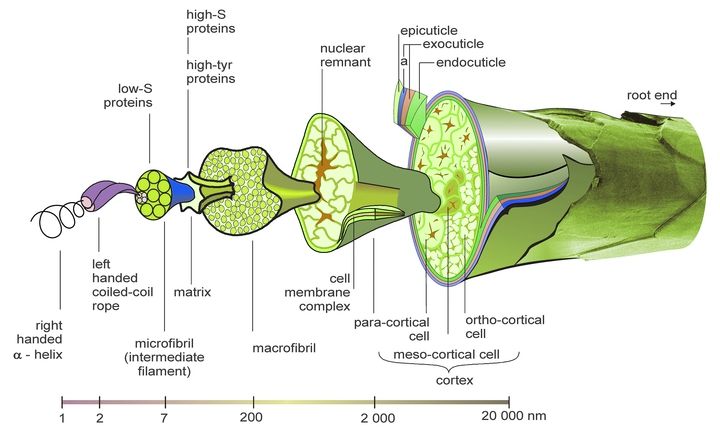
Wool fibers wick moisture 30% faster than cotton through capillary action in their scaly surface structure. As humidity builds near your skin, wool pulls vapor into its core where it evaporates—keeping sleep surfaces 4°F cooler than cotton alternatives. This natural thermoregulation works year-round: absorbing moisture when humid, releasing it when dry.
How Wool Thickness Prevents Mattress Sag
- 1-inch: Minor softening for new mattresses
- 2-inch: Corrects mild sagging (1-2 inch depressions)
- 3-inch: Restores support on severely worn beds
Look for certified organic wool (GOTS label) to avoid chemical flame retardants. Unlike synthetics, wool resists dust mites naturally—critical for allergy sufferers.
Why Cheap Wool Toppers Smell Like Barnyard
Low-quality wool retains lanolin (sheep’s natural oil) that oxidizes into unpleasant odors. Air new toppers outdoors for 24 hours before use. Properly processed wool should smell like fresh hay—not detergent or chemicals.
Cooling Gel Mattress Toppers: Beat Night Sweats Without Sacrificing Support
Gel toppers embed phase-change materials (PCMs) that absorb, store, and release body heat. When your skin hits 91°F, PCMs liquefy to draw heat away; below 86°F, they solidify to retain warmth. This creates a stable microclimate regardless of room temperature fluctuations.
Spot Effective Cooling Technology
- ✅ Gel swirls throughout foam (not just top layer)
- ✅ Graphite-infused covers with moisture-wicking properties
- ❌ “Cooling” marketing with no material specifications
Avoid toppers claiming “instant cooling”—real PCMs work gradually over 20-30 minutes. Test by lying still for 15 minutes; effective gels reduce surface heat by 3-5°F.
The 2-Inch Thickness Rule for Hot Sleepers
Thinner toppers (<1.5 inches) lack sufficient PCM volume for meaningful cooling. Always pair with breathable sheets—cotton percale or Tencel—since synthetic bedding negates cooling effects. Replace every 2 years as gel particles degrade.
Hybrid Mattress Toppers: Solve Multiple Sleep Problems Simultaneously

Hybrid toppers combine materials to target specific issues: memory foam for pressure relief + latex for bounce + cooling fibers for temperature control. This layered approach fixes compound problems like “my mattress is too firm AND I overheat.”
When to Choose Hybrid Over Single-Material Toppers
| Your Problem | Hybrid Solution | Single-Material Failure Point |
|---|---|---|
| Sagging + Night sweats | Latex base + gel top layer | Memory foam traps heat |
| Too firm + Allergies | Wool core + organic cotton cover | Latex triggers sensitivities |
For back pain with overheating, a 2-inch hybrid with Dunlop latex base and 1-inch gel foam top provides responsive support plus heat dissipation. Avoid hybrids thinner than 3 inches—they lack sufficient layer separation.
Cost vs. Value: Is Hybrid Worth 2x the Price?
Hybrids cost 40-60% more but last 30% longer than single-material toppers. Calculate value:
(Topper cost ÷ expected lifespan) = monthly investment
A $180 hybrid lasting 5 years = $3/month vs. $120 memory foam lasting 2 years = $5/month. For chronic pain sufferers, the extra support justifies the cost.
How Thickness and Firmness Match Your Specific Mattress
Your existing mattress condition dictates the ideal topper specs. A brand-new medium-firm mattress only needs a 1-inch soft topper for minor adjustments, while a 10-year-old sagging bed requires 3 inches of high-density support.
Thickness Guide by Mattress Age
| Mattress Condition | Recommended Thickness | Firmness Level |
|---|---|---|
| New (0-3 years) | 1-1.5 inches | Softer than mattress |
| Aging (4-7 years) | 2-2.5 inches | Match mattress firmness |
| Worn (8+ years) | 3 inches | Firmer than mattress |
Measure sag depth with a ruler: depressions over 1.5 inches need 3-inch toppers. Always choose medium-firm for back pain—softer options worsen spinal misalignment.
Critical Firmness Test Before Buying
Sit on the folded topper in the store:
– Too soft: Your hips sink below knees
– Too firm: Pressure on tailbone within 2 minutes
– Just right: Spine stays neutral with even weight distribution
Never buy online without firmness guarantees—return policies should cover comfort dissatisfaction.
Final Note: Rotate your topper quarterly and use a waterproof protector to double its lifespan. For back pain, start with a 3-inch medium-firm latex topper; hot sleepers should prioritize wool or gel-infused options. Remember: a quality topper isn’t just comfort—it’s an investment in spinal health that pays off in deeper sleep and pain-free mornings. Try one tonight, and you’ll likely never replace a full mattress again.