
When your truck bed becomes your bedroom under the stars, nothing ruins the adventure faster than a mattress that doesn’t fit properly. Many truck owners make the costly mistake of buying the wrong size mattress only to discover it won’t fit between the wheel wells or prevents the tailgate from closing. This guide shows you exactly how to measure your truck bed and select the right mattress size for comfortable, hassle-free camping—without wasting money on returns or makeshift solutions that compromise your sleep.
Why Your Standard Twin Mattress Won’t Fit Your Truck Bed
Truck-specific mattress dimensions differ significantly from standard household bedding, causing frustration for first-time buyers. While a conventional twin mattress measures 38 inches wide, the narrow twin truck mattress typically ranges from 30 to 32 inches wide to accommodate wheel well intrusions in most full-size pickups. This seemingly small 6-8 inch difference creates a major problem when you try to force a standard mattress into your truck bed, resulting in uncomfortable compression against the bed walls or dangerous gaps that could damage your mattress.
The confusion intensifies when manufacturers use inconsistent terminology like “narrow twin,” “compact twin,” or “truck sleeper mattress” to describe essentially the same product category. You might think you’re getting a standard size only to discover upon delivery that it’s designed specifically for truck beds with wheel well cutouts. Always confirm the exact dimensions rather than relying on marketing terms that vary between brands.
Most truck owners don’t realize that even within the “narrow twin” category, sizing isn’t universal across truck models. Ford F-150 beds require slightly different dimensions than Chevrolet Silverado or RAM 1500 configurations due to variations in wheel well placement and bed shape. Your best defense against sizing mistakes is measuring your specific truck bed rather than trusting generic size charts that claim to fit “most full-size trucks.”
How to Measure Your Truck Bed for the Perfect Mattress Fit
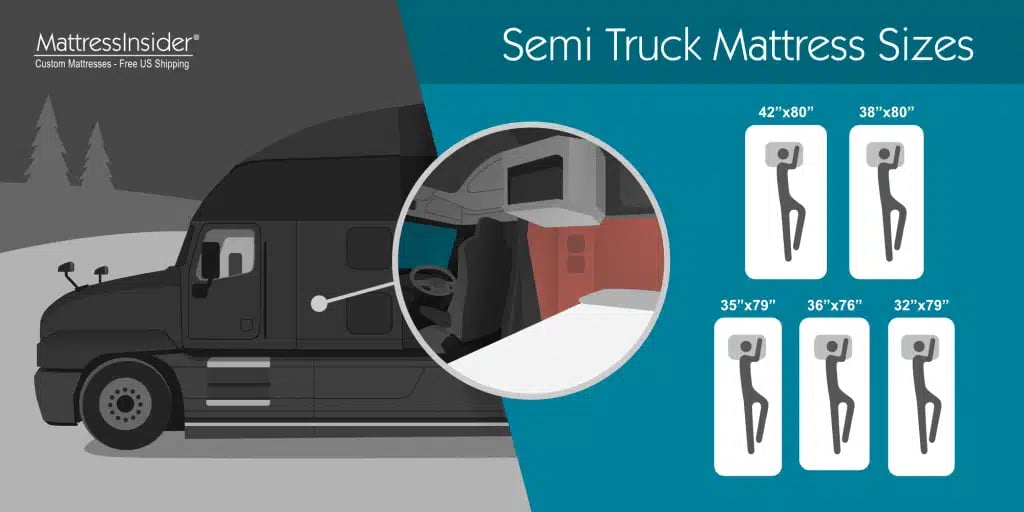
Skip this critical step and you’ll likely end up with a mattress that shifts during travel or leaves uncomfortable gaps around the wheel wells. Start by measuring your bed’s interior length from the bulkhead (the wall behind the cab) to the inside edge of the tailgate when closed—don’t measure to the outside as this includes the tailgate thickness. Most standard beds on full-size trucks measure between 66-68 inches, while short beds on mid-size trucks like the Toyota Tacoma typically fall between 60-65 inches.
The width measurement requires extra attention because truck beds aren’t uniform from front to back. Measure at three critical points: the narrowest width near the wheel wells (usually 48-52 inches), the widest point in the center (typically 55-60 inches), and the width at the tailgate. This reveals how much your bed tapers toward the front—a crucial factor for queen-size mattresses that need consistent width throughout the bed.
Don’t overlook the wheel well dimensions that make or break your mattress fit. Measure the distance between wheel wells at their widest point (usually 30-34 inches for narrow twin fit) and the height of the wheel well protrusion from the bed floor (typically 10-14 inches). This determines whether you need a contoured mattress with wheel well cutouts or can use a standard rectangular shape that fits between the wells. For example, Ford F-150 owners typically need mattresses with 32-inch width between wheel wells, while Chevrolet Silverado models often require 34-inch spacing.
Narrow Twin vs. Full-Size Truck Mattresses: Which Fits Your Needs?
If you’re a solo adventurer who values keeping truck bed space for gear during the day, the narrow twin truck mattress (30-32″ x 75″) provides the perfect balance of comfort and functionality. This size fits neatly between the wheel wells of most full-size trucks without requiring custom modifications, leaving you with 16-18 inches of usable space on either side for storing camping equipment. When properly fitted, a narrow twin creates a stable sleeping platform that won’t shift during travel and allows full tailgate closure—critical for security and weather protection.
Couples or larger individuals seeking more sleeping space should consider full-size truck mattresses (54″ x 75″), but only if your truck bed can accommodate them. These wider options require spanning across both wheel wells, which only works in trucks with sufficient width between wheel wells (typically 50+ inches). Attempting to force a full-size mattress into a bed that’s too narrow creates dangerous pressure points that can damage both the mattress and your truck bed. If your measurements show less than 50 inches between wheel wells, look for contoured full-size options specifically designed for your truck model.
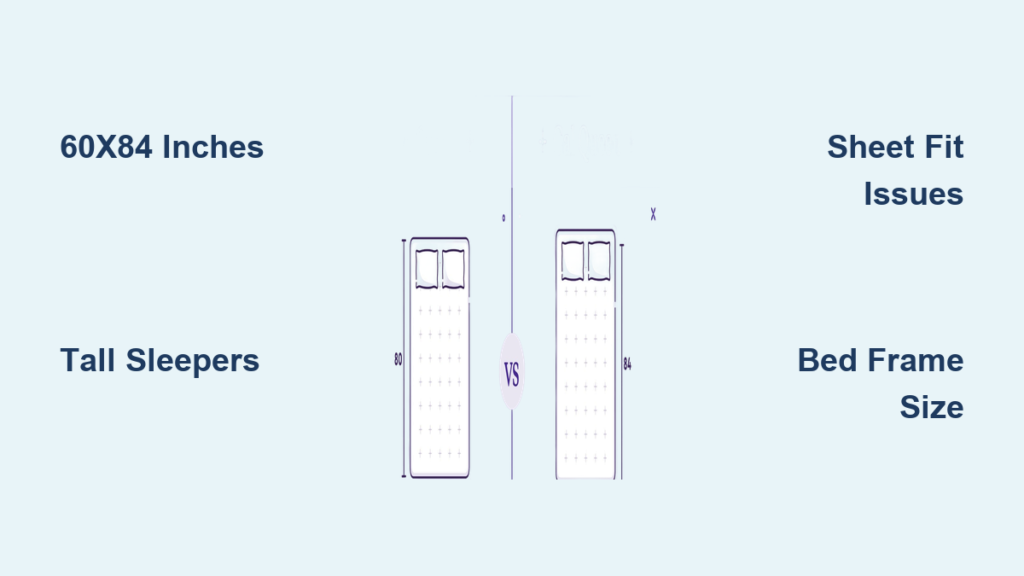
Queen-size truck mattresses (60″ x 80″) deliver near-bedroom comfort but come with significant limitations. These premium options require extended or crew-cab truck beds with interior lengths exceeding 80 inches—common on long-bed configurations but rare in standard setups. Most queen-size truck mattresses also need custom wheel well cutouts or elevated platforms to create a flat sleeping surface, adding complexity and cost to your setup. Unless you have a long-bed truck dedicated primarily to camping, the queen size often sacrifices too much daytime utility for marginal comfort gains.
Avoid These 3 Costly Truck Mattress Sizing Mistakes
How Tailgate Clearance Issues Ruin Your Camping Experience
The most common sizing disaster occurs when truck owners select mattresses without checking tailgate clearance. A mattress that’s too thick prevents complete tailgate closure, leaving your sleeping area exposed to weather and potential theft. Before purchasing, measure from your bed floor to the closed tailgate height (typically 20-24 inches), then subtract your mattress thickness plus 2 inches for body compression. If the result is less than 1 inch, you’ll have clearance problems. For example, a 6-inch mattress in a 22-inch tall bed leaves only 16 inches of clearance—insufficient for comfortable sleeping without tailgate interference.
Why Wheel Well Measurements Matter More Than Bed Width
Many buyers focus solely on overall bed width while ignoring the critical space between wheel wells. Your truck’s total bed width might accommodate a full-size mattress, but if the space between wheel wells measures only 48 inches, a standard 54-inch wide mattress will bridge the gap unevenly, creating uncomfortable pressure points. Always compare your between-wheel-well measurement against the mattress width specification—not the total bed width—to ensure proper support across the entire sleeping surface. For contoured mattresses, verify that the cutout dimensions match your specific truck model’s wheel well shape and placement.
The Standard Twin Trap That Wastes Your Money
Ordering a conventional twin mattress (38″ wide) instead of a truck-specific narrow twin (30-32″ wide) seems like a cost-saving measure until you discover it doesn’t fit. This mistake forces truck owners into uncomfortable compromises: cutting the mattress (which voids warranties and creates uneven edges), removing wheel wells (an expensive modification), or returning the mattress (with costly shipping fees). The narrow twin’s reduced width isn’t arbitrary—it’s engineered specifically to fit within the usable space between wheel wells in most full-size trucks. Save yourself the hassle and expense by purchasing the correct truck-specific size from the start.
How Mattress Thickness Affects Your Truck Bed Functionality

Choosing the right thickness balances comfort against practical constraints of your truck bed configuration. Most truck mattresses range from 4 to 8 inches thick, with memory foam options expanding after unpacking. A 4-5 inch mattress provides adequate support for back sleepers while maintaining maximum tailgate clearance, whereas 6-8 inch options deliver superior comfort for side sleepers but may require partial tailgate lowering or specialized mounting solutions.
Memory foam truck mattresses offer the best compromise for frequent campers—they compress for storage yet expand to full thickness within 48 hours. When selecting foam density, look for at least 1.8 pounds per cubic foot to prevent permanent compression after repeated use. Higher density foams (2.0+ lbs/ft³) maintain their shape longer but cost more initially. For truck beds exposed to extreme temperatures, consider gel-infused memory foam that regulates temperature better than traditional options.
Inflatable truck mattresses solve the thickness dilemma with adjustable firmness but introduce new considerations. Quality air mattresses maintain stability through internal baffling systems that prevent roll-off during sleep. Look for models with puncture-resistant materials (at least 20-gauge PVC) and integrated pumps for quick setup. The main trade-off is reduced comfort compared to foam options—air mattresses lack the consistent support needed for those with back issues, making them better suited for occasional use.
Essential Maintenance Tips to Extend Your Truck Mattress Life
Proper care transforms a $300 truck mattress from a seasonal purchase into a multi-year investment. Always store your mattress in a breathable cotton or mesh bag—not plastic—which prevents moisture buildup that causes mold in foam cores. Before storage, vacuum both sides thoroughly and spot-clean any stains with a mild detergent solution, avoiding harsh chemicals that break down foam fibers. Never store your mattress compressed for extended periods; allow it to fully expand at least once monthly to maintain its structural integrity.
When using your truck mattress, protect it from the elements with a waterproof cover that fits snugly over the entire surface. Standard mattress protectors work, but truck-specific covers with elastic corners stay securely in place during travel. For extended camping trips, add a layer of moisture-wicking fabric between the cover and your body to reduce sweat buildup that accelerates foam degradation. During hot weather, position your truck to catch evening breezes that help cool the mattress surface before bedtime.
Rotate your mattress 180 degrees every 3-4 uses to distribute wear evenly across the sleeping surface. Unlike household mattresses, truck beds create unique pressure points based on how you position yourself relative to wheel wells and bed contours. Pay attention to areas showing early signs of sagging and adjust your sleeping position to balance the load. For contoured mattresses, follow manufacturer guidelines as some designs shouldn’t be rotated due to specialized support zones.
Finding Your Ideal Truck Mattress Size on a Budget
You don’t need to break the bank to get a properly sized truck mattress that fits your specific vehicle. Start with narrow twin options if you drive a standard full-size truck—these typically range from $150-$400 for quality memory foam models that fit between wheel wells. Look for retailers offering custom sizing at no extra charge; many manufacturers will trim standard mattresses to your exact measurements for minimal cost compared to fully custom options.
Consider your camping frequency when evaluating price points. If you only camp occasionally, an inflatable mattress ($80-$200) provides adequate comfort while maximizing daytime bed utility. For weekly campers, invest in a higher-density foam mattress ($300-$600) that maintains support through repeated use. The sweet spot for most truck owners is a 5-6 inch memory foam narrow twin mattress from a reputable truck accessory brand—offering durability, comfort, and proper fit without premium pricing.
Before finalizing your purchase, check if the manufacturer offers a fit guarantee specific to your truck model. Some companies provide free returns for sizing issues, while others maintain detailed fit charts based on actual measurements of popular truck models. This extra research prevents the frustration of receiving a mattress that technically matches your measurements but doesn’t account for subtle variations in bed contours between model years. Your perfect fit exists—you just need to measure carefully and choose wisely.