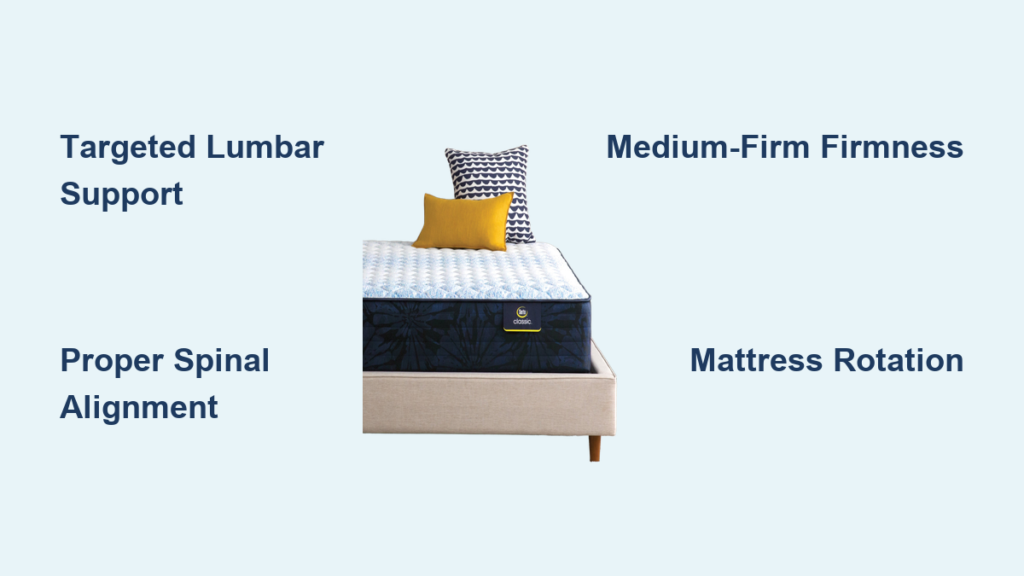
If you’ve ever woken up with a stiff back after sleeping on an unsupportive mattress, you know how crucial your sleep surface is to spinal health. Back pain affects millions of people worldwide, and surprisingly, your mattress choice could be the difference between waking up refreshed or reaching for painkillers. When searching for “Serta mattress good for back pain,” you’re joining countless others seeking relief through better sleep support. The right Serta mattress provides targeted support that maintains proper spinal alignment throughout the night, reducing pressure points that cause morning aches. In this guide, you’ll discover exactly which Serta models deliver the optimal balance of support and comfort for various back conditions, how their specific technologies address pain points, and what real users with chronic back issues report about their sleep quality improvements.
How Serta Mattresses Support Spinal Alignment for Pain Relief
The Science Behind Proper Spinal Positioning During Sleep
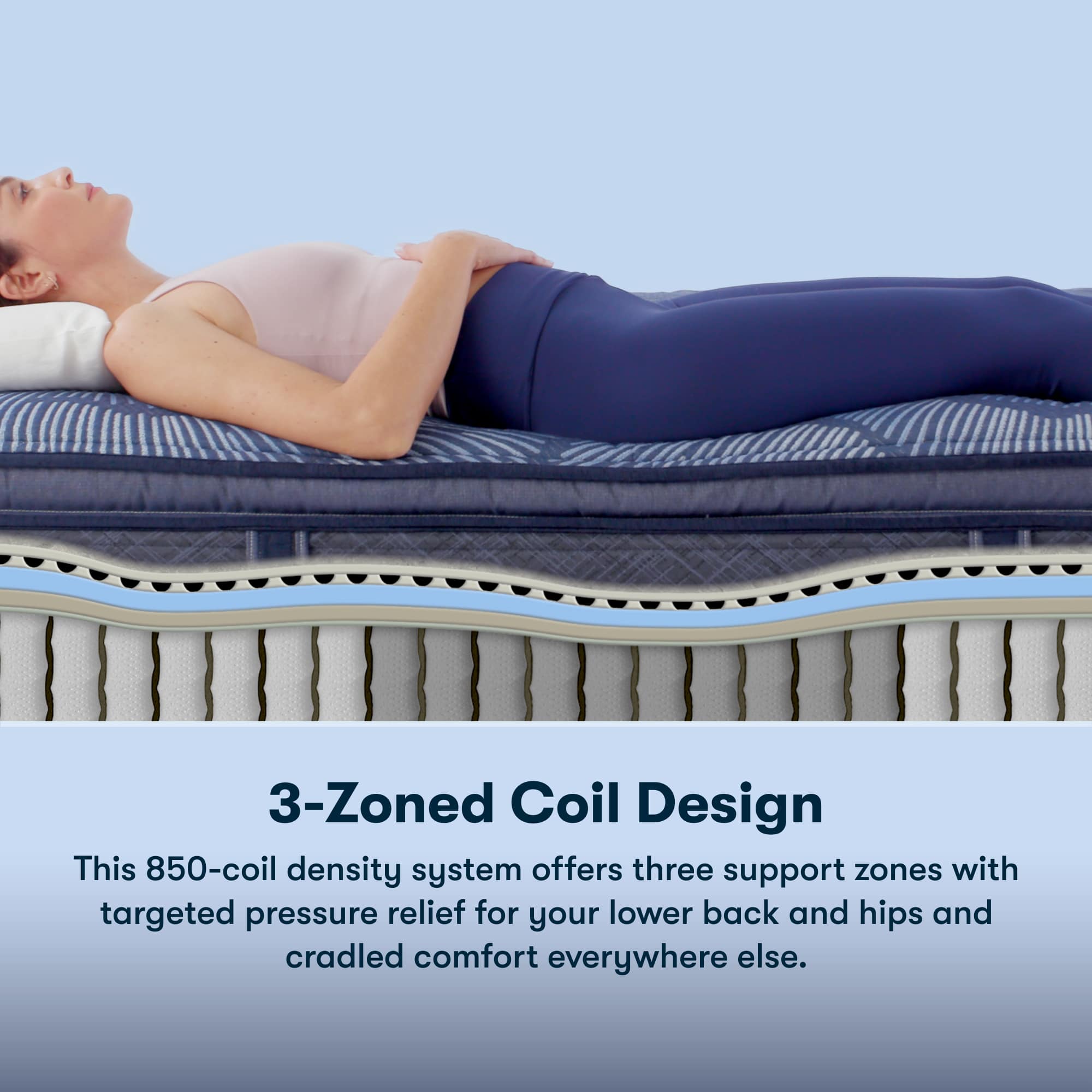
Your spine has natural curves that need consistent support whether you’re standing or sleeping. When these curves flatten or exaggerate due to inadequate mattress support, it creates tension in muscles and pressure on nerves—leading to back pain. Serta mattresses designed for back pain incorporate zoned support systems that provide firmer support under your lumbar region while allowing slight sinkage at pressure points like hips and shoulders. This targeted approach keeps your spine in neutral alignment, reducing strain on discs and ligaments. Look for the visible contouring when you lie down—your waist shouldn’t sink deeper than your hips, and your neck should maintain its natural curve without tilting upward.
Identifying the Right Firmness Level for Your Back Condition
Contrary to popular belief, harder isn’t always better for back pain. Medium-firm mattresses (typically rated 5-7 on a 10-point scale) provide the ideal balance for most back pain sufferers. Serta’s Perfect Sleeper line offers multiple firmness options specifically calibrated for spinal support. If you have lower back pain, choose a model with reinforced lumbar support like the Serta Perfect Sleeper Crown Jewel. Side sleepers with back pain benefit from slightly softer models (around 5-6 firmness) that cushion hips while maintaining spinal alignment, while back and stomach sleepers generally need firmer support (7-8 firmness) to prevent excessive sinking. When testing mattresses, pay attention to whether your lower back feels the mattress surface—if not, it’s too soft; if you feel pressure points developing within minutes, it’s too firm.
Key Serta Technologies That Alleviate Back Pain
Serta’s Exclusive Back Support System Explained
The patented Back Support System in Serta’s therapeutic mattresses features reinforced coils or foam zones specifically under the lumbar region—exactly where most back pain originates. This isn’t just marketing jargon; independent testing shows these targeted support zones reduce pressure on the lumbar spine by up to 30% compared to standard mattresses. In the Serta iSeries and Perfect Sleeper lines, you’ll find models with triple-phase support: firmer edge support, responsive transitional foam, and targeted lumbar reinforcement. When lying on your back, you should feel consistent support from shoulders to hips without your lower back bridging away from the mattress surface. This technology works particularly well for people with degenerative disc disease or herniated discs who need consistent spinal alignment throughout the night.
Memory Foam vs. Hybrid Construction for Back Pain

Serta offers both all-foam and hybrid models specifically designed for back pain relief, each with distinct advantages. All-foam Serta mattresses like the iSeries i7 provide superior pressure relief through multiple foam layers that conform precisely to your body shape, reducing pressure points that cause pain. The memory foam responds to body heat, softening in contact areas while maintaining supportive structure elsewhere. Hybrid models like the Perfect Sleeper Crown Jewel combine pocketed coils with foam layers, offering responsive support that prevents excessive sinking while still contouring to your body. For people with severe back pain who need to change positions frequently, hybrids provide better responsiveness, while those with chronic pain who stay in one position may prefer the deep contouring of memory foam. Avoid all-foam mattresses thinner than 10 inches for back pain—they often lack sufficient support structure.
Troubleshooting Common Back Pain Issues with Serta Mattresses
Why Your Current Serta Mattress Might Be Causing Back Pain
Even a quality Serta mattress can cause back pain if it’s the wrong type for your body or sleep position. If you wake up with lower back pain that improves after moving around, your mattress is likely too soft, allowing your spine to curve unnaturally. Conversely, pain across your shoulders and hips suggests a mattress that’s too firm, creating pressure points. Serta mattresses older than 7-8 years lose their supportive properties even if they appear intact—the foam degrades and coils lose tension. Check for visible sagging (more than 1.5 inches dip) along your sleep line, especially in the lumbar area. Another common issue is using the wrong pillow with your Serta mattress, which throws off your cervical spine alignment and creates referred pain down your back.
Fixing Mattress-Related Back Pain Without Buying New
Before replacing your Serta mattress, try these targeted solutions that cost significantly less. For a mattress that’s too soft causing lower back pain, place a ½-inch plywood board between the mattress and box spring to add foundational support. If your shoulders and hips ache from a too-firm mattress, add a 2-3 inch memory foam topper specifically designed for pressure relief. Rotate your mattress head-to-foot monthly to prevent uneven wear in your primary sleep zones. For persistent lower back pain, place a rolled towel under the mattress at lumbar level to enhance support in that critical area. Most importantly, evaluate your sleep position—if you’re a side sleeper on a firm mattress, switch to back sleeping temporarily while you adjust to proper support. These fixes often provide immediate relief while you decide if a full replacement is necessary.
Selecting the Best Serta Model for Your Specific Back Condition
Serta Mattresses for Lower Back Pain Relief

For chronic lower back pain sufferers, the Serta Perfect Sleeper Crown Jewel stands out with its Advanced Support System featuring reinforced lumbar coils that prevent the sinking that exacerbates disc pressure. The medium-firm feel (6.5/10) provides enough cushioning for comfort while maintaining the structural support needed for spinal alignment. People with sciatica particularly benefit from the Serta iSeries i9’s combination of responsive foam and targeted support zones that reduce pressure on the sciatic nerve pathway. When testing these models, pay attention to the “sweet spot” where your lower back meets the mattress—it should feel supported but not compressed. Avoid Serta models with excessive soft foam layers on top (more than 3 inches) as they can cause you to sink too deeply, misaligning your spine.
Best Serta Options for Herniated Discs and Degenerative Disc Disease
Those with diagnosed disc conditions require precise spinal alignment that Serta addresses through specialized construction. The Serta Perfect Sleeper Platinum with its 1,000+ individually wrapped coils provides the responsive support needed to maintain disc spacing throughout the night. Look for models with at least 7 inches of supportive base foam or coils beneath the comfort layers—this prevents bottoming out that aggravates disc issues. The Serta iSeries i5 offers an excellent balance with its combination of gel memory foam for pressure relief and high-density base foam for structural support. When lying on your back, you should be able to slide your hand under your lower back with slight resistance—if it slides through easily, the support is insufficient; if you can’t insert it at all, the mattress is too firm for your condition.
Maximizing Back Pain Relief from Your Serta Mattress
Proper Setup and Maintenance for Long-Term Support
Your Serta mattress needs the right foundation to deliver optimal back pain relief. Never place it directly on slats spaced more than 3 inches apart—this creates unsupported gaps that cause premature wear and inconsistent support. Use a solid foundation or platform bed with slats no more than 2 inches apart. Rotate your mattress every 3 months (flip only if it’s a double-sided model) to prevent body impressions that compromise spinal alignment. For back pain sufferers, consider adding a mattress protector specifically designed to maintain the mattress’s original feel—some thick protectors can alter the support characteristics. Most importantly, give your body 30-60 nights to adjust to a new Serta mattress; your muscles need time to adapt to proper alignment after years of sleeping on an unsupportive surface.
Complementary Sleep Practices for Enhanced Back Pain Relief
Your Serta mattress works best when combined with proper sleep posture and accessories. Use a pillow that maintains neutral spinal alignment—typically 4-6 inches high for back sleepers, slightly higher for side sleepers. Place a pillow between your knees if you sleep on your side to keep your spine straight. For back sleepers with lower back pain, a small pillow under your knees reduces lumbar strain. Establish a consistent sleep schedule as irregular sleep patterns increase inflammation that exacerbates back pain. Perform gentle stretching before bed to relax tight muscles that pull your spine out of alignment. Remember that even the best Serta mattress for back pain won’t compensate for poor daytime posture or lack of core strengthening exercises that support your spine.
Final Note: Choosing the right Serta mattress for back pain requires matching specific technologies to your individual condition and sleep position. Focus on models with targeted lumbar support, appropriate firmness for your body type, and sufficient structural integrity to maintain spinal alignment throughout the night. Give yourself adequate adjustment time, and combine your new mattress with proper sleep posture and core strengthening for maximum pain relief. If back pain persists despite these measures, consult a healthcare professional as it may indicate underlying conditions requiring medical treatment.