Waking up with a stiff neck, sore back, or general body aches is a common struggle for millions of sleepers who unknowingly use mattresses that work against their body’s natural alignment. An orthopaedic mattress delivers targeted support that maintains your spine’s natural curvature throughout the night, transforming restless sleep into truly restorative rest. Unlike conventional mattresses designed primarily for initial comfort, orthopaedic models prioritize musculoskeletal health through scientifically engineered support systems that distribute pressure evenly across your entire body. This specialized design addresses the root causes of sleep-related discomfort rather than merely masking symptoms. Whether you’re recovering from an injury, managing chronic pain, or simply seeking deeper, more refreshing sleep, understanding the specific orthopaedic mattress benefits will help you make an informed decision that impacts your health for years to come.
How Orthopaedic Mattresses Support Your Spine Naturally
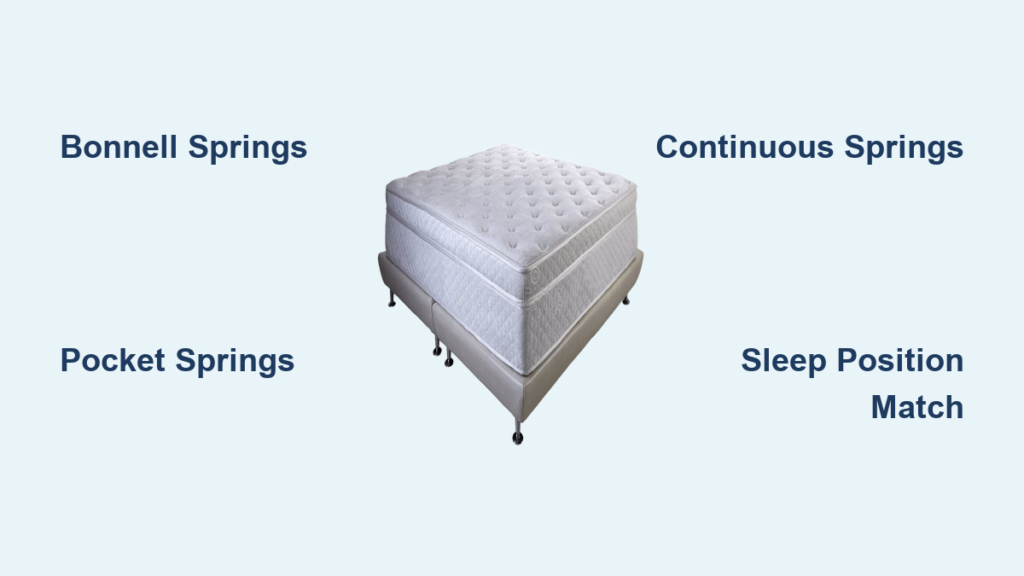
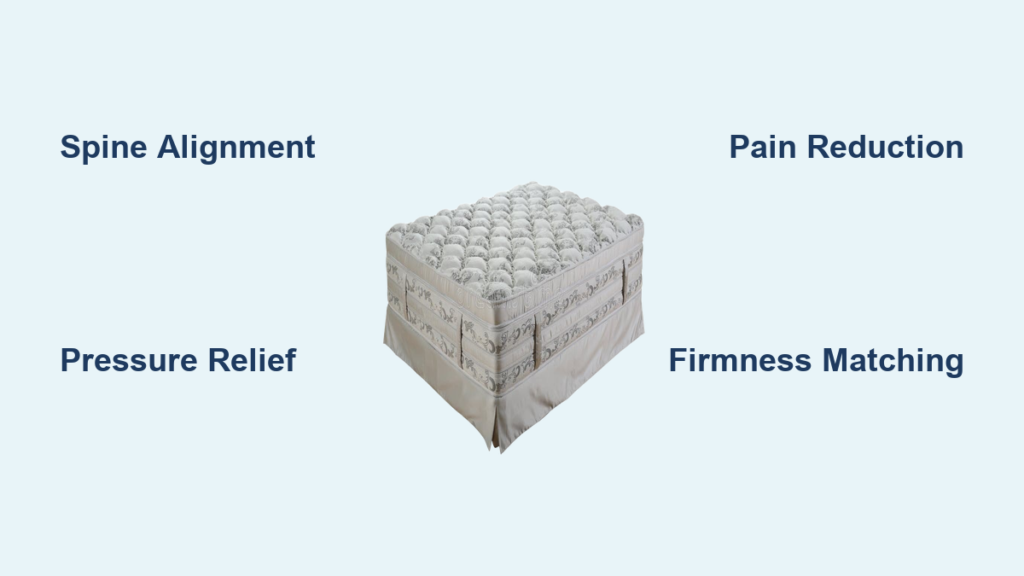
Orthopaedic mattresses feature precision-engineered construction that maintains your spine’s natural S-curve regardless of your sleeping position, preventing the misalignment that causes morning pain and stiffness. These specialized sleep surfaces incorporate high-density foam layers, pocketed coil systems, or natural latex that respond to your body’s unique contours without allowing excessive sinking. The strategic firmness zones built into quality orthopaedic mattresses provide firmer support where your body needs stability—like the lumbar region—and slightly softer areas where pressure relief is essential, such as under the shoulders and hips.
Why Standard Mattresses Fail Your Spine becomes evident when you understand how your body interacts with different sleep surfaces. Most conventional mattresses create a hammocking effect where your heavier body parts sink deeply while lighter areas remain elevated, forcing your spine into unnatural curves. This misalignment causes your muscles to work overtime throughout the night, trying to stabilize your position, which leads to fatigue and pain by morning. Orthopaedic mattresses eliminate this problem by providing consistent support that keeps your head, shoulders, hips, and legs properly aligned in a neutral position.
The Science Behind Targeted Support Zones explains why orthopaedic mattresses deliver superior spinal alignment. Advanced models incorporate zoned support technology with varying densities across different areas of the mattress. The lumbar zone typically features firmer materials to prevent lower back sinking, while shoulder zones have slightly more give to accommodate side sleepers without compromising spinal alignment. This engineering creates a sleep surface that actively supports proper posture rather than allowing the body to collapse into positions that strain muscles and joints throughout the night.
Eliminate Pressure Points That Disrupt Your Sleep
Pressure points form when excessive body weight concentrates on small surface areas, restricting blood flow and causing discomfort that forces you to toss and turn throughout the night. Orthopaedic mattress benefits include sophisticated pressure redistribution that spreads your body weight evenly across the sleep surface, preventing the peak pressures that interrupt deep sleep cycles and cause morning numbness or tingling.
How Pressure Relief Works for Different Sleep Positions varies significantly based on your preferred sleeping style. Side sleepers experience concentrated pressure on their shoulders and hips, which orthopaedic mattresses address through strategic material zoning that allows these areas to sink slightly while maintaining overall spinal alignment. Back sleepers benefit from even support that prevents the lower back from sinking excessively, which flattens the natural lumbar curve. Stomach sleepers—though this position is generally discouraged—find relief through firm orthopaedic surfaces that minimize hip sinking and reduce unnatural spinal arching that strains the neck and lower back.
Recognize Pressure Point Warning Signs that indicate your current mattress isn’t providing adequate support. Waking with numbness in your arms or legs, frequent tossing and turning, morning stiffness that takes hours to resolve, and visible indentations in your mattress all signal inadequate pressure distribution. These issues fragment your sleep architecture, reducing time spent in the deep, restorative sleep stages essential for physical recovery and cognitive function. Orthopaedic mattresses specifically target these problem areas, allowing your body to maintain consistent blood flow and nerve function throughout the night.
Reduce Chronic Pain Without Medication
For millions suffering from back pain, arthritis, or other musculoskeletal conditions, orthopaedic mattress benefits provide significant pain reduction through mechanical support rather than pharmaceutical intervention. The consistent, aligned sleeping position maintained by these specialized mattresses reduces strain on muscles, ligaments, and joints, allowing natural healing processes to occur uninterrupted throughout the night.
Back Pain Relief Through Proper Alignment addresses the primary cause of morning back discomfort—spinal misalignment during sleep. When your lumbar curve flattens against a soft mattress, surrounding muscles contract continuously to stabilize your position, leading to fatigue and pain by morning. Orthopaedic mattresses maintain the natural lumbar curve, allowing these muscles to fully relax and recover. Clinical observations consistently show that appropriate orthopaedic support reduces pain intensity for conditions including degenerative disc disease, herniated discs, and general lower back strain.
Arthritis and Joint Pain Management improves significantly with orthopaedic mattresses due to their pressure redistribution capabilities. The even weight distribution reduces peak pressures on inflamed joints, decreasing morning stiffness and improving initial mobility for individuals with osteoarthritis and rheumatoid arthritis. Many users report reduced reliance on pain medication after switching to orthopaedic support, as the mattresses prevent the micro-movements during sleep that trigger joint pain and inflammation.
Choose Your Perfect Firmness Level
Selecting the appropriate firmness level is crucial for maximizing orthopaedic mattress benefits, as a mattress that’s too firm or too soft for your body type will undermine the therapeutic support you need. Understanding how firmness interacts with your weight, sleeping position, and specific health concerns helps you select the ideal orthopaedic mattress for your needs.
Match Firmness to Your Body Weight ensures proper spinal alignment throughout the night. Lighter sleepers (under 130 pounds) typically benefit from medium-firm orthopaedic mattresses that provide enough give to accommodate pressure points while maintaining support. Average-weight sleepers (130-230 pounds) find the most versatile support in medium-firm options that balance cushioning with structural integrity. Heavier sleepers (over 230 pounds) require firm to extra-firm orthopaedic mattresses that prevent excessive sinking and maintain proper spinal alignment under greater body mass.
Sleep Position Determines Support Needs more than many shoppers realize. Side sleepers generally need medium-firm orthopaedic mattresses that cushion shoulders and hips while supporting the waist. Back sleepers achieve optimal alignment with medium to medium-firm surfaces that support the natural lumbar curve. Stomach sleepers—despite this position being generally discouraged—require firmer orthopaedic mattresses to prevent hip sinking and minimize spinal arching. Combination sleepers who change positions frequently benefit from medium-firm orthopaedic mattresses that accommodate multiple sleeping styles without sacrificing core support.
Maximize Long-Term Benefits Through Proper Care
Your orthopaedic mattress delivers maximum benefits only when properly supported and maintained according to manufacturer specifications. Taking these simple steps ensures you continue experiencing the full orthopaedic mattress benefits for years rather than months.
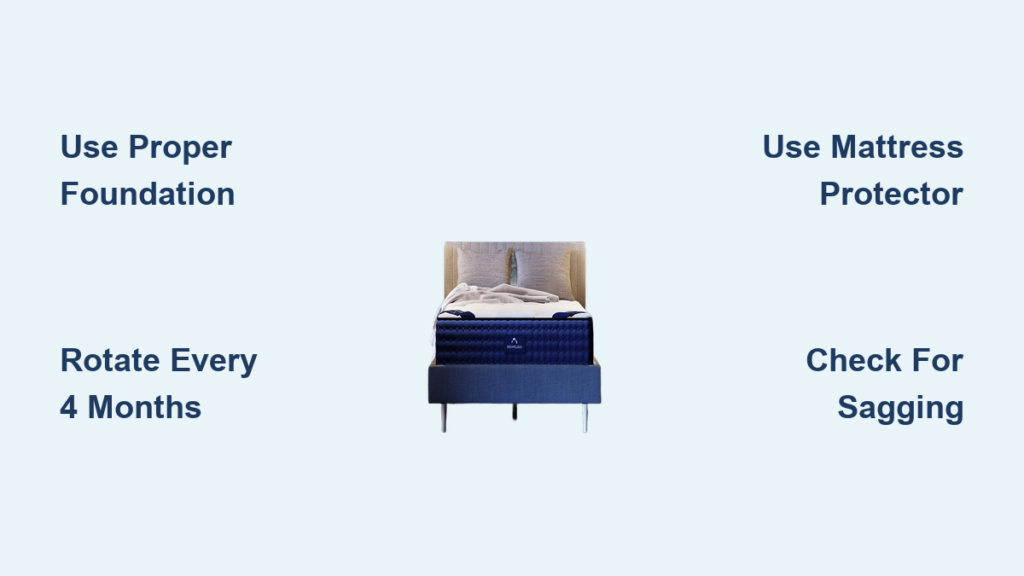
Foundation Compatibility Matters More Than You Think—using an incompatible bed frame can compromise the even support surface that makes orthopaedic mattresses effective. Platform beds with slats spaced no more than 3 inches apart, solid foundations, or adjustable bases specifically rated for your mattress type provide the necessary support. Avoid using box springs with orthopaedic mattresses, as these create uneven support that undermines the precise engineering designed to maintain spinal alignment.
Rotate Strategically to Maintain Consistent Support by following your manufacturer’s guidelines, typically every three to six months. Rotation prevents premature softening in high-use areas, ensuring even wear across the entire sleep surface. Most modern orthopaedic mattresses are designed for rotation only (head-to-foot) rather than flipping, so check your specific model’s recommendations to avoid voiding the warranty while extending the mattress’s therapeutic lifespan.
Make Your Orthopaedic Investment Work for You
Purchasing an orthopaedic mattress represents a significant investment in your long-term health and wellbeing, but understanding what to look for in quality construction ensures you select a mattress that delivers genuine orthopaedic benefits rather than merely bearing the label.
Decode Marketing Claims to Find Real Value by focusing on measurable specifications rather than vague terminology. High-density foams (above 3 pounds per cubic foot for memory foam) maintain support properties longer than lower-density alternatives. For innerspring and hybrid orthopaedic mattresses, look for pocketed coil systems with tempered steel that resist permanent deformation. Certifications like CertiPUR-US and OEKO-TEX provide independent verification of material quality and safety, though they don’t specifically validate orthopaedic benefits.
Test Properly Before Committing by spending adequate time evaluating the mattress in-store or through a generous sleep trial. Allow at least 30-60 nights for your body to adjust to a new orthopaedic surface, as the initial feel may differ significantly from softer mattresses you’re accustomed to. Pay attention to how you feel upon waking rather than just the immediate comfort impression, as the true orthopaedic mattress benefits reveal themselves through reduced morning pain and increased energy levels.
Final Note: The orthopaedic mattress benefits extend far beyond the bedroom, influencing your daytime energy, pain levels, posture, and overall quality of life. By maintaining proper spinal alignment and reducing pressure points throughout the night, these specialized sleep surfaces create the foundation for genuine physical recovery and restorative rest. While the initial investment may exceed standard mattress prices, the long-term value becomes apparent through reduced healthcare costs, improved productivity, and the immeasurable benefit of waking each morning feeling truly refreshed. Your spine supports you every waking hour—returning the favor with scientifically engineered nighttime support represents one of the most impactful health investments you can make.