A punctured air mattress can quickly derail a camping trip, ruin unexpected house guests, or eliminate an affordable sleeping solution that cost hundreds of dollars. Rather than abandoning a damaged mattress or spending money on a complete replacement, a quality mattress repair kit offers a practical alternative that restores your sleep surface to full functionality. These specialized solutions address everything from tiny pinhole leaks to larger tears, using formulations designed specifically for the PVC, TPU, and vinyl materials common in modern air mattress construction. Whether you’re dealing with damage from pets, sharp objects, or simple wear and tear, understanding how to select and use the right repair products means you can extend your mattress lifespan significantly while saving substantial money.
This guide walks you through everything you need to know about mattress repair kits, from selecting the appropriate product type for your specific damage to applying repairs that last. You’ll learn about the different formulations available, step-by-step application techniques, and strategies for maximizing repair durability. By the end, you’ll have the knowledge to confidently address most air mattress damage scenarios and make informed decisions about when repair makes sense versus when replacement is the wiser choice.
What Is a Mattress Repair Kit?
A mattress repair kit is a specialized product designed to fix punctures, leaks, and tears in inflatable mattresses and related air-filled products. These kits address the unique challenges of repairing flexible, pressurized surfaces that regularly encounter moisture and physical stress during normal use. The core function involves creating waterproof seals that maintain flexibility after curing, ensuring repaired areas don’t become rigid spots prone to re-tearing when the mattress flexes during sleep.
The market offers three primary product categories, each suited to different damage scenarios and user preferences. Tape-based patch systems feature pre-cut adhesive patches that adhere directly to damaged areas without mixing or drying time, making them the most accessible option for beginners. Liquid vinyl and PVC glue formulations provide professional-grade versatility for irregular tears and larger damage sites, though they require longer curing periods. Multi-purpose solutions extend compatibility to bounce houses, inflatable boats, and other products, offering value for households with diverse inflatable goods.
Modern repair kits work by bonding with the specific substrate materials used in mattress construction, primarily PVC, TPU, EVA, and rubberized coatings. The adhesive chemistry in quality products maintains flexibility after curing, allowing the repaired area to flex naturally with the rest of the mattress. This flexibility proves essential because rigid repairs crack and fail quickly under the repeated stress of inflation, deflation, and body weight. Premium formulations also incorporate waterproofing additives and UV resistance to prevent degradation from moisture and sun exposure, particularly important for outdoor applications or mattresses stored in bright areas.
Types of Mattress Repair Products

Understanding the available product types helps you select the right solution for your specific damage and skill level. Each category offers distinct advantages and limitations that influence repair success and long-term durability.
Tape-Based Patch Systems
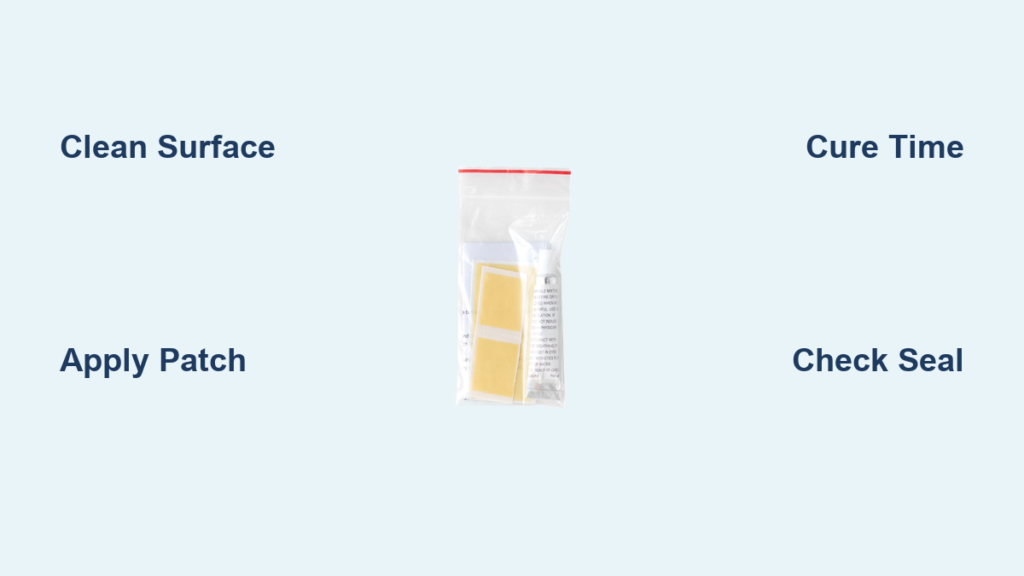
Tape-based repair products represent the most user-friendly category, featuring pre-cut adhesive patches with pressure-sensitive backing that adheres on contact. These systems utilize TPU or similar durable synthetics that bond with mattress materials without requiring mixing, clamping, or extended drying time. Common patch sizes range from 2.5 inches by 2.5 inches for small punctures to 4 inches by 4 inches for larger damage, with the square format providing adequate margin around damage sites for secure bonding.
The application simplicity makes tape systems ideal for users without prior repair experience or those needing quick fixes during camping trips. You simply clean and dry the damaged surface, remove the protective backing, position the patch over the damage, and apply firm pressure for 30 seconds to 2 minutes. Premium products allow repositioning during application, reducing waste from misalignment. Professional-grade tape systems incorporate waterproofing and UV resistance, though basic budget options may lack these protective additives.
Liquid Vinyl and PVC Glue Formulations
Liquid repair compounds serve users facing irregular tears, large damaged areas, or situations where pre-cut patches prove inadequate. These PVC or polyurethane-based adhesives cure to form flexible, waterproof seals that match the material properties of the original mattress. Formulation volumes vary from 20ml tubes suitable for minor repairs to 80ml containers capable of addressing multiple damage sites or extensive tears.
The curing process requires patience, with formulations ranging from 3-hour rapid-curing products to those needing 24 hours for complete bond development. Temperature and humidity significantly influence actual cure times—warm, dry conditions accelerate the process while cold, damp environments extend required drying periods. Products marketed as 3-hour cure formulations enable same-day repairs but may produce less flexible bonds compared to slower-curing alternatives. Users should follow manufacturer specifications for minimum cure times before inflating and using the mattress.
Multi-Purpose Repair Solutions
Many manufacturers position their products as comprehensive solutions compatible with the broader category of inflatable goods, extending utility beyond air mattresses to include bounce houses, swimming rings, inflatable boats, kayaks, paddle boards, hot tubs, and tent materials. This versatility appeals to families with various inflatable recreational products who prefer keeping a single repair product on hand. Compatibility claims typically encompass TPU, EVA, ABS, and rubber materials, though users should verify specific material compatibility for their particular application.
Multi-purpose formulations sacrifice some specialized performance for broader application range, making them excellent all-around solutions for casual users while potentially falling short for specialized commercial applications. The convenience factor appeals particularly to camping families, outdoor enthusiasts, and anyone maintaining multiple inflatable products who values having one versatile solution rather than multiple specialized products.
Top Rated Products Worth Buying

Market analysis reveals clear performance stratification across price segments, with certain products consistently outperforming competitors in customer satisfaction and sales volume. Understanding which products deliver reliable results helps you make informed purchasing decisions.
Premium Performance Leaders
The highest-rated products in the market achieve 4.8 to 4.9-star ratings while maintaining strong sales volumes, indicating consistent customer satisfaction rather than isolated positive experiences. The Air Mattress Patch Kit with Heavy Duty Vinyl PVC Glue stands out with a 4.9-star rating from 18 reviews and over 2,000 monthly purchases, suggesting high customer satisfaction despite relatively limited review volume. Priced at $9.99, this product occupies the optimal mid-range price segment where quality meets accessibility.
Products featuring waterproof and UV-resistant properties achieve 4.8-star ratings, with customers specifically praising transparent formulations that produce virtually invisible repairs. The Air Mattress Repair Kit at $9.99 appeals to users concerned about aesthetic results or visible patches affecting mattress appearance. UV resistance addresses a common failure mode where sun exposure causes adhesive degradation over time, making this feature particularly valuable for outdoor applications.
Established Brand Options
Gorilla Waterproof Patch & Seal Tape dominates market awareness with a 4.4-star rating from over 50,900 reviews and 4,000+ monthly purchases. Despite premium pricing ($12.97 to $14.99), the Gorilla brand commands significant market share through consumer trust in adhesive performance developed across the brand’s broader product line. The black tape formulation provides aesthetic advantages for certain applications, and the established reputation reduces perceived purchase risk for first-time buyers.
TEAR-AID Vinyl Repair Kit occupies the $12.95 price point with a 4.1-star rating from 7,800 reviews, representing the established specialist brand in vinyl repair products since 1974. The Type B clear patch formulation specifically targets vinyl-coated materials, providing optimized bonding for these common mattress substrates. The green box packaging and decades of market presence contribute to consumer confidence in proven performance.
Budget-Conscious Choices
Entry-level products priced at $4.74 to $6.99 offer basic repair capability at accessible price points, appealing to cost-conscious consumers or those wanting emergency solutions without significant financial commitment. These products typically achieve 3.2 to 4.3-star ratings, with variable customer experiences often influenced by application technique and material compatibility. The Air Mattress Patch Kit at $4.74 represents the market entry point, providing basic functionality for users with limited budgets or occasional repair needs.
Products in the $5.99 to $7.99 range, including 10-pack TPU repair tape options, balance affordability with adequate patch quantities for multiple repairs. These products typically achieve 4.1 to 4.3-star ratings with 500+ monthly purchase volumes, indicating acceptable performance for casual users at accessible price points. The multi-pack format provides particular value for households anticipating future repair needs or maintaining multiple inflatable products.
Surface Preparation Steps
Proper surface preparation determines repair success more than any other factor. Even premium adhesive formulations fail if applied to contaminated or wet surfaces, making cleaning and drying the most critical preparatory steps.
Begin by deflating the mattress completely and identifying the exact damage location. Small leaks may require soapy water application while inflated to bubble at leak sites, or simply listening for escaping air. Once located, mark the damage area with a pen or tape to guide cleaning and application. Clear the surrounding area of any debris, dirt, or foreign objects that could interfere with adhesive bonding.
Clean the damaged surface thoroughly using mild soap and water, scrubbing gently to remove dirt, oils, skin cells, and other contaminants that create barriers between adhesive and substrate. For persistent contamination, rub alcohol-based cleaner lightly over the surface, though you should test material compatibility on an inconspicuous area first. Rinse thoroughly to remove cleaning residue, as leftover soap or alcohol can interfere with adhesion. Pat dry with clean cloths, then allow air drying for at least 15-30 minutes to ensure complete moisture evaporation.
For glossy or smooth surfaces, some manufacturers recommend light sanding with fine-grit sandpaper to create microscopic texture for better adhesive penetration. This technique requires extreme caution—sand gently and avoid enlarging the damage site. The goal is improving adhesion, not creating additional damage. After sanding, brush away residue and clean the area again to remove sanding debris.
Apply Patches for Quick Fixes
Tape-based patch systems offer the fastest path to functional repairs, with most applications requiring under five minutes from start to finish. Following proper technique ensures secure bonds that withstand regular mattress use.
Remove the protective backing from the patch, handling the adhesive surface carefully to avoid contamination from skin oils. Position the patch over the damage site, ensuring adequate coverage margin—typically 0.5 to 1 inch beyond damage boundaries in all directions. For irregular damage shapes, larger patches provide additional security, while multiple overlapping patches address damage extending beyond single patch coverage.
Press the patch firmly in place beginning at the center and working outward toward the edges. This technique expels air bubbles and ensures complete adhesive contact across the entire patch surface. Apply sustained pressure for 30 seconds to 2 minutes, depending on manufacturer recommendations. For best results, use a cylindrical object like a pen cap or small roller to apply even pressure across the patch surface.
For curved surfaces or areas prone to flexing, some manufacturers recommend applying patches while the mattress is partially inflated to reduce material stress during curing. Allow the adhesive to set for the recommended duration before fully inflating, typically 15-30 minutes for pressure-sensitive adhesives. Inspect the patch edges after initial inflation, pressing down any lifting areas to ensure complete seal.
Cure Times and Drying Guidelines

Patience during the curing process directly correlates with repair durability. Premature mattress use represents the leading cause of repair failure, as incomplete curing compromises bond strength and leads to early failure under stress.
Manufacturer specifications indicate minimum cure times under ideal conditions, typically ranging from 3 hours for rapid-curing formulations to 24 hours for comprehensive repairs. These specifications assume room temperature (65-75°F), moderate humidity, and proper surface preparation. Real-world conditions often require extending these minimums—adding 25-50% to recommended times provides a safety margin that improves long-term durability.
Environmental conditions significantly influence actual cure times. Cold temperatures below 60°F slow chemical reactions dramatically, potentially doubling or tripling stated cure times. High humidity above 70% introduces moisture that interferes with some adhesive chemistries. Garage or outdoor repairs in variable conditions should anticipate extended curing periods and plan accordingly. Bringing the mattress indoors or using space heaters can accelerate curing in challenging environments.
Test cure completion before returning the mattress to regular service. Visual inspection helps confirm adhesive transparency or color matching, indicating complete set. Gentle finger pressure can verify surface set without risking damage. Begin testing with partial inflation, monitoring for any signs of leakage before gradually increasing pressure. Avoid immediately inflating to full pressure—gradual pressure increase allows you to detect any issues before catastrophic failure stresses the repair.
When to Replace Instead of Repair
While mattress repair kits address most damage scenarios effectively, certain situations warrant replacement rather than repair. Recognizing these scenarios prevents wasted time and money on unsuccessful repair attempts.
Extensive damage covering large surface areas or multiple distinct sites often exceeds what repair kits can effectively address. When damage exceeds 10-15% of total mattress surface area or when multiple punctures cluster in high-stress regions, replacement typically provides better value than extensive repair attempts. Similarly, damage along seams and stress points compromises structural integrity in ways that patches and adhesives cannot fully restore.
Age-related material degradation makes repairs less effective over time. Mattresses showing significant wear, discoloration, or material thinning throughout may have compromised substrate integrity that prevents reliable adhesive bonding. If the vinyl or TPU material feels stiff, brittle, or shows visible degradation, attempts at repair may fail as the surrounding material fails around the repair site.
Safety considerations apply to certain applications. Medical or therapeutic air mattresses with electronic components, alternating pressure systems, or specialized functions should be serviced by qualified professionals rather than DIY repair. Commercial applications with liability considerations may require replacement according to operational policies, even when repairs appear successful. When uncertain, consulting manufacturer guidance or professional repair services provides appropriate guidance for high-stakes applications.