If you struggle with chronic back pain, you know how crucial a good night’s sleep can be for your recovery and daily comfort. Yet finding the right mattress feels like an impossible task—too firm and you wake up sore, too soft and you sink in like you’re sleeping quicksand. Many back pain sufferers are turning to natural latex mattresses as a solution, praising their ability to provide both cushioning comfort and structured support. But is a latex mattress truly good for back pain, or is it just another marketing trend? The answer lies in understanding how natural latex responds to your body’s unique contours while maintaining the spinal alignment your back desperately needs during rest.
This comprehensive guide examines the science behind latex mattresses and their relationship to back pain relief, breaking down the specific features that make them particularly well-suited for individuals dealing with chronic discomfort. Whether you’re a side sleeper with hip pain, a back sleeper struggling with lumbar support, or someone who simply hasn’t found a mattress that doesn’t aggravate their symptoms, understanding these key factors will help you make an informed decision about whether natural latex belongs in your bedroom.
Why Natural Latex Mattresses Relieve Back Pain
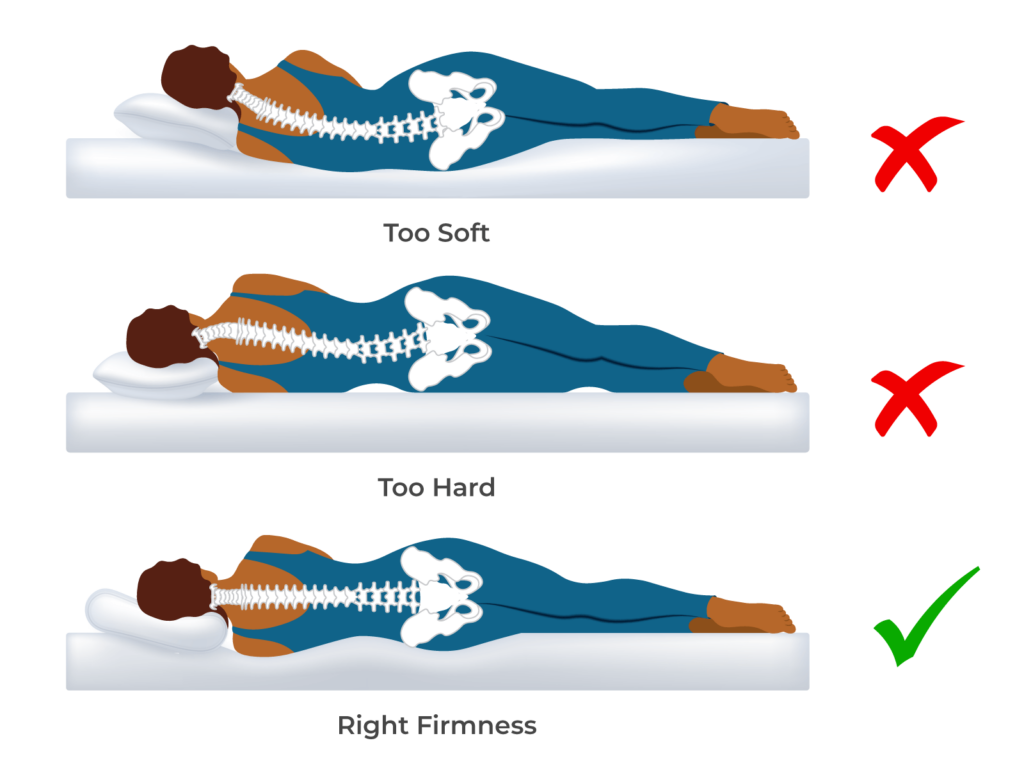
Natural latex mattresses deliver an optimal balance between softness and support that facilitates the natural stretching of your spine curve while you sleep. This balance is critical for back pain sufferers because improper spinal alignment during rest can actually worsen discomfort and slow recovery. Unlike memory foam that traps you in position, natural latex provides responsive support across all body parts, ensuring your spine maintains its natural curvature throughout the night. The material conforms to your body’s shape while simultaneously providing the resistance necessary to prevent sinking too deeply into the mattress surface.
How Natural Latex Maintains Spinal Alignment
When you lie down on a latex mattress, the material immediately responds to your body’s pressure points while distributing weight evenly across the sleep surface. This responsive cellular structure provides what sleep experts call “push-back” support—a gentle resistance that encourages your spine to maintain its natural curvature regardless of your sleeping position. For back sleepers, this means proper lumbar support that maintains the lower spine’s natural lordotic curve. For side sleepers, the latex cushions shoulders and hips while preventing the spine from tilting into uncomfortable angles. This targeted support explains why many back pain sufferers report significant improvement within days of switching to a natural latex mattress—their spines finally receive the consistent alignment they need for proper recovery during sleep.
Natural Latex vs. Synthetic Alternatives
Unlike polyurethane foams and synthetic alternatives, natural latex maintains its structural integrity and supportive properties over extended periods of use. This durability is particularly important for back pain sufferers who require consistent support—the last thing someone with back issues needs is a mattress that loses its supportive properties prematurely. Natural latex outlasts polyurethane foams by significant margins, providing lasting comfort and support throughout the mattress’s service life. The material’s inherent resilience means it returns to its original shape almost instantly once pressure is removed, preventing the gradual material breakdown that causes other mattresses to lose their supportive characteristics.
Targeted Pressure Relief for Back and Hip Pain
Back pain often originates from pressure points that develop when a mattress fails to distribute body weight evenly. Natural latex mattresses excel at pressure redistribution due to their unique combination of softness and structural integrity, creating a sleep surface that cushions problem areas without sacrificing the underlying support your spine requires. This pressure relief is specifically calibrated for sleepers with chronic back and hip pains, reducing stress points that typically cause discomfort during sleep, particularly in the lumbar region and hip joints.
How Latex Reduces Hip and Shoulder Pressure
For side sleepers who experience hip pain, natural latex prevents the hips from sinking too deeply, which would tilt the pelvis and strain the lower back. By maintaining a relatively level sleeping surface that still contours to the body’s natural shape, latex mattresses help keep the pelvis in neutral alignment, reducing the muscle fatigue and joint stress that contribute to morning hip discomfort. The material’s natural elasticity means it responds immediately to pressure changes, providing instant relief the moment you shift your weight. For back sleepers, the responsive nature of natural latex means pressure relief isn’t static—it adjusts continuously as you shift positions throughout the night, ensuring consistent support regardless of how many times you reposition during sleep.
Cooling Technology That Supports Pain Relief
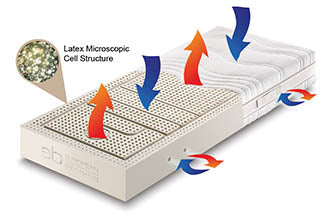
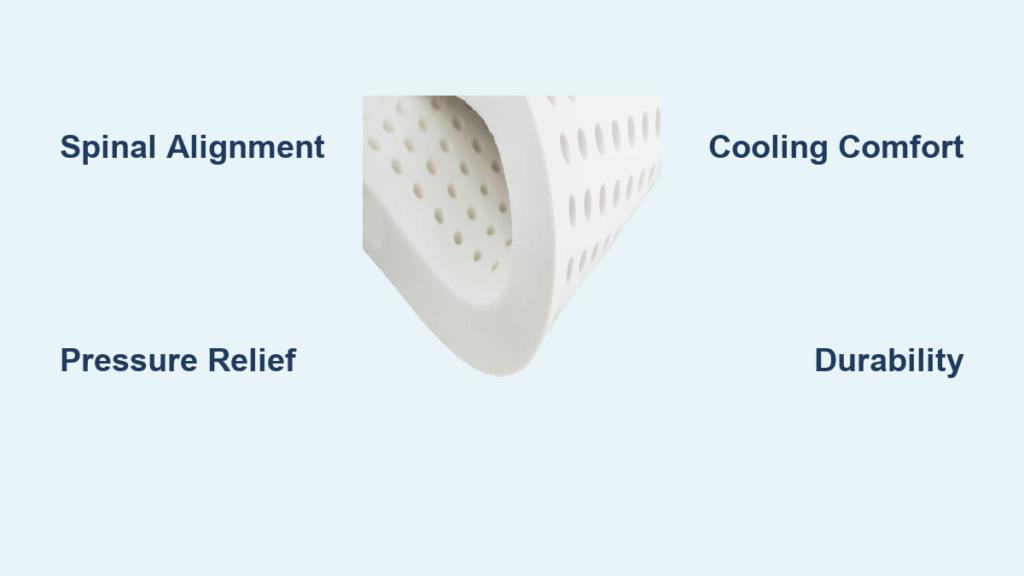
Discomfort from overheating during sleep does more than make you sweaty—it can trigger the position changes and light sleeping that prevent your back from receiving the rest it needs. Natural latex mattresses address this challenge through their open-cell structure, which actively promotes air circulation throughout the mattress. This architectural characteristic creates a continuously cooler sleeping surface by allowing air to flow freely through the material’s internal channels.
How Open-Cell Structure Promotes Better Sleep
The open-cell structure of natural latex creates millions of tiny interconnected cells, each separated by walls that allow air to flow between them. This ventilation network differs fundamentally from the closed-cell structure of many synthetic foams, which trap heat and create the sleeping-hot sensation. When you lie on a natural latex mattress, your body heat doesn’t become trapped in the material—instead, it dissipates through the ventilation network, keeping the sleep surface comfortably cool. This airflow also helps manage moisture, wicking away perspiration and allowing it to evaporate into the air circulation system. For back pain sufferers who may already be dealing with sleep disruptions due to their discomfort, this added comfort factor can help maximize the quality of whatever sleep they do manage to achieve.
Long-Term Support That Prevents Back Pain Worsening
One of the most significant advantages of natural latex mattresses for back pain sufferers is their exceptional durability compared to alternative materials. While polyurethane foam mattresses typically show visible impressions and support degradation within two to three years, quality natural latex mattresses can maintain their original properties for a decade or longer with proper care. This longevity matters immensely for back pain sufferers, whose recovery depends on consistent support night after night.
Compression Resistance That Maintains Spinal Alignment
The mattress is engineered with compression-resistant properties that prevent deformation under consistent body weight and pressure. This resistance to compression ensures that the mattress maintains its original shape and supportive characteristics even after months or years of nightly use. Body impressions that form in lesser materials create uneven sleeping surfaces that throw spinal alignment off balance, potentially worsening back problems that the mattress was originally chosen to address. Natural latex resists this compression, maintaining the even support surface that promotes proper spinal alignment regardless of how long the mattress has been in service.
Choosing the Right Latex Mattress Thickness for Back Pain
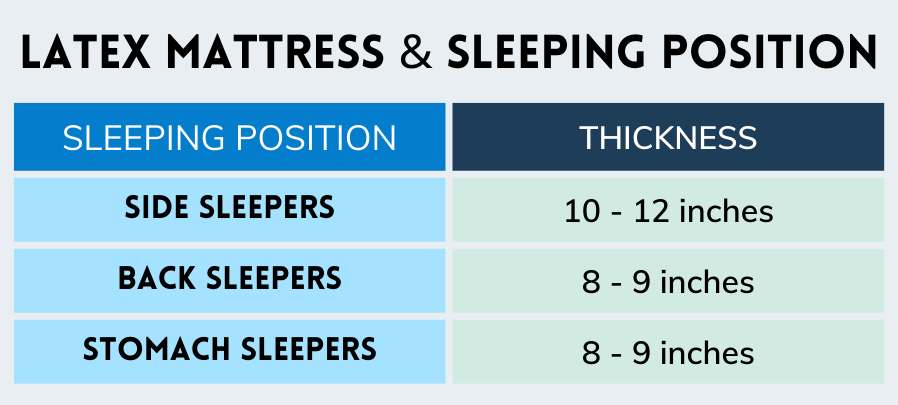
Not all latex mattresses offer identical benefits, and selecting the right one requires understanding how different specifications affect back pain relief. The thickness of a latex mattress directly impacts its ability to provide meaningful cushioning and support. According to the product specifications, this particular mattress features a thickness of 2.5cm (0.98 inches), classified as a plush latex mattress topper or relatively slim mattress option.
Understanding 2.5cm Thickness for Back Pain Relief
This thinner profile may be suitable as a mattress topper placed atop an existing mattress for enhanced comfort, or as a primary sleep surface for those preferring a lower-profile mattress construction. However, potential buyers should be aware that some customers have reported the 2.5cm thickness as “super thin” and unsatisfactory for those requiring substantial cushioning. If you’re seeking significant relief from chronic back pain, consider whether a thicker latex mattress (typically 6-10 inches) might provide better pressure relief and support than this thinner profile.
Size Options That Prevent Position-Related Pain
The mattress is available in an extensive range of sizes to accommodate various bed frames and room configurations. Size options span from compact single beds to expansive king-sized configurations with precise dimensional specifications provided in both centimeters and inches. For back pain sufferers who share their bed with a partner, selecting a size that provides adequate individual space becomes essential—crowded sleeping conditions can force position compromises that throw off spinal alignment throughout the night. King and queen-sized options allow both partners to move freely without transferring motion that might disrupt the other person’s sleep.
Proper Setup and Care for Maximum Pain Relief
Proper setup of your latex mattress ensures you receive the full benefit of its back pain-relieving properties from the first night. Most latex mattresses arrive compressed and rolled in a box, requiring time to reach their full dimensions after unpacking. The expansion process typically completes within 24 to 72 hours, with warmer room temperatures accelerating the timeline. Allowing complete expansion before using the mattress ensures the material achieves its optimal loft and support characteristics.
Critical Expansion Timeline for Back Pain Sufferers
When your compressed latex mattress arrives, resist the temptation to use it immediately after unpacking. The material needs time to fully expand and allow any residual manufacturing odors to dissipate. While the mattress may appear to reach its full dimensions within hours, the complete structural development that ensures optimal performance can take up to three days, particularly in cooler room temperatures. During this expansion period, the mattress may continue to unfurl and adjust, with the final comfort characteristics developing once full expansion is complete. Placing the mattress in a well-ventilated room away from direct sunlight accelerates both the expansion process and the dissipation of the natural latex odor that some users notice upon unpacking.
Essential Maintenance for Long-Term Back Pain Relief
Maintaining your latex mattress’s back pain-relieving properties requires following specific care guidelines that protect the material’s structural integrity. Direct sunlight exposure must be avoided, as ultraviolet rays can cause latex to become brittle and deteriorate over time. Similarly, direct heat sources should be kept away from the mattress to prevent material breakdown that could compromise its supportive properties. Cleaning a natural latex mattress requires gentle approaches—machine washing, bleaching, ironing, and dry cleaning are all prohibited. If cleaning becomes necessary, water temperature must not exceed 50 degrees Celsius, and only hand washing methods are acceptable. After any moisture exposure, the mattress should be hung in a cool place to dry naturally, never subjected to heat-based drying methods that could damage the latex structure.
If you’re struggling with back pain, a natural latex mattress could be your solution—but it depends on selecting the right thickness and caring for it properly. Natural latex delivers the perfect balance of contouring and support that maintains spinal alignment throughout the night, while its open-cell structure keeps you cool for uninterrupted sleep. The material’s exceptional durability ensures consistent support that won’t degrade into a back-pain-inducing surface over time. For maximum benefit, choose a thickness appropriate for your specific back issues and sleeping position, allow proper expansion time before use, and follow the essential care guidelines to maintain its supportive properties. When matched to your individual needs, a latex mattress can transform sleep from a source of pain into a genuine contributor to your back pain recovery journey.