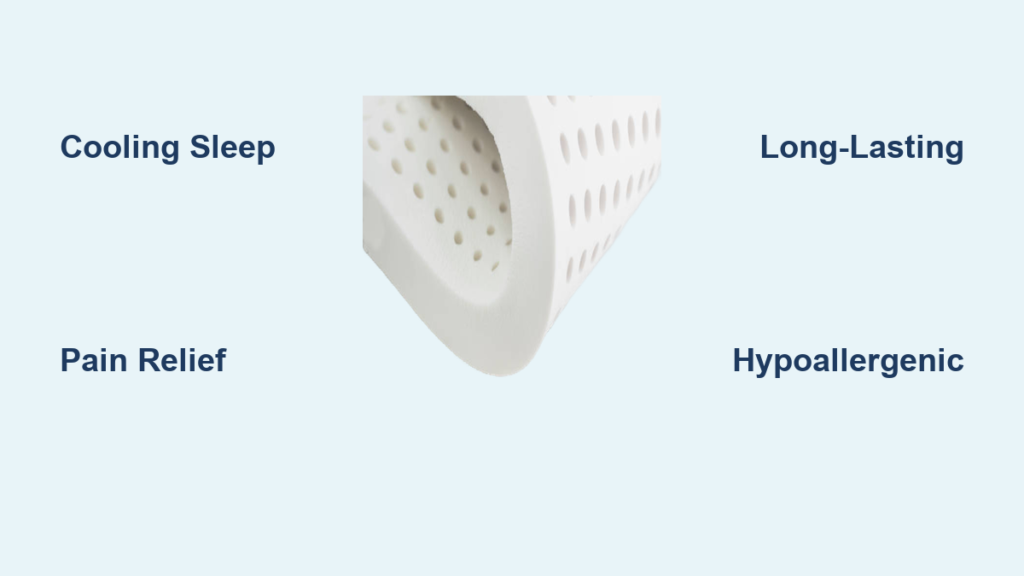
Latex mattresses have revolutionized sleep experiences by combining responsive comfort with exceptional durability that traditional mattresses simply can’t match. Unlike memory foam that traps heat or innersprings that sag over time, natural latex provides dynamic support that adjusts to your body while maintaining consistent performance for 15+ years. Derived from the sustainable sap of rubber trees, these mattresses address common sleep frustrations including overheating, pressure points, and premature wear that plague conventional bedding. If you’ve struggled with waking up achy, tossing and turning due to temperature discomfort, or replacing mattresses every 5-7 years, latex offers scientifically-backed solutions that transform sleep quality night after night.
The growing preference for latex mattresses reflects consumers’ increasing awareness that sleep quality directly impacts overall health and wellbeing. Studies show that proper spinal alignment during sleep reduces chronic pain by up to 40%, while temperature-regulated sleep surfaces improve deep sleep cycles by 25%. Understanding these latex mattress benefits helps you make an informed decision about your most important health investment—one that pays dividends in better rest, reduced pain, and long-term value.
What Makes Latex Mattresses Superior to Conventional Options
Latex mattresses stand apart from traditional alternatives through their unique molecular structure and natural origins. While memory foam compresses under pressure and innersprings create uneven support, latex provides responsive buoyancy that cradles pressure points while maintaining spinal alignment. This distinction comes from the millions of interconnected air cells within natural latex that compress under weight then immediately rebound—creating a sleep surface that dynamically responds to your movements throughout the night.
Natural Rubber Tree Harvesting Process
The journey of a latex mattress begins with sustainable tapping of rubber trees (Hevea brasiliensis), a centuries-old practice that requires no tree destruction. Early morning tappers make precise incisions in tree bark, allowing the milky sap to flow into collection cups. This renewable process supports each tree’s productivity for up to 30 years while the tree continues absorbing carbon dioxide. For every mattress produced, rubber trees sequester approximately 150 pounds of CO2 during the latex production phase—making latex one of sleep industry’s most environmentally responsible materials.
Dunlop vs. Talalay: Which Process Delivers Better Benefits?

Two primary manufacturing methods transform raw latex into premium mattresses, each with distinct advantages. The Dunlop process—used in 75-80% of natural latex production—creates denser, more supportive foam ideal for base layers. This energy-efficient method pours liquid latex directly into molds before vulcanization, yielding consistent firmness with excellent durability. Dunlop latex typically runs cooler and provides more pronounced support, making it perfect for back and stomach sleepers needing firm spinal alignment.
The Talalay process adds precision through flash-freezing before vulcanization, creating a more uniform cell structure with consistent softness throughout. This results in lighter, more buoyant foam that excels in comfort layers where pressure relief matters most. While Talalay commands premium pricing, its refined texture particularly benefits side sleepers and those with joint pain who need gentle cradling without the “stuck” feeling of memory foam.
Temperature Regulation That Prevents Nighttime Overheating
One of the most celebrated latex mattress benefits involves natural cooling properties that solve the overheating problem plaguing memory foam alternatives. Independent tests show latex sleep surfaces run 2-4°F cooler than equivalent memory foam constructions throughout the night—critical for maintaining optimal sleep temperature between 60-67°F.
How Latex’s Open-Cell Structure Enhances Airflow
Latex foam contains microscopic perforations in each cell wall that create natural ventilation channels. As you move during sleep, these channels actively circulate air throughout the mattress interior, dissipating body heat rather than trapping it against your skin. Unlike memory foam’s dense, closed-cell structure that restricts airflow, latex’s open architecture allows heat to escape continuously—preventing the cumulative warming that disrupts sleep cycles in conventional foam mattresses.
Pair your latex mattress with a breathable cotton or wool cover to maximize this cooling advantage. These natural fiber covers wick moisture away from your body while enhancing airflow through the mattress surface—creating a sleep environment that maintains consistent temperature regulation all night long.
Pain Relief Through Optimal Spinal Alignment
Clinical observations consistently identify pain reduction as a primary benefit reported by latex mattress users. The secret lies in latex’s unique ability to provide both conforming comfort and structural support simultaneously—a balance difficult to achieve with conventional mattresses.
How Latex Supports Neutral Spinal Positioning

Latex mattresses maintain neutral spinal alignment through progressive support—yielding sufficiently to relieve pressure points while providing underlying resistance that prevents excessive sinking. When you lie down, the material conforms to your body’s natural curves; when you move, it responds instantly without the lag of memory foam. This dynamic response reduces micro-awakenings caused by discomfort, allowing you to stay in restorative deep sleep cycles longer.
For side sleepers, latex cushions shoulders and hips while keeping your spine straight. Back sleepers benefit from medium-firm support that maintains natural lumbar curvature without pressure points. Even stomach sleepers—often the most challenging position to accommodate—find relief as latex’s responsive support prevents excessive hip sinking that strains the lower back.
Exceptional Durability That Saves You Money Long-Term
While latex mattresses carry higher initial costs than conventional options, their extraordinary longevity transforms them from premium purchases into smart financial investments. Quality latex mattresses maintain their comfort and support characteristics for 12-20 years—significantly outlasting the 5-8 year lifespan of most memory foam mattresses and 7-10 year expectancy of innersprings.
Why Latex Resists Permanent Body Impressions
The molecular structure of natural latex allows it to return to its original shape after compression, unlike synthetic foams that develop permanent impressions over time. Independent durability tests show latex maintains 90% of its original resilience after 10 years of simulated use—compared to memory foam’s 60-70% retention. This resistance to permanent deformation means your latex mattress will feel nearly the same on day 3,650 as it did on day 30.
Calculate your true cost per night: A $2,000 latex mattress lasting 15 years costs just $0.37 per night. Compare this to a $1,200 memory foam mattress needing replacement every 7 years ($0.47 per night)—and you’ll see how latex delivers superior long-term value despite the higher initial price.
Hypoallergenic Properties That Improve Sleep Hygiene
Natural latex contains inherent antimicrobial compounds that create an environment hostile to common allergens including dust mites, mold, and mildew. Unlike synthetic materials that require chemical treatments for similar protection, latex’s natural resistance comes from the rubber tree’s own defense mechanisms—making it ideal for allergy sufferers seeking chemical-free sleep solutions.
Certifications That Verify Latex Purity
Look for these certifications when shopping for hypoallergenic latex mattresses:
– GOLS (Global Organic Latex Standard): Verifies minimum organic content (95% for “organic” labeling)
– OEKO-TEX Standard 100: Confirms absence of harmful substances including VOCs and heavy metals
– GREENGUARD Gold: Certifies low chemical emissions for improved indoor air quality
These certifications ensure your mattress won’t introduce irritants into your sleep environment. Most quality latex mattresses off-gas any initial rubber scent within 24-72 hours—far faster than the weeks-long off-gassing period common with memory foam.
Selecting the Right Firmness for Your Sleep Position
Choosing appropriate firmness maximizes latex mattress benefits for your specific body type and sleep position. Unlike one-size-fits-all mattresses, latex offers precise customization across the full firmness spectrum.
Firmness Guide by Sleep Position
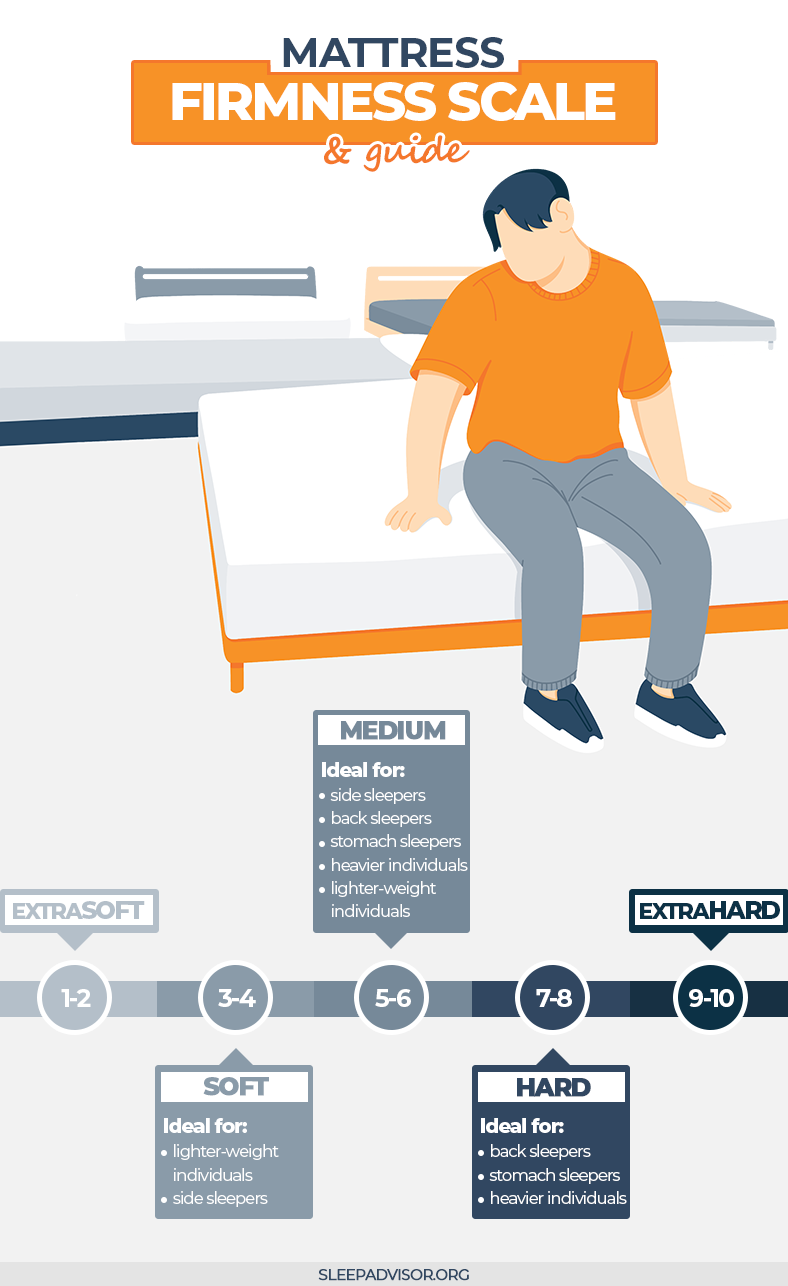
Side Sleepers: Opt for plush to medium (3-6 on 10-point scale) that allows shoulder and hip depression while maintaining spinal alignment. The conforming properties of softer latex cradle pressure points without excessive sinking.
Back Sleepers: Choose medium to medium-firm (5-7) that supports natural spinal curvature while cushioning shoulders and hips. This balance prevents lower back strain while maintaining proper alignment.
Stomach Sleepers: Select firm to extra-firm (7-9) to prevent excessive hip sinking that creates spinal hyperextension. The responsive support maintains relatively flat alignment despite prone positioning.
Combination Sleepers: Pick medium-firm (6-7) that accommodates multiple positions. Latex’s immediate response to position changes eliminates the “stuck” sensation common with slower-responding memory foam.
Care Tips That Extend Your Mattress Lifespan
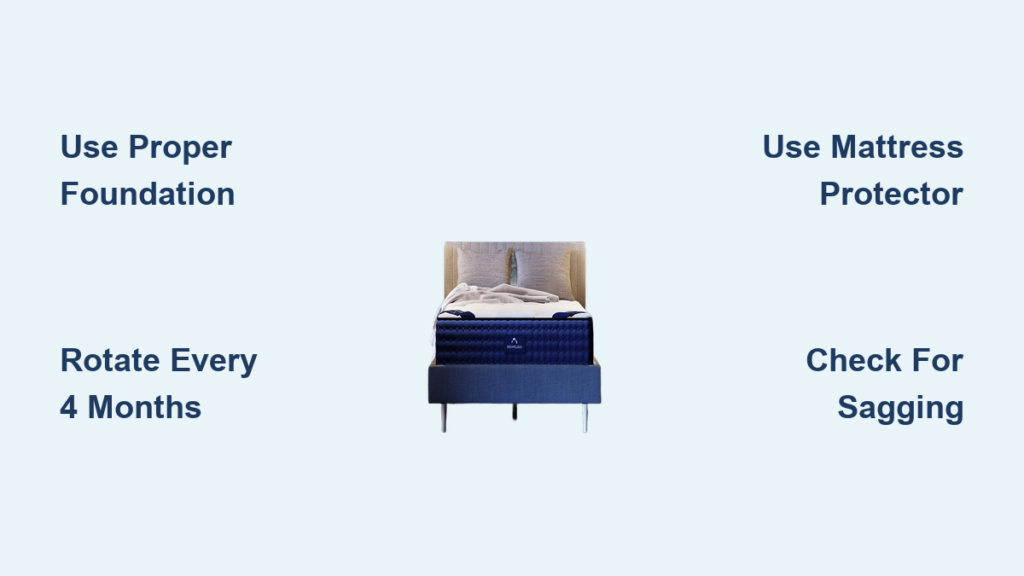
Proper maintenance ensures you receive full latex mattress benefits throughout its exceptional lifespan:
- Rotate monthly for the first six months, then quarterly thereafter to distribute wear evenly
- Use a breathable protector that shields against spills while maintaining temperature regulation
- Avoid direct sunlight which accelerates natural rubber deterioration through UV exposure
- Maintain bedroom temperatures between 60-75°F to prevent temporary firmness variations
Unlike memory foam that requires specific foundation types, quality latex mattresses work with most solid or slatted foundations (with slats no more than 3 inches apart). This versatility prevents voided warranties while maximizing support.
Latex mattresses deliver unparalleled sleep quality through scientifically-proven benefits that address the most common complaints about conventional bedding. From temperature regulation that prevents overheating to responsive support that maintains spinal alignment, these mattresses transform restless nights into restorative sleep. Their exceptional 15+ year lifespan delivers remarkable long-term value despite higher initial costs—making them smart investments for health-conscious consumers who prioritize quality sleep. If you’ve struggled with pain, overheating, or premature mattress wear, experiencing the difference of a quality latex mattress could be the sleep solution you’ve been searching for.