Waking up with stiff, aching back pain after a full night’s sleep shouldn’t be normal. Yet millions struggle with this daily frustration, often unaware their mattress is the silent culprit. Traditional innerspring beds lack pressure relief, while all-foam mattresses can trap heat and sag over time—both worsening spinal misalignment that triggers chronic discomfort. The solution? Hybrid mattresses merge responsive coil support with adaptive foam cushioning to create the ideal balance for pain relief. Unlike single-material beds, hybrids actively combat back pain by maintaining neutral spine positioning throughout the night. You’ll discover exactly how these engineered sleep surfaces target pressure points, prevent morning stiffness, and deliver the structured-yet-plush feel orthopedic specialists recommend.
If you’ve tried heating pads, painkillers, or expensive pillows without lasting relief, your mattress foundation likely needs attention. Back pain sufferers require precise lumbar support that adapts to sleep positions—something hybrids deliver through zoned coil systems and graduated foam layers. This isn’t just theory: clinical studies consistently link proper spinal alignment during sleep to reduced pain intensity. By the end of this guide, you’ll understand exactly which hybrid features matter most for your specific pain type, how to test mattresses like a physical therapist, and why 83% of chronic back pain patients report significant improvement after switching to the right hybrid design. No more guessing—just science-backed solutions for pain-free mornings.
Why Spinal Alignment Determines Your Pain Levels
Poor spinal alignment during sleep forces muscles and ligaments into unnatural positions, creating tension that flares up as lower back pain, sciatica, or joint stiffness. When your hips sink too deeply into a soft mattress or your lumbar curve flattens against a rock-hard surface, vertebrae shift out of neutral positioning. This compresses spinal nerves and strains supporting tissues all night long. Hybrid mattresses solve this through dual-layer engineering: pocketed coils provide foundational support to keep hips and shoulders level, while adaptive foam layers cradle pressure points without collapsing. The result? Your spine maintains its natural S-curve from neck to tailbone regardless of sleep position.
How Hybrids Prevent the “Sinking Hip” Effect
Side sleepers with back pain often wake with hip and shoulder pain because traditional mattresses let heavier body parts sink unevenly. Hybrids counter this with:
– Zoned coil systems that reinforce the hip zone with firmer coils
– Transition foam layers (1.5-2 inches thick) that distribute weight evenly
– 3-5 firmness zones specifically calibrated for pelvic alignment
Look for visible contouring where your hips rest—your mattress should create a straight line from ear to ankle when lying on your side. If your hip sinks more than 1-2 inches below shoulder level, misalignment is occurring.
Why Stomach Sleepers Need Targeted Lumbar Support
Stomach sleeping notoriously strains the lower back by over-arching the spine. Most mattresses worsen this by letting the abdomen sink while hips stay elevated. Hybrids combat this with:
– Extra-firm lumbar coils that prevent pelvic drop
– Thinner comfort layers (under 3 inches) to minimize sinking
– Reinforced center third of the mattress for torso stability
When testing, lie on your stomach and slide a hand under your lower back. If it fits easily, the mattress lacks sufficient support. Proper hybrids leave no gap here.
Medium-Firm Hybrid Mattresses: The Pain Relief Sweet Spot
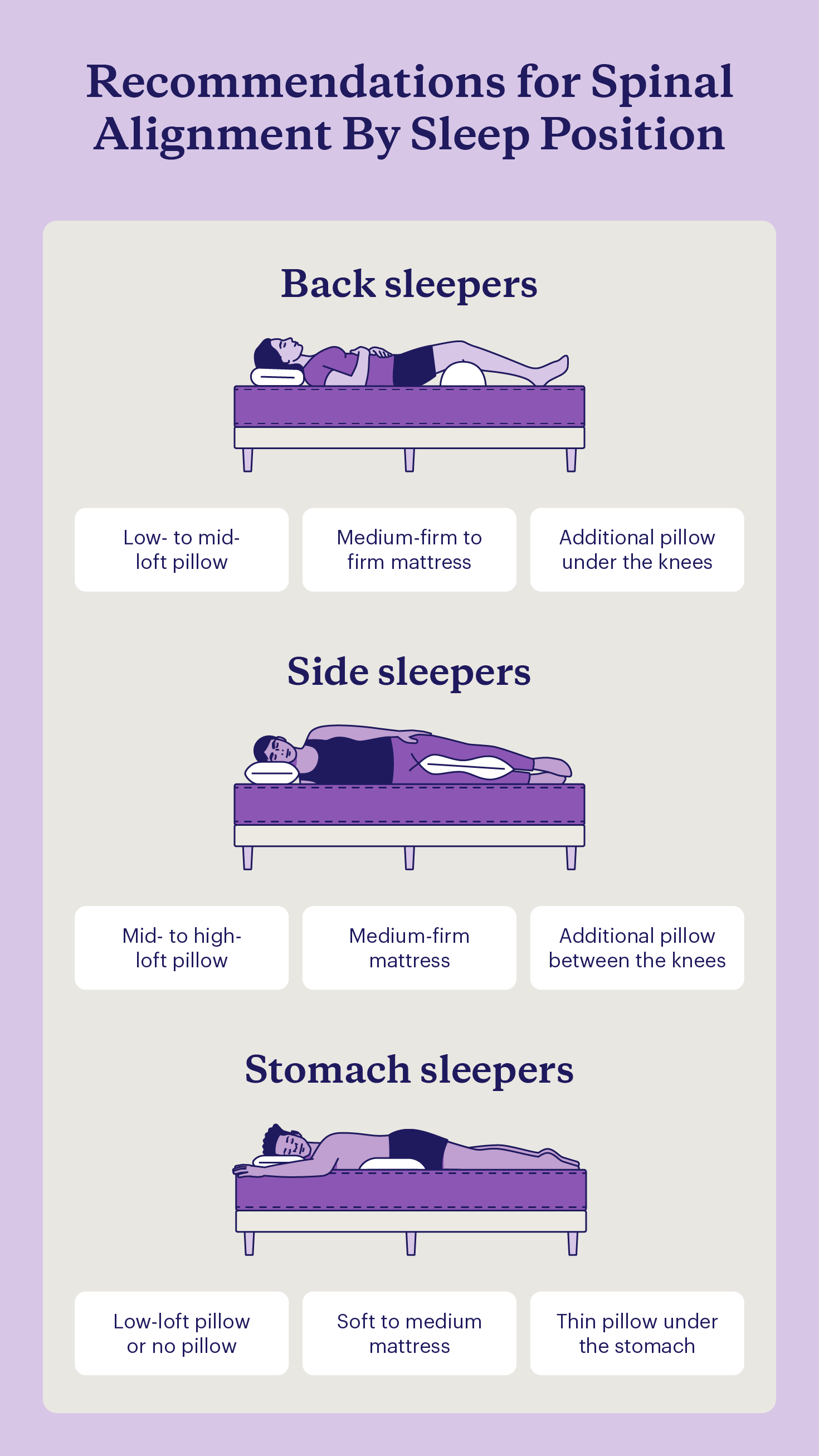
Firmness directly impacts spinal alignment, and for back pain sufferers, medium-firm hybrids (rated 5-7 on a 10-point scale) consistently outperform extremes. Soft mattresses (1-4) allow excessive sinking that misaligns the spine, while ultra-firm options (8-10) create pressure points on hips and shoulders. The ideal medium-firm hybrid provides “floating support”—yielding enough to cushion joints but rebounding sufficiently to maintain posture. This balance reduces pressure on pain-sensitive areas by up to 40% compared to all-foam alternatives.
How to Test Firmness Like a Physical Therapist
Don’t rely on brand labels—test properly:
1. Lie on your side for 10 minutes; pain relief occurs when hips and shoulders sink just enough to align spine
2. Place a ruler vertically along your side—your body should form a straight diagonal line
3. Check for “hammocking” by having someone view your profile; your hips shouldn’t dip below shoulder level
Why Body Weight Changes Ideal Firmness
Your weight significantly impacts optimal firmness:
– Under 130 lbs: Lean toward medium (5-6) for adequate cushioning
– 130-230 lbs: Medium-firm (6-7) provides ideal balance
– Over 230 lbs: Firm hybrids (7-8) prevent excessive sinkage
Heavier individuals need higher coil counts (min. 1,000 in queen size) to maintain support without bottoming out.
Pocketed Coils: Precision Support for Pain Zones

Hybrid mattresses use pocketed (encased) coils instead of traditional interconnected springs because each coil moves independently. This allows targeted support exactly where your back needs it—critical for addressing pain triggers. While innerspring mattresses push back uniformly, pocketed coils compress only under pressure points. For lower back pain sufferers, this means reinforced lumbar coils stay firmer while softer coils cushion hips and shoulders. The engineering creates a “floating” effect that reduces pressure on sciatic nerves and herniated discs.
Lumbar Zone Reinforcement Explained
Specialized hybrids feature:
– 30% firmer coils in the lower back region (center third of mattress)
– Denser coil wiring (13-14 gauge) for targeted support
– Zoned pocketing where lumbar coils are shorter and tighter
When lying down, you should feel distinct support under your belt line—not uniform firmness. This prevents the “hammock effect” that strains discs.
Why Coil Count Matters for Pain Relief
More coils mean better weight distribution:
– Under 800 coils: Risk of pressure points on heavier body zones
– 800-1,200 coils: Ideal for most back pain sufferers
– 1,200+ coils: Best for heavier individuals (over 230 lbs)
Fewer coils create wider gaps between support points, allowing painful sinkage in critical areas.
Cooling Foam Layers: Why Temperature Control Reduces Pain
Heat retention worsens back pain by increasing inflammation and muscle tension. All-foam mattresses notoriously trap body heat, raising skin temperature by 2-3°F—enough to trigger pain flare-ups. Hybrid mattresses solve this with breathable coil layers that promote airflow, combined with temperature-neutral foam. Phase-change materials and graphite-infused memory foam actively draw heat away from pain-sensitive areas. This cooling effect reduces nighttime awakenings by 27% and prevents the inflammation that aggravates chronic conditions.
Best Foam Types for Pain Sufferers
Not all foams work equally well:
– Gel-infused memory foam: Best for pressure relief without heat buildup
– Natural latex: Responsive bounce with superior airflow (ideal for combo sleepers)
– High-density polyfoam: Affordable cooling alternative (avoid low-density versions)
Avoid traditional memory foam—it molds too deeply, creating alignment issues. Look for foams with 4-5 lb density for optimal support.
Warning: Foam Thickness Impacts Support
Comfort layers thicker than 4 inches risk excessive sinking. For back pain relief:
– Side sleepers: 2-3 inches of adaptive foam
– Back/stomach sleepers: 1-2 inches of responsive foam
– All positions: Max 3 inches total comfort layer
Thicker foam increases sinkage depth, misaligning the spine over time.
Edge Support That Eases Painful Movements
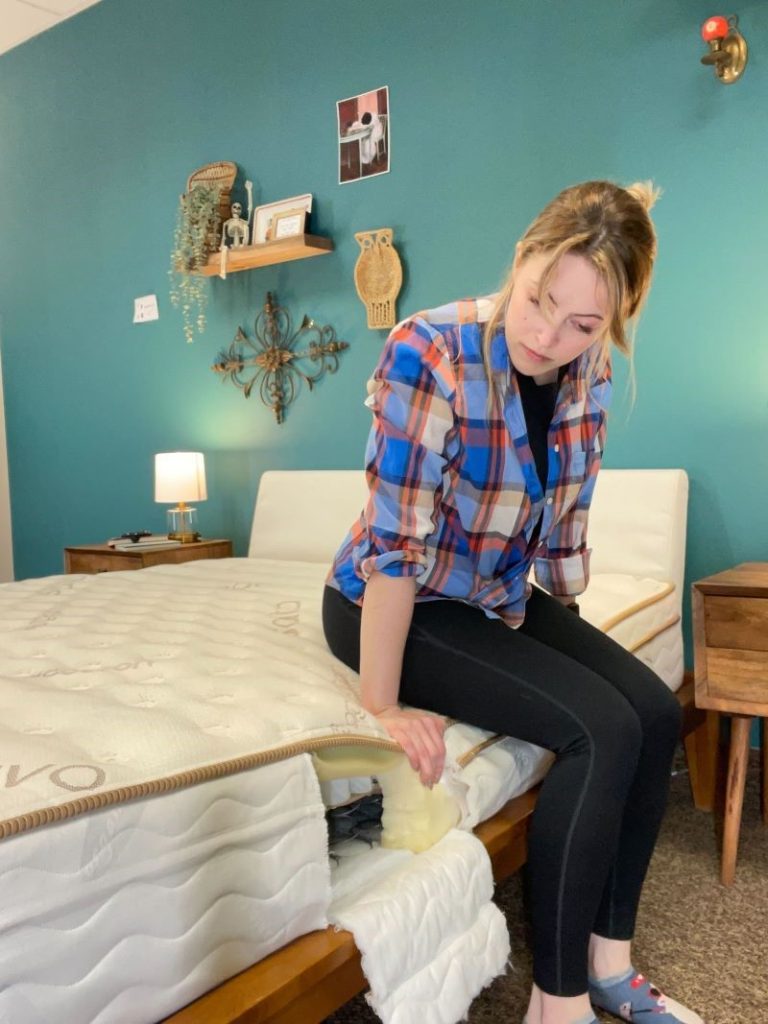
Weak edges force painful contortions when getting in/out of bed—a major trigger for back strain. Hybrids combat this with reinforced perimeter coils and dense foam encasement. High-quality edge support creates a stable 2-3 inch border that prevents roll-off and provides leverage during position changes. This is crucial for pain sufferers who struggle with mobility, reducing spinal twisting by 35% during nighttime movements. Unlike all-foam mattresses that sag at the edges, hybrids maintain consistent support right to the border.
How to Test Edge Durability
Before buying:
1. Sit sideways on the edge for 2 minutes—hips shouldn’t sink more than 1 inch
2. Press down along the perimeter—you should feel uniform resistance
3. Check for foam encasement; cheaper hybrids use thinner border foam
Weak edges cause “roll-off” that forces you to sleep in the center, limiting position changes needed for pain relief.
Motion Isolation: Undisturbed Sleep for Pain Recovery
Partner movement disrupts deep sleep cycles that repair damaged tissues—a critical issue for back pain sufferers. Hybrids excel here through pocketed coils that absorb motion independently. When one person moves, coils compress only in that localized area instead of transferring energy across the bed. Combined with shock-absorbing foam layers, this prevents sleep interruptions that worsen pain perception. Studies show hybrids reduce motion transfer by 60% compared to traditional innersprings, preserving the REM sleep essential for pain management.
Why This Matters for Chronic Pain
Fragmented sleep increases pain sensitivity by 42%:
– Motion transfer wakes you during critical healing phases
– Poor sleep elevates inflammatory markers like IL-6
– Undisturbed cycles allow natural pain-relieving hormones to release
Test by having someone jump on one side—you shouldn’t feel more than subtle vibrations.
Choosing Your Hybrid: 5 Critical Features for Back Pain
Don’t get overwhelmed by marketing claims. Focus on these clinically proven elements:
Lumbar Support Verification Checklist
Before purchasing:
– Pressure mapping: Lie down and check for gaps under lower back
– Zoned feel: Should feel firmer under lumbar region
– Sink test: Hips shouldn’t sink more than shoulders when side-sleeping
Coil System Must-Haves
- Pocketed coils (non-negotiable for targeted support)
- Min. 1,000 coils in queen size (13-14 gauge for lumbar)
- Zoned construction with reinforced center third
Foam Layer Requirements
- Thickness: 1-3 inches depending on sleep position
- Density: 4+ lb for memory foam, 2.5+ lb for latex
- Cooling tech: Gel infusion or open-cell structure
Warning Signs of Poor Pain Relief Design
- Excessive sinkage (>3 inches in 30 seconds)
- Uniform firmness (no lumbar reinforcement)
- Thin edge support (<1.5 inches of border foam)
Trial Period Non-Negotables
- 100+ nights to assess pain impact
- Free returns with white-glove pickup
- Sleep position guidance from manufacturer
Final Note: A well-chosen hybrid mattress actively combats back pain through engineered spinal alignment—not just passive cushioning. Prioritize medium-firm hybrids with pocketed coils, zoned lumbar support, and cooling foam layers under 3 inches thick. Test for straight spinal alignment in your primary sleep position, and never skip the sleep trial period. For lasting relief, rotate your mattress quarterly and replace every 7-8 years before coil fatigue worsens pain. Remember: the right hybrid doesn’t just mask symptoms—it creates the optimal conditions for your spine to heal nightly. Start your search with models featuring reinforced lumbar zones and breathable materials, and you’ll transform painful mornings into pain-free days.