Your Tempur-Pedic mattress protector is designed to shield your investment from spills, allergens, and everyday wear—but keeping it clean requires knowing exactly what it can (and cannot) tolerate. Improper washing can destroy the waterproof membrane, degrade the soft fabric surface, or cause the elastic edges to deteriorate, leaving your expensive mattress vulnerable to damage. This guide walks you through the correct washing, drying, and maintenance steps to keep your protector performing like new for years to come.
Washing a Tempur-Pedic mattress protector correctly isn’t complicated, but the details matter more than you might expect. The same features that make this protector effective—its waterproof barrier, specialized fabrics, and stretch-fit construction—also make it vulnerable to damage from high heat, harsh chemicals, and aggressive agitation. By following the proper techniques outlined here, you’ll preserve both the protective function and the comfort layer that makes your bedding feel premium.
Locate and Follow Your Specific Care Label Instructions
Before you even think about loading your washer, locate the care label sewn onto your Tempur-Pedic mattress protector. Different models have varying care requirements, and following the exact instructions for your specific protector prevents accidental damage. Most Tempur-Pedic protectors feature a polyurethane waterproof backing bonded to a cotton or polyester-blend surface fabric, but the precise care instructions can vary between models.
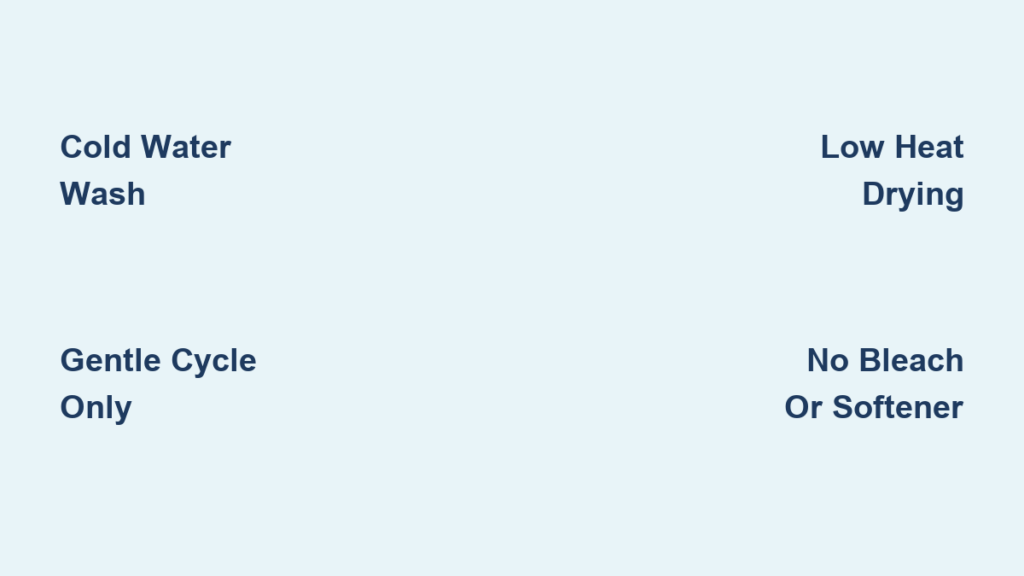
If you can’t find or read the care label, assume conservative treatment: cold water wash, gentle cycle, and low-heat drying. It’s far better to under-treat your protector than to accidentally apply heat or agitation that could cause permanent damage. Never guess when it comes to washing specialty bedding—when in doubt, contact Tempur-Pedic customer service with your model number for precise guidance.
What to Do When Your Care Label Is Missing or Unreadable
When the care label has worn off or become illegible, treat your protector as if it contains temperature-sensitive materials. Start with the coldest water setting available and the most delicate cycle. Tempur-Pedic protectors generally shouldn’t exceed 105°F during washing, as higher temperatures can weaken the waterproof membrane’s adhesion. If you notice any bubbling, peeling, or stiffness after washing, you’ve likely exposed it to excessive heat—switch to even cooler settings for future washes.
Set Your Washer to Cold Water and Gentle Cycle
:max_bytes(150000):strip_icc()/how-to-select-the-correct-cycle-2145866_FINAL-10d1b95640284e0a8d01d4523455c7ee-25c018a4c0304212a13315b7ab181e33.png)
Tempur-Pedic specifically recommends washing their mattress protectors in cold to warm water (30-40°C or 85-105°F). Hot water above 105°F poses serious risks: it can weaken the waterproof membrane’s adhesion, cause uneven fabric shrinkage, and accelerate wear on the elastic binding around the edges. Cold water effectively cleans common soils like body oils, sweat, and light spills while protecting the technical components that make your protector valuable.
Select the gentle or delicate cycle on your washing machine and use the slowest spin speed available. This reduces agitation time and intensity, preventing stress on the waterproof lining and reducing the risk of the protector getting tangled during the wash. If your machine has a “bedding” or “bulky” setting, this often works well for mattress protectors since it’s designed for large, absorbent items that need careful treatment.
Why Hot Water Ruins Mattress Protector Waterproofing
The waterproof membrane in Tempur-Pedic protectors typically contains polyurethane or similar materials that begin to degrade at temperatures above 120°F. When exposed to hot water repeatedly, the adhesive bonding the waterproof layer to the fabric breaks down, creating microscopic cracks that allow moisture to seep through. You might not notice this damage immediately, but over time your protector will lose its primary function—keeping liquids away from your expensive mattress.
Use Only Mild Liquid Detergent Without Additives

Choose a mild, liquid detergent without bleach, enzymes, or brightening additives for washing your Tempur-Pedic mattress protector. Powder detergents can leave residue trapped in the fabric layers, while bleach—whether chlorine-based or oxygen—will degrade the waterproof coating and cause the fabric to become brittle over time. Fabric softeners and dryer sheets should be avoided completely, as they leave a waxy residue that reduces breathability and can clog the waterproof membrane.
For spot treatment of stains, apply a small amount of diluted liquid detergent directly to the affected area and wait 5-10 minutes before washing. Never scrub aggressively or use a stiff brush, as this can push the stain deeper and damage the fabric surface. For stubborn stains, a solution of white vinegar and water (1:1 ratio) applied sparingly can help break down buildup without introducing harsh chemicals.
Best Detergent Brands for Tempur-Pedic Protectors
Look for detergents specifically labeled as “free and clear” or “hypoallergenic,” which typically contain fewer additives that could damage your protector. Seventh Generation Free & Clear, Tide Free & Gentle, and All Free Clear are generally safe options that won’t compromise the waterproof membrane. Always measure detergent carefully—using too much creates more residue that can build up in the protector’s layers over time.
Dry Your Protector on Low Heat or Air Dry Completely
Never use high heat when drying your Tempur-Pedic mattress protector—this is the most common cause of premature failure. High heat causes the adhesive bonding the waterproof layer to break down, creates cracks in the polyurethane barrier, and shrinks the elastic edges until they no longer fit your mattress securely. Always use low heat or no-heat settings, and remove the protector while it’s still slightly damp rather than letting it go through a complete dry cycle.
If your dryer has an “air fluff” or “tumble dry no heat” option, this is ideal for mattress protectors. Otherwise, set the temperature to the lowest possible heat setting and check the protector every 15-20 minutes during the drying cycle. The goal is to reduce moisture to a point where the protector can finish air-drying completely within a few hours—leaving it damp for too long can promote mold or mildew growth in the layered construction.
Air Drying for Maximum Protector Longevity
For optimal longevity, air dry your Tempur-Pedic mattress protector whenever possible. Hang it flat or drape it over a clothesline in a well-ventilated area, ensuring both sides receive airflow. This method introduces zero heat stress, completely preserves the waterproof membrane, and prevents the elastic from weakening over time. The trade-off is longer drying time—typically 4-8 hours depending on humidity and thickness.
If you must use mechanical drying, take extra precautions to prevent the protector from getting caught or bunched, which can create uneven wear spots. Adding a few clean tennis balls or dryer balls to the dryer can help fluff the protector and reduce drying time, but only use this approach on the lowest heat setting. Never iron your mattress protector, as direct heat will permanently damage the waterproof coating and likely melt the synthetic fibers.
Establish the Right Washing Frequency Schedule
Most sleep experts and Tempur-Pedic recommendations suggest washing your mattress protector every 1-2 months under normal conditions. If you have pets that sleep in bed, allergies, young children, or live in a humid climate, you may need to wash it monthly or even more frequently. Conversely, if you use a top sheet, don’t share the bed with pets or children, and have no allergy concerns, quarterly washing may suffice.
Watch for signs that your protector needs more frequent cleaning: visible staining, increased allergy symptoms in the morning, any musty or stale odors when you strip the bed, or a noticeable change in the fabric’s feel. Sticking to a regular schedule prevents deep-set stains and keeps the protector’s moisture-wicking and protective properties functioning correctly. Over-washing, however, can accelerate wear, so balance cleanliness with preservation.
Handle Spills and Stains Immediately and Properly
When accidents happen, act within minutes to prevent permanent damage. For fresh spills, blot (never rub) the affected area with a clean, absorbent cloth to soak up as much liquid as possible before applying any cleaning solution. If the spill is significant, remove the protector from the bed immediately and treat the entire garment rather than attempting spot-cleaning, as the liquid likely penetrated through to the waterproof layer.
For protein-based stains like blood, sweat, or body oils, cold water is essential—hot water will set these stains permanently. For other types of spills, a mild dish soap solution usually works well. Apply it gently, allow it to sit for 10-15 minutes, then rinse thoroughly with cold water before putting the protector through a complete wash cycle. Avoid harsh stain removers, hydrogen peroxide, or any products containing bleach, as these will damage both the fabric and the waterproof membrane.
Avoid These Five Common Washing Mistakes
Several well-intentioned cleaning habits can destroy a Tempur-Pedic mattress protector. Never use bleach of any kind, as it breaks down the polyurethane waterproof layer and can cause yellowing or deterioration of the fabric fibers. Avoid fabric softeners and dryer sheets, which leave a residue that reduces the protector’s breathability and can clog the waterproof membrane over time. Skip the dry cleaning process entirely, as the chemicals used are too harsh for the delicate laminated construction.
Another common mistake is washing the protector with other heavy items like towels or jeans, which creates excessive agitation and prevents thorough cleaning. Wash your mattress protector separately or with only light, similar-colored items. Similarly, resist the urge to “freshen up” a slightly musty protector by adding extra detergent or running a second wash cycle—this overexposure to chemicals and agitation causes more harm than good.
Store Your Protector Correctly During Off-Seasons
If you need to store your Tempur-Pedic mattress protector temporarily—perhaps you’re rotating seasonal bedding or need to remove it temporarily—clean it thoroughly first and ensure it’s completely dry before folding. Moisture trapped in the layered construction during storage promotes mold, mildew, and unpleasant odors that are difficult to remove later. Store in a cool, dry location away from direct sunlight, which can cause fading and fiber degradation over time.
Avoid compressing the protector tightly or storing it in airtight plastic bags for extended periods, as this can damage the elastic and create permanent creases in the waterproof membrane. A breathable cotton storage bag or simply folding it loosely and placing it on a shelf works well. If you’ll be storing it for several months, consider adding a silica gel packet or two to absorb any ambient moisture that might accumulate.
Recognize When It’s Time for a Replacement

Even with perfect care, mattress protectors don’t last forever. Inspect your protector regularly for signs of deterioration: thinning fabric, visible wear holes, any area where the waterproof layer is cracked or flaking, reduced stretch in the elastic corners, or persistent odors that return shortly after washing. These indicate that the protective function has been compromised and your mattress is no longer adequately shielded.
Most mattress protectors, including Tempur-Pedic models, should be replaced every 3-5 years with regular use and proper care. If you’ve owned yours longer than this, or if you notice any of the warning signs above, budget for a replacement soon. The relatively small investment in a new protector is minimal compared to the cost of replacing a stained or damaged Tempur-Pedic mattress.
Taking a few extra minutes to care for your Tempur-Pedic mattress protector correctly pays dividends in extended product life, consistent sleep comfort, and continued protection for your significant mattress investment. The slight inconvenience of checking settings and avoiding shortcuts is negligible compared to the cost and hassle of premature replacement. By following these precise washing guidelines, you’ll maintain optimal performance from both your protector and the premium mattress it safeguards.