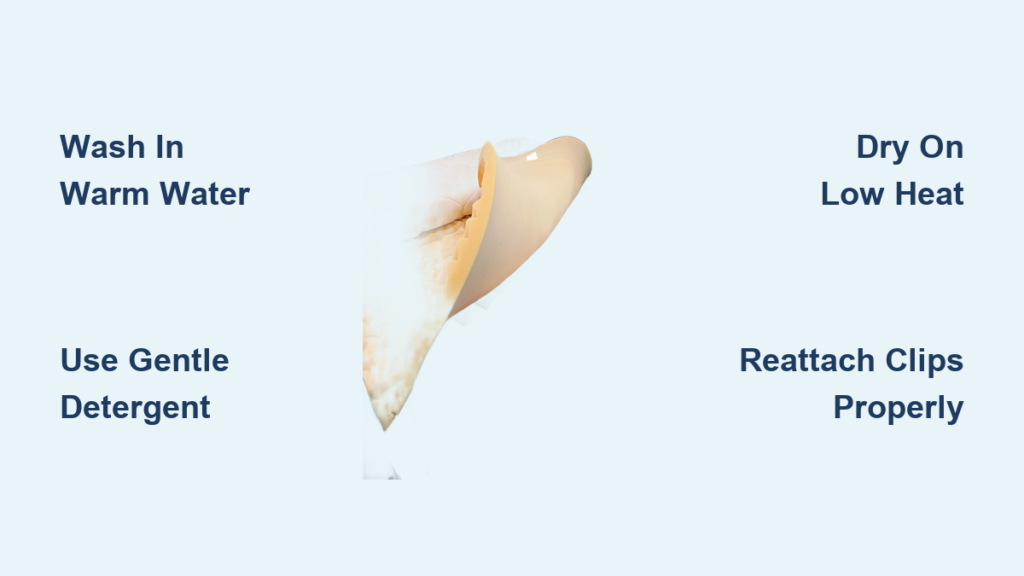
Your Sleep Number mattress delivers personalized comfort night after night, but the cover that protects your investment requires regular attention to maintain hygiene and performance. Over time, body oils, sweat, dead skin cells, and allergens accumulate in the fabric, creating an environment that can affect both your sleep quality and the mattress longevity. Understanding how to properly wash Sleep Number mattress cover not only keeps your bed fresh and clean but also protects the underlying components that make your Sleep Number Adjustable firmness system work effectively. This comprehensive guide walks you through every step of the process, from initial removal through reinstallation, ensuring your mattress cover receives the care it deserves without risking damage to the fabric or internal components.
The washing process may seem straightforward, but Sleep Number covers feature specialized construction with securing clips, elastic components, and model-specific designs that require careful handling. Using incorrect water temperatures, harsh detergents, or improper drying techniques can cause shrinkage, damage elastic bands, or void your warranty coverage. By following the detailed procedures outlined below, you can confidently clean your cover at home while preserving its fit, fabric integrity, and any performance treatments that enhance your sleep experience.
Gather Essential Supplies Before Starting
Before you begin the cleaning process, assembling the right materials prevents mid-project trips and ensures smooth execution. You’ll need a Phillips head screwdriver to remove the plastic securing clips that hold your cover in place, along with a laundry basket or clean surface where you can place the removed cover without transferring dirt back to the mattress. Select a mild, fragrance-free liquid detergent—harsh chemicals break down synthetic fibers and can strip away antimicrobial treatments that keep your cover fresh between washings. If your cover has specific stains or problem areas, having an enzyme-based cleaner ready for pre-treatment improves your chances of complete removal.
Consider having a backup mattress protector available if you need to use the bed while the cover dries, since the complete cleaning and drying process can take several hours depending on your method. A clean, white cloth for blotting stains and a soft-bristled brush for pre-treatment application round out your supply kit. Front-loading washing machines provide gentler cleaning action for mattress covers, but top-loading machines work adequately when set to gentle cycles with reduced agitation.
Check Care Label Instructions for Your Specific Model
Every Sleep Number mattress cover includes a care label sewn into the fabric, typically located along the bottom edge or inside corner where it’s visible during installation. This label contains critical information specific to your cover’s fabric composition and manufacturer-tested cleaning methods that you should follow rather than relying on general guidelines. Look for symbols indicating machine washability, recommended water temperature settings, and any special drying instructions that apply to your particular cover.
Some newer Sleep Number covers feature antimicrobial treatments, moisture-wicking performance fabrics, or stain-resistant technologies that require specific care to maintain their properties. Ignoring these instructions and using hot water, bleach, or high-heat drying can degrade these treatments and shorten your cover’s effective lifespan. Take a moment to photograph the care label or memorize the key instructions before beginning the removal process, ensuring you can reference the proper settings throughout the cleaning cycle.
Power Down and Disconnect Air Systems Before Removal
For Sleep Number mattresses with adjustable firmness settings—essentially all models except the most basic c2 variant—turn off the mattress and disconnect the air chamber system from the pump before attempting cover removal. Locate where the air hoses connect to the pump assembly, typically positioned at the head or foot of your bed depending on your specific model. Carefully disconnect each hose connection, noting their routing and positions so you can restore them correctly during reinstallation.
Some models feature quick-release connections that simply pull apart, while others require twisting motions before disconnection. Never attempt to remove the cover while the air system remains connected, as this creates unnecessary tension on the internal components and makes reinstallation significantly more difficult. Taking a photograph of the hose configuration before disconnection provides a visual reference that prevents confusion during the reconnection process.
Remove Securing Clips Systematically to Avoid Damage

Sleep Number mattress covers attach to the mattress foundation through a series of plastic clips positioned along the perimeter, with particular concentration at corners and along sides where movement stress is highest. Using your Phillips head screwdriver, carefully pry open or unscrew each clip, working methodically around the mattress to ensure complete release before attempting cover removal. Some clips require gentle upward pressure while others need to be unscrewed entirely, depending on your mattress model’s design.
Keep track of how many clips you remove and their original positions, as proper reinstallation requires returning each clip to its correct location to maintain even tension across the cover. Working systematically from one corner to the next prevents the frustration of missing clips that become apparent only after you’ve attempted reinstallation. Place removed clips in a container or on a clean surface where they won’t roll away or get lost during the cleaning process.
Prepare Washing Machine Properly for Mattress Cover
Ensure your washing machine is clean and free of residue from previous loads that could transfer to your mattress cover during cleaning. Run a brief rinse cycle with hot water and no detergent if your machine shows any signs of residue buildup or if you haven’t used it recently. Place the Sleep Number cover in the washing machine alone or with only a few similar lightweight items, allowing adequate space for thorough cleaning and rinsing rather than cramming it in with heavy towels or jeans that cause uneven weight distribution.
Front-loading washers are generally preferred for mattress covers due to their gentler tumbling action, but top-loading machines work adequately when set to gentle or delicate cycles with reduced agitation speeds. Avoid overloading the machine, as crowded conditions prevent proper cleaning action and make it difficult for water and detergent to circulate through the thick fabric effectively. The cover needs room to move freely during both wash and rinse cycles for optimal results.
Select Appropriate Water Temperature for Fabric Safety
Sleep Number recommends washing mattress covers in warm water between 105°F and 120°F (40°C to 49°C), though you should always verify your specific cover’s care label for any model-specific requirements. Warm water effectively removes body oils, sweat residue, and biological stains that cold water would leave behind, while remaining cool enough to prevent fabric shrinkage or damage to elastic components and any specialized treatments.
Avoid using hot water above 130°F (54°C), as high temperatures can cause significant shrinkage, warp elastic bands, and degrade flame-retardant or antimicrobial treatments that extend cover life. Some performance fabric covers may specify cold water washing only, particularly those with moisture-wicking technologies or temperature regulation properties that heat can damage. When in doubt, err on the side of cooler temperatures—slightly cooler water still cleans effectively while posing minimal risk to fabric integrity.
Choose Gentle Detergent and Proper Amount for Effective Cleaning
Select a mild, liquid laundry detergent free from harsh chemicals, bleach, optical brighteners, and heavy fragrances that could irritate skin or degrade fabric treatments over time. Harsh detergents break down synthetic fibers, reduce the effectiveness of antimicrobial treatments, and leave residue that actually attracts dirt more quickly, creating a cycle of increasing soil buildup. Use approximately half the amount of detergent you would normally use for a regular laundry load, as excess detergent is difficult to rinse completely from thick mattress covers.
Consider using detergents specifically formulated for sensitive skin or performance fabrics if anyone in your household has allergies or if your cover features specialized treatments that require gentler cleaning agents. Avoid fabric softeners and dryer sheets during the entire cleaning process, as these products coat fabric fibers and can compromise moisture-wicking properties, stain resistance, and overall breathability. A second rinse cycle can help ensure all detergent residue washes away completely.
Dry Cover on Low Heat or Air Dry to Preserve Elasticity

Sleep Number mattress covers can typically be dried in a household dryer on a low heat setting, but air drying provides the best results for maximizing fabric lifespan and preventing heat damage. Select the lowest heat setting available, usually labeled as “low,” “delicate,” or “tumble dry low,” as high heat causes shrinkage, damages elastic components, and degrades fabric treatments over time. A typical drying cycle takes 30-60 minutes depending on fabric thickness and dryer efficiency.
Remove the cover while it remains slightly damp rather than completely dry, as this makes reinstallation easier and prevents over-drying that can make fabric brittle. For air drying, lay the cover flat or hang it in a well-ventilated area away from direct sunlight, which can cause fading and UV damage to the fabric fibers. If hanging, use a clothesline or drying rack and ensure both sides receive adequate air circulation for even drying throughout the fabric thickness.
Reattach Securing Clips Properly for Snug Fit
Working systematically around the mattress perimeter, reattach each securing clip in its original position to ensure even tension distribution across the cover. Press each clip firmly until you hear or feel it click into place, verifying that the fabric is properly captured and secured without bunching or distortion. Start with corner clips before moving to side clips, adjusting cover tension as needed to maintain even positioning across all sides.
Ensure clips are fully engaged but not over-tightened to the point of tearing fabric or distorting the cover shape, which can cause premature wear or uncomfortable pressure points during sleep. Double-check all clips after initial attachment, as missed clips cause cover shifting during use and can create bumps or uneven surfaces that affect comfort. This systematic approach ensures your cover stays securely in place through years of use.
Follow Recommended Cleaning Schedule for Longevity
Sleep Number recommends washing mattress covers every 2-3 months under normal use conditions, though households with allergies, children, pets, or heavy sleepers may need more frequent cleaning. Regular vacuuming of the cover surface between washes reduces dust, dead skin cell, and allergen buildup, extending the time between full washes. Spot cleaning should occur immediately upon noticing any spills, stains, or soiling to prevent permanent damage.
Establishing a routine cleaning schedule—perhaps quarterly with seasonal changes—makes maintenance consistent and prevents the buildup that makes cleaning more difficult. Some owners mark their calendars or set reminders to ensure they don’t go too long between cleanings, while others associate cover washing with other regular household tasks to make the process more memorable.
Extend Cover Lifespan Through Proactive Care Strategies
Maximizing your Sleep Number mattress cover lifespan involves proactive care strategies beyond regular washing. Using a mattress pad or protector between your sheets and the cover adds a layer of protection against direct contact with body oils, sweat, and spills, reducing washing frequency significantly. Rotating the mattress periodically distributes wear more evenly across the cover surface, preventing localized deterioration in frequently-used areas.
Avoid eating or drinking in bed to dramatically reduce spill and stain risks, and keep pets off the bed or use washable pet blankets to prevent claw damage and dander accumulation. These simple practices can extend cover life from the typical 3-5 years to potentially 7-10 years with excellent care, making the modest investment in protective measures well worth the effort.
Quick Care Reference Summary for Busy Owners
Following proper care procedures ensures your Sleep Number mattress cover remains fresh, hygienic, and functional throughout its lifespan. Wash in warm water (105-120°F) using a gentle cycle and mild, fragrance-free detergent, avoiding bleach unless specifically approved on your care label. Dry on low heat or air dry completely before reinstallation, and clean every 2-3 months under normal conditions with immediate spot treatment for spills and stains.
Keeping your cover in good condition through appropriate cleaning practices protects both the cover itself and the underlying mattress components that provide your personalized comfort. When questions arise about specific care procedures, Sleep Number customer service provides authoritative guidance for your particular situation, ensuring you don’t inadvertently void warranty coverage through improper cleaning methods.