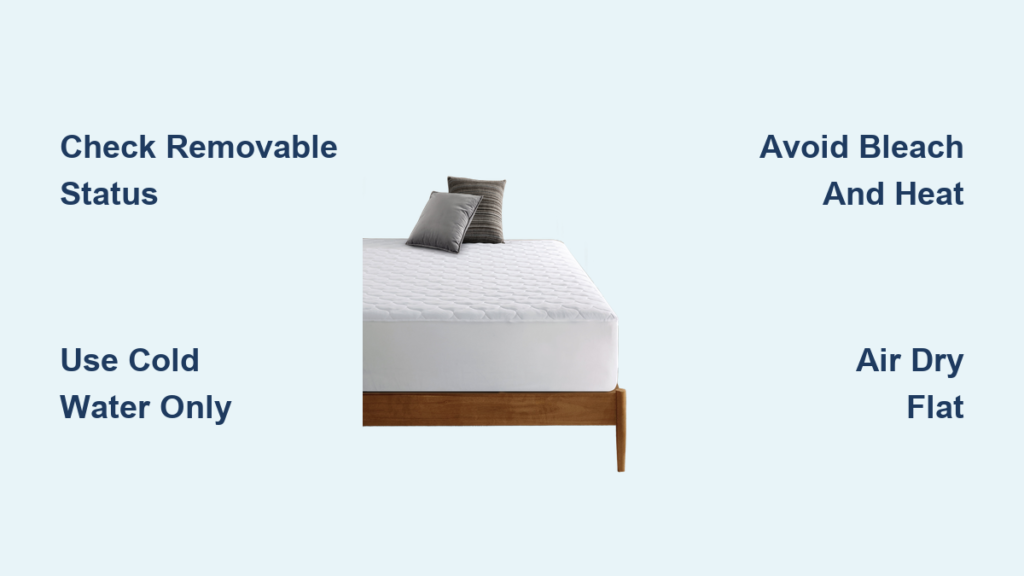
Spilled coffee on your bed? Noticed mysterious stains on your mattress cover? Or simply following a regular cleaning schedule? Knowing how to wash Serta mattress cover properly is essential for maintaining both hygiene and your mattress warranty. Most people don’t realize that improper cleaning techniques can cause irreversible damage to the fabric, shrinkage, or even void their mattress warranty. With the right approach, you can keep your sleep surface fresh without compromising the integrity of your investment. This guide delivers step-by-step instructions specifically tailored to Serta mattress covers, helping you avoid common mistakes while ensuring thorough cleaning.
Before attempting any washing technique, understand that Serta mattress covers vary significantly in design and care requirements. Some models feature fully removable zip-off covers, while others have permanently attached covers that require different cleaning approaches. The information provided here synthesizes available Serta care guidelines with practical cleaning expertise, but always prioritize the specific care tag attached to your mattress cover above any general advice.
Verify Your Cover’s Removable Status First
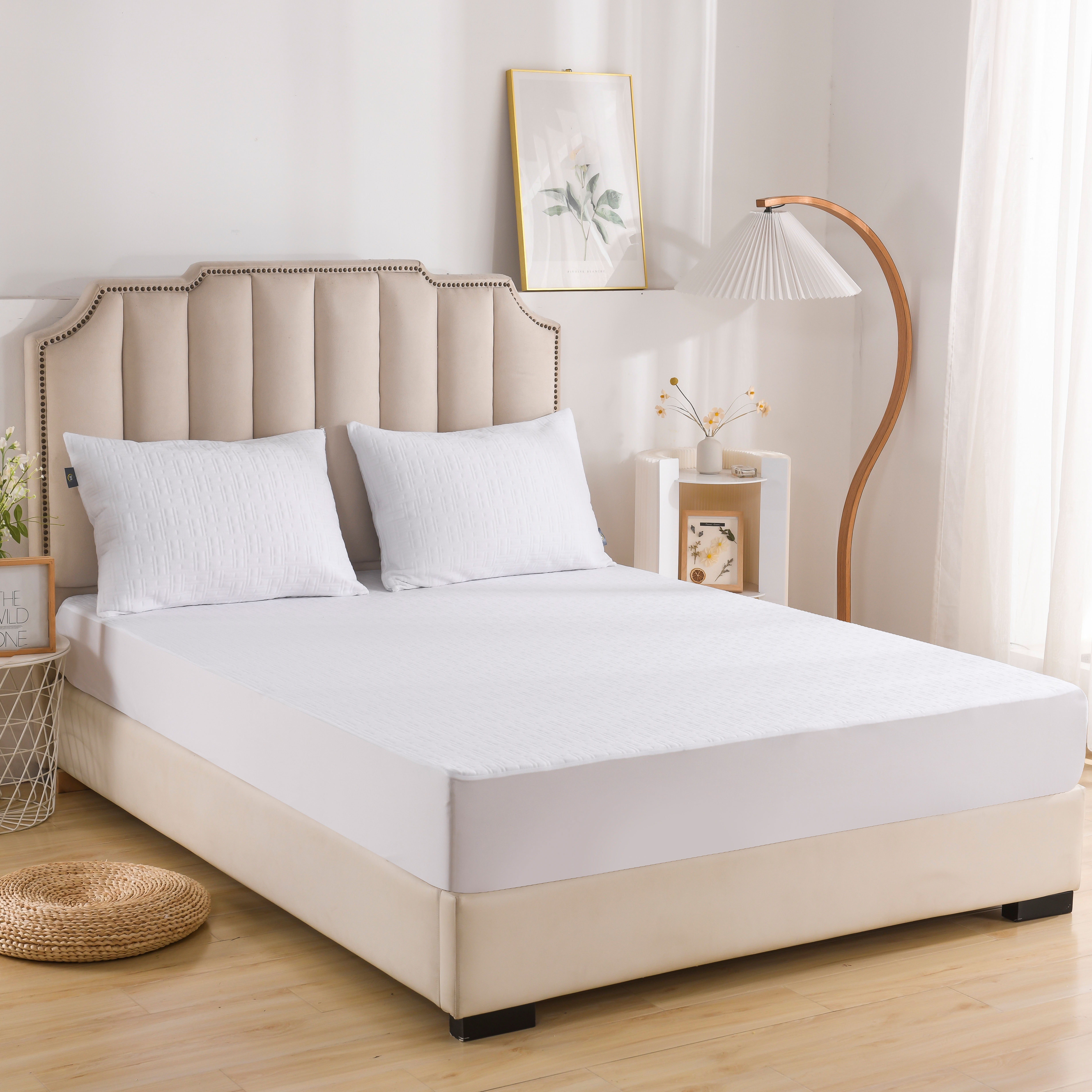
Don’t assume your Serta mattress cover can be removed for washing—this is the most common mistake homeowners make. Run your hands along all edges of the mattress to locate any hidden zippers or fastening mechanisms. Premium Serta models often feature a 360-degree zipper around the perimeter that’s easily missed if you’re not looking carefully. If you find no zipper or attachment points, your cover is permanently attached and requires different cleaning methods.
Check for manufacturer tags sewn into the side or corner of the mattress that specify “removable cover” or show washing symbols. These tags contain critical information about whether the cover can be safely removed and washed. For permanently attached covers, attempting to cut or force removal will permanently damage your mattress and void your warranty. When in doubt, contact Serta customer service with your mattress model number before proceeding.
Decipher Care Label Symbols Correctly

The care label on your Serta mattress cover uses international symbols that many homeowners misinterpret. A wash tub symbol with one dot indicates cold water washing only, while two dots means warm water is acceptable. A hand inside the tub means hand washing is required, not machine washing. A triangle symbol indicates bleach suitability—empty means no bleach, with “CL” means non-chlorine bleach only.
Pay special attention to the drying symbols: a square means line drying, a square with a circle means tumble drying, and dots inside the circle indicate heat levels (one dot = low heat). A crossed-out symbol means that method is prohibited. Many homeowners damage their covers by ignoring these symbols, particularly when it comes to heat settings. Take a photo of the label with your smartphone before washing for easy reference later.
Pre-Wash Preparation Protocol
Remove all bedding and stand the mattress vertically against a wall to access the cover fully. For zippered covers, unzip completely and carefully roll the cover down from the head to foot of the mattress, supporting the weight to prevent tearing at stress points. Never yank or pull aggressively, as this can damage zipper tracks or fabric.
Shake the cover vigorously outdoors to remove loose debris before washing—this prevents dirt from redepositing during the wash cycle. Inspect for stains and pre-treat problem areas with a paste of baking soda and cold water, working it gently into the fabric with a soft toothbrush. Let the paste sit for 10-15 minutes to break down oils before washing. Never use hot water for pre-treatment, as it sets protein-based stains like sweat permanently.
Machine Washing: Cold Water Only Method
Set your washing machine to the gentle cycle with cold water settings—never warm or hot. High temperatures cause shrinkage in the elasticized fabric that creates a snug fit over your mattress. Use half the recommended amount of mild, bleach-free detergent (approximately 1 tablespoon for standard machines), as excess soap leaves residue that attracts more dirt.
Wash the cover alone without other laundry items to prevent uneven cleaning and potential damage from zippers or buttons on other garments. The gentle cycle should last no longer than 20 minutes with minimal agitation. Never add fabric softener, as it coats fibers and reduces the cover’s moisture-wicking properties, potentially causing discomfort during sleep.
Hand Washing for Delicate Covers
For non-removable covers or those labeled “hand wash only,” fill a bathtub with cold water and 1 tablespoon of mild detergent. Submerge the cover section by section, gently pressing water through the fabric without twisting or wringing. For permanently attached covers, work in small sections, using a soft sponge to apply cleaning solution and lift dirt.
Gently massage stained areas with your fingertips for 30-60 seconds, then rinse thoroughly with clean cold water using a handheld shower attachment. Never scrub aggressively, as this damages the fabric’s protective finish. Complete rinsing is crucial—suds left in the fabric can cause stiffness and attract more dirt after drying.
Proper Drying Techniques to Prevent Damage
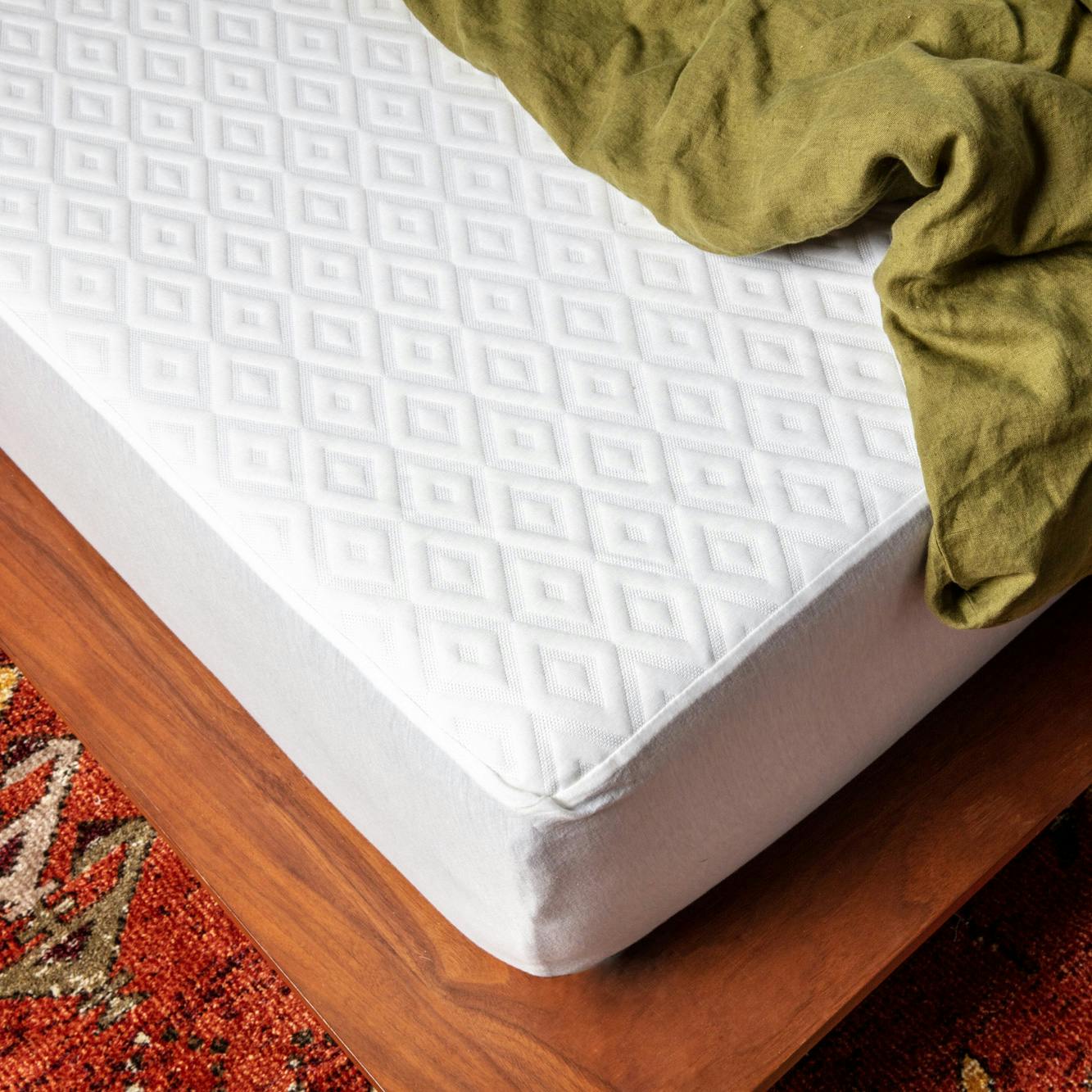
Machine drying requires the absolute lowest heat setting or air-fluff cycle only. Remove the cover every 15 minutes to shake and fluff it, preventing clumping and ensuring even drying. Total drying time should not exceed 60 minutes—over-drying causes shrinkage and damages elastic fibers. Never leave the cover in the dryer unattended.
For air drying, lay the cover flat on a clean surface away from direct sunlight, which fades colors and weakens fibers. Reshape the cover periodically as it dries to maintain proper dimensions. Never hang heavy, wet mattress covers vertically—they stretch out of shape under their own weight when saturated. Check for complete dryness by feeling the thickest seams; dampness trapped in these areas promotes mold growth.
Spot Cleaning for Non-Removable Covers
For permanently attached covers, create a paste of three parts baking soda to one part cold water. Apply directly to stains and let sit for 15 minutes to absorb oils and neutralize odors. Gently blot with a damp microfiber cloth, working from the outside edges toward the center to prevent spreading.
Never saturate non-removable covers—excess moisture can seep into the mattress foam, causing permanent damage and mold growth. After spot cleaning, increase room ventilation and use a fan to speed drying. If the stain persists after two treatments, contact Serta customer service rather than applying stronger cleaning agents that could damage the fabric.
Critical Mistakes That Ruin Mattress Covers
Chlorine bleach destroys elastic fibers in mattress covers, causing them to lose stretch and proper fit—never use it regardless of how stubborn stains appear. High heat settings during drying are equally damaging, often causing irreversible shrinkage that makes reattachment impossible. Many homeowners damage covers by washing them with heavy items like towels that create uneven wear.
Never apply cleaning solutions directly to the mattress itself—Serta explicitly warns that liquids can cause premature foam breakdown. Ironing or steaming mattress covers melts protective coatings and creates shiny spots on the fabric. Avoid wringing out excess water, as this stretches the elasticized fabric beyond recovery.
Maintenance Strategies to Reduce Washing Frequency
Install a high-quality mattress protector over your Serta cover to create a barrier against spills, sweat, and allergens. This simple step can reduce deep cleaning frequency by 75% while protecting both your cover and mattress warranty. Choose a protector with a breathable fabric top and waterproof backing for optimal performance.
Vacuum your mattress cover monthly using the upholstery attachment to remove dust mites and dead skin cells before they accumulate. Rotate the cover every three months if removable, distributing wear evenly across the surface. Never eat or drink in bed—most mattress stains occur from accidental spills during late-night snacking.
Replacement Indicators and Process
Replace your Serta mattress cover when you notice persistent yellowing that doesn’t respond to cleaning, permanent stretching that prevents a snug fit, or visible wear on the waterproof barrier layer. Most covers last 3-5 years with proper care, but heavy use or improper cleaning significantly shortens their lifespan.
Purchase replacement covers directly from Serta or authorized retailers to ensure compatibility with your specific mattress model. Measure your mattress carefully before ordering, as Serta uses different dimensions for similar-sounding models. A properly fitting replacement cover should stretch smoothly over the mattress without excessive tension or sagging.
Your Serta mattress cover serves as the first line of defense for your significant sleep investment. By following these precise washing guidelines—checking removable status, using cold water only, avoiding harsh chemicals, and employing proper drying techniques—you’ll maintain both hygiene and warranty protection. Remember that prevention through regular maintenance and protective barriers significantly reduces the need for deep cleaning. When in doubt about specific care requirements, always consult the manufacturer’s tag or contact Serta customer service with your model number rather than risking damage through guesswork. Proper care ensures your mattress cover continues protecting your sleep surface for years to come.