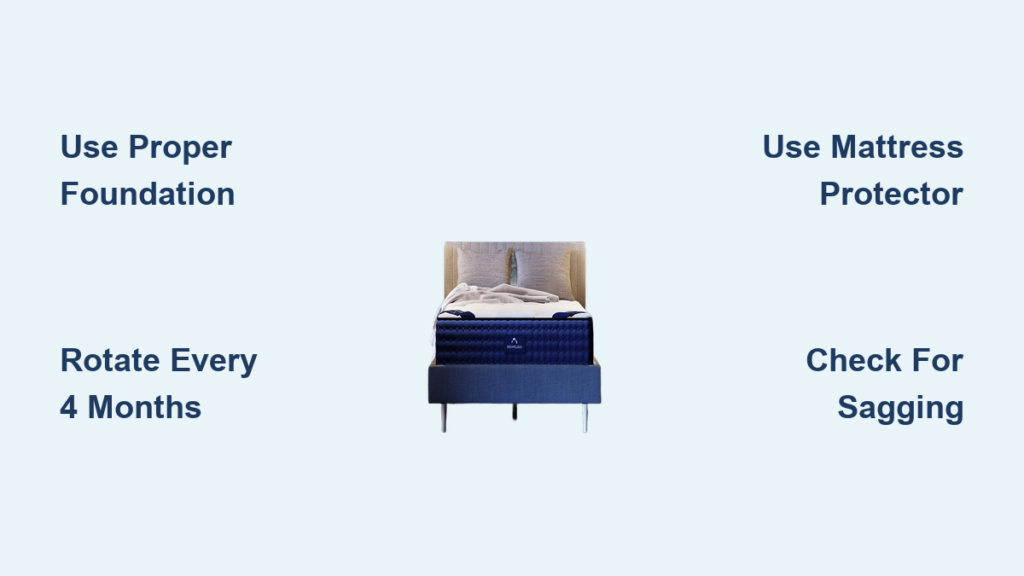
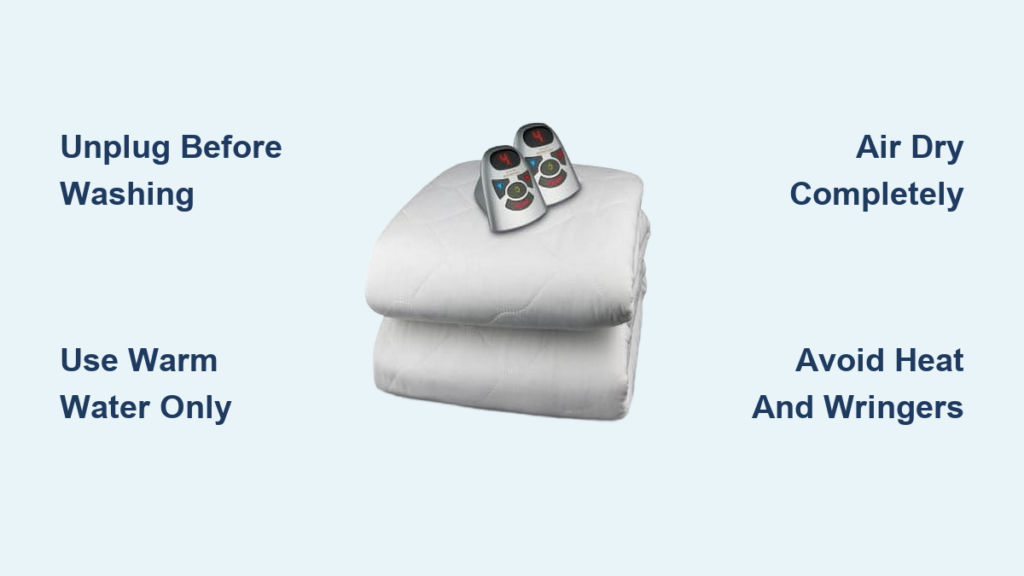
Your Biddeford heated mattress pad delivers cozy warmth throughout cold nights, but what happens when it needs cleaning? Unlike ordinary bedding, these innovative products contain delicate heating elements woven into the fabric that require special washing techniques. Many users accidentally damage their heated mattress pads by using standard laundry methods, leading to electrical malfunctions or complete product failure. Following the correct washing procedure preserves both the heating functionality and your safety while removing accumulated dirt, sweat, and allergens from the fabric.
This comprehensive guide walks you through every critical step of properly washing your Biddeford heated mattress pad. You’ll discover why standard washing methods won’t work, learn the exact water temperatures and drying times that protect internal wiring, and avoid common mistakes that could destroy your investment. Whether you choose hand washing or machine washing, these manufacturer-approved techniques ensure your heated mattress pad continues providing reliable warmth for years to come.
Disconnect Your Biddeford Mattress Pad Before Any Cleaning
Before touching your heated mattress pad for cleaning, you must completely disconnect all electrical components. Unplug the power cord from the wall outlet first, then detach the controller from the pad’s connection point. This two-step disconnection process eliminates all electrical pathways, preventing potential shocks and protecting sensitive electronics from moisture exposure.
Take 60 seconds to thoroughly inspect your mattress pad for visible damage before washing. Run your hands over the entire surface, checking for tears, burns, or frayed fabric where heating wires might be exposed. Examine the controller cord for cracks, exposed wires, or damaged connection points. If you find any damage, skip washing entirely and contact Biddeford Customer Support at 800.789.6441. Attempting to wash a damaged pad creates serious safety hazards and could worsen existing electrical issues.
Address stubborn stains before proceeding with full washing. Dampen a soft cloth with a mild detergent solution and gently blot affected areas—never scrub vigorously. This pre-treatment loosens embedded dirt without stressing the fabric or heating elements, ensuring better cleaning results during the main wash cycle.
Hand Wash Your Biddeford Heated Mattress Pad Properly
Hand washing delivers the gentlest cleaning action for your heated mattress pad while still effectively removing dirt and body oils. Fill your bathtub, large basin, or clean sink with warm water—not hot—testing the temperature with your hand to ensure it’s comfortable. Water that feels too hot to your skin can degrade wire insulation and shrink fabric fibers over time.
What Water Temperature Works Best
Use water at approximately 100°F (38°C), which feels warm but not uncomfortable to the touch. Add just one tablespoon of all-purpose detergent to the water, gently swirling to distribute soap evenly. Excessive detergent creates difficult-to-rinse residue that attracts future dirt and may interfere with heating performance.
Submerge the entire mattress pad and allow it to soak for exactly five minutes. During this time, gently press down on the pad to help soapy water penetrate all fabric layers without twisting or wringing. After soaking, drain the basin and rinse thoroughly with cool, clean water, pressing gently to remove detergent. Continue rinsing until water runs completely clear with no soap bubbles remaining.
Machine Wash Without Damaging Heating Elements
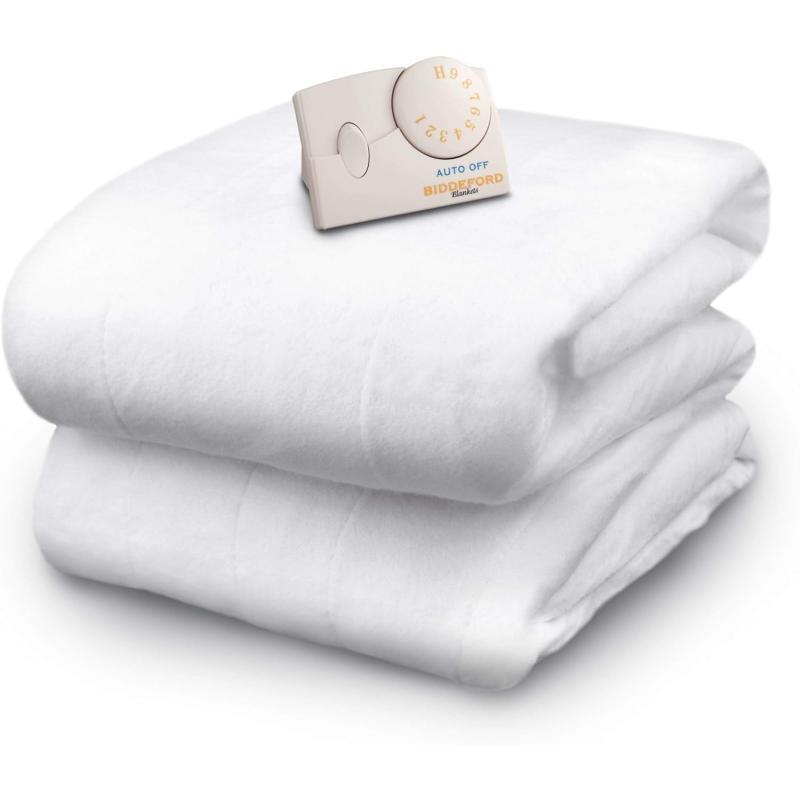
Machine washing offers convenience when hand washing isn’t practical, but requires precise settings to protect internal wiring. Select warm water only—never hot—as high temperatures accelerate wear on wire insulation and fabric. Add the minimum detergent needed (about one tablespoon) to avoid excessive suds that complicate rinsing.
Setting Up Your Washing Machine Correctly
Place your mattress pad in the machine and allow it to soak for five minutes before the agitation cycle begins. This pre-soak period loosens dirt without mechanical stress. When the cycle starts, use slow agitation and normal spin speed. The entire wash cycle should last no more than 10 minutes to minimize stress on heating elements.
After washing completes, ensure your machine performs a cool rinse cycle for approximately one minute, followed by a normal spin cycle. This final spin removes excess water while avoiding the prolonged mechanical stress of extended spin cycles that could damage internal wiring connections.
Dry Your Heated Mattress Pad Without Heat Damage
https://www.biddeford.com/collections/heated-mattress-pads/products/biddeford-heated-mattress-pad-drying-instructions
The drying phase requires equal care to washing, as excessive heat causes irreversible damage to heating elements. Place your damp mattress pad in a home dryer set to low heat only—never high heat. The manufacturer specifies a maximum drying time of five minutes in the dryer, which removes surface moisture while leaving the product slightly damp.
Complete Drying Without Electricity
After the brief machine drying period, immediately remove the mattress pad and drape it over parallel lines or a shower rail where air can circulate freely around all surfaces. The total air drying time varies based on humidity and airflow, but you must confirm the pad is completely dry before reconnecting the controller. Run your hand over multiple areas to check for residual moisture—any dampness creates electrical hazards when powered.
Never speed up drying with hair dryers, direct sunlight, or placement near heating vents. These methods can melt wire insulation, shrink fabric, or create hot spots that compromise heating functionality. Patience during air drying protects your investment and ensures safe operation.
Avoid These 4 Critical Cleaning Mistakes

Understanding what damages your heated mattress pad saves you from costly mistakes. Dry cleaning is absolutely prohibited—professional dry cleaning solvents deteriorate wire insulation, creating electrical hazards ranging from shocks to fire risks. This damage typically voids your warranty and makes the product permanently unsafe.
Never use a wringer during any cleaning stage. The compression and twisting forces can break internal wires, damage connection points, and compromise fabric structure that houses heating elements. Similarly, avoid pins during drying—they may puncture wires, creating immediate shock hazards. Ironing is strictly prohibited as the concentrated heat and pressure can melt insulation and damage fabric fibers.
Troubleshoot Post-Washing Problems
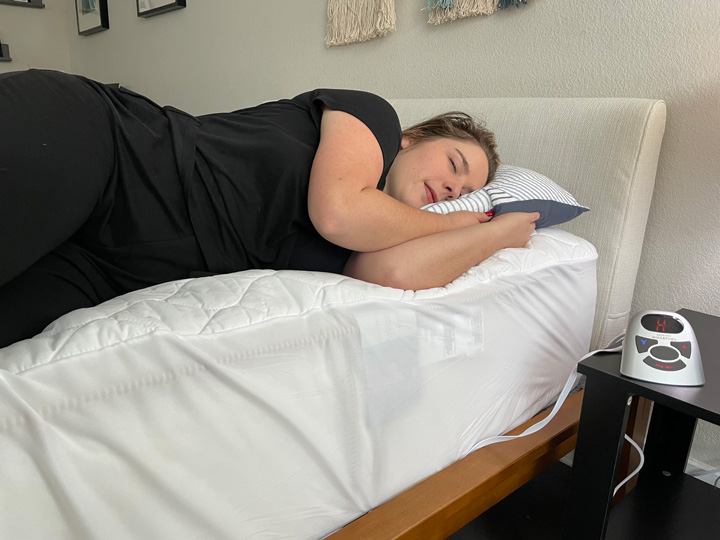
When your heated mattress pad fails to turn on after washing, begin troubleshooting by checking all physical connections. Confirm the power cord is fully plugged into both the wall outlet and controller connection point. Test the outlet with another device to verify it’s functioning. Press the ON/OFF button and watch for indicator lights to illuminate.
Diagnose No-Heat Situations Safely
If the display illuminates but you feel no warmth, perform Biddeford’s official diagnostic test: Fold the pad with at least four layers, connect the controller, plug into a working outlet, and set to highest heat. After five minutes, carefully place your hand inside the folds to detect warmth. CAUTION: This test must not exceed seven minutes and should never be repeated during normal use.
If warmth registers during testing, turn off the controller, lay the pad flat, and wait 20 minutes before normal use. If no warmth is detected, unplug immediately and contact Customer Support at 800.789.6441—do not attempt electrical repairs yourself as this voids your warranty and creates safety risks.
Create a Maintenance Schedule for Longevity
Establish a regular cleaning routine to maximize your heated mattress pad’s lifespan. Monthly cleaning typically suffices for standard use, while households with pets, children, or allergy sufferers may need bi-weekly washing. Always inspect controller, cord, and connection points before each use for signs of wear or damage.
Store your mattress pad in a cool, dry location when not in use, preferably in its original packaging or a breathable storage bag. Avoid tight folding during storage, as this stresses internal heating wires over time. Remember that heated mattress pads provide gentler, more diffuse warmth than heating pads—allow adequate time for the pad to reach your desired temperature after turning it on.
For additional assistance or product-specific questions, contact Biddeford Customer Support directly at 800.789.6441. Keep your proof of purchase and model information available when calling for faster service. By following these precise washing instructions, your Biddeford heated mattress pad will deliver safe, reliable warmth for many cold seasons to come.