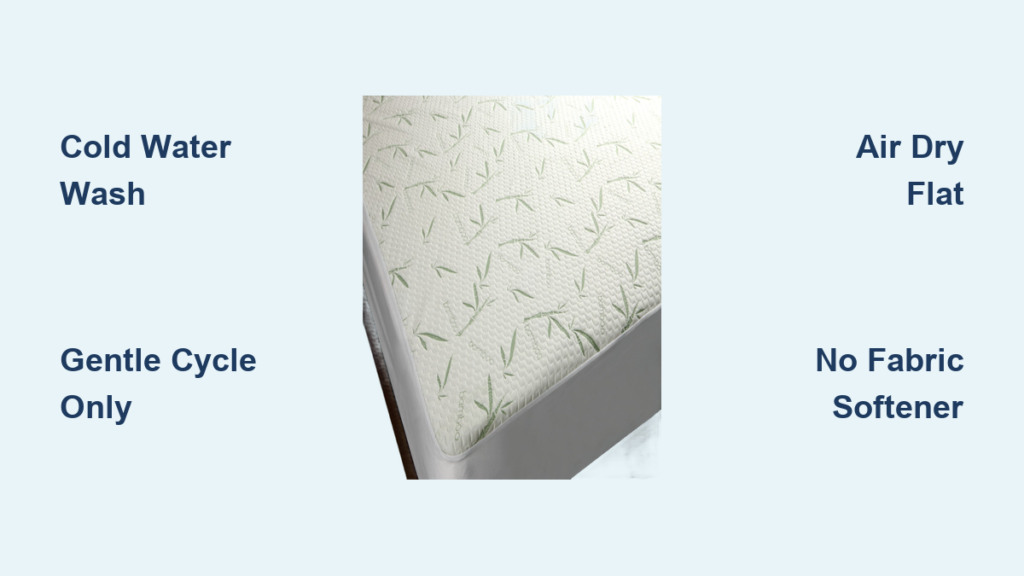
Nothing ruins a good night’s sleep like a stained or musty mattress protector, especially when you’ve invested in the premium comfort of bamboo fabric. Bamboo mattress protectors combine exceptional moisture-wicking abilities with natural breathability, creating a sleep surface that stays cool and dry while protecting your valuable mattress investment. Knowing how to wash bamboo mattress protector properly ensures these benefits last for years rather than months. Improper cleaning can shrink the delicate fibers, damage the waterproof backing, and strip away the natural properties that make bamboo so desirable. This guide reveals the exact washing techniques that preserve your protector’s integrity while keeping it fresh and functional.
Inspect for Stains and Pre-Treat Before Washing
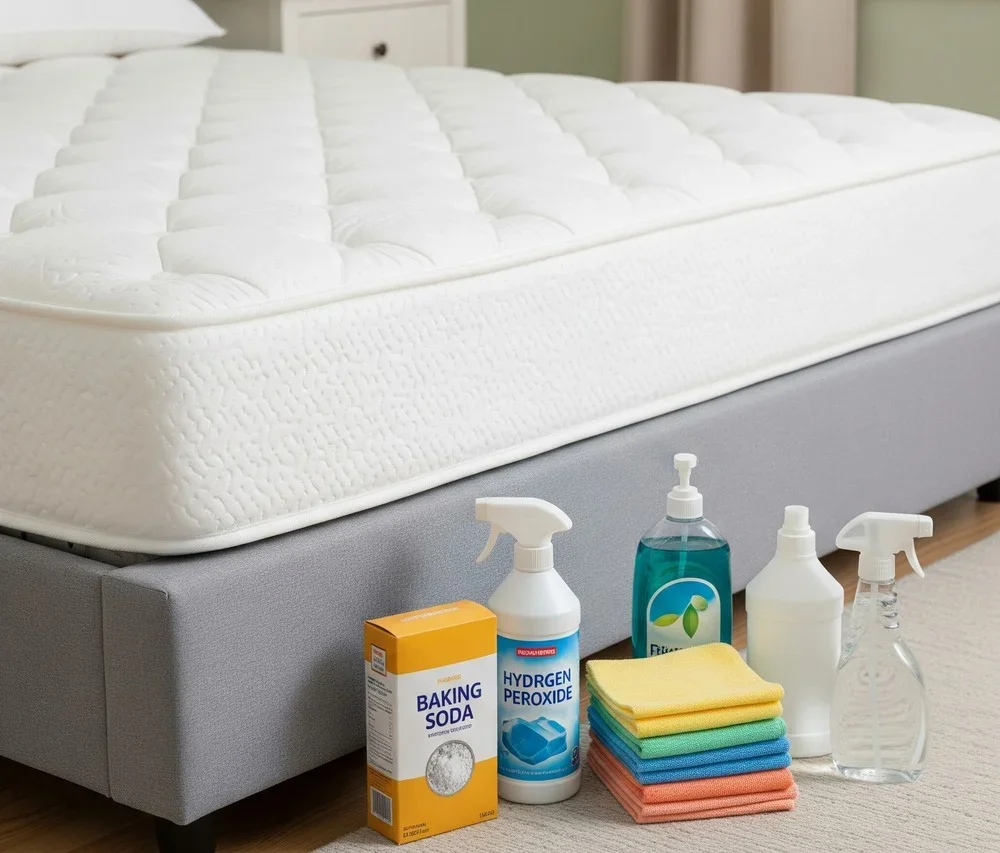
Before tossing your bamboo mattress protector into the machine, a thorough examination prevents small issues from becoming permanent problems. Lay the protector flat on a clean surface and scrutinize every inch for yellowed sweat stains near the pillow area, discoloration around the foot section, or any visible spill marks. These concentrated soiling zones require immediate attention to prevent set-in stains that standard washing can’t remove.
For effective stain treatment, mix one tablespoon of mild liquid detergent with one cup of cold water. Dip a soft white cloth into the solution and gently dab—not rub—the stained areas. Rubbing forces contaminants deeper into the bamboo fibers and damages their delicate structure. Protein-based stains like sweat or bodily fluids require cold water exclusively—hot water permanently bonds these stains to bamboo fibers. Allow the solution to penetrate for 15-20 minutes while keeping the area damp, then proceed directly to washing without rinsing.
Shake the protector vigorously outdoors to dislodge accumulated dust, dead skin cells, and loose debris. This simple step dramatically improves washing effectiveness by removing particles that would otherwise redeposit onto the fabric during the cycle. Check elastic corner straps for tangles that could cause stretching during agitation, and untwist any knots before loading the machine.
Use Cold Water and Gentle Cycle Settings
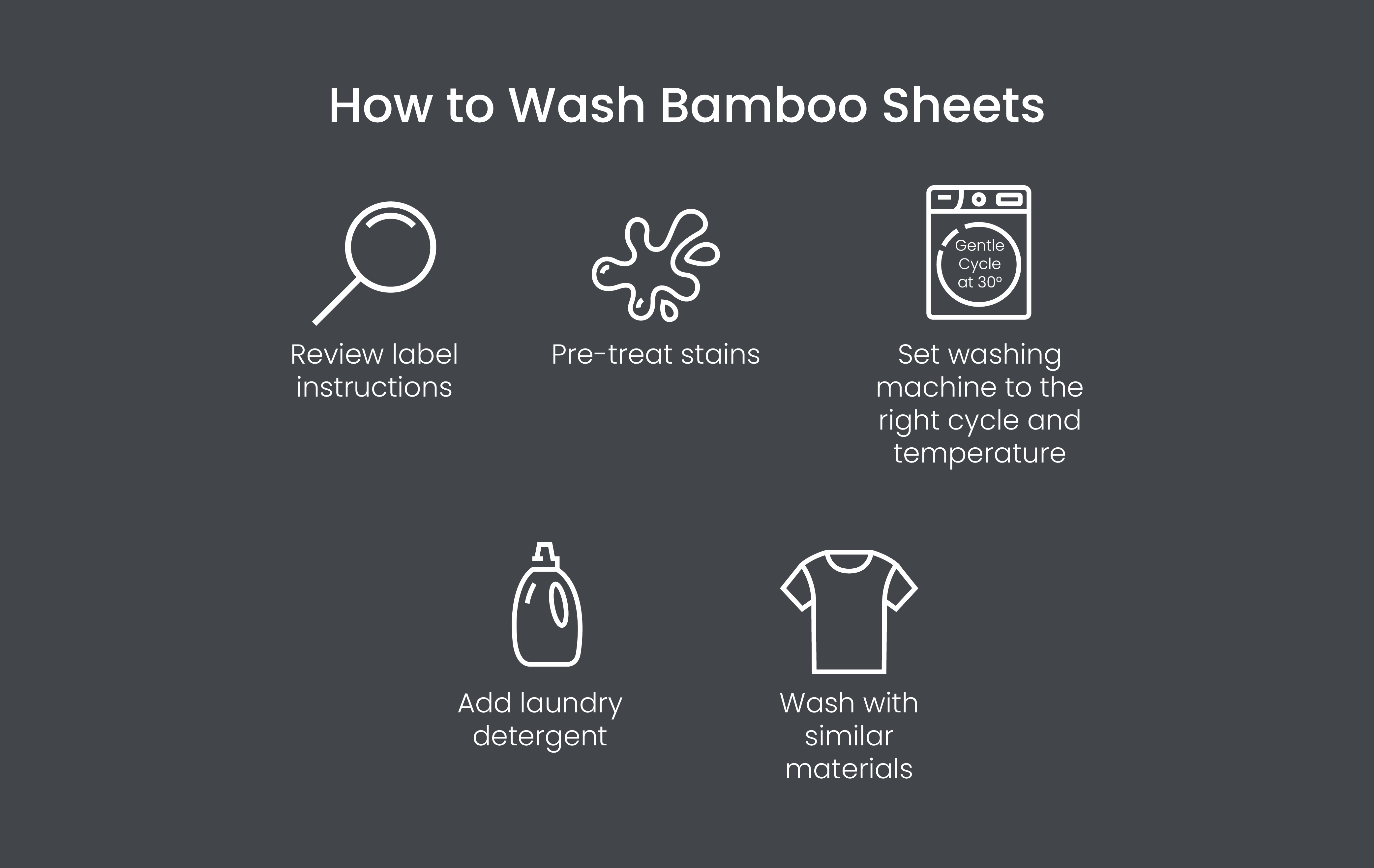
The exact washing settings you choose make the difference between a refreshed protector and a shrunken, damaged one. Set your washing machine to the gentle or delicate cycle with water temperature between 86°F and 104°F (30°C-40°C). Higher temperatures cause bamboo fibers to contract dramatically—sometimes up to 15% shrinkage—while compromising the waterproof backing’s integrity. The slow agitation of gentle cycles minimizes fiber stress that leads to premature pilling and thinning.
Select a mild, pH-balanced liquid detergent specifically designed for natural or delicate fabrics. Powder detergents often leave residue in bamboo’s absorbent fibers, reducing their moisture-wicking capabilities and potentially causing skin irritation. Avoid any products containing bleach, optical brighteners, or enzymatic cleaners, as these break down bamboo’s cellulose structure over time. Measure only half the recommended amount for regular loads—excess detergent creates buildup that diminishes the protector’s breathability.
For hard water areas, add ¼ cup of white vinegar to the rinse cycle to prevent mineral deposits from stiffening the fabric. Never use fabric softeners, as they coat bamboo fibers and destroy their natural moisture management properties. If washing with other bedding, ensure the load isn’t overcrowded—bamboo protectors need space to move freely for thorough cleaning without excessive friction.
Air Dry Completely to Preserve Bamboo Integrity
Drying requires equal attention to washing, as improper methods cause the most preventable damage to bamboo mattress protectors. Air drying remains the gold standard for preserving fiber integrity—lay the protector flat on a clean drying rack away from direct sunlight, which can fade colors and weaken fibers over time. Rotate the protector every two hours to ensure even drying on both sides, typically taking 4-6 hours depending on humidity.
If using a dryer, select the absolute lowest heat setting available and remove the protector while still slightly damp—about 80% dry. Over-drying makes bamboo fibers brittle and prone to cracking, especially at stress points like elastic corners. Tumble dry for no more than 30 minutes, adding wool dryer balls to improve air circulation without the harsh impact of tennis balls. Never use dryer sheets, as their chemical coatings transfer to bamboo fibers and compromise moisture-wicking abilities.
Check the protector’s texture before returning it to your mattress—properly dried bamboo should feel soft and supple, not stiff or crunchy. Any lingering dampness creates ideal conditions for mildew growth between washes, so err on the side of thorough drying even if it takes additional time.
Wash Every 2-3 Months for Optimal Hygiene
Establishing the right washing frequency prevents unnecessary wear while maintaining a hygienic sleep environment. For most households, washing your bamboo mattress protector every two to three months strikes the perfect balance between cleanliness and fabric preservation. Families with children or pets should increase this to monthly washes due to higher risk of accidents, while allergy sufferers benefit from bi-weekly cleaning during peak seasons.
Between deep cleans, implement these maintenance practices to extend time between washes:
– Remove and air out the protector weekly by laying it flat for 2-3 hours
– Immediately spot-clean spills with a cold, damp cloth before stains set
– Rotate the protector 180 degrees monthly to distribute wear evenly
– Use a top sheet as an additional barrier to reduce direct body contact
When accidents occur, act immediately—blot liquids with a clean towel rather than rubbing, then apply a small amount of diluted detergent to the area. For stubborn stains, create a paste of baking soda and water, let it sit for 10 minutes, then gently wipe away before proceeding with full washing.
Fix Shrinkage and Waterproofing Issues

Even with careful handling, bamboo mattress protectors sometimes develop specific problems requiring targeted solutions. If your protector shrinks after accidental hot water washing, immediately stretch the damp fabric in all directions while laying it flat to dry. For severe shrinkage affecting fit, adjust the elastic straps by hand-sewing them tighter to compensate for the reduced dimensions.
Waterproof backing separation—the most common manufacturing defect—becomes evident when liquids penetrate to your mattress. While you can’t repair delamination, you can slow its progression by eliminating heat exposure during drying and reducing washing frequency to once every four months. Apply a thin layer of waterproofing spray designed for bedding fabrics to the underside as a temporary fix, though this won’t restore full protection.
Musty odors despite regular washing indicate trapped moisture or detergent buildup. Soak the protector overnight in a solution of one gallon water and ½ cup baking soda, then wash using vinegar in the rinse cycle. Sun-dry the protector for one hour (maximum) to utilize UV’s natural deodorizing properties, but avoid prolonged sun exposure that damages fibers.
Store Properly When Not in Use
Correct storage practices maintain your bamboo mattress protector’s quality between seasons or during mattress cleaning. Always ensure 100% dryness before storage—any residual moisture leads to mildew growth that permanently damages fibers. Fold loosely rather than tightly compressing, which creates permanent creases that weaken the fabric structure.
Store in breathable cotton bags or open cardboard boxes in a cool, dark closet—never use plastic storage bins that trap moisture. Place cedar blocks or lavender sachets nearby to deter moths, but keep them separated from direct fabric contact. Check stored protectors quarterly for mustiness or pest activity, and air them out for a few hours every six months to maintain freshness.
Replace When Protection Fails
Even with perfect care, bamboo mattress protectors eventually reach end-of-life. Replace yours when you notice any of these critical failure points:
– Visible thinning or holes in the fabric surface
– Liquid penetration through to your mattress
– Persistent odors that won’t wash out
– Elastic straps that no longer hold securely
– Significant shrinkage affecting fit
Quality bamboo protectors typically last 3-5 years with proper maintenance. When purchasing a replacement, look for products with reinforced stitching, guaranteed waterproof backing, and clear care instructions. Higher thread counts (300+) in the bamboo fabric indicate better durability, while OEKO-TEX certification ensures no harmful chemicals were used in manufacturing.
Save Energy with Eco-Friendly Washing Practices
Reduce your environmental impact while caring for your bamboo mattress protector by adopting these sustainable habits:
– Always wash in cold water to cut energy use by 90% compared to hot cycles
– Run full loads (without overcrowding) to maximize water efficiency
– Choose plant-based, biodegradable detergents free from phosphates
– Air dry exclusively to eliminate dryer energy consumption
– Recycle old protectors through textile recycling programs
These practices not only benefit the planet but also extend your protector’s lifespan by minimizing heat and chemical exposure. When your protector eventually reaches end-of-life, contact the manufacturer about take-back programs—many bedding companies now offer recycling initiatives for their products.
Bamboo Protector Care Checklist
Follow this simple routine to maximize your bamboo mattress protector’s performance and longevity:
– Wash every 2-3 months using cold water and gentle cycle
– Pre-treat stains with cold water solutions before washing
– Air dry completely away from direct sunlight
– Store in breathable containers when not in use
– Replace when waterproofing fails or fabric thins significantly
Proper care preserves bamboo’s natural moisture-wicking abilities, temperature regulation, and hypoallergenic properties that protect both your mattress and your health. By following these specific washing techniques, you’ll enjoy years of reliable protection without compromising the comfort that makes bamboo such a valuable sleep investment. Your mattress—and your sleep quality—will thank you for taking the time to care for this essential bedding component correctly.