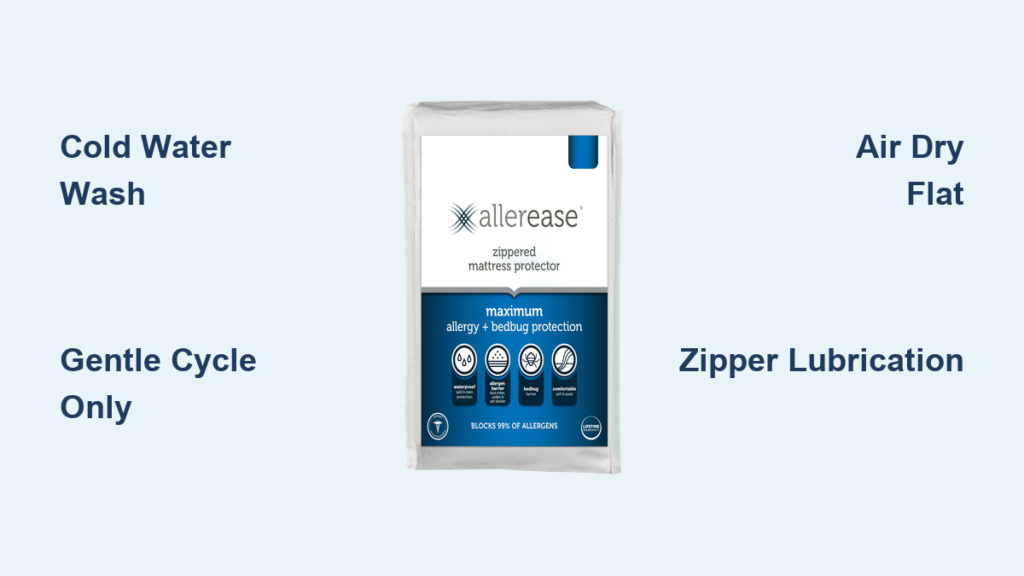
You’ve invested in an Allerease zippered mattress protector to keep your mattress clean and allergen-free, but now it’s time for its first wash and you’re unsure of the proper procedure. Many homeowners make critical mistakes when washing these specialized protectors—using hot water that damages the waterproof membrane, stuffing it into an overcrowded machine, or accidentally tearing the delicate zipper during removal. Proper care extends your protector’s life for up to three years while maintaining its hypoallergenic properties. This guide delivers the exact washing protocol approved by manufacturers, including water temperature specifics, drying techniques that prevent shrinkage, and zipper maintenance tips most retailers never share. Follow these steps to keep your Allerease protector performing like new while avoiding common pitfalls that void warranties.
Allerease Zippered Protector Washing Requirements
Before starting the washing process, verify your specific Allerease model’s care requirements as some variants have different fabric compositions. Most Allerease protectors feature a waterproof polyurethane backing with a soft cotton top layer and YKK zippers designed to withstand multiple wash cycles when handled correctly. Never assume your protector follows standard bedding care instructions—improper washing can compromise the waterproof barrier within just one cycle. Check the sewn-in care label for model-specific guidance, though most current Allerease zippered protectors share similar washing protocols.
Water Temperature and Cycle Selection
Use cold water (maximum 86°F/30°C) on a gentle cycle for all washing sessions. Hot water damages the polyurethane membrane that makes your protector waterproof and allergen-resistant. Select a delicate or hand-wash setting with slow agitation and minimal spin speed to prevent stress on the zipper mechanism. Fill your machine no more than half full to allow proper movement—overcrowding creates friction that wears down fabric fibers. For front-loading machines, add the protector after water begins filling to prevent imbalance. Top-loading machines require the protector to be submerged before starting the cycle to avoid tangling.
Detergent Selection and Amount
Choose a mild, liquid detergent without bleach, enzymes, or optical brighteners that degrade waterproof membranes over time. Measure precisely according to water hardness—typically 1 tablespoon for standard loads in soft water, up to 2 tablespoons in hard water areas. Pour detergent directly into the drum before adding the protector, never into dispenser trays which can cause concentrated exposure. Avoid pods or powder detergents that don’t fully dissolve in cold water and leave residue that clogs the fabric’s microscopic pores. For sensitive skin, use fragrance-free detergents specifically formulated for performance fabrics.
Washing Procedure Step-by-Step
Pre-Wash Preparation Checklist
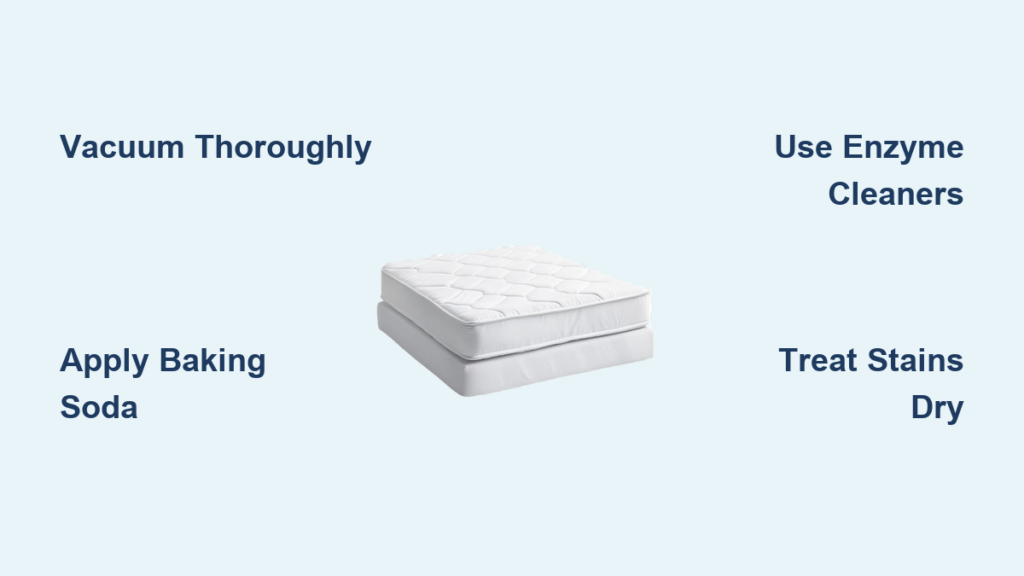
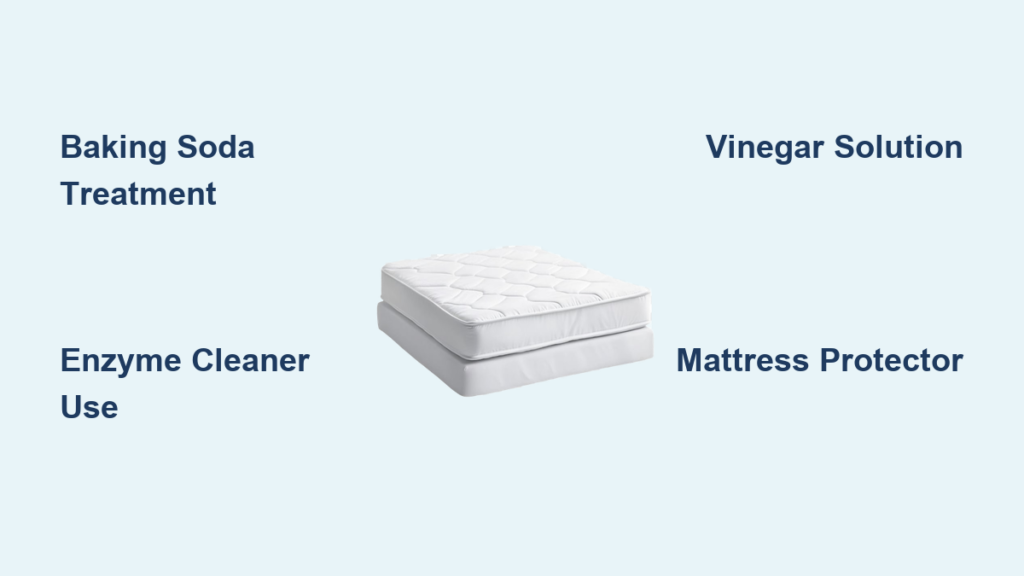
- Fully unzip the protector and inspect for stains—pretreat spots with a 1:1 water-vinegar solution using a soft cloth
- Secure all zipper pulls with rubber bands to prevent snagging during washing
- Turn protector inside out to protect the top fabric layer
- Check pockets for forgotten items like pens or coins that could damage the machine
- Verify water temperature with a thermometer before starting the cycle
Loading and Washing Sequence
Place the protector loosely in the drum without folding or cramming—bulky items require front-loading machines with 4.0+ cubic feet capacity. Add measured detergent to the drum, then start the cold water cycle. Pause the machine once water covers the protector to redistribute if unevenly soaked. Restart and complete the gentle cycle. After washing, run an extra rinse cycle without detergent to eliminate all soap residue that attracts dirt. Never use the “extra rinse” button as it doesn’t provide sufficient water volume—manually initiate a full rinse cycle.
Drying and Post-Wash Care
Proper Drying Technique
https://www.allerease.com/products/mattress-protector-drying-instructions-air-dry
Air drying delivers the longest protector lifespan but requires specific positioning. Lay flat on a clean surface away from direct sunlight which degrades elastic components. Never hang vertically as the weight of water stretches seams. If using a dryer, select no heat/air fluff setting with maximum 30-minute runtime. Add two clean tennis balls to prevent clumping but remove immediately after cycle ends—prolonged tumbling damages the waterproof layer. Check every 10 minutes for complete dryness, especially around the zipper tape which retains moisture.
Zipper Maintenance After Washing
Once completely dry, apply a thin line of zipper lubricant (wax-based, not silicone) along both tracks before closing. Work the slider up and down several times to distribute evenly. Never force a stiff zipper—this commonly causes separation that requires professional repair. Store with zipper partially open to relieve tension on the coil when not in use. Inspect zipper teeth monthly for snags using a magnifying glass; small deformities can be corrected with fine-tipped pliers.
Troubleshooting Common Washing Issues

Protector Loses Waterproofing After Washing
This typically occurs from detergent residue buildup or excessive heat exposure. Rewash using distilled white vinegar (1 cup) instead of detergent on a cold gentle cycle, followed by two extra rinses. Test waterproofing by placing a damp cloth on the backing—if moisture transfers after 5 minutes, the membrane is compromised and replacement is needed. Most manufacturers consider this damage non-warrantable when caused by improper washing.
Zipper Won’t Close Properly Post-Wash
Shrinkage from heat exposure often causes this issue. Soak the protector in lukewarm water with hair conditioner (1 tablespoon per gallon) for 15 minutes, then gently stretch the fabric around the zipper while damp. Allow to air dry completely before attempting to close. If teeth are misaligned, use needle-nose pliers to carefully realign individual teeth—never pull the slider forcefully.
Maintenance Schedule for Longevity
Monthly Care Routine
Wash your Allerease protector every 4-6 weeks under normal use, increasing frequency to every 2 weeks for allergy sufferers or during illness in the household. Between washes, vacuum both sides thoroughly using a soft brush attachment to remove surface debris. Spot clean spills immediately with a damp microfiber cloth—never let liquids saturate the fabric as this overwhelms the waterproof layer.
Storage Best Practices
When storing a spare protector, roll rather than fold to prevent permanent creases that weaken fabric. Place in a cotton pillowcase (never plastic) with silica gel packets to control moisture. Store vertically on a shelf rather than under other items to maintain shape. Before using a stored protector, wash once to reactivate the waterproof membrane which can stiffen during storage.
When to Replace Your Protector
Allerease zippered protectors typically last 2-3 years with proper care. Replace immediately if you notice any of these warning signs: persistent yellowing after washing, reduced elasticity in the fitted corners, visible wear on the zipper tape, or failure of the waterproof test (water soaks through within 60 seconds). Continuing to use a compromised protector defeats its primary purpose of mattress protection and allergen barrier.
Final Washing Protocol Summary
Complete your Allerease protector washing in under 30 minutes by following this streamlined process: unzip fully and pretreat stains → secure zipper pulls → cold gentle cycle with measured mild detergent → extra rinse cycle → air dry flat or 30-minute no-heat dryer cycle → apply zipper lubricant when dry. This routine preserves both the hypoallergenic properties and waterproof functionality for maximum lifespan. Remember that 90% of protector failures stem from improper washing techniques rather than manufacturing defects—your careful adherence to these guidelines ensures your investment continues protecting your mattress as designed. For optimal performance, pair your washing routine with monthly vacuuming and immediate spot cleaning of any spills.