Egg crate mattress toppers deliver an affordable solution for improving sleep comfort, but many users miss out on their full benefits by positioning or maintaining them incorrectly. These distinctive foam pads—named for their peak-and-valley surface resembling egg cartons—can transform an uncomfortable mattress when used properly, providing pressure relief, enhanced airflow, and extended mattress life. If your current mattress feels too firm or causes shoulder and hip pain, understanding how to correctly position, care for, and maintain your egg crate topper makes the difference between temporary relief and lasting comfort improvement.
Unlike memory foam alternatives that contour closely to your body, egg crate toppers work through strategic air channels and pressure distribution points. This guide reveals exactly how to use your egg crate mattress topper for maximum benefits, from proper orientation to maintenance tricks that double its lifespan. By following these evidence-based techniques, you’ll transform restless nights into restorative sleep without breaking the bank on a new mattress.
Position Your Egg Crate Topper with Points Facing Upward
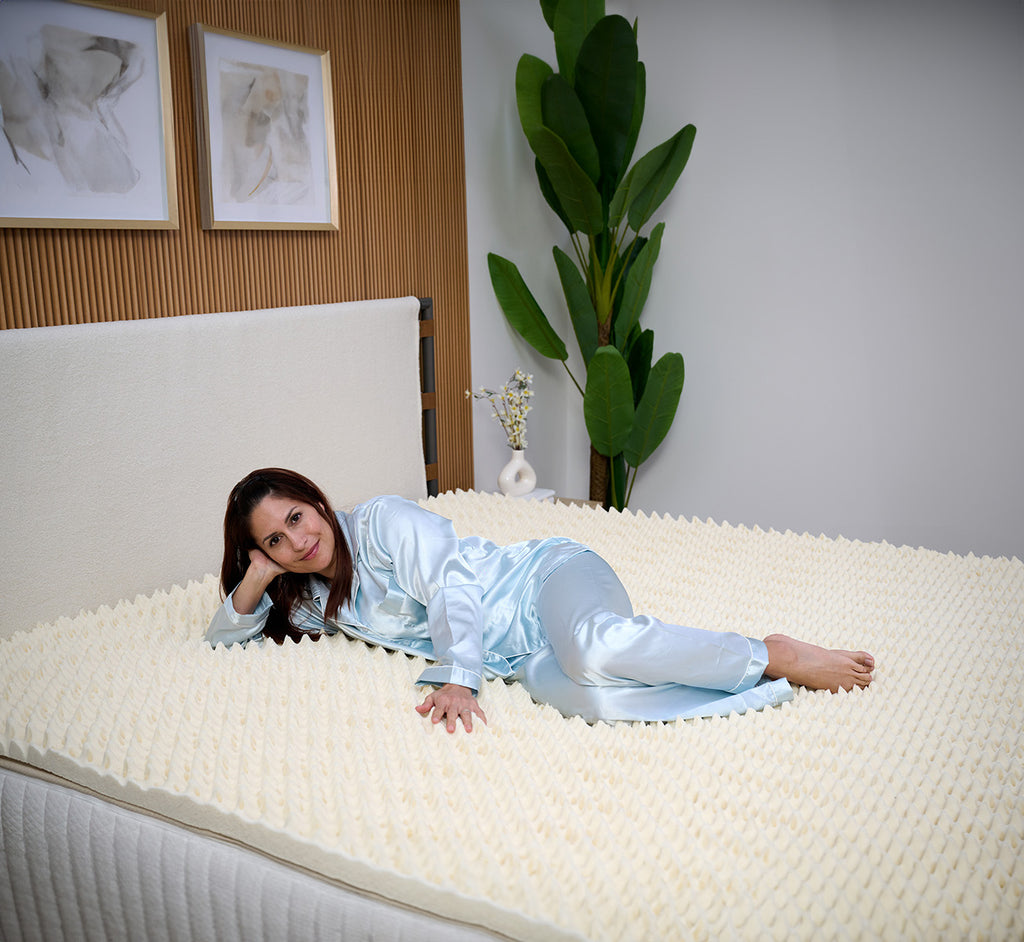
The single most important step in using an egg crate mattress topper correctly is ensuring the textured peaks face upward toward you as you sleep. According to Charles P. Rogers, a mattress manufacturer with 170 years of experience, the egg crate design functions optimally only when the peaks point toward the sleeper.
Why Upward Orientation Maximizes Benefits
When positioned correctly with peaks facing up, your egg crate topper delivers two critical advantages simultaneously. The valleys between peaks create ventilation channels that allow air to circulate beneath your body, preventing heat buildup that disrupts sleep—especially valuable if you tend to sleep hot. Simultaneously, the raised peaks reduce concentrated pressure on your hips and shoulders by distributing your weight across more contact points. This dual action explains why side sleepers often experience immediate relief from morning stiffness when using an egg crate topper correctly.
Placing your topper with the peaks upward also creates a protective barrier between your body and mattress, shielding against dust, sweat, and spills. This simple positioning technique extends your mattress lifespan while enhancing comfort—a win-win that costs nothing but proper placement.
When Alternative Orientation Might Work for You
If you’ve been sleeping with your egg crate topper flipped (flat side up) and wake up feeling refreshed, don’t force a change. While experts recommend upward positioning for optimal airflow and pressure distribution, individual comfort should always take priority. Some sleepers with specific body types or sleeping positions may find the flatter surface more comfortable. The key is monitoring how you feel upon waking—if your current setup delivers pain-free mornings, maintain it. However, if you experience discomfort or overheating, flipping the topper to position the peaks upward could solve these issues immediately.
Maximize Pressure Relief for Side Sleepers
Egg crate toppers excel at reducing pressure points that cause shoulder and hip pain, but only when used correctly. The secret lies in understanding how the peak-and-valley design distributes your body weight across more surface area.
Strategic Positioning for Pain Points
When sleeping on your side, your shoulders and hips bear most of your body weight, creating intense pressure points that restrict blood flow and cause discomfort. The egg crate pattern combats this by creating thousands of individual support points that cradle these areas without the deep sinking sensation of memory foam. For best results, ensure your shoulders and hips align directly with the peak sections of the topper rather than settling into the valleys, which provides more targeted relief.
Combine with Proper Pillow Support
Pair your correctly positioned egg crate topper with a supportive pillow that keeps your spine aligned. This combination prevents the “hammock effect” where your body sinks unevenly into the mattress, which often causes neck and back pain. When both your head and body receive proper support, the pressure-relieving benefits of the egg crate topper work more effectively throughout the night.
Enhance Airflow to Stay Cool Throughout the Night

Overheating ranks among the top sleep disruptors, and the egg crate design specifically addresses this common problem through intelligent engineering.
Optimizing the Ventilation Channels
The valleys between peaks create natural air corridors that allow heat and moisture to escape rather than becoming trapped against your skin. To maximize this cooling effect, avoid placing heavy blankets or non-breathable mattress protectors directly on top of the topper. Instead, use lightweight, breathable sheets made from natural fibers like cotton or bamboo that won’t block the ventilation channels.
Seasonal Adjustments for Temperature Control
During warmer months, consider placing a fan near your bed to actively pull heat through the egg crate channels. In cooler weather, use a thin flannel sheet rather than heavy bedding that would smother the airflow properties. This seasonal adjustment maintains the temperature-regulating benefits year-round without compromising comfort.
Select the Right Size and Thickness for Your Mattress
Choosing the wrong size or thickness undermines the effectiveness of even the highest-quality egg crate topper.
Precision Fit Prevents Shifting and Slippage
Measure your mattress carefully before purchasing, as standard sizes vary slightly between manufacturers. A queen-sized topper should measure exactly 60 x 80 inches to match your mattress dimensions. An ill-fitting topper that’s even 2-3 inches too small will shift constantly during sleep, exposing parts of your mattress and creating uncomfortable edges. Secure properly sized toppers with non-slip mattress pads to prevent movement without restricting airflow.
Thickness Matters More Than You Think
While 4-inch toppers provide dramatic softening, they may create instability if your base mattress is already soft. For most users, a 2-3 inch thickness delivers the ideal balance—enough cushioning to relieve pressure points without compromising support. If you weigh over 200 pounds, opt for the thicker option to prevent bottoming out, while lighter individuals often find 2 inches sufficient for comfort enhancement.
Keep Your Egg Crate Topper Clean with Proper Maintenance
Most users dramatically shorten their topper’s lifespan through improper cleaning techniques that degrade the foam structure.
Protective Covers Extend Lifespan Dramatically
Invest in a high-quality, breathable mattress protector that fits snugly over both your mattress and topper. This simple step prevents 90% of contaminants from reaching the foam surface. Look for protectors with a terry cloth top layer that wicks moisture away while allowing airflow—avoid vinyl or plastic covers that block the egg crate’s ventilation channels.
Correct Spot Cleaning Technique
When spills occur, act immediately: blot (don’t rub) with a clean microfiber cloth, then mix one teaspoon mild detergent with one cup cool water. Dampen a cloth with this solution and gently clean the affected area, never saturating the foam. Allow to air dry completely—this takes 24-48 hours—before remaking your bed. Never machine wash or dry your egg crate topper, as this destroys the foam structure.
Recognize When It’s Time to Replace Your Egg Crate Topper
Knowing replacement signs prevents you from sacrificing sleep quality with a degraded topper.
Visible Wear Patterns Signal End of Life
Check your topper monthly for permanent body impressions deeper than ½ inch in hip and shoulder areas. These compressed zones indicate the foam has lost its ability to provide even support. If you notice increased morning stiffness or find yourself adjusting position frequently during the night, your topper has likely reached the end of its useful life.
Typical Lifespan Based on Usage
Most egg crate toppers last 1-3 years with proper care. Heavier individuals (over 200 pounds) should expect replacements every 12-18 months, while lighter sleepers may get 2-3 years of use. If you consistently use a protective cover and rotate your topper every 3 months, you’ll maximize its functional lifespan.
Get the Most Value from Your Egg Crate Mattress Topper
Implement these expert techniques to transform your egg crate topper from a temporary fix into a long-term sleep solution.
Regular Rotation Prevents Uneven Wear
Rotate your topper 180 degrees every 3 months to distribute compression evenly across the surface. This simple habit prevents permanent body impressions and extends usable life by up to 50%. Mark your calendar with rotation reminders to maintain consistency.
Combine with Strategic Bedding Choices
Pair your egg crate topper with breathable, moisture-wicking sheets made from natural fibers. Avoid heavy comforters that trap heat—opt instead for layerable bedding you can adjust throughout the night. This combination leverages the topper’s cooling properties while maintaining temperature regulation.
When to Upgrade to Memory Foam
If your egg crate topper no longer provides adequate pressure relief after proper maintenance and rotation, consider a higher-density memory foam alternative. While more expensive, quality memory foam delivers superior spinal alignment and lasts 3-7 years with proper care—making it cost-effective for primary sleepers despite the higher initial investment.
By positioning your egg crate mattress topper correctly, maintaining it properly, and replacing it at the right time, you’ll transform uncomfortable nights into restorative sleep. The key lies not just in owning this affordable sleep accessory, but in using it exactly as designed to maximize both comfort and longevity. Implement these techniques tonight and wake up to noticeably better sleep tomorrow.