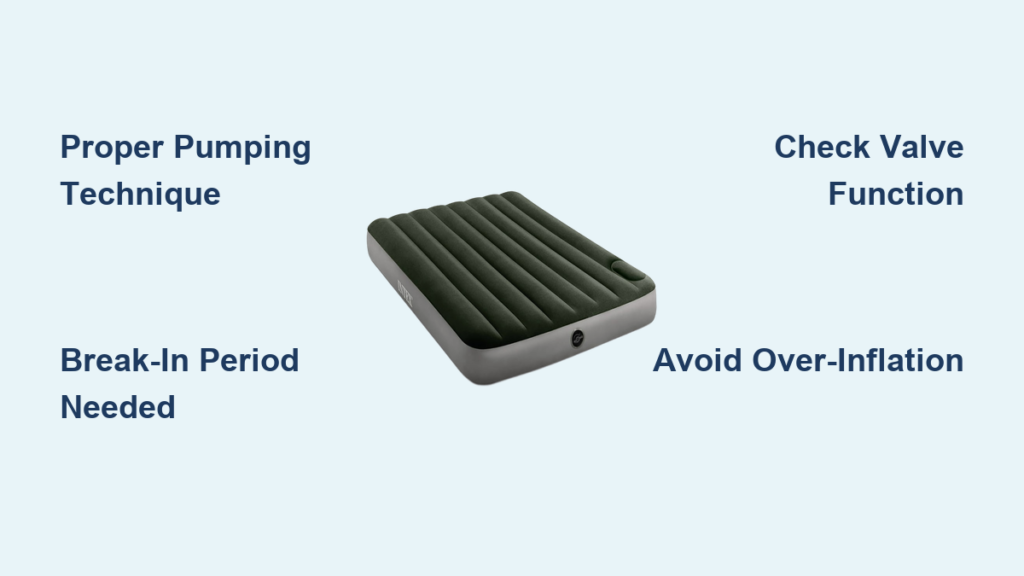
Nothing ruins a camping trip or last-minute guest arrival like struggling with a faulty air mattress pump. With a built-in foot pump air mattress, you’ll never hunt for batteries, search for an outlet, or wrestle with a separate hand pump again. These innovative mattresses feature an integrated inflation system that works with just your foot—perfect for remote campsites, emergency situations, or quick guest setups without power dependence. Understanding exactly how to use built-in foot pump air mattress technology properly ensures reliable inflation every time while maximizing your mattress’s lifespan. This guide shows you the precise techniques for efficient inflation, achieving perfect firmness, and avoiding common mistakes that lead to premature wear.
Foot Pump Technology Explained

The built-in foot pump transforms your mattress into a self-contained inflation system through clever mechanical engineering. Located along the side or base of your mattress, this integrated pump chamber uses your body weight to create airflow without electricity or batteries. When you stomp down with your foot, the bellows-style chamber compresses, forcing air through internal valves and into the mattress chambers with each cycle.
This design eliminates the frustration of carrying separate pumps or dealing with dead batteries during critical moments. Whether you’re setting up camp at a remote site or accommodating unexpected guests after a power outage, your foot becomes the only power source you need. The mechanical simplicity means fewer failure points compared to electric pumps—no cords to tangle, no motors to burn out, and no batteries to replace.
Pro Tip: The hands-free nature of foot pumping lets you monitor inflation progress while continuing to operate the pump. This real-time feedback prevents over-inflation that stresses seams and reduces mattress longevity.
How the Pump Mechanism Actually Works
The foot pump operates through a two-stage process that maximizes efficiency with minimal effort. As you lift your foot, the chamber expands and draws air through the intake valve. When you press down, the chamber compresses and forces air through the check valve into the mattress interior. This cycle repeats with each stomp, gradually filling the air chambers.
Unlike electric pumps that run continuously, the foot pump gives you complete control over inflation speed and pressure. You can slow down to monitor firmness or speed up when nearing completion. This precise control helps you achieve your ideal sleeping surface while protecting the mattress structure from excessive pressure.
Initial Setup and Break-In Process
Your new built-in foot pump air mattress requires a proper break-in period for optimal performance. When first inflated, the compressed PVC or vinyl material needs time to stretch to its intended dimensions. Skipping this crucial step leads to inconsistent firmness and premature wear.
First Inflation Procedure
- Unpack your mattress on a clean, flat surface free of sharp objects
- Locate the foot pump mechanism (typically along one side edge)
- Begin pumping with firm, consistent downward pressure
- Continue until the mattress reaches full expansion
- Crucially: Let the mattress rest undisturbed for 4-6 hours before use
During this break-in period, the material stretches, air cells fully expand, and pressure equalizes throughout the chamber system. You’ll notice the mattress appears slightly under-inflated immediately after pumping—that’s normal. The material needs this settling time to reach its designed firmness and stability.
Warning: Using the mattress before completing the break-in period creates uneven stress on the material, leading to weak spots and potential seam failures down the road.
Operating the Foot Pump Correctly

Mastering the proper foot pump technique makes inflation faster and more efficient. Position yourself at the pump location with your dominant foot ready to apply pressure. The key is using your body weight effectively rather than just leg strength.
Effective Pumping Technique
- Stand with feet shoulder-width apart for stability
- Place your foot flat on the pump chamber
- Apply downward pressure by bending your knee, not just your ankle
- Use your body weight to compress the chamber fully
- Lift your foot completely between pumps for maximum air intake
- Maintain a steady rhythm (about 1-2 pumps per second)
A twin-size mattress with 10-inch height typically requires 80-120 pump cycles for full inflation. Larger models need proportionally more cycles. You’ll know you’re nearing completion when each pump produces less visible expansion and the mattress feels uniformly firm across the surface.
Pro Tip: Wear socks or light shoes while pumping to protect your foot and improve grip on the pump surface—bare feet can slip on smooth vinyl surfaces.
Achieving Optimal Firmness
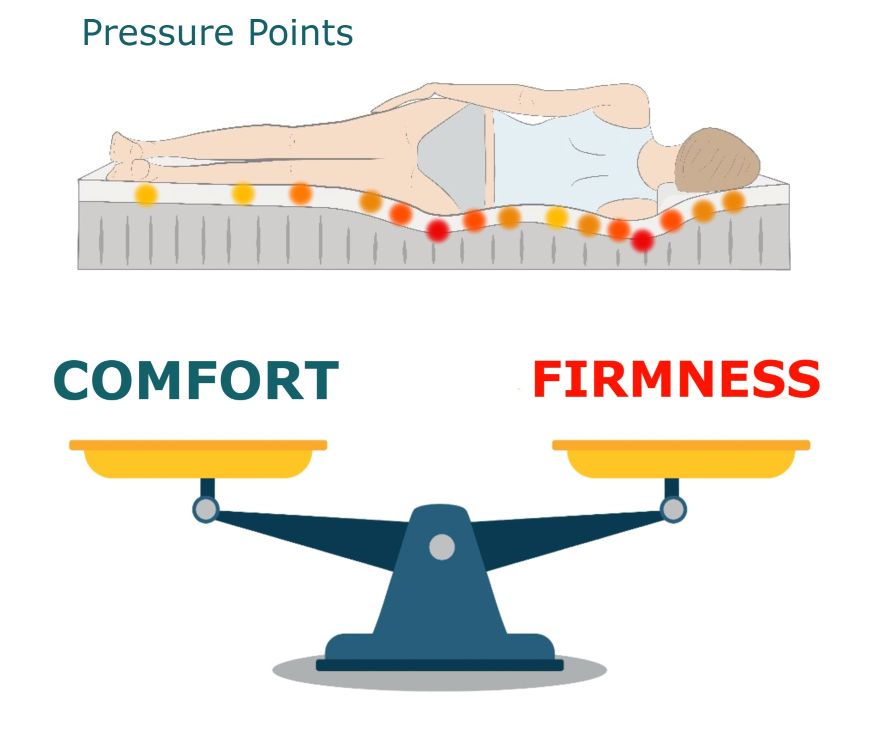
Perfect firmness balances support and comfort for restful sleep. Under-inflated mattresses create uncomfortable pressure points, while over-inflation stresses seams and reduces lifespan.
Firmness Testing Method
- Inflate until the surface appears smooth and taut
- Press down firmly with your palm across multiple areas
- The surface should compress minimally (about 1-2 inches)
- Apply light weight (sit on edge) to check rebound
- If you feel the floor or notice significant sagging, add more air
Your ideal firmness depends on your weight and preference. Heavier users generally need firmer inflation for proper support. When uncertain, slightly under-inflate rather than over-inflate—adding air takes seconds, but fixing over-inflation requires partial deflation and restarting the process.
Warning: Consistently over-inflating voids most warranties and dramatically shortens your mattress’s usable life. The material can only withstand so much stress before seams begin to fail.
Deflation and Storage Steps
Proper deflation protects your mattress and ensures compact storage for your next adventure. Start by locating the deflation valve near the pump mechanism—most models have a dedicated release valve separate from the inflation system.
Complete Deflation Process
- Open the deflation valve completely
- Apply gentle pressure to the mattress surface to start airflow
- Use the foot pump to assist: Compress the pump chamber while the valve is open
- Roll the mattress tightly from foot to head toward the valve
- Press down as you roll to expel trapped air from internal chambers
- Secure with original straps or bands once fully compacted
Store your deflated mattress in a cool, dry place away from direct sunlight, which degrades PVC materials over time. Never store a damp mattress—it traps moisture that promotes mold growth and material breakdown. Original packaging or a dedicated storage bag prevents punctures from sharp objects during storage.
Maintenance and Care Tips
Regular maintenance extends your built-in foot pump air mattress lifespan significantly. After each use, especially outdoors, clean the surface with mild soap and water, then allow it to air dry completely before storage.
Essential Maintenance Routine
- After each use: Wipe down with damp cloth, dry thoroughly
- Monthly: Inspect pump mechanism for debris, check valve operation
- Seasonally: Apply vinyl protectant to prevent material drying/cracking
- Before long-term storage: Ensure completely dry, store partially inflated
The Fiber-Tech interior construction in modern mattresses provides superior durability compared to older coil systems, but proper care remains essential. Always use a protective ground cloth when camping and avoid placing sharp objects on the sleeping surface.
Troubleshooting Common Issues
When problems arise, quick diagnosis prevents minor issues from becoming major failures. Most inflation difficulties relate to valve operation rather than pump mechanism failure.
Pump Isn’t Moving Air? Try This:
- Check intake valve for debris obstruction
- Ensure valve is fully open during inflation
- Verify you’re using proper pumping technique (full compression cycles)
- Test pump operation away from mattress to isolate issue
Air loss typically indicates either a puncture or valve issue. To locate leaks, partially inflate the mattress, apply soapy water to suspected areas, and watch for bubbles. Small punctures respond well to vinyl patch kits, while seam failures often require professional repair.
Safety Guidelines and Best Practices
Safe operation starts with proper surface preparation. Always place your mattress on clean, smooth ground free of debris that could cause punctures. When camping, clear the area thoroughly of sticks, rocks, and sharp objects before setup.
Critical Safety Points:
– Never exceed manufacturer’s weight limit
– Keep away from heat sources and open flames
– Supervise children around inflated mattresses
– Avoid standing or jumping on the mattress
– Don’t store near sharp objects or in extreme temperatures
Teach older children proper inflation techniques—they can help with pumping while you monitor firmness. This builds responsibility and extends your mattress’s useful life through proper handling from the start.
Final Note: Mastering how to use built-in foot pump air mattress technology transforms what could be a frustrating experience into a reliable solution for guests, camping, or emergencies. By following these precise techniques for inflation, firmness adjustment, and maintenance, you’ll enjoy years of comfortable, dependable use from your self-contained air mattress. Remember that proper break-in, avoiding over-inflation, and thorough drying before storage make the biggest difference in longevity. Keep this guide handy for your next setup, and you’ll never struggle with an air mattress again.