Finding fleas in your mattress transforms your peaceful sleep sanctuary into a nightly battleground. These tiny bloodsuckers thrive in the warm, protected environment of your bed, feeding on skin flakes while laying hundreds of eggs in seams and crevices. Fleas on your mattress aren’t just annoying—they cause itchy bites that disrupt sleep and trigger allergic reactions in sensitive individuals. Learning how to treat a mattress for fleas requires understanding their complete lifecycle and implementing a systematic approach that targets every stage. This guide delivers actionable steps to eliminate fleas from your mattress permanently, helping you reclaim restful nights without resorting to ineffective home remedies or expensive professional services you don’t need.
Spot Flea Evidence on Your Mattress Before Treatment
Don’t waste time treating for fleas if you’re not certain they’re the problem. Adult fleas are tiny (about 1/8 inch), dark-colored insects that jump when disturbed—look for them along mattress seams, tufts, and folds. Flea dirt (digested blood) appears as small black specks that turn reddish when moistened with water; test suspicious spots by pressing a damp white cloth against the mattress. Flea eggs resemble tiny white grains of sand and often accumulate in mattress corners. You’ll also notice small, red, itchy bites on your skin, typically in clusters of three or four, especially around ankles and legs. Pets scratching excessively near your bed confirms fleas have invaded your sleeping space. Identifying these signs early prevents the infestation from reaching severe levels where professional intervention becomes necessary.
Remove and Launder All Bedding at Flea-Killing Temperatures
Begin your flea treatment by stripping every layer from your mattress—sheets, pillowcases, blankets, mattress pads, and protectors. Handle these items carefully to avoid shaking fleas into the air, which spreads the infestation. Immediately place them in sealed plastic bags until washing. Wash all bedding in hot water at a minimum of 130°F (54°C), as this temperature kills fleas at every life stage. Use the longest agitation cycle available to physically dislodge eggs and larvae from fabric fibers. For delicate items that can’t withstand hot water, place them in a dryer on high heat for at least 30 minutes—sustained heat is equally lethal to fleas. After drying, store clean bedding in sealed containers until your mattress treatment is complete to prevent reinfestation while you work.
Vacuum Your Mattress Thoroughly to Remove Fleas and Eggs

Vacuuming removes up to 50% of flea eggs and larvae before applying other treatments. Use a vacuum with strong suction and a HEPA filter to capture microscopic particles. Attach the crevice tool to reach deep into seams and tufts where fleas concentrate. Methodically vacuum the entire mattress surface, pressing firmly with the upholstery brush to agitate fibers and dislodge hidden pests. Pay special attention to stitching lines, buttons, and any folds where fleas lay eggs. Vacuum both sides of the mattress and along all edges. Crucially, immediately seal and dispose of the vacuum contents in an outdoor trash bin—fleas can escape from bags or canisters left indoors. Empty bagless vacuums outside and clean the canister with hot, soapy water to eliminate any surviving fleas.
Steam Clean Your Mattress to Eliminate Fleas Instantly
Steam cleaning delivers immediate results by killing fleas at all life stages with high temperatures (180-220°F). Unlike chemical treatments, steam leaves no toxic residues, making it safe for households with children and pets when used properly. Slowly pass the steam nozzle across all mattress surfaces, concentrating on seams and tufts where fleas hide. The heat penetrates fabric layers, killing adult fleas, eggs, larvae, and pupae on contact. For memory foam or dense mattresses, make multiple slow passes to ensure thorough penetration. After steam cleaning, position fans to circulate air and speed drying—complete drying may take 24-48 hours. Exposing the mattress to direct sunlight during drying adds ultraviolet exposure that helps kill remaining flea eggs while naturally dehydrating the mattress interior.
Apply EPA-Approved Insecticides for Severe Infestations
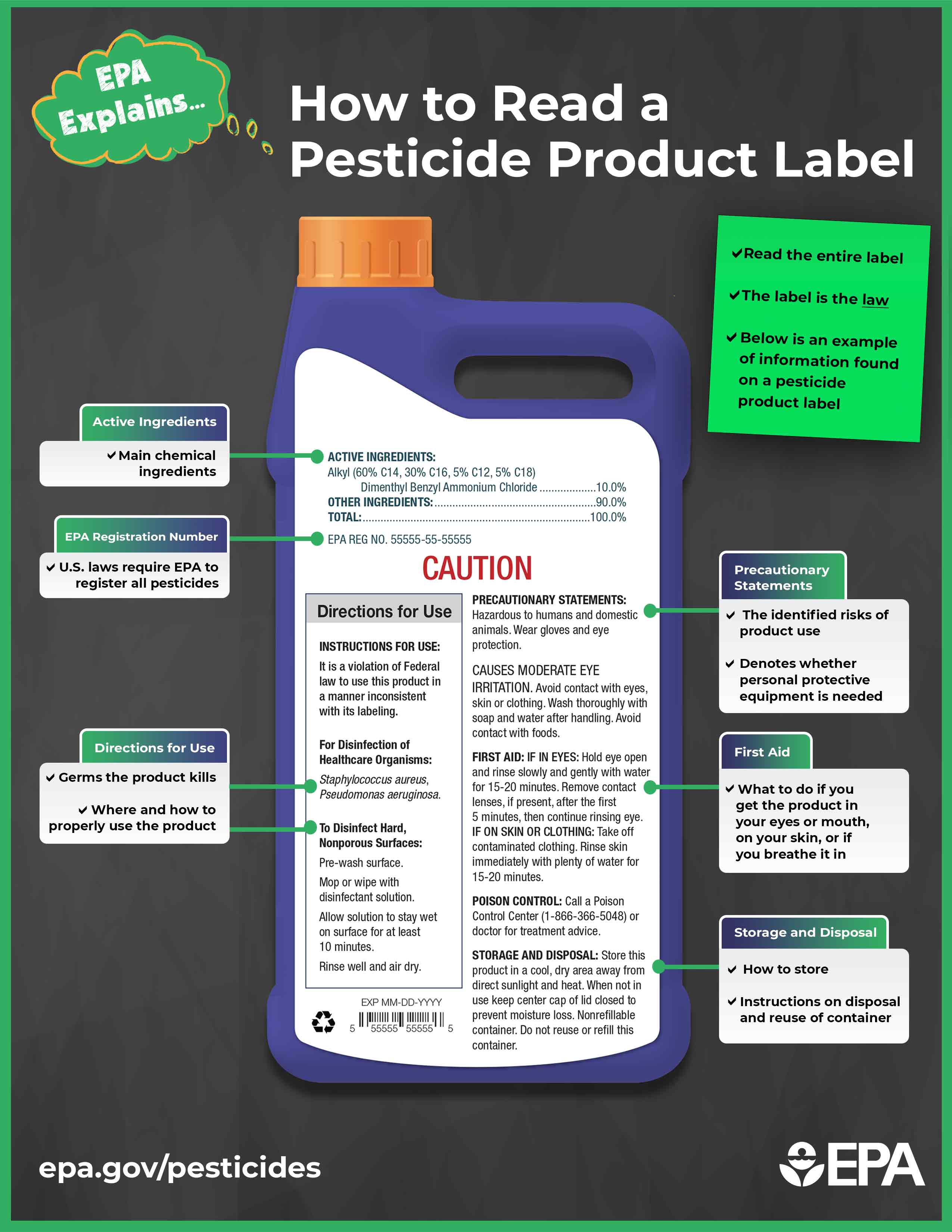
When steam cleaning and vacuuming fail to eliminate stubborn infestations, EPA-registered insecticides become necessary. Choose products specifically labeled for mattresses containing pyrethrins, pyrethroids, or insect growth regulators (IGRs) like methoprene. IGRs prevent eggs from hatching and stop larvae from maturing, breaking the reproduction cycle. Follow label instructions precisely—some products require room evacuation during application. Apply insecticides evenly across all mattress surfaces, focusing on seams and crevices. Allow ample ventilation with open windows and fans, and wait the recommended drying time (usually 2-4 hours) before sleeping on the treated mattress. For extreme cases, professional pest control operators access stronger, restricted-use products that penetrate deeper into mattress layers for more complete elimination.
Try Natural Remedies When Avoiding Chemicals
For chemical-free treatment, food-grade diatomaceous earth creates microscopic cuts in flea exoskeletons, causing dehydration. Apply a light dusting across all mattress surfaces, concentrating on seams. Let it sit for 24-48 hours before vacuuming—reapply if necessary. Borax powder affects flea larvae when applied to mattress seams and left for several hours before vacuuming, but use caution in homes with pets or children. Essential oils like lavender, eucalyptus, and peppermint serve primarily as repellents rather than treatments; dilute properly and avoid use around cats, as many oils prove toxic to felines. Remember: natural remedies typically require multiple applications and work best when combined with vacuuming and steam cleaning for comprehensive flea control.
Target All Flea Life Stages for Complete Elimination
Successful flea treatment requires understanding that visible adult fleas represent only 5% of the infestation—the rest exists as hidden eggs, larvae, and pupae. Vacuuming removes eggs and larvae, while steam kills all stages on contact. Insect growth regulators prevent eggs from hatching and larvae from maturing. Pupae inside protective cocoons pose the greatest challenge, as they can remain dormant for weeks before emerging as adults. Implement a treatment schedule repeating every 7-14 days for 3-4 weeks to catch newly hatched fleas before they reproduce. Each treatment cycle should include vacuuming, steam cleaning or insecticide application, and environmental management. This systematic approach ensures complete elimination rather than temporary reduction.
Treat Your Entire Home to Prevent Reinfestation
Focusing solely on your mattress guarantees reinfestation, as fleas throughout your home will migrate back to your bed. Extend treatment at least 10-15 feet from your bed to carpets, rugs, and upholstery where fleas breed. Wash all pet bedding in hot water using the same temperature standards as human bedding. Treat pets with veterinarian-recommended flea prevention products to eliminate the source of new infestations. Vacuum carpets thoroughly, especially along baseboards and in pet resting areas. Apply environmental insecticides to cracks and crevices throughout your home. In persistent cases, professional whole-home treatment provides the most thorough solution, targeting every potential flea habitat with longer-lasting residual protection.
Implement Long-Term Prevention Strategies After Treatment
After eliminating fleas, prevent future infestations with these proven strategies. Install zippered mattress encasements designed for dust mites and fleas—they seal existing fleas inside (where they die) and prevent new ones from establishing. Vacuum weekly, focusing on pet sleeping areas and around bed frames. Wash pet bedding weekly in hot water. Maintain year-round flea prevention for pets, especially during warmer months. Monitor for early signs of reinfestation: flea dirt that turns red when moistened, new bites, or visible fleas. Critical prevention tip: Address even minor flea sightings immediately—waiting allows populations to explode exponentially within weeks.
Adapt Treatments for Different Mattress Types

Memory foam mattresses require multiple steam cleaning passes due to their dense structure resisting penetration. Natural fiber mattresses like latex or wool tolerate some treatments that damage synthetics but may react negatively to certain chemicals. Always consult manufacturer care instructions before applying any treatment—many void warranties with improper cleaning. Test treatments in inconspicuous areas first when unsure. For high-value mattresses or severe infestations in delicate materials, professional treatment offers the safest approach. Technicians understand specific requirements of different mattress constructions and have equipment designed for deep treatment without damage. This investment protects both your mattress and your peace of mind.
Treating a mattress for fleas demands patience and thoroughness, but following this systematic approach ensures permanent results. By combining physical removal, heat treatment, and environmental management, you eliminate current infestations while creating conditions that prevent their return. Your bed should remain your sanctuary—these comprehensive steps guarantee it stays that way.