

Moving day arrives with a mountain of tasks, but few challenges are as unexpectedly difficult as figuring out how to transport a mattress safely. These bulky sleep surfaces dominate doorways, strain backs, and create logistical nightmares that can derail an otherwise smooth relocation. Whether you’re moving across town or across the country, successfully transporting your mattress requires proper planning, the right equipment, and correct techniques. Without these essentials, you risk damaging your investment, injuring yourself, or creating dangerous road hazards. This guide delivers exactly what you need to know to move your mattress efficiently and safely—no matter your vehicle type or mattress size.
Before lifting a single corner, you must understand your mattress’s specific dimensions and weight characteristics. Standard sizes vary more than most realize, and thickness ranges dramatically from 8 to 14 inches depending on construction. A queen memory foam mattress presents entirely different transport challenges than a traditional innerspring king. Knowing your exact measurements determines everything from the size of moving bag you’ll need to whether your vehicle can accommodate it. Ignoring these details leads to last-minute scrambles, damaged mattresses, and potentially dangerous situations on the road.
Measure Your Mattress Dimensions Accurately
Precise measurements form the foundation of successful mattress transport. Most people know their mattress size by name—queen, king, full—but standardized names don’t always translate to standardized dimensions. Manufacturers use slightly different specifications, and thickness varies dramatically between mattress types.
Start by measuring the length (head to toe), width (the shorter dimension), and depth (thickness from sleeping surface to floor). Record all three dimensions where you can reference them throughout moving day. These measurements help you select the correct bag size, determine vehicle requirements, and plan your moving path through your home. Don’t rely on standard size labels—your “queen” might actually measure 62″ × 82″ instead of the typical 60″ × 80″.
Mattress weights vary significantly based on construction materials and size. A twin innerspring might weigh just 35 pounds, while a California King pillow top can exceed 200 pounds. Memory foam, latex, hybrid, and traditional innerspring constructions each have different weight profiles and flexibility characteristics that affect transport methods. Understanding your mattress’s exact weight helps determine how many helpers you need and whether professional assistance might be safer.
Gather Essential Moving Supplies Beforehand

Having the right equipment before moving day makes the difference between a smooth transport and a disaster. Professional movers rely on specialized tools, and you should gather these items well in advance to ensure everything is ready when you need it.
A quality mattress bag or cover protects your investment from dirt, moisture, and tears during transport. Commercial moving bags come in standard sizes, but you must match the bag to your mattress depth—bags designed for thinner mattresses won’t adequately cover thicker models. For long-distance moves, double-bagging provides an extra layer of protection. Avoid using the original mattress bag unless it’s specifically designed for moving, as these are often less durable.
Ratchet straps prove essential for securing your mattress during transit. Unlike bungee cords, which can stretch and create unsafe, loose loads, ratchet straps feature hardware fasteners that allow you to tighten the strap securely around your cargo. Industrial-grade rope serves as a reliable alternative if you prefer it. Gather more straps than you think you’ll need—having extras prevents problems if the mattress is larger than expected.
A furniture dolly transforms an impossible solo move into a manageable task. These wheeled platforms allow you to roll the mattress rather than carry its full weight, making navigation through hallways, down stairs, and into vehicles significantly easier. Most hardware stores and moving truck rental companies rent dollies if you don’t own one. For floppy mattresses, sandwich the mattress between two large cardboard pieces before bagging—this added rigidity makes it easier to handle.
Prepare Mattress for Transport Properly
Proper preparation before moving day dramatically reduces damage risk and streamlines the actual transport process. Taking time to clean, protect, and plan your route pays dividends when it’s time to move.
Begin by stripping all bedding from the mattress. Remove sheets, blankets, pillows, and mattress protectors, washing everything so you can enjoy fresh linens in your new home. Vacuum the mattress thoroughly to remove dust and debris. If stains exist, spot-clean them with appropriate upholstery cleaner and allow the mattress to dry completely before bagging—trapping moisture creates conditions for mold growth.
Once clean and dry, enclose it in its protective bag. Lay the mattress flat, lift one end while a helper slides the bag over, then push all air out before folding the flaps down and taping them securely. Apply tape in a crisscross pattern—lengthwise and widthwise—to ensure the cover stays in place. For soft foam models that lack rigidity, sandwich between cardboard pieces before bagging.
Before attempting to move the mattress, plan and clear the entire path from the bedroom to your vehicle. Walk this route with nothing in your hands, propping all doors open so you won’t need to fumble with knobs while carrying the mattress. Remove tripping hazards including area rugs and electrical cords. Take note of narrow hallways, tight corners, or staircases you’ll need to navigate.
Choose Your Transport Method Wisely
The method you use to transport your mattress depends primarily on your vehicle type and the mattress size. Each approach has specific techniques and considerations for safe delivery.
Smaller mattresses like twins and full sizes can fit inside sedans with the back seats folded down. Maximize space by removing rear seats if possible, creating a large, flat surface. Clear unnecessary items from the vehicle and protect the interior with a tarp. If the mattress has any flexibility, fold it in half to reduce its overall size before sliding it through the trunk opening.
SUVs and crossovers offer more interior space, making larger mattresses easier to transport. Fold down rear seats and consider moving front seats forward to create additional room. Most minivans accommodate queen-size mattresses with seats folded down. Slide the mattress in flat or at an angle as needed, then secure it with straps to prevent shifting during transit.
Pickup truck beds provide open loading space that simplifies mattress transport. Clean the truck bed thoroughly before loading, placing a sheet or blanket at the bottom for protection. Hoist the mattress into the bed and secure it with multiple ratchet straps fastened to the truck’s anchor points. Cover the mattress if rain is possible—exposure causes damage, and an unsecured load creates road hazards.
Roof transport represents the riskiest method but works when no interior space is available. Check your vehicle’s owner’s manual for the maximum roof weight limit before loading. Center the mattress on the roof and secure it with ratchet straps tied directly to roof racks. Attach a brightly colored flag to alert other drivers. Avoid highways, sudden stops, sharp turns, and high speeds.
Master Safe Lifting Techniques Immediately
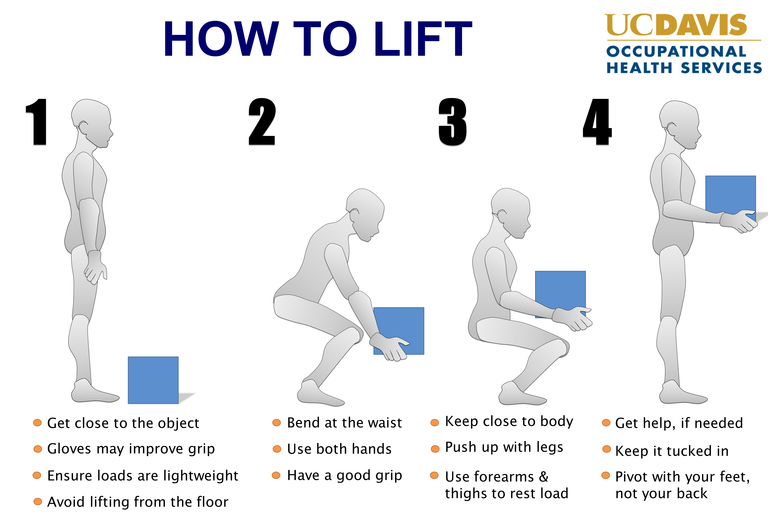
Proper lifting technique protects your back and makes the moving process safer overall. Mattresses are bulky, heavy, and awkward—incorrect lifting leads to strains, sprains, and serious injuries.
Always bend at your knees, not your waist, when preparing to lift. Keep your back straight and lift with your legs and core muscles. Hold the mattress close to your body for better control, ideally in a bear-hug position or resting against one shoulder. Avoid lifting the mattress above shoulder height, and take slow, steady steps rather than rushing.
When working with a partner, coordinate your movements carefully. One person should be at the head end and one at the foot end, with both lifting simultaneously. Communicate clearly as you navigate through tight spaces, calling out obstacles and coordinating turns. If you’re moving alone, follow the same lifting principles but be prepared to drag or slide the mattress part of the way to reduce strain.
Navigate Stairs and Tight Spaces Successfully
Doorways, hallways, and stairs require extra care when moving a bulky mattress. These confined spaces transform a straightforward task into a challenging maneuver that tests your problem-solving skills.
For doorways, tilt the mattress on its side to fit through the frame. Angle it slightly if a straight-on approach doesn’t work. In narrow hallways, shimmy the mattress by inching one end forward at a time while keeping the rest of the mattress braced against a wall for support.
Stairs present particular challenges that demand careful technique. Keep the mattress on its side and slide it slowly rather than attempting to carry it down. With a helper, position one person above the stairs and one below—the upper person controls the descent while the lower person guides and supports. Use the wall or railing for additional support. Never use a dolly on stairs, as this creates dangerous instability.
When moving upstairs alone, recruit help if at all possible. Having one person lift from below while another guides from above proves much safer than solo attempts. If you must go solo, slide an old blanket underneath the mattress and pull it upstairs, using the blanket to reduce friction. Stay above the mattress as you move up, bracing it against the wall to control each step.
Handle Long-Distance Moves Carefully
Out-of-state and cross-country moves require extra planning to protect your mattress throughout the journey. The extended time and varied conditions create more opportunities for damage if you’re not prepared.
If you’re packing a moving truck or towing a trailer, keep the mattress inside an enclosed space. Strapping a mattress to a car roof for hundreds of miles proves risky, especially in wind or bad weather. Renting a trailer or truck allows the mattress to lie flat or stand on its side inside the vehicle, which is much safer than roof transport. Always keep the mattress flat or upright during transit and avoid placing heavy items on top.
After a long trip, the mattress may have shifted or settled. Give it a gentle fluff or let it rest flat for a day before sleeping on it if possible. This allows any compression that occurred during transport to relax and returns the mattress to its normal shape.
Unpack and Inspect Your Mattress Immediately
Once you’ve safely transported your mattress to its destination, proper unpacking and setup ensures it remains in good condition for years of comfortable sleep.
Cut away the plastic mattress bag with scissors immediately upon bringing the mattress inside. Be careful not to slice into the mattress material. Remove all covers and wrapping completely, as leaving the mattress wrapped traps moisture and promotes mold growth.
Inspect the mattress carefully for any tears, stains, or deformities that may have occurred during transport. Document any damage with photographs in case you need to file a claim with moving insurance or if the damage falls under warranty coverage.
To freshen the mattress after transport, sprinkle baking soda on it, let it sit for two hours, then vacuum it up. Apply a light mist of disinfectant spray to clean germs from the surface, wipe it down, and let it dry completely before making the bed.
Successfully transporting a mattress requires proper planning, appropriate equipment, and correct technique throughout the process. Measure your mattress dimensions before moving day, gather essential supplies including quality mattress bags and secure straps, and prepare both the mattress and your transportation route. Use proper lifting techniques to protect your back, and choose the most appropriate vehicle and loading method for your specific situation. When in doubt, professional movers offer expertise that prevents damage to your mattress and injury to yourself. With careful preparation, even large and heavy mattresses arrive safely at their new destination, ready to provide comfortable sleep for years to come.