When your foam mattress topper needs temporary storage—whether for moving, seasonal rotation, or guest room preparation—improper handling can permanently damage its structure and comfort. Foam mattress toppers provide premium sleep support through their delicate cellular structure, which requires specific storage conditions to maintain integrity. Knowing how to store a foam mattress topper correctly prevents irreversible compression, mold growth, and material degradation that could void your warranty. This guide delivers actionable methods to protect your investment during storage periods of any duration, ensuring your topper emerges ready to deliver the same comfort as when you stored it.
Clean and Dry Your Topper Thoroughly Before Storage
Eliminate Stains and Odors Without Damaging Foam
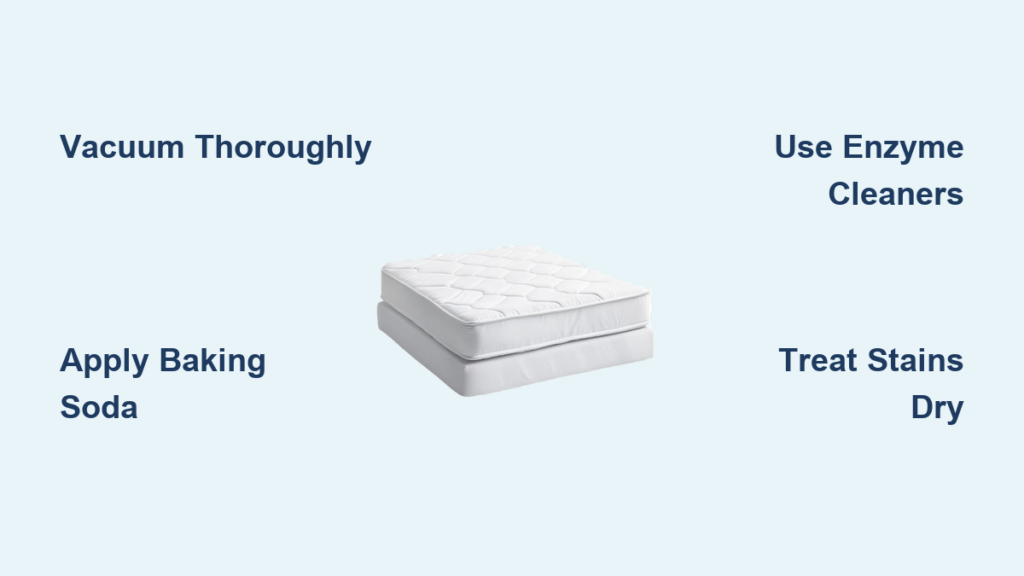
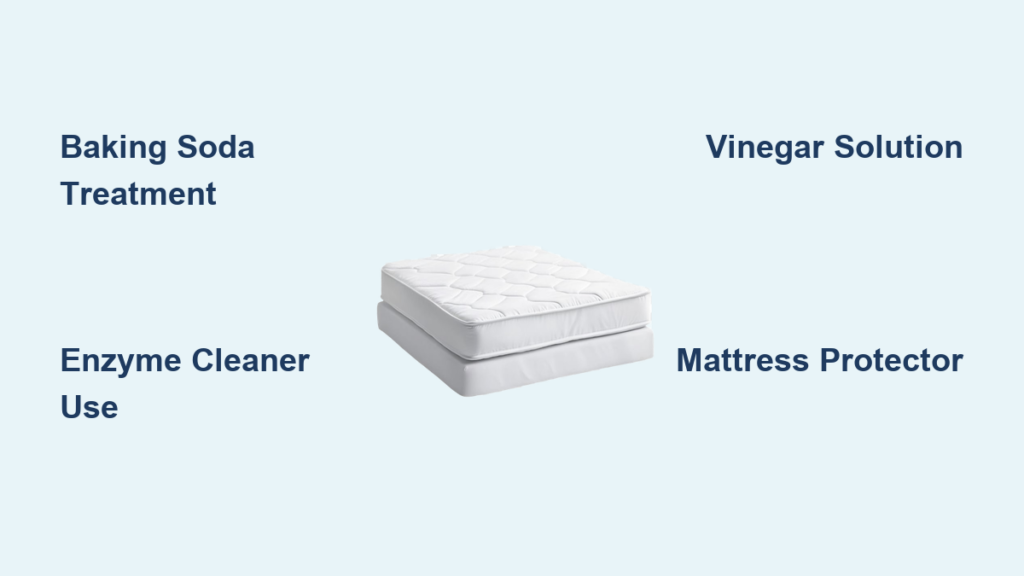
Begin the storage process by addressing any stains or odors that could become permanent during storage. Mix one tablespoon of mild detergent with two cups of cool water and apply using a soft microfiber cloth, working in gentle circular motions without saturating the foam. For stubborn stains, add a teaspoon of white vinegar to your cleaning solution—its acidity breaks down organic matter without harming foam integrity. Never use bleach or harsh chemicals that degrade foam polymers over time. After spot cleaning, immediately blot excess moisture with a dry towel and allow the area to air dry completely before proceeding.
Accelerate Drying Without Heat Damage
Proper drying prevents mold and mildew that thrive in stored foam. Position your topper vertically against a wall in a well-ventilated room with fans circulating air around all surfaces. Rotate the topper every few hours to expose all sides to airflow, significantly reducing drying time compared to horizontal placement. For faster results, place the topper near a dehumidifier set to 50% humidity—this combination removes moisture without the damaging heat of hair dryers or direct sunlight. Memory foam typically requires 24-48 hours for complete drying, while latex toppers dry in 12-24 hours due to their more open cellular structure. Confirm dryness by pressing your palm firmly against the foam; if no moisture transfers to your skin, it’s ready for storage.
Master the Correct Rolling Technique for Long-Term Preservation

Avoid Permanent Creases With Proper Rolling Sequence
Rolling your topper correctly preserves its cellular structure better than folding, which creates sharp creases that damage foam integrity. Start by laying the topper flat on a clean surface and folding the short ends toward the center by 12 inches, creating a “hamburger fold” that reduces width without sharp angles. Then roll tightly from one end to the other, applying even pressure to minimize air pockets while avoiding excessive force that compresses foam cells permanently. For toppers over 4 inches thick, complete one full rotation before securing with straps to prevent unrolling during storage. Use cotton straps rather than plastic zip ties, which dig into foam and create permanent indentations.
Select Storage Containers That Breathe
The container you choose impacts your topper’s condition upon retrieval. Breathable cotton storage bags allow air circulation while protecting against dust—ideal for storage periods under six months. For longer durations, use specialized mattress storage bags with moisture-wicking linings that regulate humidity without trapping condensation. Never use plastic garbage bags or vacuum-seal excessively, as these create anaerobic environments where mold spores thrive. If storing in a cardboard box, line it with a cotton sheet first to prevent direct contact between foam and cardboard, which can transfer acids that degrade foam over time. Always label your container with the storage date to track duration.
Optimize Storage Environment Conditions for Foam Longevity
Control Temperature to Prevent Material Breakdown
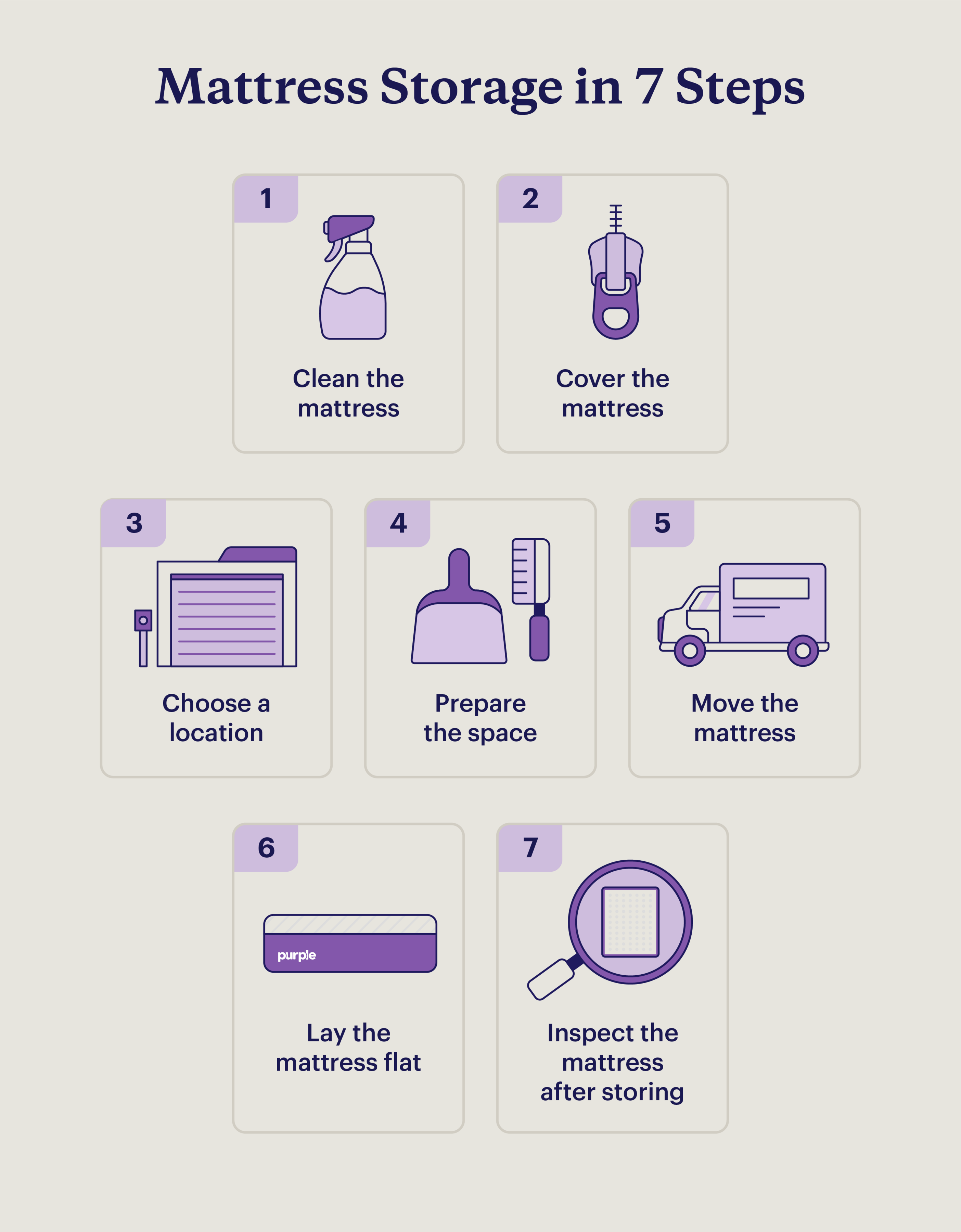
Foam materials undergo chemical changes at temperature extremes that compromise their supportive properties. Store your topper in environments between 60-75°F (15-24°C), avoiding attics where summer temperatures exceed 100°F (38°C) and cause foam to soften and lose resilience. Similarly, cold environments below 50°F (10°C) make foam brittle and prone to cracking when unrolled. Basements often maintain ideal temperatures but require additional humidity control measures. If storing in non-climate-controlled spaces, place a digital hygrometer/thermometer inside the storage container to monitor conditions remotely via smartphone apps.
Manage Humidity Below Critical Thresholds
Humidity levels above 55% relative humidity cause foam to absorb moisture that promotes mold growth during storage. Place silica gel canisters or moisture-absorbing crystals inside your storage container—replace them every three months for long-term storage. For basement storage, elevate containers on pallets at least 6 inches off the floor to avoid ground moisture migration. In humid climates, store your topper with cedar blocks that naturally repel moisture while deterring pests. Test humidity levels with an inexpensive digital hygrometer; if readings consistently exceed 55%, add a small dehumidifier to the storage area or consider alternative locations.
Implement Duration-Specific Storage Protocols
Short-Term Storage (1-3 Months): Quick Retrieval Preparation
For seasonal rotation or temporary room clearing, simplify your storage process while maintaining protection. After cleaning and drying, roll your topper loosely and place it in a breathable cotton bag stored vertically in a closet. Add lavender sachets to maintain freshness without chemical odors. Check the topper monthly by unrolling briefly to ensure no moisture has accumulated—this “breather” period prevents compressed areas from setting permanently. When retrieving, allow 12-24 hours for full expansion before use, significantly less time than long-term storage requires.
Long-Term Storage (3+ Months): Advanced Preservation Methods
Extended storage demands additional protective measures to maintain foam integrity. Vacuum-seal only after rolling with cotton straps, removing air slowly to avoid extreme compression that damages memory foam’s viscoelastic properties. Store rolled toppers horizontally on elevated surfaces rather than vertically to distribute compression forces evenly. Place the container in the center of the room away from exterior walls where temperature fluctuations occur. Every three months, unroll the topper completely for 24 hours in a climate-controlled environment before re-rolling in the opposite direction—this redistribution prevents permanent compression patterns. Document these maintenance sessions with dates to track storage care.
Avoid Critical Storage Mistakes That Ruin Foam Integrity
Never Store Foam in Original Packaging Long-Term
Manufacturers use plastic packaging solely for shipping protection, not storage. The polyethylene film traps humidity against the foam surface, creating ideal conditions for mold growth within days. Immediately remove your topper from any plastic packaging before storage preparations begin. If you’ve lost the original packaging instructions, contact the manufacturer directly for specific storage recommendations—many premium brands like Tempur-Pedic and Purple provide detailed storage guidelines for warranty protection.
Prevent Permanent Compression From Weight and Pressure
Stacking boxes or furniture on stored toppers creates permanent indentations that compromise sleep support. Store your topper in a dedicated space where nothing rests on top, even temporarily. When placing multiple toppers in storage, separate them with plywood sheets to distribute weight evenly. Never store foam directly on concrete floors, which transfer ground moisture and chill the material below optimal temperatures. If space constraints force vertical storage, place rolled toppers side-by-side rather than stacked to eliminate compression from above.
Reactivate Stored Foam Correctly After Retrieval
Allow Proper Expansion Time Based on Storage Duration
After storage, give your topper adequate time to recover before use. Short-term stored toppers (under 3 months) typically regain full thickness within 12-24 hours, while long-term stored toppers require 48-72 hours. Place the unrolled topper in your bedroom 24 hours before expected use to acclimate to room temperature and humidity. Never sleep on a partially expanded topper, as body weight compresses the still-recovering foam cells permanently. For memory foam, gently massage flattened areas with your palms to encourage cellular rebound—this technique significantly reduces expansion time.
Refresh Foam Properties After Storage
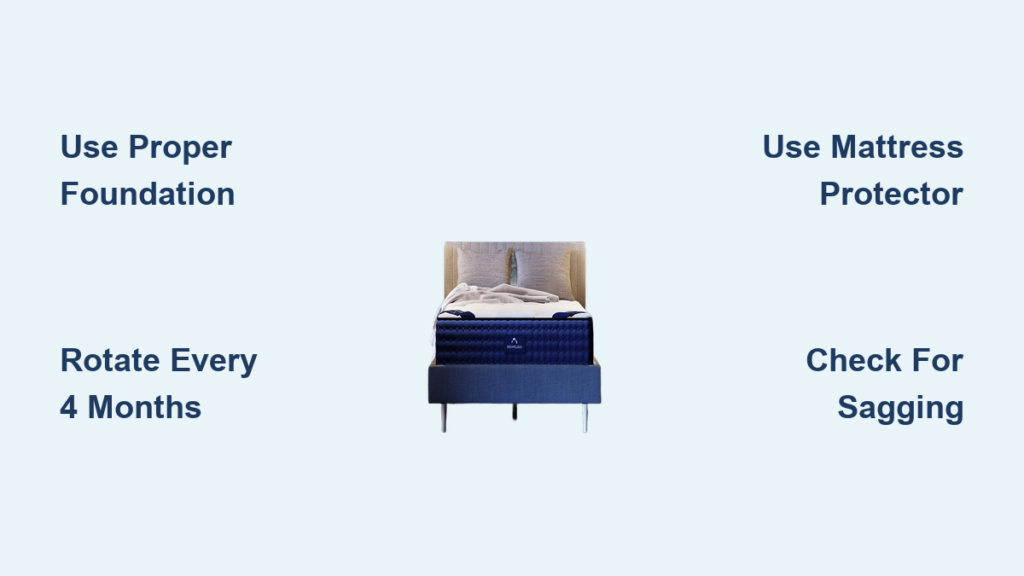
Before using your retrieved topper, revitalize its properties with a thorough maintenance routine. Vacuum both sides to remove any dust accumulated during storage. Sprinkle baking soda liberally over the surface and let it sit for 30 minutes to neutralize odors, then vacuum thoroughly. For memory foam that feels less responsive, place it in direct sunlight for 1-2 hours (not longer, as UV rays degrade foam)—the gentle warmth reactivates the viscoelastic properties. Finally, rotate the topper 180 degrees on your mattress to distribute initial compression evenly during the first few nights of use.
Key Takeaways: Proper foam mattress topper storage begins with complete drying to prevent mold, continues with correct rolling techniques that avoid permanent creases, and requires climate-controlled environments with humidity below 55%. Always allow adequate expansion time after retrieval—never rush this critical recovery phase. By following these protocols, your topper will maintain its supportive properties for years, protecting your sleep investment regardless of storage duration. For optimal results, check stored toppers quarterly and rotate their position to redistribute compression forces evenly.