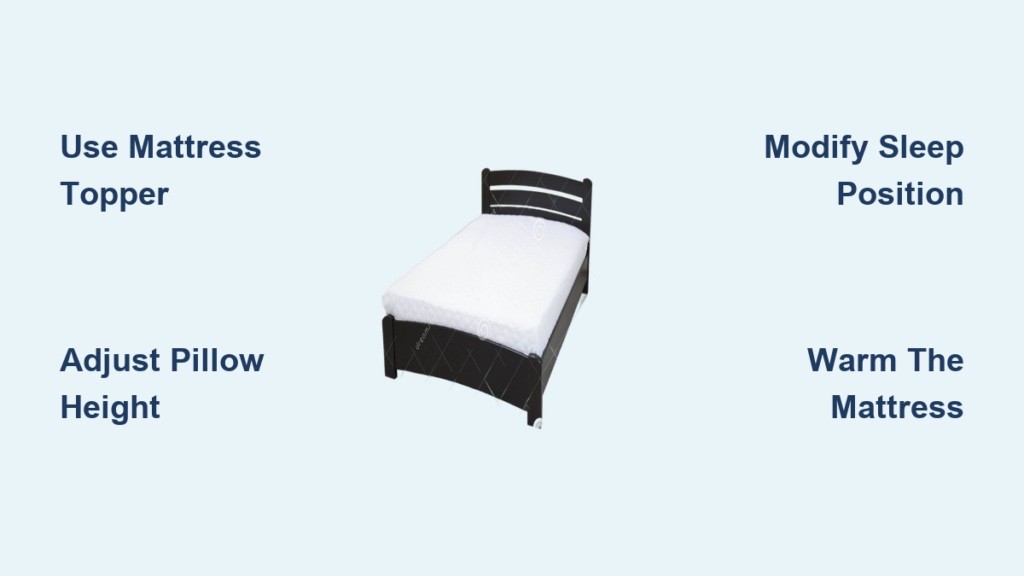
That first night on a hard mattress can feel like sleeping on concrete. Your hips press into the unyielding surface, your shoulders ache, and you spend hours tossing and trying to find relief. Yet millions of people worldwide sleep soundly on firm surfaces, waking refreshed without back pain. The secret isn’t enduring discomfort—it’s understanding how to adapt both your sleep setup and your body to transform a hard mattress from a torture device into your best sleep solution. Whether you’ve just bought a firm mattress or inherited one you can’t replace, these proven techniques will help you master how to sleep on a hard mattress without sacrificing comfort or rest.
Why Hard Mattresses Challenge Most Sleepers
Modern life has conditioned your body for soft surfaces, making firm mattresses feel uncomfortable at first. Years of sitting in cushioned chairs and sleeping on plush beds have created “front-loaded” tightness in your muscles and ligaments. When you stretch out on a firm surface, these constrained tissues suddenly engage and make themselves known—not because the mattress is too hard, but because your body is finally aware of its actual position for the first time.
The mattress industry has reinforced this discomfort through over a century of advertising that equates thick, plush mattresses with ultimate comfort. This psychological programming means your brain tells you something’s wrong when a mattress feels firm, even when that surface provides proper spinal support. Few scientific studies have examined alternatives to conventional mattresses precisely because they’ve been ubiquitous for so long, creating a population of sleepers who believe firm surfaces are inherently uncomfortable—even when those surfaces might offer superior alignment and breathing support.
Health Benefits of Firm Sleep Surfaces
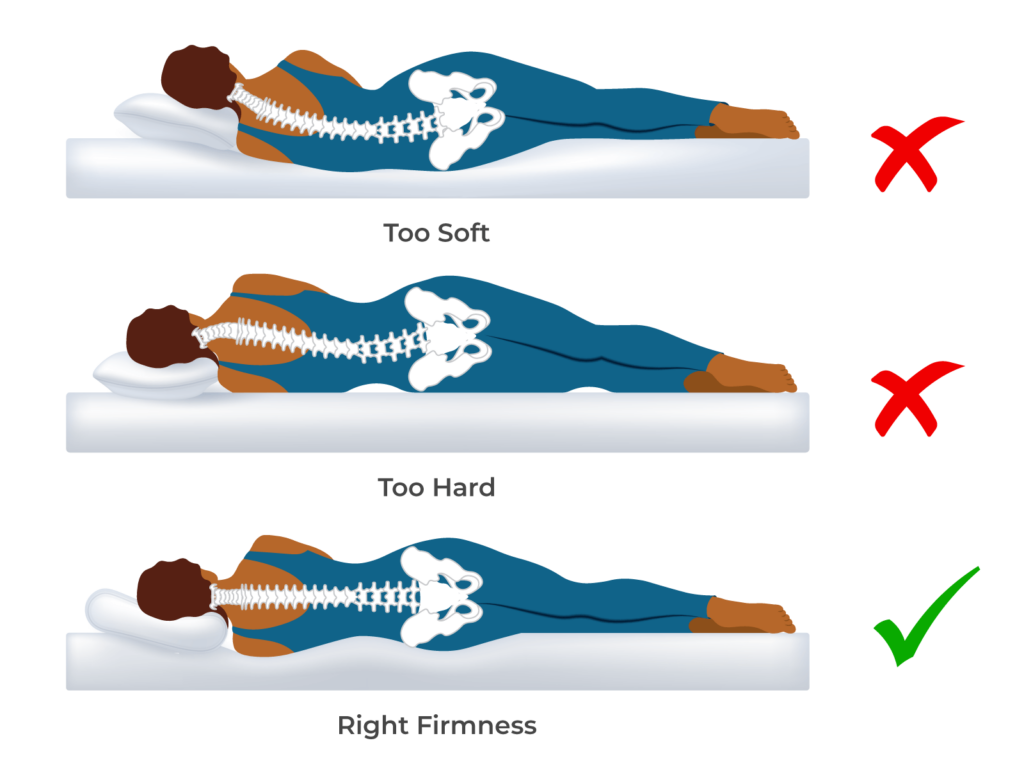
How Firm Surfaces Improve Spinal Alignment
Sleeping on a firm surface maintains your spine’s natural curves throughout the night rather than allowing your hips or shoulders to sink into misaligned positions. This consistent support happens almost automatically because the mattress doesn’t give way unevenly under different pressure points. Unlike soft mattresses that create unnatural sinking, firm surfaces keep your vertebrae properly aligned from head to toe, reducing strain on joints and muscles that causes morning aches.
Enhanced Breathing and Circulation on Firm Mattresses
Firm surfaces significantly improve your breathing capacity while you sleep. Your diaphragm operates more efficiently when your chest can fully expand against a supportive surface, drawing in more oxygen with each breath. This increased oxygenation continues throughout the night, contributing to deeper, more restorative sleep cycles. The improved circulation that results from proper body positioning on a firm mattress prevents the compression points that occur when sinking deeply into soft surfaces, reducing numbness and tingling in extremities.
Signs Your Mattress Is Too Firm
Persistent Morning Discomfort Indicators
Waking up feeling tired, stiff, or sore after adequate sleep time signals your hard mattress may be counterproductive. These symptoms occur because an overly firm surface prevents muscle relaxation, forces your body into strained positions, or creates pressure points that interrupt deep sleep stages. If you consistently wake with neck or back pain that wasn’t present before switching to a firm mattress, your sleep surface likely needs adjustment.
Nerve Compression Warning Signs
Persistent numbness or tingling in your arms or hands during the night indicates pressure is compressing nerves—a serious sign your mattress firmness requires modification. While some initial numbness during adjustment is normal, recurring symptoms suggest the firmness level needs immediate attention. Similarly, if you find yourself constantly repositioning throughout the night searching for comfort, your mattress may be too firm for your body type and sleeping position.
Add a Mattress Topper for Immediate Relief

Selecting the Perfect Topper Thickness
The simplest solution for an overly firm mattress is adding a quality mattress topper that introduces cushioning while preserving support benefits. Aim for one to two inches of padding—the sweet spot that prevents pressure points without allowing your hips to sink out of alignment. Memory foam toppers conform precisely to your body shape, while latex options provide similar cushioning with better temperature regulation.
Topper Material Considerations
Prioritize naturally hypoallergenic materials with removable, machine-washable covers for both health and longevity. This combination provides an economical solution that costs significantly less than purchasing a new mattress while ensuring your investment stays clean and comfortable over time. Organic wool toppers offer natural temperature regulation, while bamboo-derived fibers provide exceptional breathability for hot sleepers.
Optimize Pillow Selection for Firm Mattress Comfort
Finding the Right Pillow Height
Your pillow becomes critically important when sleeping on a hard mattress, as it must compensate for the reduced cushioning below. For most adults, a pillow height of about five inches when compressed provides appropriate support for side and back sleeping. Stomach sleepers benefit from thinner, softer pillows that don’t force the neck into unnatural twisting positions.
Pillow Materials That Complement Firm Surfaces
Organic pillows reduce exposure to synthetic materials and chemicals, which matters particularly when your face spends eight hours nightly pressed against the fill material. Buckwheat hull pillows offer adjustable firmness that works exceptionally well with hard mattresses, allowing you to customize height and support. Memory foam pillows provide consistent support but can retain heat, so look for gel-infused versions if you sleep hot.
Break In Your New Firm Mattress Properly
Accelerating the Mattress Adaptation Process
New firm mattresses require up to thirty days to reach optimal comfort as materials settle and conform to your body weight patterns. Continue sleeping on the mattress every night during this period to accelerate the adaptation process—your body weight and heat help the materials soften naturally where you need it most. For faster results, walk up and down the mattress on your knees for five minutes daily to apply concentrated pressure that softens materials more quickly than normal sleeping alone.
Patience During the Adjustment Period
Many sleepers who initially consider returning a new firm mattress discover that by the end of the thirty-day window, the surface has transformed from painfully hard to comfortably supportive. This gradual softening represents the mattress reaching its intended performance characteristics rather than a defect requiring replacement. Track your comfort level daily during the first two weeks—you’ll likely notice significant improvement that wasn’t apparent during the initial uncomfortable nights.
Modify Your Bed Frame for Softer Support

Slat Replacement Strategies
Your bed frame significantly affects how firm your mattress feels. If your bed uses solid wooden slats, swapping them for sprung slats introduces additional give that can transform an uncomfortably hard mattress into a supportive sleep surface. The flexible slats absorb pressure that would otherwise transmit through the mattress to your body, effectively adding cushioning without changing the mattress itself.
Foundation Alternatives for Firm Mattresses
Replacing a solid foundation with a sprung divan base or more flexible bed frame can make the overall sleep surface feel noticeably softer. Platform beds with solid surfaces maximize firmness, while frames that allow slight flex introduce subtle cushioning that accumulates into meaningful comfort improvements. Before investing in expensive toppers or replacements, consider whether your foundation might be contributing to firmness-related discomfort in ways simple modifications could address.
Adjust Your Sleep Position for Hard Mattress Comfort
Back Sleeping Benefits on Firm Surfaces
Shifting to back sleeping distributes your weight across your entire body, reducing pressure concentration and making the firm surface feel softer. Back sleeping promotes optimal spinal alignment, as your spine maintains natural curves while resting on consistent support from head to toe. If you’ve always been a side or stomach sleeper, use strategic pillow placement to train yourself—place pillows along your sides to prevent rolling while you adjust.
Side Sleeping Modifications for Firm Mattresses
For side sleepers, hugging a large pillow while placing another between your knees keeps hips aligned and prevents the upper leg from pulling the spine out of position. Full-body pillows provide continuous support from shoulder to hip, eliminating pressure points that make firm surfaces uncomfortable. Ensure your head pillow maintains neutral spine alignment—your ears should stay in line with your shoulders when lying on your side.
Temperature Adjustments for Mattress Comfort
Using Heat to Soften Firm Mattresses
Temperature significantly affects mattress firmness, especially for latex and memory foam materials that soften when warm. If your hard mattress feels especially uncomfortable during cold months, raising the bedroom temperature by a few degrees can make a noticeable difference. The materials respond to both ambient temperature and your body heat, so warming the sleep environment helps the mattress conform more readily to your body shape.
Targeted Warming Techniques
Using hot water bottles or electric blankets adds localized warmth that softens firm spots without heating the entire room. Focus heat on areas that typically experience the most pressure—hips, shoulders, and lower back—for targeted relief while maintaining overall firmness that provides spinal support. This approach works particularly well for creating immediate comfort while your body gradually adapts to the firmer surface.
When to Seek Professional Guidance
Persistent discomfort despite trying multiple adjustment approaches suggests underlying issues requiring expert assessment. Chiropractors and physiotherapists can identify specific causes of your discomfort and recommend tailored solutions, including appropriate firmness levels, sleeping positions, or mattress models that provide better support. Their expertise can shortcut the frustrating trial-and-error process many sleepers experience when resolving firmness-related issues independently.
Certain health conditions require additional caution when transitioning to harder sleeping surfaces. People with arthritis, scoliosis, rheumatism, or circulation issues should avoid extremely hard surfaces without professional guidance. Working with healthcare providers helps identify appropriate firmness levels that accommodate specific health concerns while still providing the benefits of firmer support. Your body and your back will thank you for the effort to find the perfect balance between support and comfort.