
Moving a bulky foam mattress through narrow doorways and stairwells can turn your relocation into a nightmare. What if you could reduce that cumbersome mattress to one-third of its original size, making it easy enough for one or two people to carry? Shrinking a foam mattress through proper compression techniques is entirely possible when you understand the right methods. This guide reveals exactly how to shrink a foam mattress safely without damaging its structure or voiding your warranty—transforming your moving experience from stressful to seamless.
Memory foam mattresses compress exceptionally well because they contain no metal springs or rigid internal structures that could suffer permanent damage. These flexible foam layers handle vacuum-sealing remarkably well, which explains why leading mattress companies ship their products in compact boxes directly to your door. However, improper compression techniques can leave you with a flat, saggy mattress that never recovers its original comfort. By following the precise methods outlined here, you’ll protect your investment while dramatically simplifying your move.
Identify Which Mattresses Can Be Safely Compressed
Before attempting to shrink your foam mattress, confirming compatibility prevents costly damage and protects your investment. Memory foam and all-foam mattresses compress most successfully because they consist entirely of flexible foam layers without rigid internal structures that could bend under pressure. Pure latex mattresses also respond well to compression, though their denser structure typically requires more force to flatten completely. Some hybrid mattresses with minimal coil systems might compress safely, but always review your manufacturer’s guidelines first.
Traditional innerspring mattresses should never be compressed at home—their metal coils form the core support system and will permanently bend, break, or misalign under vacuum pressure. Bent coils create uncomfortable pressure points that render the mattress unusable, and broken metal components might tear through the fabric during compression. Inspect your mattress for existing damage before compressing; small tears or weak spots will likely expand under vacuum pressure, potentially ruining your mattress completely.
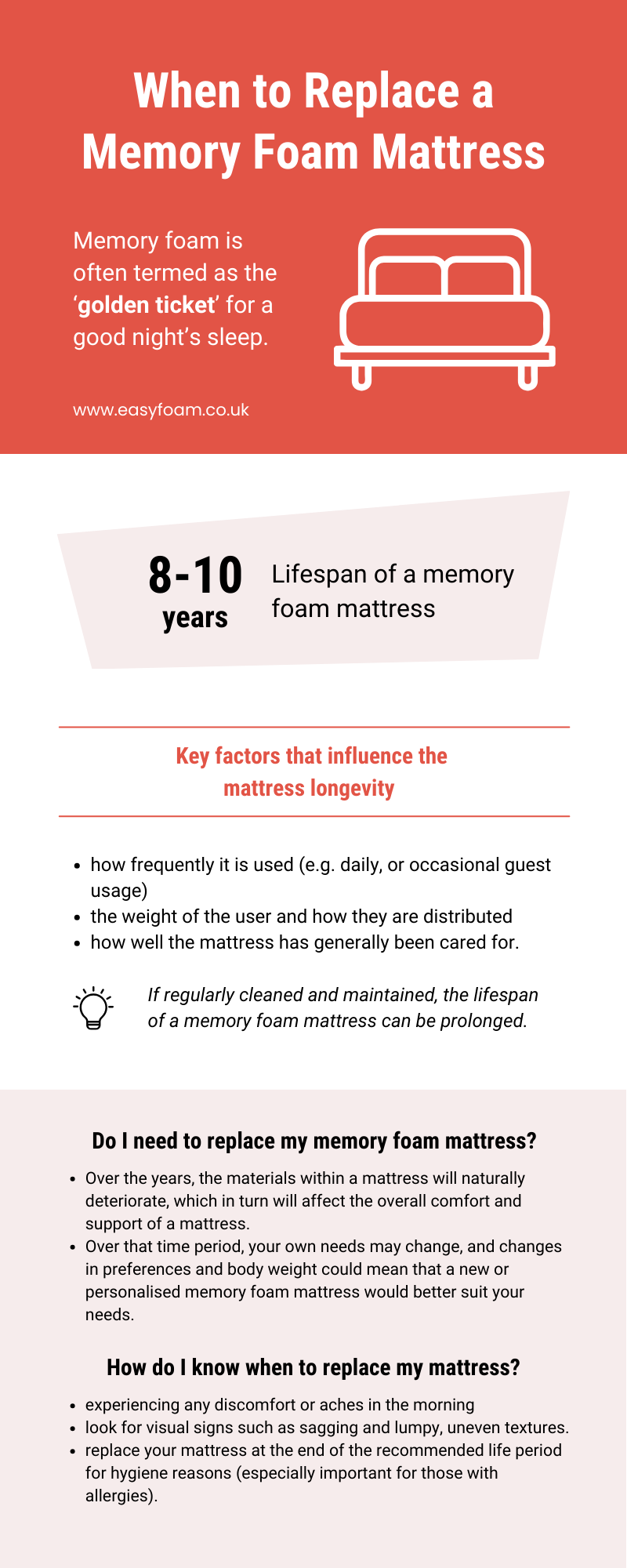
Consider your mattress’s age carefully—mattresses over seven years old often contain degraded foam that may crack or fail to return to its original shape. Older memory foam loses elasticity over time, making it less likely to rebound after compression. Always review your warranty documentation before proceeding, as many mattress warranties specifically prohibit compression by anyone other than the manufacturer.
Assemble the Essential Compression Equipment
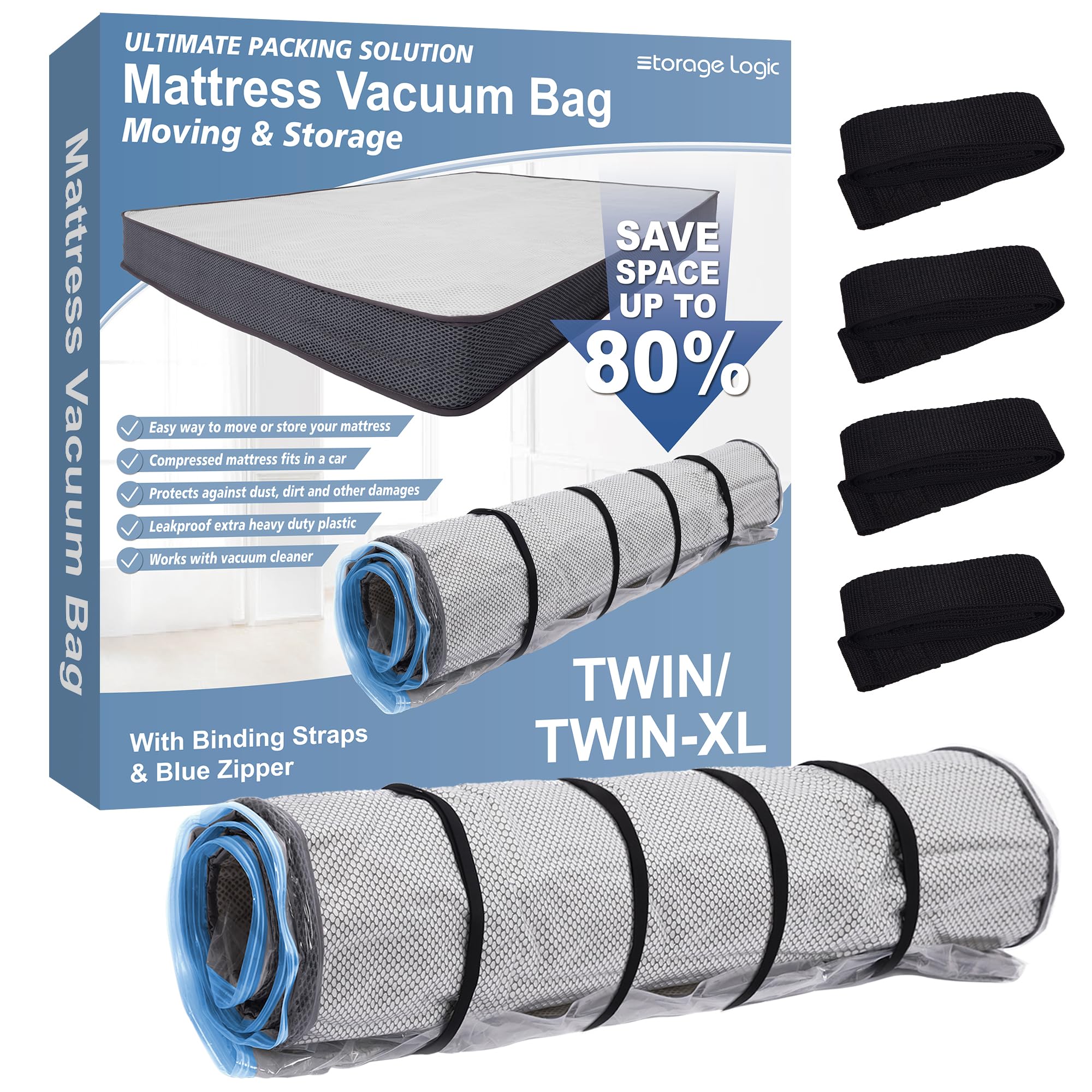
Successful foam mattress compression requires specific tools that work together to shrink your mattress safely. You’ll need a heavy-duty plastic mattress bag sized appropriately for your mattress (twin, full, queen, or king) with at least 4 mil thickness to prevent tears during compression. These specialized bags create the airtight seal necessary for effective vacuum compression and are available from moving supply stores and online retailers.
Strong duct tape or packing tape secures the plastic bag and reinforces weak points during compression—you’ll need at least one full roll to properly seal the bag and secure the vacuum valve. Apply tape in overlapping strips for maximum strength, paying extra attention to corners where leaks commonly occur. A vacuum cleaner with a hose attachment removes air from the sealed plastic bag, allowing your mattress to shrink; shop vacuums provide stronger suction for thicker, denser models.
A one-way vacuum bag valve prevents air from flowing back into the bag after removing the vacuum hose, and ratchet straps maintain compression while providing convenient handles for moving. Use at least two straps—one near the head and one near the foot—with a third strap in the middle for larger mattresses like queens and kings.
Vacuum Seal Your Mattress Without Damage
The vacuum compression method represents the most effective approach for shrinking your foam mattress while preserving its integrity. Begin by removing all bedding and thoroughly cleaning your mattress with a vacuum’s upholstery attachment. Place your bare mattress on a clean, flat surface like your floor to prepare for compression.
With a helper’s assistance, carefully slide your mattress into the plastic mattress bag, ensuring it lies flat with no folds. Seal the open end by folding it several times and taping it shut with overlapping strips of duct tape. Create a small hole in the plastic bag away from seams, insert the valve, and secure it with multiple layers of tape to prevent air leaks.
Connect your vacuum hose to the valve and turn on the vacuum, watching as your mattress begins to flatten. Continue vacuuming until no more air emerges—typically 10-15 minutes—and your mattress has compressed to approximately one-third of its original thickness. Once fully compressed, quickly remove the vacuum hose and seal the valve. While the mattress remains flat on the floor, wrap ratchet straps around it, positioning them near the head and foot, and tighten gradually while maintaining even pressure.
Roll Your Mattress When Vacuum Isn’t Available

If you don’t have access to a vacuum cleaner, the rolling method provides an effective alternative for shrinking your foam mattress. After removing all bedding and cleaning your mattress, slide it into a heavy plastic mattress bag and seal the open end with tape, leaving a small hole for air to escape.
With your helper holding one end of the mattress, begin rolling it tightly from the opposite end toward your helper. Use your hands to press down and compress the mattress as you roll, going slowly while continuing to push down to remove as much air as possible. When you reach the halfway point, ask your helper to hold the mattress in its rolled shape while you wrap tape around the roll from one end to the other.
Alternatively, secure the rolled mattress with ratchet straps: slip the middle of the strap under one end of the roll, pull the strap tight from the top using the metal ratchet device, and repeat on the other end. Without vacuum assistance, you’ll need extra ratchet straps to maintain the reduced size, and your mattress won’t get as compact as with vacuum methods.
Fold Your Mattress for Limited Space Situations
When rolling proves difficult or you need a less aggressive approach, the folding method offers a manageable alternative for transportation. Remove all bedding and vacuum your mattress clean, then place it inside a plastic mattress bag with a helper’s assistance.
With your helper holding one of the shorter ends of the mattress in place, stand at the opposite end and lift it up, folding it over to meet your helper’s end. Smooth down the crease in the center of the mattress to help make the fold more compact. Avoid sharp bends or folds in your mattress, as these create creases that may become permanent.
Secure the folded mattress with rope or ratchet straps: wrap a piece of rope or a ratchet strap under one end of the mattress, bring it up to the top and secure it tightly. Apply a second rope or strap around the other end of the mattress, tightening everything as much as possible. If you must bend your compressed mattress to fit through doorways, create the gentlest curve possible—some people use pool noodles or rolled towels along fold lines to create wider, gentler curves.
Never Exceed Safe Compression Time Limits
Following critical time limits protects your mattress from permanent damage during compression. Most memory foam mattresses should remain compressed for no longer than two weeks to avoid permanent damage. The longer your mattress stays compressed, especially in extreme temperatures or humidity, the higher the risk it won’t fully expand when unpacked.
Newer mattresses generally tolerate compression better than older ones, but even new mattresses have limits. Plan your move carefully so your mattress remains compressed only for transportation and immediate storage. If your storage plans change, consider unpacking your mattress and recompressing it later rather than leaving it compressed for extended periods.
Extreme temperatures and humidity accelerate foam degradation during compression, so avoid storing compressed mattresses in garages, sheds, or other spaces with uncontrolled climates. Do not use excessive force when compressing memory foam, as the foam can permanently lose its shape if compressed too tightly or for too long.
Properly Expand Your Mattress After Moving
Once you’ve reached your destination, proper decompression ensures your mattress returns to its original comfort level. Begin by cutting the ratchet straps carefully with scissors, being careful not to damage the mattress underneath. Open the plastic bag by cutting along one edge away from the mattress surface to avoid accidental cuts to the fabric.
Place your unwrapped mattress on a flat surface such as your bed frame or clean floor and leave it undisturbed. Most memory foam mattresses need at least 24 hours to regain 90% of their original shape and firmness, though thicker, denser mattresses often require the full 72 hours to completely decompress. Avoid sleeping on your mattress during this initial expansion period.
Keep your room at a comfortable temperature between 68-72°F to help the foam expand properly. Walking lightly across the surface of the mattress in clean socks can help stimulate the foam cells to expand in stubborn areas. After full expansion, inspect your mattress thoroughly for any signs of compression damage, paying special attention to corners and edges where permanent creasing most commonly occurs.
Recognize When Compression Isn’t Safe
Certain situations warrant avoiding DIY mattress compression entirely. Innerspring mattresses should never be compressed at home under any circumstances—their metal coils will permanently bend or break during the process. Very old mattresses, particularly those over seven years old, have usually begun breaking down internally and make poor candidates for compression.
Mattresses showing visible signs of previous damage or wear should never be compressed. Existing tears will almost certainly expand during compression, potentially destroying your mattress completely. If compressing your mattress seems too risky, professional moving companies have specialized equipment for safely transporting mattresses without compression.
Mattress carrying bags with sturdy handles make moving an uncompressed mattress much easier, typically costing $20-40 and featuring reinforced corners to prevent tears. Sometimes replacing your mattress makes more sense than moving it, especially if it’s approaching the end of its useful life.
Final Note: Successfully shrinking a foam mattress requires identifying the right mattress type, assembling proper equipment, and respecting critical time limits. Memory foam and all-foam mattresses compress well, while innerspring models cannot be safely compressed at home. Use vacuum sealing with ratchet straps for best results, limit compression to two weeks maximum, and allow 24-72 hours for proper expansion after decompression. Following these precise guidelines ensures your mattress continues providing comfortable sleep for years to come.