You’ve got a moving day approaching and need to transport your spring mattress through narrow stairwells or store it temporarily in a small space. Unlike foam mattresses that compress easily, rolling a spring mattress requires specialized knowledge to avoid permanent damage. Many people assume all mattresses roll the same way, but spring constructions present unique challenges due to their internal coil structure. Understanding whether your specific spring mattress can be safely rolled—and how to do it properly—is critical to preserving its comfort, support, and warranty coverage. This guide reveals exactly how to roll a spring mattress without damaging its internal structure, when rolling is appropriate, and what alternatives exist when rolling isn’t recommended.
Determining Spring Mattress Rollability Before You Begin
Before attempting to roll your spring mattress, you must determine if it’s even possible without causing permanent damage. Not all spring mattresses respond equally to compression, and the wrong approach can create uncomfortable pressure points or areas of reduced support that compromise sleep quality.
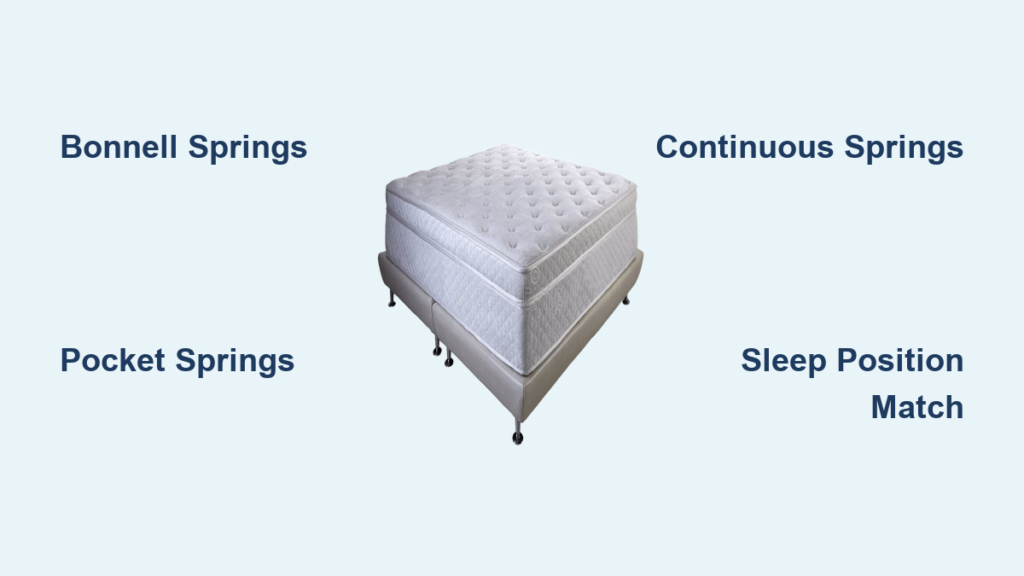
Traditional innerspring mattresses with interconnected coils generally cannot be safely rolled. These rigid coil structures resist bending forces, and attempting to roll them often results in permanently deformed springs that create uneven support surfaces. When subjected to rolling pressure, the interconnected coils transfer stress throughout the entire mattress, making localized damage difficult to avoid.
Pocketed coil mattresses offer significantly better rollability since each spring operates independently within its fabric pocket. This construction allows the mattress to flex at fold points without transferring stress across the entire surface. While pocket spring mattresses tolerate rolling better than traditional innersprings, they still require careful handling to prevent damage to the coil encasements or fabric pockets.
The most critical step before rolling any spring mattress is checking the manufacturer’s documentation. Many warranties explicitly prohibit rolling or compression, and violating these terms voids your entire warranty coverage. If your mattress came pre-compressed for shipping, it’s designed to withstand rolling, but most traditional spring mattresses aren’t engineered for this treatment. When in doubt, contact the manufacturer directly before proceeding—this simple call could save you hundreds in replacement costs if damage occurs.
Warning Signs Your Spring Mattress Can’t Be Rolled
- Visible coil impressions on the mattress surface indicate interconnected springs that resist bending
- Warranty documentation specifically prohibiting “rolling,” “folding,” or “compressing”
- Mattress thickness exceeding 12 inches creates excessive bending stress on coils
- Signs of existing wear including sagging, lumps, or visible coil damage
Step-by-Step Manual Rolling Method for Compatible Spring Mattresses
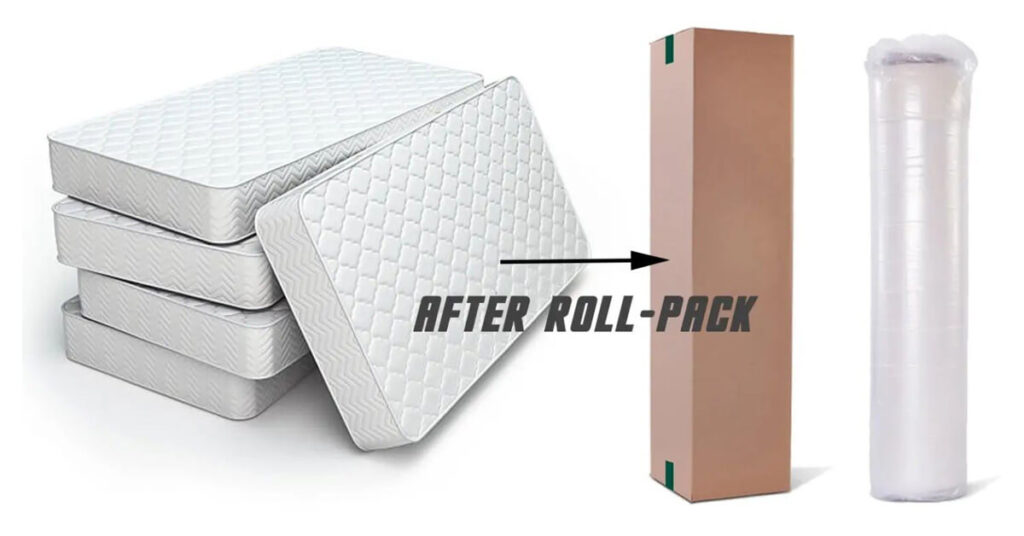
If you’ve confirmed your pocket spring mattress can be safely rolled, follow this precise procedure to minimize damage risk while achieving effective compression. Never attempt these steps with traditional innerspring mattresses, as permanent structural damage is likely.
Prepare the Mattress and Workspace
Begin by completely stripping all bedding—remove sheets, protectors, and any accessories that could interfere with the rolling process. Position the mattress on a clean, flat surface free of debris or sharp objects that might puncture the fabric. Ensure you have adequate space (at least twice the mattress length) to complete the rolling process without obstruction.
Execute the Lengthwise Fold
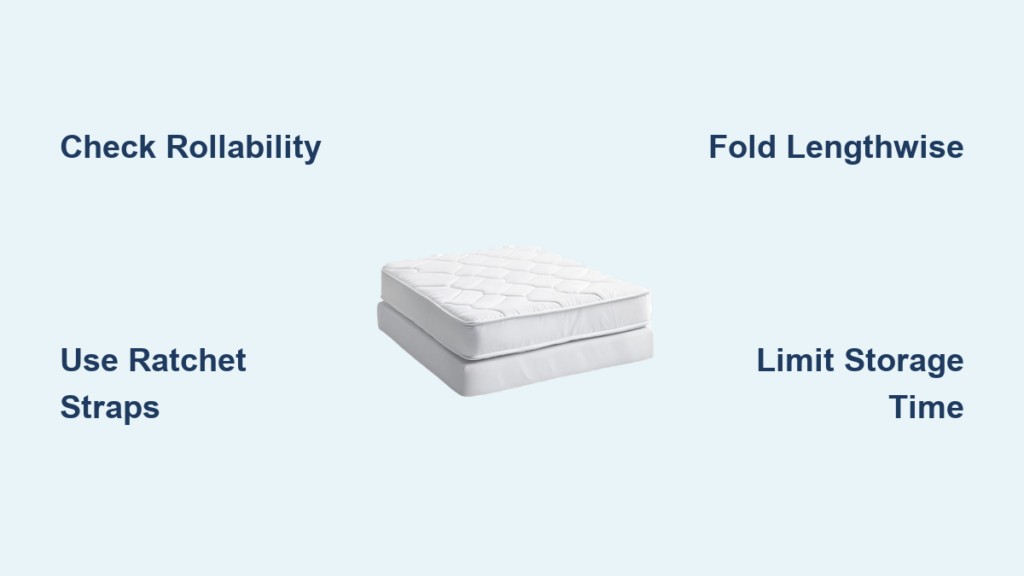
For spring mattresses, always fold lengthwise rather than widthwise to reduce the tightest bend radius the springs must accommodate. Start at one edge and slowly fold the mattress toward the center, paying close attention to how the springs respond. If you hear excessive creaking or notice the surface buckling unevenly, stop immediately—this indicates the coils are approaching their structural limits.
Secure the Folded Position
Use heavy-duty ratchet straps (not rope) to secure the folded position before initiating the roll. Position straps every 18-24 inches across the folded mattress, ensuring even pressure distribution rather than concentrated force points. Ratchet straps provide the precise tension control needed to avoid over-tightening while maintaining fold integrity.
Roll with Controlled, Even Pressure
Begin rolling from one end toward the other, applying gentle, consistent pressure throughout the motion. For spring mattresses, the roll must be noticeably looser than what would be appropriate for foam mattresses—aim for a final diameter of at least 18-24 inches to prevent excessive coil deformation. Two people should handle standard queen or king sizes, with one maintaining the fold tension while the other controls the roll progression.
Final Securing for Transport or Storage
Apply additional straps at multiple points along the rolled length, with special attention to securing both ends of the cylinder. The tension should be firm enough to maintain roll integrity without creating visible compression marks on the mattress surface. For storage exceeding 48 hours, add a protective plastic covering before final strapping to prevent moisture accumulation.
Essential Tools That Make Spring Mattress Rolling Possible
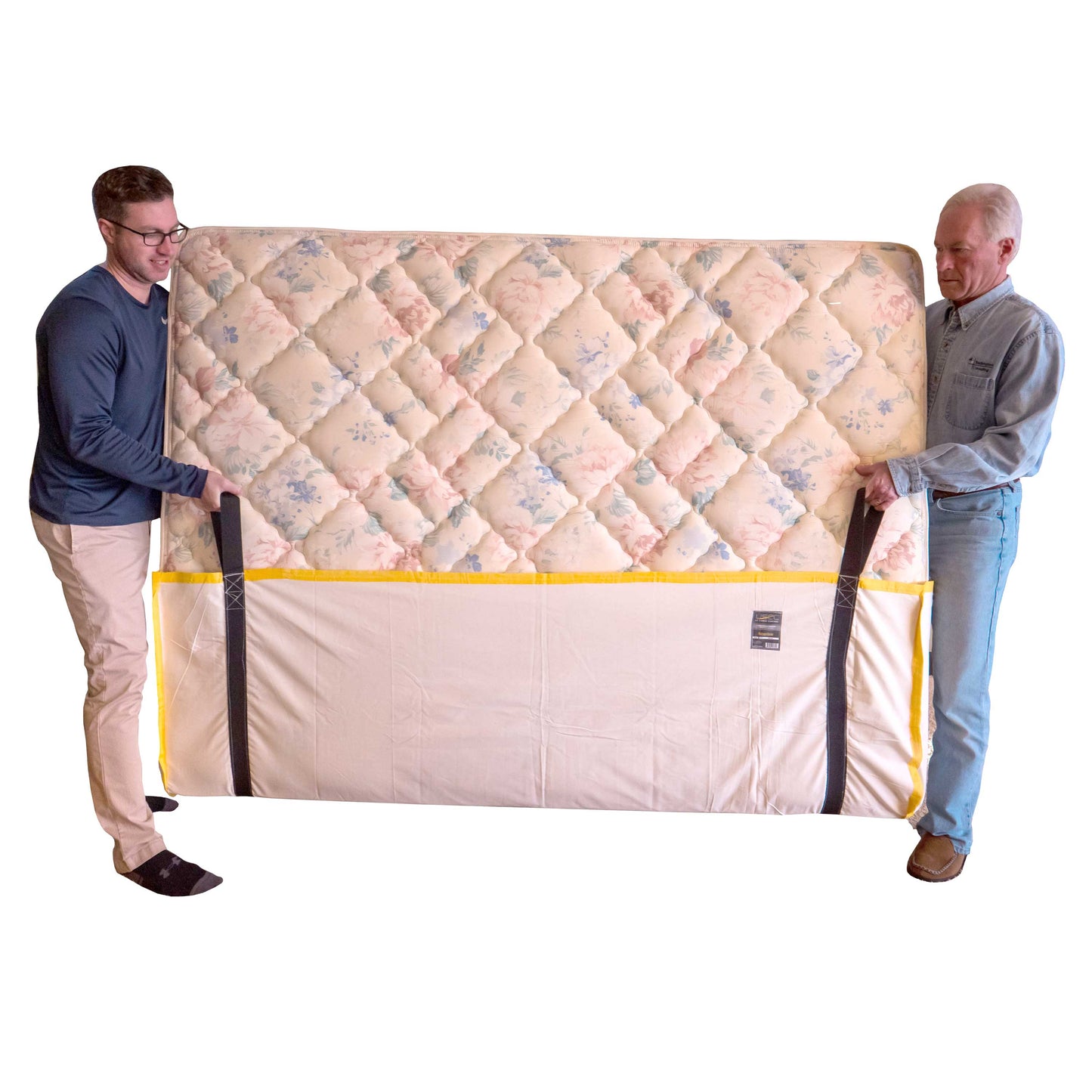
Attempting to roll a spring mattress without the right equipment significantly increases damage risk and makes the process unnecessarily difficult. These specific tools transform what would be impossible into a manageable task:
- Heavy-duty ratchet straps (2-3) – Provide adjustable tension control that prevents over-compression
- Mattress bag or thick plastic sheeting – Protects surface from dirt, moisture, and physical damage
- Non-slip mat or clean blanket – Creates stable working surface that prevents sliding during rolling
- Gloves with grip – Protects hands from potential coil protrusions and improves handling
The ratchet straps are particularly crucial—they allow precise tension adjustment that prevents the excessive force application common with rope or bungee cords. Standard 1-inch wide straps with 500-1,000 lb working load limits provide the perfect balance of strength and control for spring mattress rolling.
Critical Risks of Rolling Incompatible Spring Mattresses
Rolling an unsuitable spring mattress creates problems that often don’t appear immediately but manifest as comfort issues weeks or months later. Understanding these risks helps you recognize when rolling isn’t worth the potential consequences.
Structural damage represents the most significant concern—once coils become permanently deformed from improper rolling, they cannot return to their original configuration. This damage creates uncomfortable pressure points, reduced support in specific areas, and altered firmness characteristics that diminish sleep quality. Unlike foam mattresses that gradually regain shape, damaged springs maintain their deformed state indefinitely.
Warranty implications require serious consideration before rolling any spring mattress. Manufacturers design products with specific handling requirements based on extensive testing, and rolling in ways not anticipated by the manufacturer voids warranty coverage. This means if performance issues develop after rolling, you’ll have no recourse for replacement or repair.
When Rolling Is Definitely Not Recommended
- Traditional innerspring mattresses with interconnected coil systems
- Mattresses with visible wear including sagging, lumps, or exposed coils
- Units thicker than 12 inches that require excessive bending
- Products with warranty terms explicitly prohibiting compression
Best Practices for Safe Spring Mattress Handling
When circumstances necessitate rolling a pocket spring mattress, following these evidence-based practices minimizes damage risk while maximizing successful outcomes.
Limit Rolled Duration and Monitor Condition
Spring mattresses tolerate compressed storage better than foam alternatives but still suffer from prolonged compression. Unroll your mattress as soon as practical after transport—ideally within 48 hours—to allow the coil structure to return to normal operation. Extended rolling periods (beyond 2 weeks) increase the likelihood of permanent performance changes even with compatible mattress types.
Store Vertically with Even Support
During storage, position rolled spring mattresses vertically rather than horizontally to prevent uneven compression across the roll length. If vertical storage isn’t possible, ensure even support along the entire roll to avoid creating pressure points that could damage specific coil sections. Avoid stacking other items on top of the rolled mattress, as this creates uncontrolled compression forces.
Use Climate-Controlled Storage Conditions
Store rolled spring mattresses in cool, dry environments to prevent moisture accumulation that could promote mold growth within the materials. Temperature extremes should be avoided, as excessive heat affects any foam components while extreme cold makes materials more brittle. Climate-controlled storage provides optimal conditions for preserving mattress quality during compressed storage.
Spring Mattress vs. Other Types: Rolling Compatibility Comparison
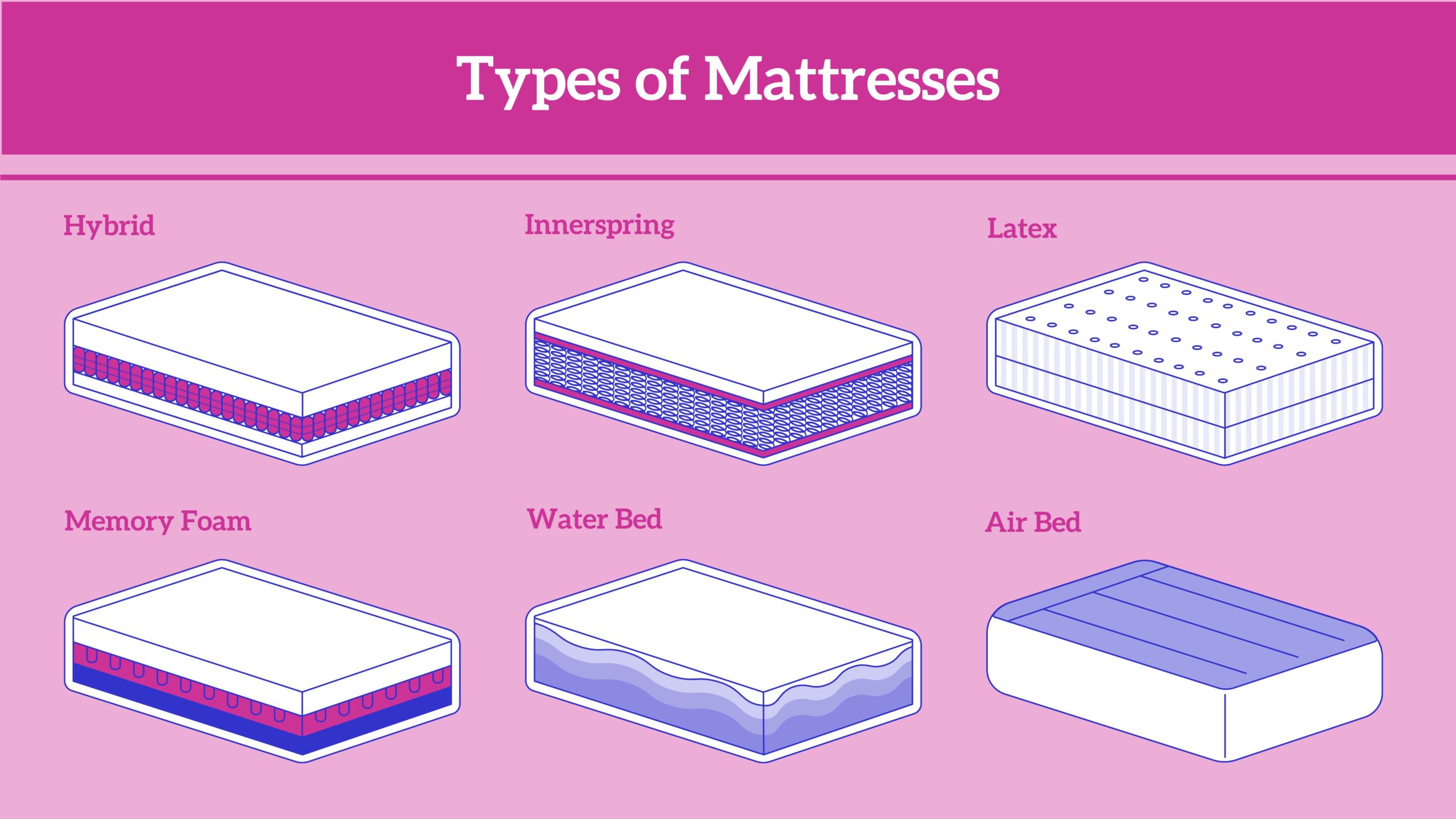
Understanding how spring mattresses compare to other constructions explains why rolling requires such careful consideration:
- Pocket spring mattresses – Best rollability among spring types due to independent coil operation
- Traditional innerspring mattresses – Generally cannot be safely rolled due to interconnected coil structure
- Memory foam mattresses – Roll most easily but shouldn’t remain compressed long-term
- Hybrid mattresses – Present similar challenges to spring mattresses with additional foam layer complications
This comparison highlights why you can’t apply generic “how to roll a mattress” advice to spring constructions—their internal mechanics demand specialized handling approaches that respect the coil structure’s limitations.
Rolling a spring mattress requires careful assessment of your specific product’s construction before proceeding. Pocket spring models offer the only realistic candidates for safe rolling, and even these demand precise technique to avoid permanent damage. Always check manufacturer guidelines first—when rolling isn’t recommended, consider professional moving services with mattress cribs instead of risking your investment. If your mattress qualifies for rolling, follow the step-by-step method with proper tools, limit rolled duration, and store vertically in climate-controlled conditions. By respecting the unique characteristics of spring mattress construction, you can successfully navigate moving or storage challenges while preserving your mattress’s comfort and support for years to come. When in doubt, consult the manufacturer directly—this small effort protects both your sleep investment and warranty coverage.