Your old foam mattress may no longer provide comfortable sleep, but discarding it to landfill represents a significant waste of valuable material that could serve dozens of practical purposes around your home. Quality foam maintains its structural properties far longer than most people realize—what you consider worn out for sleeping may contain perfectly usable material for other applications. Instead of sending your mattress to a landfill where it will sit for decades, transform that foam into something entirely new and useful. This guide walks you through assessment, preparation, and creative projects that give your old foam mattress a second life while saving money and reducing environmental waste.
The average foam mattress contains over 75 percent recyclable materials by weight, yet millions end up in landfills each year simply because people don’t know what to do with them. Understanding how to properly assess, prepare, and repurpose foam from old mattresses opens up possibilities most homeowners never consider. From furniture restoration to pet beds, from camping gear to children’s play areas, the applications are surprisingly diverse and often surprisingly simple to execute. Whether you’re a seasoned DIY enthusiast or looking for your first reuse project, this guide provides the knowledge and inspiration you need to get started.
Diagnose Your Foam Mattress Condition Before Repurposing
Before attempting any reuse project, you must honestly evaluate what you’re working with. Not all old foam mattresses qualify for every application, and understanding your mattress’s condition helps you choose appropriate projects that will last.
Examine the foam carefully for permanent compression where body impressions have formed that don’t bounce back when you move. Look for crumbling foam (indicating chemical breakdown), discoloration (suggesting oxidation), or persistent odors (signaling absorption of biological matter). Even foam that has become uncomfortable for sleeping often remains perfectly suitable for other applications.
Critical foam density test: Press your thumbnail into the foam—high-density foam (3-pound range) will resist indentation while lower-density foam (1.2-1.9 pound range) compresses easily and slowly recovers. High-density foam should withstand another decade of regular use in cushion applications, while lower-density foam may deteriorate more quickly.
Separate Worn Layers from Intact Base Foam
Mattresses typically feature layered construction with upper comfort layers that degrade while foundational base layers remain in excellent condition. This design allows you to salvage usable material even from mattresses that feel too soft for sleeping.
Remove the mattress cover (if removable and washable) to inspect internal layers. Carefully separate worn top layers from intact base foam using a utility knife along seam lines. You’ll often discover that the upper memory foam layer shows wear while the underlying base foam remains undamaged—effectively getting two useful materials from one old mattress.
Eliminate Odors and Biological Matter Before Reuse

Professional cleaning becomes essential when your mattress will be used in any capacity involving human or pet contact. Mattresses accumulate significant biological matter over years of use—some estimates suggest a decade-old mattress can double in weight due to sweat, skin cells, dust mites, and other debris.
For indoor reuse projects or donation, invest $60-$150 in professional cleaning services. These extract deeply embedded debris that household cleaning cannot reach, ensuring your projects start with clean, sanitary materials. Professional equipment uses specialized techniques that eliminate odors and biological contaminants more effectively than DIY methods.
Avoid Fiberglass Fire Barrier Hazards During Disassembly
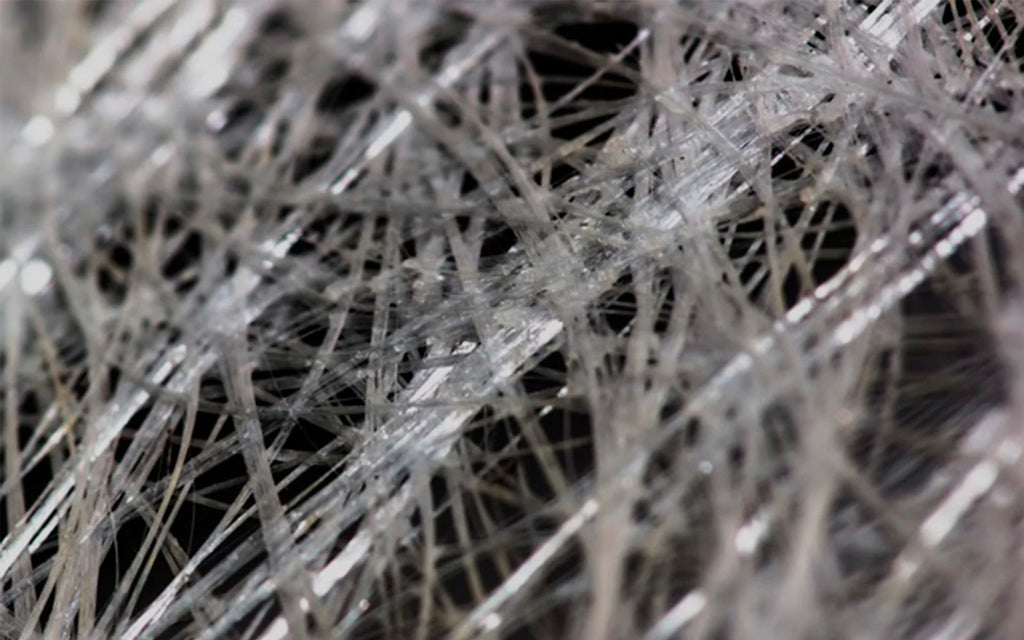
Before cutting into any foam mattress, verify whether it contains fiberglass fabric as a fire barrier. Some cheaper memory foam mattresses incorporate this material, and when cut or torn open, fiberglass fibers become airborne and create significant respiratory and surface contamination hazards.
Warning: Cutting into fiberglass-containing mattresses creates what experts describe as “an absolute nightmare to clean up.” Check manufacturer information or look for tiny glass fibers on the surface before attempting disassembly. If fiberglass is present, skip disassembly projects and consider donation or professional recycling instead.
Transform Mattress Foam into Custom Pet Beds
Pet beds created from old mattress foam provide superior comfort for animals while eliminating disposal costs. The memory foam properties that make mattresses comfortable for humans transfer directly to pet applications, providing joint support particularly valuable for aging animals with arthritis.
Cut foam to appropriate size for your pet using an electric carving knife for clean edges, then cover with soft, durable fabric. Add removable, washable covers for easy maintenance. A single queen-sized mattress provides enough foam for numerous pet beds—perfect for multiple pets or creating donation items for animal shelters.
Create Travel-Friendly Pet Cushions for Cars and Crates
Memory foam sections cut to fit shopping carts, car seats, or crates provide comfortable resting surfaces wherever your pet travels. The foam’s pressure-relieving properties benefit animals with mobility issues, making travel more comfortable. These portable cushions outperform inflatable alternatives in comfort and durability while requiring no maintenance or risk of deflation.
Build Safe, Comfortable Play Areas for Children
Toy blocks and play structures created from mattress foam provide safe, comfortable play materials that commercial alternatives cannot match. Cutting foam into large cubes or rectangles and covering with soft, durable fabric creates building blocks children can stack, knock down, and arrange without risk of injury.
These foam blocks prove ideal for children developing motor skills, providing cushioning for inevitable falls during active play. Unlike wooden blocks that can cause bumps, foam construction allows aggressive play with minimal injury risk. The lightweight nature lets even young children manipulate them independently.
Create Foam Play Mats for Extended Floor Activities
A full or partial mattress section covered with a washable surface creates an ideal space for floor-based activities including board games, puzzles, and crafts. The cushioning protects developing joints and provides comfort for extended play periods. For babies learning to crawl or walk, this foam play surface offers safe cushioning for tumbles while remaining comfortable for sitting.
Restore Worn Furniture Cushions with Mattress Foam
Living room furniture that has become uncomfortable due to degraded cushions often uses foam dimensions that correspond closely to mattress foam layers. A queen-sized mattress base layer may provide sufficient material to restore all cushions in a three-piece living room set.
The cost savings make this approach compelling—quality foam that would cost approximately $300 new from an upholstery shop can be salvaged at no material cost. Professional cushion replacement services charge nearly $600 for pre-assembled inserts, while online replacements can exceed $1000.
Cut and Assemble Replacement Cushions in 3 Steps

- Measure your existing cushions and map out foam cuts on your mattress base layer to maximize material usage
- Use an electric carving knife for clean, precise cuts that maintain foam integrity
- Spray upholstery foam adhesive between layers for extra thickness, then wrap with polyester batting before covering with fabric
Construct Weather-Resistant Outdoor Seating

Old foam mattresses transform excellently into outdoor seating options through relatively simple conversion processes. Cut the mattress into sections appropriate for your seating design, then cover with waterproof fabric rated for weather exposure.
Ground-level seating arrangements require only covered foam sections placed directly on patios or grass. Adding legs creates more formal seating that matches traditional outdoor furniture. This approach lets you create substantial outdoor seating for a fraction of what premium outdoor furniture costs.
Build Modular Floor Cushions for Flexible Outdoor Spaces
Cutting foam into smaller, uniform sections and covering with outdoor-rated fabric creates versatile seating that adapts to different activities and group sizes. Multiple cushions of varying sizes can be stacked or arranged to create custom seating configurations. The modular design allows you to rearrange seating as needed without requiring complete reconstruction.
Donate Your Mattress to Those in Need
Individual donation to people in need represents one of the most impactful reuse pathways. Posting availability on community websites like Nextdoor, Freecycle, or Craigslist connects you with college students, families experiencing hardship, or individuals moving from transitional housing who need affordable bedding.
Before donating, ensure the mattress has been professionally cleaned to demonstrate respect for recipients. Contact local chapters of organizations like The Salvation Army or Furniture Bank to confirm acceptance policies, as requirements vary significantly by location. Photographs demonstrating cleanliness and condition help organizations make acceptance decisions.
Support Animal Shelters with Clean Mattress Sections
Animal shelters constantly need bedding materials for rescued animals awaiting adoption. Foam mattress sections provide comfortable, washable bedding that improves animal welfare during their stay. Contact local animal welfare organizations to determine their specific needs and acceptance policies before preparing donations.
Recycle Remaining Mattress Components Responsibly
Specialized mattress recycling facilities can separate components including foam, metal springs, wood frames, and fabric covering for processing as distinct recyclable materials. Approximately 20 million mattresses enter landfills annually in the US alone—proper recycling prevents this waste.
Use resources like Earth911.com and ByeByeMattress.com to find appropriate recycling facilities. Call ahead to confirm acceptance policies, hours, and any fees (typically around $40) before transporting your mattress. Many centers don’t accept materials from the general public, serving instead as collection points for retailer take-back programs.
Separate Components for Maximum Recycling
Disassembling mattresses at home allows separate recycling of components:
– Metal springs through scrap metal facilities
– Wood frames for reuse in projects or as firewood
– Foam for various applications already described
– Fabric covering through textile recycling programs
This approach maximizes material recovery while minimizing items entering landfills. Even with modest recycling fees, supporting these programs provides environmental benefits exceeding the financial cost.
Final Note: By approaching your old foam mattress as valuable resources rather than waste, you unlock possibilities that save money, reduce environmental impact, and create customized items that perfectly match your needs. Whether you restore furniture, create pet beds, build children’s play areas, or donate to those in need, giving your old mattress a second life benefits your wallet, your community, and the planet. The next time you consider discarding a worn foam mattress, remember that it contains materials worth rescuing and transforming into something new.