Discovering a period stain on your mattress can feel overwhelming, but you don’t need to panic or consider replacing the entire mattress. Menstrual blood stains are surprisingly common—studies suggest that approximately 80% of women experience at least one mattress stain during their lifetime. The good news is that with the right approach, you can effectively remove these stains and restore your mattress to its original condition. This comprehensive guide walks you through proven methods, from quick fixes for fresh stains to deep-cleaning techniques for set-in marks, all using common household ingredients you likely already have on hand. Whether you’re dealing with a recent accident or tackling an old, stubborn stain, the step-by-step instructions below will help you achieve a clean, fresh-smelling mattress without damaging the fabric or voiding any warranties.
Act Immediately to Prevent Permanent Staining
The single most important factor in successfully removing period stains from your mattress is how fast you respond to the accident. Fresh stains respond dramatically better to treatment than those that have been allowed to set into the mattress fibers. When blood first contacts the fabric, it remains in the top layers of the material, making it relatively easy to lift out with proper cleaning solutions. However, as time passes, the proteins in menstrual blood begin to bond with the mattress fibers, creating a much more stubborn stain that requires considerably more effort to remove.
You should begin treating the stain within the first 30 minutes of it occurring. If you discover an older stain that has already dried, don’t despair—set-in stains can still be removed with persistence and the right techniques, though they may require multiple treatment cycles. The key is to avoid letting the stain sit untreated for extended periods, as each hour that passes makes the bonding process more complete. Never use hot water on blood stains, as heat causes the proteins to set permanently into fibers—this is one cleaning scenario where cold water is definitely your friend.
Before you begin any treatment, remove all bedding and wash it separately using the hottest water temperature safe for those fabrics. This prevents the stain from spreading to other linens and allows you to focus entirely on treating the mattress itself. Take a moment to assess the stain’s size and severity, noting whether it has soaked through to the mattress padding underneath, as this may require more intensive treatment.
Gather Critical Cleaning Supplies Before Starting
:max_bytes(150000):strip_icc()/clean-your-mattress-the-natural-way-350742-dd95404f7ac54f9b90f09045d9b4e98c.png)
Having all your supplies ready before you begin the cleaning process will make the treatment more effective. For treating period stains, you’ll primarily need items that break down protein-based stains without damaging mattress materials. Cold water serves as your base—remember that hot water permanently sets blood stains, so only use cold or cool water throughout the cleaning process. A clean spray bottle allows for controlled application of cleaning solutions without oversaturating the mattress.
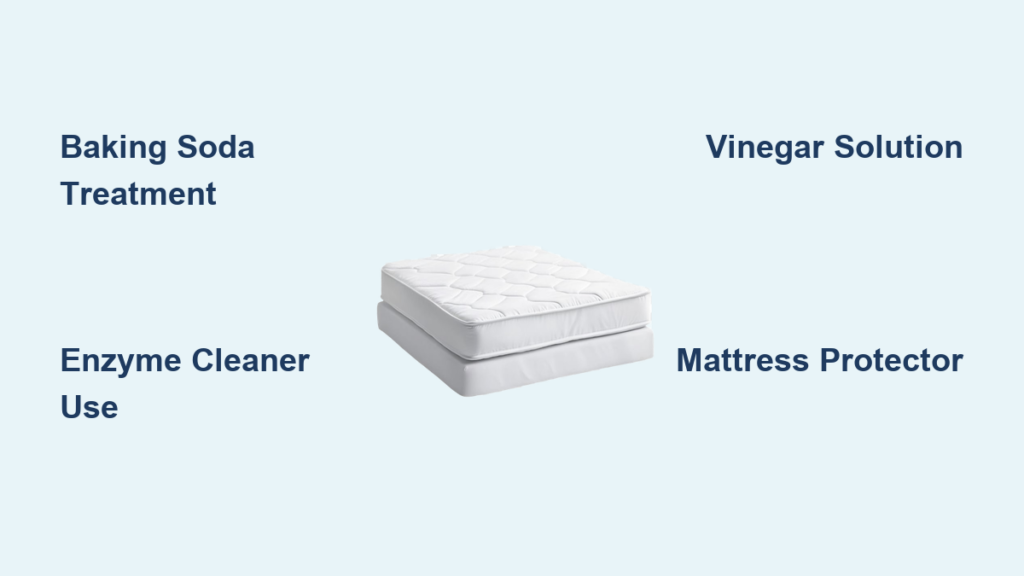
Hydrogen peroxide (3% concentration) is one of the most effective weapons against period stains, as it breaks down the proteins in blood and acts as a natural bleaching agent. You’ll also want to have white vinegar on hand, which helps lift stains and neutralizes odors. Baking soda serves multiple purposes—it acts as a gentle abrasive for scrubbing, absorbs moisture, and deodorizes the mattress. Liquid dish soap, particularly types designed for grease-cutting, helps break down the oils and proteins in menstrual blood.
For application, gather several clean white cloths or microfiber towels, as colored fabrics may bleed onto your mattress. A soft-bristled brush or old toothbrush works well for gentle scrubbing without damaging mattress fibers. Rubber gloves protect your hands from prolonged exposure to cleaning solutions. Finally, a fan or hair dryer on the cool setting helps speed drying, which is crucial for preventing mold growth and ensuring the stain doesn’t redevelop.
Pre-Treat the Stained Area Properly
Before applying any cleaning solution, you need to properly prepare the stained area for treatment. Start by scraping away any dried blood or debris using a dull knife or spoon—work gently to avoid pushing the stain deeper into the mattress fibers. For fresh stains, blot the area with a clean, dry cloth to absorb as much moisture as possible. Press firmly but avoid rubbing, which spreads the stain and pushes it deeper into the material.
Create a pre-treatment solution by mixing one tablespoon of salt with one cup of cold water. Salt draws moisture out of stains and begins breaking down proteins on contact. Apply this solution to the stained area using a spray bottle or by dabbing it on with a cloth. Allow it to sit for 15 minutes, giving the salt time to work into the fibers. For particularly fresh stains, this pre-treatment alone may lift a significant portion of the discoloration.
After allowing the salt solution to work, blot the area again with a clean, dry cloth. You should see the stain transferring onto your cloth as you blot. Continue with fresh sections of the cloth until no more color comes up. This pre-treatment step removes the bulk of the stain before you apply stronger cleaning solutions, making the overall process more effective and reducing the number of treatments needed.
Apply the Most Effective Cleaning Solutions
The most effective cleaning solution for period stains combines multiple stain-fighting ingredients that work synergistically to break down and lift the discoloration. The classic approach uses hydrogen peroxide as the primary stain remover, and for good reason—it releases oxygen molecules that literally blast away the proteins making up the blood stain. Apply hydrogen peroxide directly to the stain, watching it foam as it reacts with the blood. This foaming action is normal and indicates the solution is actively working.
For a more powerful cleaning mixture:
- Combine equal parts hydrogen peroxide and cold water in a spray bottle
- Add one teaspoon of liquid dish soap per cup of mixture
- Shake gently to mix without creating excessive bubbles
- Test on a small, inconspicuous area first
An alternative solution uses white vinegar diluted with an equal amount of cold water. Vinegar’s acidity helps dissolve dried blood while neutralizing any odors that may have developed. This method works particularly well for older stains that have had time to set. Simply spray the vinegar solution onto the stain, allow it to sit for 10 minutes, then blot thoroughly. For stubborn stains, create a paste by mixing baking soda with hydrogen peroxide to form a thick spreadable consistency.
Remove Stubborn Set-In Period Stains

When stains have been allowed to set for days or weeks, standard cleaning methods may prove insufficient. Set-in blood stains require more aggressive approaches that break down the hardened protein bonds. One highly effective technique combines enzyme-based cleaners with extended dwell times. Enzyme cleaners contain specialized proteins that literally digest organic matter, making them particularly effective against dried blood stains that other cleaners can’t touch.
Apply the enzyme cleaner generously to the stain and cover the area with plastic wrap to prevent evaporation. Allow it to work for at least several hours, or overnight for best results. The enzymes need time to penetrate the stained fibers and break down the accumulated proteins. After the extended treatment, rinse thoroughly with cold water and blot dry. You may need to repeat this process two or three times for heavily set stains, allowing the mattress to dry completely between applications.
Another approach for stubborn stains involves creating a stronger cleaning paste using hydrogen peroxide and table salt. Mix them to form a thick paste, apply to the stain, and cover with a damp cloth for 30 minutes. The salt provides mild abrasion while the peroxide continues its stain-lifting action. After removing this paste, follow with a rinse and thorough drying. For extremely old stains that resist all home treatment methods, consider consulting a professional upholstery cleaner.
Dry Your Mattress Completely After Cleaning
Proper drying is absolutely essential after cleaning a mattress. A damp mattress creates the perfect environment for mold and mildew growth, which can cause health problems and create odors that are much harder to remove than the original stain. Never simply cover a cleaned mattress and hope it dries on its own—you must take active steps to ensure complete dryness before making the bed or using the mattress again.
The fastest drying method involves maximizing air circulation around the mattress. If possible, move the mattress to a well-ventilated room with good airflow, or even outdoors in direct sunlight (though be cautious with this approach, as prolonged sun exposure can fade some mattress fabrics). Position a fan to blow directly onto the stained area, or use a hair dryer on its cool setting held about six inches above the mattress surface. Change the position of the fan periodically to ensure all areas receive adequate air movement.
For deep cleaning where significant moisture was used, consider using a wet/dry vacuum to extract additional moisture from the mattress. Run the vacuum over the cleaned area multiple times, applying moderate pressure to draw out water trapped within the mattress layers. Even after you’ve completed active drying methods, allow the mattress to air dry for at least 24 hours before placing sheets back on it. You can test dryness by pressing your palm firmly against the mattress—if any moisture comes up on your skin, it needs more drying time.
Prevent Future Period Stains on Mattress
Prevention is always preferable to cleaning, and there are several effective strategies for protecting your mattress from future period stains. The most reliable method is using a waterproof mattress protector. These protectors create an impermeable barrier between your sheets and the mattress itself, catching any leaks before they reach the mattress fabric. Modern mattress protectors are designed to be comfortable and quiet—no more the noisy plastic sheets of decades past—and they can be easily removed and washed when accidents occur.
For those who prefer not to use waterproof protectors, keeping dark-colored sheets and bedding provides some camouflage for minor leaks, though this doesn’t prevent stains from occurring. Placing a dark towel or blanket under you during your period adds an extra layer of protection that can be easily laundered. Some people find that using period underwear or swimwear for sleeping provides sufficient protection for lighter flow days.
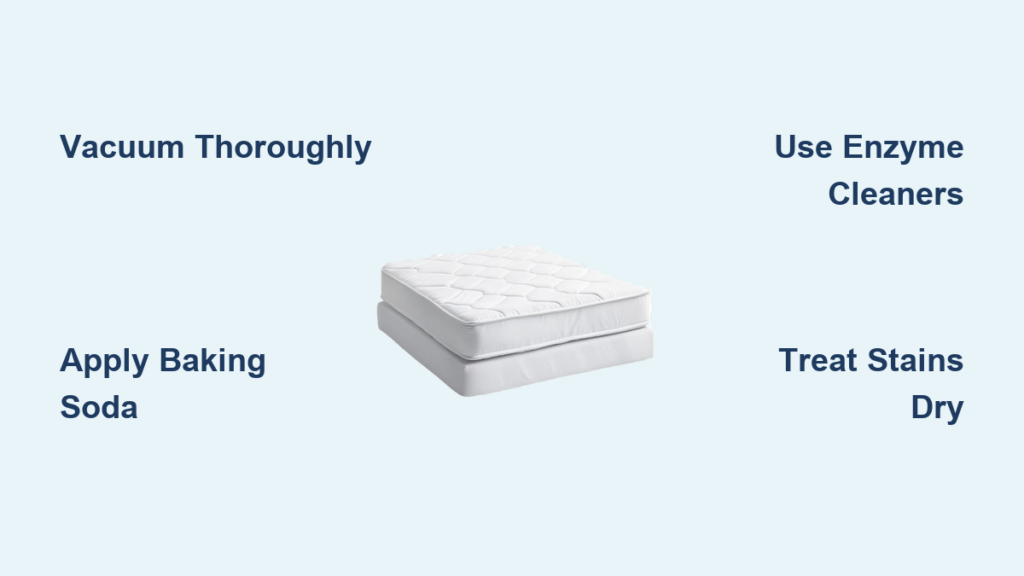
Regular mattress maintenance also plays a role in prevention. Vacuuming your mattress every few months removes dead skin cells and other organic matter that can make stains set more easily. Using a mattress pad or topper adds an additional protective layer that can be replaced if stained, saving the main mattress from damage. Finally, being aware of your flow and changing bedding promptly when accidents occur significantly reduces the likelihood of permanent stains developing.