Your mattress silently collects more than just your body weight each night—it traps dead skin cells, dust mites, sweat, and body oils that accumulate over time. The average person sheds approximately 500 million skin cells daily, with a significant portion embedding deep into mattress fibers. Combined with nightly perspiration that can reach up to a quart, these elements create a breeding ground for allergens and bacteria. Learning how to remove dirt from mattress properly transforms your sleep surface from a hidden health hazard into a clean, refreshing sanctuary. This guide reveals proven techniques to eliminate embedded contaminants and restore freshness to your mattress without damaging its structure.
Essential Tools for Effective Mattress Dirt Removal
Must-Have Supplies for Any Mattress Type
Before you begin how to remove dirt from mattress, gather these critical supplies: a vacuum cleaner with upholstery attachment and crevice tool, mild detergent or enzyme-based cleaner, baking soda, hydrogen peroxide, white vinegar, clean white cloths, soft-bristled brush, spray bottle, and protective gloves. These items form the foundation of effective mattress cleaning. For enhanced results, add essential oils like lavender for relaxation or tea tree oil for its natural antimicrobial properties. Enzyme-based cleaners prove particularly valuable for organic stains like urine and blood, as they contain bacteria that digest odor-causing compounds at their source.
Why Proper Vacuum Attachments Make All the Difference
The upholstery brush attachment with medium suction power is essential for extracting dirt without damaging fabric. The crevice tool targets seams, edges, and tufted areas where debris concentrates. Using these attachments correctly ensures you remove dirt from mattress surfaces and deeper layers. Never skip vacuuming before applying wet solutions—this initial dry cleaning step removes 30-40% of surface contaminants, allowing your cleaning solutions to penetrate more effectively.
Immediate Steps to Prepare Your Mattress for Deep Cleaning
How to Strip and Inspect Your Mattress Like a Professional
Remove all bedding including sheets, pillowcases, and mattress protectors, washing them in hot water (at least 130°F) to eliminate transferred contaminants. Examine your mattress under bright light to identify stain locations and types. Take photos of stubborn stains for reference during treatment—different contaminants require specific approaches when you learn how to remove dirt from mattress. This inspection phase prevents wasted effort on mismatched cleaning solutions.
First Vacuum Pass: Removing Surface Debris Before Deep Cleaning
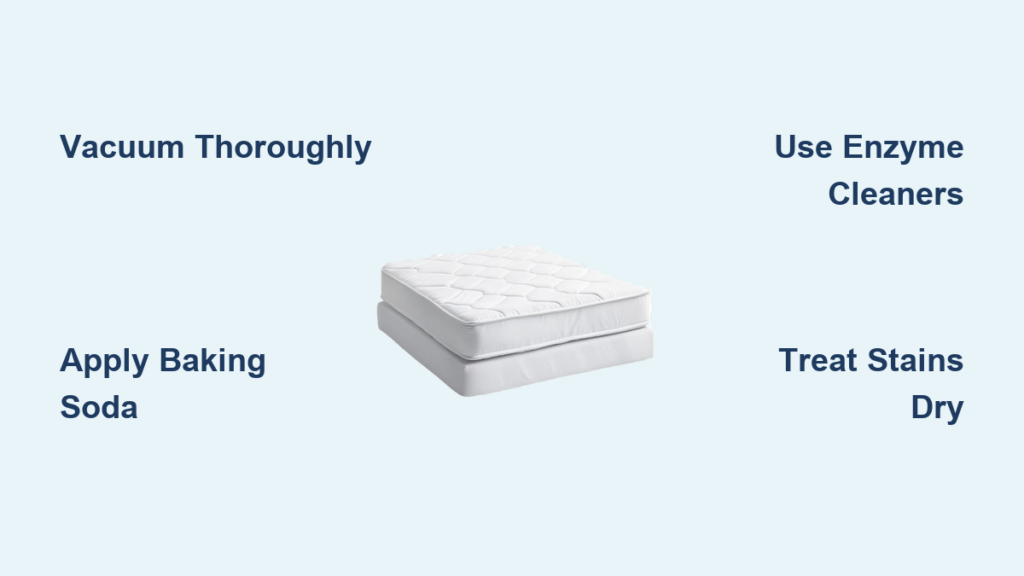
Begin with a thorough vacuum using the upholstery attachment, working slowly across the entire surface. Apply moderate pressure to lift embedded particles from fabric fibers. Pay special attention to seams, tufts, and edges where dirt accumulates most heavily. This initial pass creates the foundation for effective deep cleaning—without it, wet solutions merely push debris deeper into mattress layers.
Master Vacuum Technique to Extract Embedded Mattress Dirt

Step-by-Step Vacuum Pattern for Complete Mattress Coverage
Implement a systematic approach: divide the mattress into sections and vacuum each area using overlapping parallel strokes. Repeat perpendicularly to capture debris from multiple angles. Use medium suction for the first pass to remove surface dust, then increase suction for the second pass to extract deeper particles. Rushing this process reduces effectiveness by 60%—slow, deliberate movements allow maximum dirt extraction.
Edge and Seam Focus: Targeting High-Contamination Zones
Mattress edges and corners collect concentrated dirt deposits. Switch to the crevice tool and methodically vacuum along all four edges, paying special attention to where the mattress meets the bed frame. These areas often harbor years of accumulated skin cells and dust that contribute significantly to allergen exposure. Complete this edge cleaning before moving to stain treatment.
Blood Stain Removal: Stop Set-In Stains Before They Set

Cold Water Method: Why Heat Ruins Blood Stain Removal
Always use cold water for blood stains—hot water permanently sets protein-based stains into fabric fibers. Create a paste using cold water and salt, applying it directly to the stain and allowing 15-30 minutes of dwell time. The salt draws moisture from the fabric while providing gentle abrasive action. This critical step prevents what would otherwise become a permanent discoloration when attempting how to remove dirt from mattress.
Hydrogen Peroxide Solution for Stubborn Blood Marks
For persistent blood stains, apply hydrogen peroxide directly using a spray bottle. The effervescent action lifts blood particles from fabric fibers. Blot (never rub) with a clean white cloth, repeating until no color transfers. Test peroxide on an inconspicuous area first as it can bleach certain fabrics. This method effectively addresses one of the most common challenges when you need to remove dirt from mattress.
Urine Accident Cleanup: Eliminate Stains and Odors Completely
Vinegar Treatment Protocol for Fresh Urine Spills
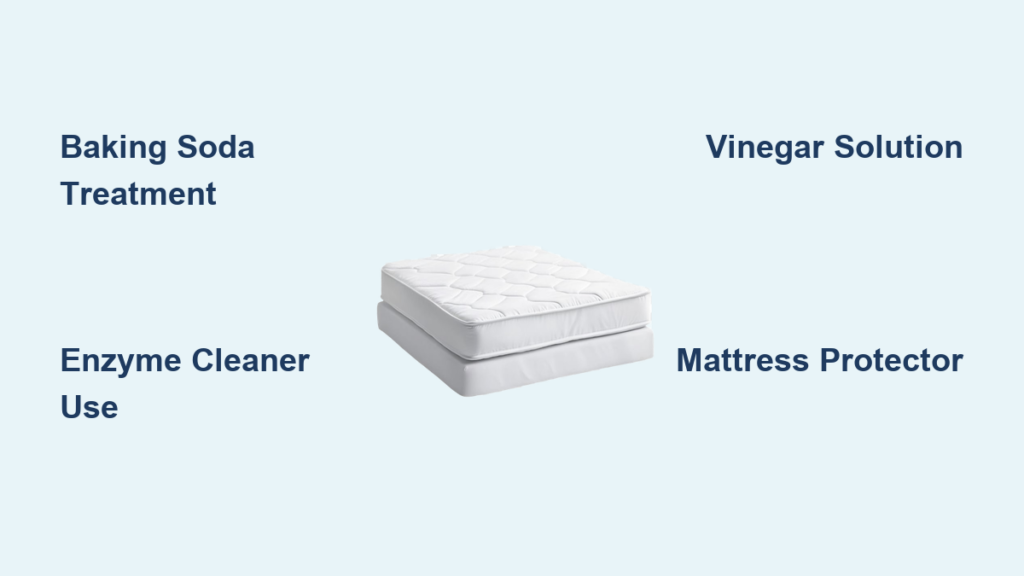
For fresh accidents, blot up liquid immediately using absorbent paper towels, working from outer edges inward. Apply equal parts white vinegar and cold water to neutralize uric acid crystals. Allow 10-15 minutes of dwell time before applying baking soda to absorb remaining moisture. This dual approach tackles both visual stains and embedded odors during your how to remove dirt from mattress process.
Enzyme Cleaner Method for Persistent Urine Issues
Create a paste using hydrogen peroxide, baking soda, and dish soap for set-in stains. Apply to the affected area and allow it to dry completely before vacuuming. For severe cases, specialized enzyme cleaners containing bacteria that digest uric acid crystals provide superior results by eliminating both stain and odor at their source.
Baking Soda Deep Clean: The Most Effective Natural Mattress Treatment

How Long to Leave Baking Soda on Mattress for Maximum Results
Sprinkle a generous layer of baking soda over the entire mattress surface—use approximately one cup per side for a queen mattress. For enhanced cleaning power, mix 10-15 drops of essential oil with the baking soda before application. Allow the baking soda to remain for at least one hour, though overnight treatment delivers superior results for heavily soiled mattresses. During this time, the baking soda absorbs moisture, neutralizes odors, and draws out embedded dirt.
Sanitizing Your Mattress: Kill Dust Mites and Allergens
HEPA Vacuuming Technique to Capture Allergen Particles
Vacuuming with a HEPA-filtered vacuum captures dust mite debris and prevents redistribution of allergens. The average mattress hosts between 100,000 to 10 million dust mites whose waste particles trigger allergic reactions. After baking soda treatment, vacuum thoroughly with the crevice tool to extract allergens from seams and edges where they concentrate.
Tea Tree Oil Solution for Natural Antimicrobial Protection
Mix 10-15 drops of tea tree oil with water and mild dish soap in a spray bottle. Apply lightly to the mattress surface and allow to air dry completely. This natural antimicrobial treatment reduces bacteria and mold growth while providing a pleasant scent—critical for complete how to remove dirt from mattress.
Critical Drying Process: Prevent Mold After Mattress Cleaning
Fan Placement Strategy for Even Mattress Drying
Position fans around the mattress to accelerate drying, placing at least one to blow air across the surface. Flip and rotate the mattress periodically to ensure all layers dry evenly. Allow 24-48 hours of drying time before placing bedding back on the mattress—rushing this step risks mold growth within mattress layers.
How to Test if Your Mattress Is Truly Dry
Press firmly on multiple areas of the mattress surface—no moisture should transfer to your hand. The mattress should feel completely dry to the touch throughout. In humid climates, use a dehumidifier to facilitate faster drying. Never make the bed until you’re certain the mattress is dry.
Mattress Protector Selection: Stop Dirt Before It Starts
Waterproof vs. Breathable Covers: What You Need to Know
Invest in quality mattress protectors that are waterproof yet breathable, encasing the entire mattress with secure closures. These create an invisible shield against spills, sweat, and allergens while allowing air circulation. Wash protectors monthly in hot water to maintain their protective properties—this simple step dramatically extends time between deep cleanings.
Monthly Maintenance Routine to Extend Time Between Deep Cleans
Weekly Vacuuming Pattern That Prevents Deep Soil Buildup
Remove and wash all bedding weekly in hot water. Vacuum the mattress surface using the upholstery attachment, working in slow, overlapping strokes. This routine prevents debris from embedding deeply into mattress fibers, reducing how often you need to remove dirt from mattress.
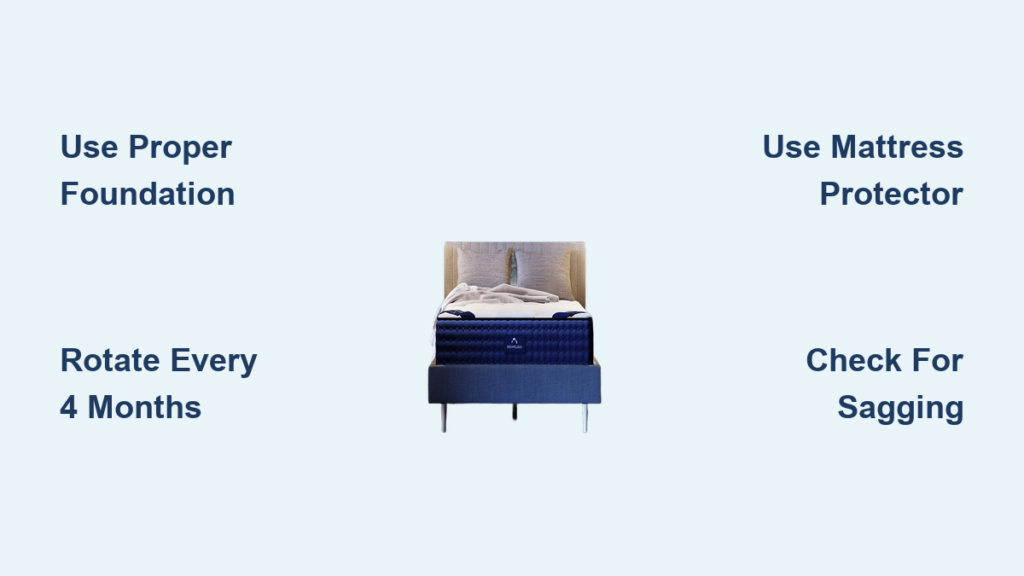
Rotation Schedule for Even Wear and Cleaner Sleep Surface
Rotate your mattress 180 degrees monthly to promote even wear and distribute soil accumulation. Apply a light sprinkling of baking soda monthly, vacuuming after one hour for ongoing odor control. Inspect for new stains requiring immediate attention before they set in permanently.
Memory Foam Mattress Cleaning: Special Considerations

Why Steam Cleaning Damages Memory Foam Mattresses
Never use steam cleaners on memory foam—the heat and moisture can break down the foam structure and void manufacturer warranties. Memory foam’s dense structure and moisture sensitivity require modified approaches when you need to remove dirt from mattress.
Minimum Moisture Technique for Foam Mattress Spot Cleaning
Use minimal moisture cleaning methods, applying solutions lightly and focusing only on surface stains. Allow extended drying times of 48 hours or more before reassembling the bed. Rely primarily on vacuuming, baking soda treatments, and spot cleaning with minimal moisture for memory foam care.
When to Call Professionals for Severe Mattress Dirt Problems
Cost-Benefit Analysis of Professional vs. DIY Mattress Cleaning
Consider professional services when home methods prove insufficient for stubborn stains, when the mattress has never been cleaned and shows significant accumulation, or when dealing with valuable or delicate mattresses. Professional hot water extraction uses industrial-grade equipment providing deeper penetration than consumer machines.
Professional cleaning typically costs $75-200 per mattress and includes pre-treatment of stains, deep extraction, antimicrobial treatments, and deodorization. For severe contamination, the investment often proves worthwhile compared to premature mattress replacement.
Enjoy a Cleaner, Healthier Sleep Surface
Mastering how to remove dirt from mattress transforms your bed from a hidden repository of allergens into a truly clean sleep sanctuary. Regular maintenance prevents overwhelming accumulation, while immediate attention to spills prevents permanent stains. The natural cleaning methods described—baking soda, hydrogen peroxide, vinegar, and enzyme cleaners—provide effective cleaning without harsh chemicals. By implementing these techniques, you’ll extend your mattress lifespan, improve sleep quality, and create a healthier sleep environment for you and your family. Tonight, when you lie down on your freshly cleaned mattress, you’ll rest easier knowing you’ve eliminated the hidden dirt that accumulates over time.