When your baby struggles with congestion or acid reflux, watching them toss and turn through the night can be heartbreaking. As an obligate nasal breather, your infant relies entirely on clear nasal passages to breathe comfortably, but tiny nasal passages easily clog from even minor irritants. Pediatricians frequently recommend elevating the head of the crib mattress to help gravity work in your baby’s favor—keeping stomach acid down and mucus draining properly. If you’re searching for how to prop a crib mattress safely without risking your baby’s wellbeing, you’re in the right place. This guide walks you through proven methods, critical safety considerations, and expert-recommended angles that actually work while keeping your little one protected throughout the night.
Understanding which elevation techniques are safe matters because many seemingly logical solutions create dangerous hazards. Stacking pillows under the mattress or using soft materials might seem convenient, but these approaches increase suffocation risks dramatically. By learning the proper methods now, you can give your baby meaningful relief from congestion and reflux without compromising their safety. Whether you need a commercial solution you can buy today or a DIY approach using household items, this guide covers everything you need to know about how to prop a crib mattress effectively and safely.
Why Your Baby Needs Mattress Elevation for Relief
Stop Congestion from Disrupting Baby’s Sleep
Infants breathe exclusively through their nose for the first several months, making even minor congestion a major breathing challenge. Their nasal passages are significantly smaller than adults’, so dust, dry air, or a simple cold can completely block airflow. You’ll notice signs like sniffling, labored breathing, disrupted sleep, and feeding difficulties when congestion strikes. Unlike adults who can blow their nose, babies lack the ability to clear their own nasal passages effectively, creating exhausting cycles of discomfort that affect their entire day.
The gentle incline created by proper mattress elevation allows mucus to drain naturally with gravity’s help. This simple positioning change can mean the difference between restless nights and peaceful sleep for your little one. You’ll often see improvement within the first night as your baby breathes more easily without constant nasal blockage interfering with their rest.
Fix Acid Reflux Without Medication
When your baby lies flat, gravity works against them—allowing stomach acid to flow back into the esophagus and cause painful irritation. This reflux becomes especially problematic at night when your baby isn’t upright during feedings. You might notice symptoms like frequent spitting up, arching their back during or after feedings, constant fussiness, or waking frequently throughout the night.
Elevating the head of the mattress creates a slight incline that keeps stomach contents where they belong. This natural solution often provides significant relief without medication, helping your baby sleep more soundly and reducing painful episodes. The right angle matters—you need enough elevation to be effective but not so much that your baby slides toward the foot of the crib.
Perfect Angles for Maximum Relief and Safety

15-30 Degree Incline for Nasal Congestion
For congestion relief, aim for a gentle 15-30 degree incline that promotes natural drainage without creating safety risks. This angle works effectively because it’s steep enough to encourage mucus movement but gentle enough that your baby won’t slide significantly during sleep. You can measure this angle using a smartphone app or by placing a book under the head-end legs of the crib to create approximately 6 inches of elevation.
Starting with the lower end of this range (15 degrees) is ideal for younger infants or mild congestion. If you don’t see improvement after 24-48 hours, gradually increase to 25-30 degrees while monitoring your baby’s comfort and position throughout the night.
30-45 Degree Angle for Severe Reflux
When addressing significant acid reflux, many pediatricians recommend a steeper 30-45 degree incline to provide stronger gravitational support against stomach acid movement. This more pronounced angle makes a noticeable difference for babies with persistent reflux symptoms, often reducing nighttime waking and discomfort significantly.
However, this steeper angle requires extra precautions—you’ll need positioning aids to prevent sliding and more frequent monitoring during sleep. Always consult your pediatrician before using these steeper angles, as they’re typically reserved for confirmed reflux cases under medical guidance.
Three Safe Methods to Prop a Crib Mattress
Install a Commercial Crib Wedge Properly
Commercial crib wedges represent the safest, most reliable solution for elevating your baby’s sleep surface. These products are specifically designed to fit under mattresses while meeting safety standards, providing consistent elevation without shifting during the night. You can find them at major retailers like Babies “R” Us, Walmart, and Target.
Follow these steps for proper installation:
– Place the wedge under the mattress at the head end
– Ensure no gaps exist between mattress and crib sides
– Conduct safety checks before each use to verify stability
– Never stack multiple wedges or combine with other elevation methods
The key advantage is reliability—you set it once and know it maintains the correct angle all night without adjustment.
Adjust Crib Height Settings for Natural Tilt
Many cribs feature adjustable mattress platforms that let you create elevation without additional products. This method works by lowering the foot end while keeping the head end at its current height, creating a natural incline across the sleep surface.
Here’s how to implement this:
1. Remove the mattress and bedding completely
2. Locate the height adjustment mechanism on the crib’s support platform
3. Keep the head end at its current height while lowering the foot end one or two positions
4. Reinstall the mattress, ensuring it remains flat but tilted
This approach works best for gentle elevation needs (10-20 degrees) and maintains your crib’s original safety design without adding foreign objects.
Elevate the Entire Crib with Stable Supports
For more significant elevation needs, placing solid supports under the head-end legs creates reliable tilt. This method works especially well when your crib lacks adjustable height settings or when greater elevation is required.
Use these guidelines for safe implementation:
– Remove all wheels from crib legs first
– Place solid, non-compressible supports (like bricks with holes) under head-end legs
– Aim for approximately 6 inches of elevation for reflux relief
– Test stability thoroughly before placing your baby in the crib
Bricks work particularly well because the crib legs can sit securely within the holes, preventing shifting. Always test the setup by applying weight similar to your baby’s before leaving them unattended.
Prevent Baby from Sliding Down the Incline

Create a U-Shaped Positioning Barrier
One of the biggest challenges with inclined sleep surfaces is preventing your baby from sliding toward the foot of the crib. The hospital-recommended solution uses a rolled blanket shaped into a U pattern:
- Roll a firm blanket or towel securely
- Position it on the mattress with the middle of the U near the center
- Tuck the ends under the mattress edges to secure them
- Place the crib sheet over everything normally
This creates a subtle cradle that helps maintain positioning without creating suffocation hazards. The roll stays firm beneath the sheet, providing gentle guidance to keep your baby in the elevated position.
Implement Essential Safety Checks
Regardless of your elevation method, these safety checks are non-negotiable:
– Mattress fit: After elevation, there should be no gaps between mattress and crib sides (test with two fingers)
– Stability test: Press down on all mattress areas to ensure no shifting or bending
– Regular monitoring: Check your baby’s position every 30-60 minutes during first few nights
– Daily inspection: Verify supports remain stable and haven’t compressed or shifted
Many parents find success checking on their baby after 20-30 minutes of sleep to adjust positioning if needed, then reducing checks as their baby adapts to the incline.
Critical Materials to Avoid for Safety
Never Use Soft Items as Elevators
Pillows, stuffed animals, blankets, and other soft materials create deadly suffocation hazards when used for elevation. These items compress under your baby’s weight, creating unexpected flat spots or gaps where your baby could become trapped. What seems like a harmless convenience to you represents a life-threatening risk to your infant who cannot move their head effectively if pressed against soft materials.
The temptation to use nursery items already on hand is strong, but always choose firm, flat supports instead. Your baby’s safety depends on maintaining consistent, stable elevation throughout the night.
Steer Clear of Compressible Supports
Avoid any materials that can bend, break, or shift under pressure, including:
– Foam that compresses easily
– Cardboard boxes
– Plastic containers that might crack
– Rolled magazines that can unbend
These materials change shape during the night, creating unsafe sleeping conditions you won’t discover until morning. Stick to solid, non-compressible materials like books, bricks, or commercial wedges that maintain their shape under constant pressure.
When to Stop Elevating the Mattress
Discontinue elevation immediately when your baby begins rolling over independently. The ability to roll changes safety calculations dramatically, as your baby can now move into potentially unsafe positions on an incline. Many parents find their babies naturally adjust their sleeping position or require alternative solutions once this milestone is reached.
Also consult your pediatrician if symptoms persist beyond 7-10 days despite proper elevation. Persistent congestion or reflux may indicate underlying conditions requiring medical treatment beyond positional changes. Your baby’s health professional can recommend appropriate next steps based on their specific situation.
Alternative Relief Methods When Elevation Isn’t Possible
When mattress elevation isn’t suitable, these complementary approaches can help:
– Cold-mist humidifier: Adds moisture to dry air, loosening mucus (place safely away from crib)
– Saline drops: Thin nasal mucus for easier removal (use 2-3 drops per nostril as needed)
– Nasal aspirator: Gently removes mucus after saline application (use before feedings and bedtime)
These methods work well alongside or instead of elevation, providing multiple avenues for relief while maintaining safe sleep practices.
Key Takeaways for Safe Crib Mattress Elevation
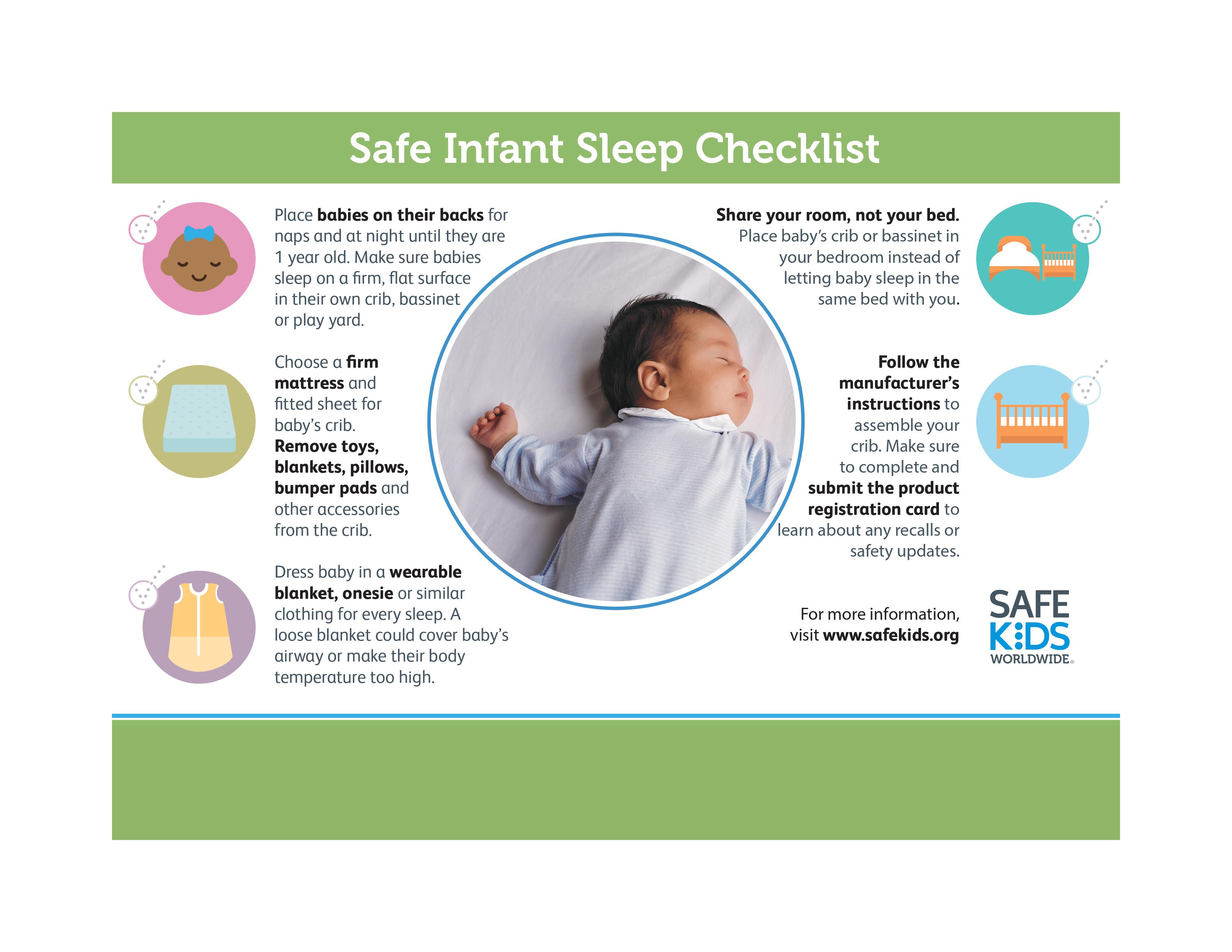
Successfully implementing how to prop a crib mattress requires balancing effective symptom relief with rigorous safety standards. Always consult your pediatrician before beginning elevation to ensure it’s appropriate for your baby’s specific health situation. Use commercial wedges when possible, or firm DIY solutions like books or bricks when necessary, maintaining gentle inclines between 15-30 degrees for congestion and 30-45 degrees for significant reflux under medical guidance. Implement U-shaped positioning barriers to prevent sliding, conduct regular safety checks, and monitor your baby closely during the first few nights.
Remember that every baby responds differently—what works perfectly for one family might need adjustment for another. Pay attention to your baby’s specific reactions and be prepared to modify your approach as needed. With careful implementation of these techniques, you can safely provide meaningful relief from congestion and reflux, helping your baby—and your entire household—get the restful sleep everyone needs.