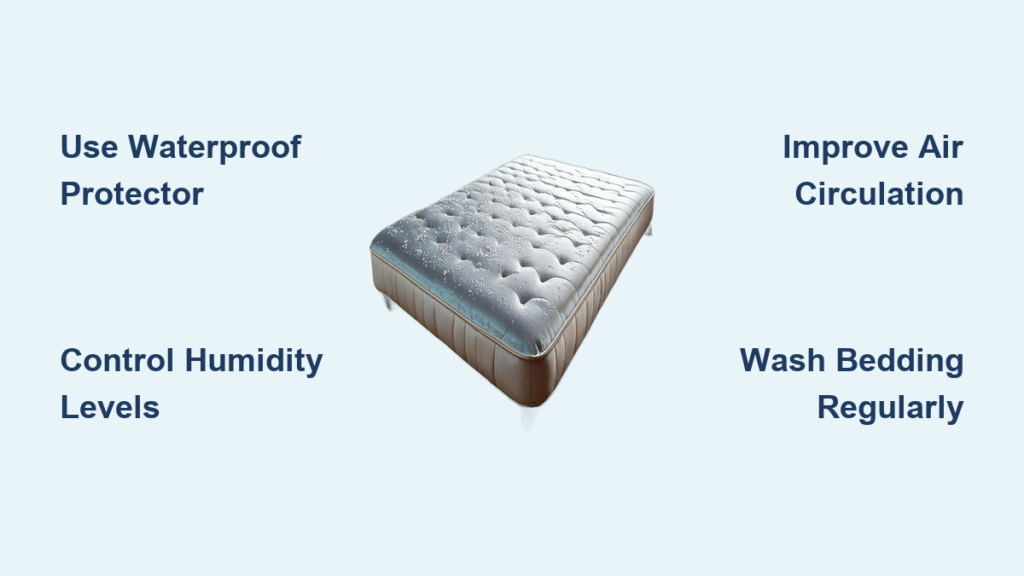
Waking up to a damp mattress or noticing a musty smell in your bedroom signals a hidden problem that could be compromising your health and sleep quality. Learning how to prevent moisture under mattress is essential for maintaining a healthy sleeping environment and protecting your investment. Each night, your body releases up to a pint of moisture through perspiration, and without proper prevention strategies, this moisture accumulates beneath your mattress where it creates ideal conditions for mold, mildew, and dust mites to thrive.
This comprehensive guide reveals proven techniques to stop moisture accumulation before it starts. You’ll discover why moisture builds up under mattresses, how to spot early warning signs, and most importantly, practical solutions you can implement immediately to keep your sleep surface dry and healthy year-round.
Why Moisture Builds Up Under Your Mattress

Moisture accumulation beneath your mattress results from specific environmental conditions and household factors that create perfect conditions for dampness. Recognizing these causes helps you target prevention efforts effectively.
Common Sources of Under-Mattress Moisture
Condensation ranks as the leading cause of moisture problems, especially in high-humidity regions or during seasons with significant temperature fluctuations. When warm air meets the cooler surface of your mattress, it releases moisture that becomes trapped underneath. This phenomenon intensifies during summer months and in bedrooms lacking proper air circulation.
Your body sweat contributes substantially to moisture buildup—each person releases several ounces of perspiration nightly. Without adequate ventilation, this moisture seeps through sheets and into mattress surfaces, eventually migrating downward. Spills and accidents represent another significant moisture source, introducing liquid directly into your sleep system that can create lasting dampness if not addressed immediately.
Poor bedroom ventilation creates conditions where moisture cannot escape. Bedrooms positioned against exterior walls, rooms without windows, or spaces with blocked air vents all struggle with air circulation. Stagnant air holds moisture vapor longer, increasing the likelihood of condensation forming under your mattress.
Warning Signs of Mattress Moisture Problems
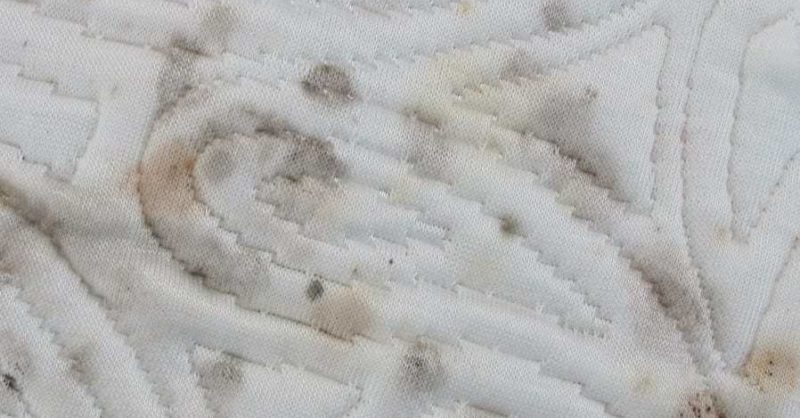
Detecting moisture issues early prevents extensive damage and costly replacements. Look for these key indicators before the problem escalates.
Visual and Sensory Indicators
Discoloration on your mattress surface, particularly along edges and seams, signals moisture migration from underneath. Yellow or brown stains often indicate prolonged exposure to dampness, while dark spots may suggest active mold growth. Musty odors emanating from your bed area signal microbial growth, which requires moisture to flourish. This earthy smell intensifies after sleeping when body heat activates dormant mold colonies.
Visible mold or mildew on bed frame components, particularly wooden slats or metal supports, confirms moisture accumulation. Physical changes in your mattress provide additional warning signs—sagging areas, compressed foam that fails to rebound, or a mattress that feels unusually heavy all suggest moisture absorption.
Essential Prevention Strategies for Moisture Under Mattress
Preventing moisture under mattress requires a multi-layered approach combining physical barriers, environmental control, and consistent maintenance practices. Implement these strategies proactively to save time, money, and health concerns.
Create a Physical Moisture Barrier
Invest in a high-quality mattress protector that encases your entire mattress—including the sides and bottom—for comprehensive protection. Select protectors designed with breathable materials that block moisture penetration while allowing air circulation. Traditional mattress pads only cover the top surface, leaving vulnerable areas exposed to moisture from below.
Choose bedding materials that breathe effectively. Natural fibers like cotton and linen allow moisture to pass through rather than trapping it against sleep surfaces. Avoid synthetic sheets and comforters that create vapor barriers, forcing moisture downward toward your mattress.
Optimize Your Sleep Environment
Position your bed to maximize air circulation around all surfaces. Avoid placing mattresses directly on solid flooring or enclosed platform bases. Bed frames with slatted supports create space for air to flow beneath the mattress, preventing condensation buildup. Maintain minimum two inches of clearance between your mattress and any solid surface below it.
Improve bedroom air circulation by using fans during humid months and opening windows when outdoor humidity levels permit. Ceiling fans set to rotate counterclockwise pull warm air upward, improving overall bedroom ventilation and reducing moisture accumulation.
Choose the Right Mattress Protector for Maximum Protection
Selecting an appropriate mattress protector requires balancing moisture protection with sleep comfort. The wrong protector can create heat retention issues that paradoxically increase nighttime sweating.
Key Features to Prioritize
Look for waterproof yet breathable membranes that block liquid penetration while allowing moisture vapor to escape. Polyurethane laminates or proprietary breathable coatings provide this ideal combination without creating the “plastic bag” effect of older waterproof products.
Ensure secure fit mechanisms keep protectors in place and prevent them from bunching or shifting during sleep. Deep-pocket designs accommodating mattress heights up to 18 inches stay secure with elasticized corners, while additional anchor bands that wrap around the mattress sides maintain consistent coverage.
Prioritize hypoallergenic properties if you have sensitivities or allergies. Many quality mattress protectors incorporate antimicrobial treatments that prevent bacterial and mold growth on the protector itself.
Control Indoor Humidity Levels to Stop Mattress Moisture

Managing ambient humidity creates conditions unfavorable for moisture accumulation under mattresses. Understanding and controlling your indoor humidity levels provides lasting protection.
Implement Effective Humidity Control
Use hygrometers to monitor bedroom humidity levels near your bed. Digital models with memory functions track patterns over time, helping you identify problem periods. Optimal indoor humidity ranges between 30 and 50 percent—levels above 60 percent create conditions where mold spores germinate rapidly.
Install dehumidifiers sized appropriately for your room dimensions. Place these units near potential moisture sources like windows or exterior walls for maximum effectiveness. Portable dehumidifiers with auto-drain features operate continuously without requiring manual emptying.
Improve ventilation by ensuring bedroom windows have functional locks that allow secure ventilation during appropriate weather conditions. Exhaust fans in adjacent bathrooms and kitchens remove moisture-laden air before it migrates to bedrooms.
Proper Bed Frame and Bedding Practices for Dry Sleep
Your bed’s construction and bedding choices significantly influence moisture accumulation patterns. Optimize these elements to create conditions that naturally resist dampness.
Select Moisture-Resistant Bed Frames
Choose metal bed frames that resist moisture damage better than wood options. Steel and aluminum supports won’t warp, rot, or provide organic material for mold growth. These frames typically feature open designs that promote airflow beneath mattresses.
If using wooden bed frames, select naturally moisture-resistant species like cedar or teak and treat all components with moisture-resistant sealants. For platform beds, choose designs featuring built-in ventilation channels, or modify existing platforms by adding small holes to enable airflow.
Implement Smart Bedding Practices
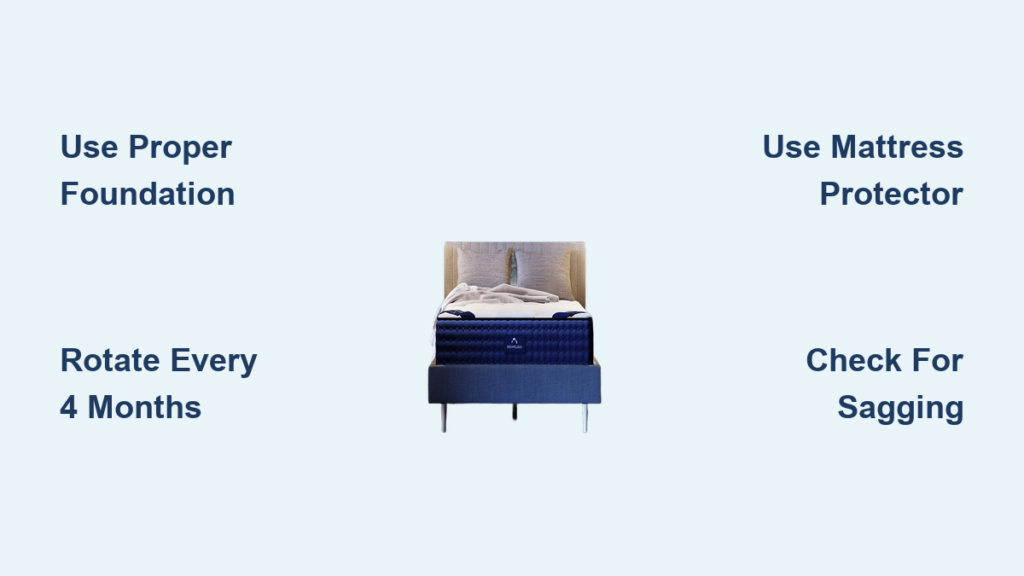
Rotate your mattress monthly during the first year, then quarterly thereafter. This distributes wear evenly and prevents moisture from concentrating in specific areas. For two-sided mattresses, flip completely rather than simply rotating.
Wash bedding weekly in hot water (above 130°F) to eliminate dust mites and remove accumulated perspiration. Dry all bedding completely before remaking the bed—damp linens introduce moisture directly to sleep surfaces.
Fixing Existing Moisture Problems Under Your Mattress
When moisture has already accumulated, immediate action prevents escalating damage. Follow these steps to address current problems while establishing prevention practices.
Immediate Drying Procedures
Remove all bedding and expose the mattress to maximum airflow immediately. Open windows, use fans, and direct air movement across all mattress surfaces. Lift and lean the mattress against a wall to allow air circulation on all sides.
Inspect and treat the bed frame simultaneously. Remove any visible mold with appropriate cleaners, and allow all components to dry completely before reassembly. Replace severely damaged components rather than risking continued moisture problems.
Long-Term Maintenance for Moisture-Free Sleep
Sustaining a moisture-free sleep environment requires consistent attention to environmental factors and periodic assessment of prevention systems.
Check mattress protector integrity monthly for rips, tears, or degraded waterproofing. Replace protectors showing signs of wear immediately.
Inspect visible mattress edges and bed frame components quarterly for signs of moisture damage or mold growth. Early detection enables intervention before significant damage occurs.
Monitor bedroom humidity levels consistently, particularly during seasonal transitions. Adjust dehumidifier settings as outdoor conditions change to maintain optimal indoor humidity year-round.
Protect Your Investment and Your Health
Learning how to prevent moisture under mattress protects both your sleep quality and your long-term health. Start with critical interventions—waterproof mattress protectors and humidity control address the majority of moisture problems. Add ventilation improvements and bedding optimization for comprehensive protection. Maintain vigilance through regular inspection and prompt response to any warning signs.
Remember that preventing moisture problems costs significantly less in time, money, and health impacts than remediating established issues. Make these practices part of your regular household routine, and enjoy the comfort of knowing your sleep environment remains clean, dry, and healthy throughout the year.