Moving a mattress upstairs ranks among the most challenging household moving tasks you can tackle. That bulky, awkward, and often heavy item suddenly becomes a formidable obstacle when you need to transport it vertically through narrow stairwells. Many professional delivery services won’t carry mattresses upstairs due to the time and difficulty involved, leaving you to figure out how to move a mattress upstairs on your own. Whether you’re relocating to a new home, setting up a newly purchased mattress, or simply rearranging your bedroom, mastering the proper techniques transforms this daunting task into something manageable—even accomplishable solo with the right approach.
This comprehensive guide covers everything you need to know: planning and preparation, essential equipment, proven techniques for various scenarios, safety guidelines, and specialized considerations for different mattress types. By the end, you’ll have the knowledge and confidence to get that mattress where it needs to go without injury or damage.
Measure Your Staircase and Mattress Dimensions First
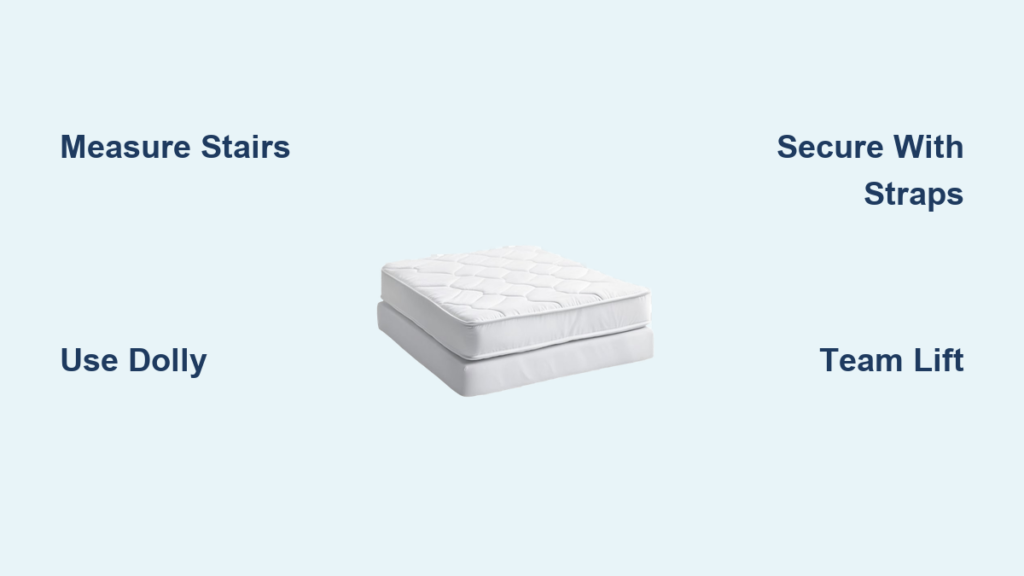
Before attempting any movement, grab your measuring tape and document critical dimensions. Measure your mattress length, width, and thickness—most range between 8 and 14 inches. Then measure every doorway, hallway, and stairwell along your intended route. Pay special attention to ceiling height above the stairs, which measures vertically from the tread to the ceiling rather than following the stair angle. This vertical clearance often creates unexpected obstacles that simple width measurements miss entirely.
Create a mental or physical map of the complete path from the mattress’s current position to its destination upstairs. Walk this route multiple times, identifying potential trouble spots like tight corners, narrow doorways, or fragile bannisters that might complicate passage. This reconnaissance phase takes just a few minutes but can save enormous frustration later.
Visualize the Final Position with Tape
An often-overlooked planning technique involves marking your mattress dimensions on the floor using masking tape. This visualization exercise reveals exactly how much floor space the mattress will occupy in its new location. You’ll discover whether the designated bedroom can comfortably accommodate the mattress, whether bedside tables need relocation, and whether you’ll have adequate clearance to make the bed and access both sides. Planning the final position before you begin moving prevents the frustrating scenario of discovering too late that the mattress doesn’t fit as expected.
Eliminate Tripping Hazards Completely
Stairwells and hallways collect tripping hazards that become dangerous obstacles when you’re navigating a heavy, unwieldy load. Walk your entire route and remove doormats, shoes, pet toys, small furniture, and any other items that might catch your feet or the mattress. Check for hanging pictures, power cords, and breakable decorations that could collide with the mattress during transport. This clearing process takes only minutes but dramatically improves your ability to move safely and efficiently.
If your mattress is arriving in compressed box packaging, locate and prepare your scissors or box cutter before the delivery arrives. Having tools readily accessible prevents delays during unpacking. Similarly, if you’re setting up a bed frame or foundation upstairs, complete that assembly beforehand so the mattress can go directly onto its support surface upon arrival.
Select the Right Moving Equipment for the Job
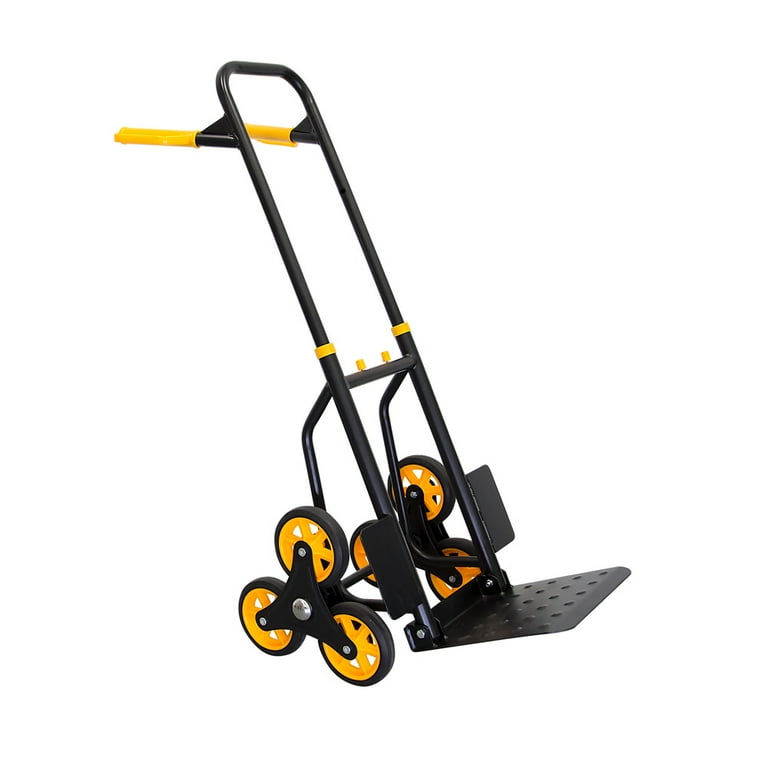
Having the right tools transforms an extremely difficult task into something merely challenging. Investing time in gathering proper equipment before you begin pays dividends in reduced physical effort and lower injury risk.
Choose the Perfect Dolly for Stair Navigation
A sturdy dolly or hand truck represents the single most effective piece of equipment for moving a mattress upstairs alone. Select one with large, non-marking wheels that roll smoothly across various floor surfaces and provide better control on stairs. The wheels’ size matters significantly—small wheels struggle on carpet and create unstable movement, while larger wheels navigate obstacles more smoothly and maintain better balance when tilted back under load.
Before loading your mattress, inspect the dolly for any damage or wear that might cause failure during use. Check that wheels spin freely and brakes, if present, engage properly. A dolly failure mid-stairs creates a dangerous situation that you want to avoid entirely.
Secure Your Mattress with Proper Straps
Moving straps or ratchet straps serve multiple purposes when moving a mattress upstairs. They secure the mattress to the dolly during transport, prevent shifting that could cause loss of control, and can create temporary handles for more comfortable gripping. Keep several straps of varying lengths available, as different situations require different configurations.
For mattresses that tend to flop or lose shape, cardboard sheets fastened to either side with straps create rigidity that maintains structure during transport. This technique proves especially valuable for pillow-top mattresses with delicate surface layers. Large pieces of cardboard also serve as sliding surfaces for doll-less moving and provide protection for floors and walls.
Dress Properly for Maximum Safety
Your clothing and footwear directly impact safety during this physical task. Wear non-slip shoes with good traction to prevent dangerous slipping on stairs, which becomes especially critical when carrying heavy loads. Gloves improve grip on the mattress surface and protect hands from friction burns or debris. Avoid loose clothing that might catch on bannisters or doorways, and consider wearing long sleeves to protect arms from scrapes against wall corners.
Master Solo Moving with a Dolly Technique
When moving a mattress upstairs alone using a dolly, proper technique makes the difference between a manageable task and a dangerous struggle. Follow these steps carefully to ensure safe and effective transport.
Load and Secure the Mattress Correctly
Begin by positioning the mattress flat on the floor near the base of the stairs. Place the dolly beside the mattress and slide it underneath, ensuring the dolly is centered so the mattress rests stably across its surface. The goal is even weight distribution that prevents tipping during transport. Secure the mattress to the dolly using straps, threading them beneath the mattress and tightening until the mattress cannot shift in any direction. Double-check all connections before attempting to move—re-securing mid-task creates unnecessary difficulty.
Ascend Stairs with Controlled Momentum
Grasp the dolly handle firmly with both hands, keeping your back straight throughout the movement. This starting position establishes your foundation for proper lifting mechanics. Push upward using your leg muscles rather than pulling with your back—your legs are substantially stronger and better designed for heavy lifting than the muscles of your torso.
Begin moving forward slowly, allowing the front wheels to contact the first stair tread. As you push, the dolly will tilt back, with the mattress resting against the stairs. Maintain controlled, deliberate movements throughout the ascent. Avoid sudden jerks or accelerations that could destabilize your load. Each stair requires a separate pushing motion, lifting and rolling the dolly step by step. Your legs provide the power while your arms guide the direction.
Handle Memory Foam Mattresses with Special Care
For memory foam mattresses under 11 inches thick, consider folding them in half before securing to the dolly. Always position the sleep surface facing inward to protect comfort layers, and secure the folded position with straps rather than tight binding that might create impressions. This folding technique reduces the mattress width by half, making navigation through tight stairwells considerably easier.
Execute Two-Person Lifting Without Injury

Working with a partner dramatically simplifies mattress moving and represents the recommended approach whenever possible. Two people can carry half the weight each, reducing physical strain on each individual. Additionally, positioning one person at each end improves visibility for spotting hazards and allows for coordinated movement through tight spaces.
Perfect Your Lifting Form as a Team
Stand at opposite ends of the mattress with your partner and rotate it onto its side horizontally. Each person grasps the mattress firmly under its bottom corner, positioning hands for maximum control and grip. Both individuals bend their knees simultaneously, keeping backs straight throughout the preparation. The actual lift uses leg muscles rather than back muscles—drive upward through your legs while maintaining your neutral spine position.
Hold the mattress close to your body during movement but never raise it above shoulder height. This carrying position provides the best balance between control and comfort. Coordinate your steps with your partner, taking small, deliberate movements rather than large strides that could cause loss of coordination.
Establish Clear Communication Signals
Create specific verbal commands before starting: “lift” for beginning the lift, “step” for moving forward, “stop” for pausing, and “adjust” for repositioning. When moving backward (facing the stairs while ascending), the person at the top should call out “first step” when approaching the initial stair. This clear communication prevents missteps that could lead to injury.
For stairwells with corners, practice the “vertical pivot” technique where you raise the mattress to stand on its edge. This reduces the effective width by approximately 50%, allowing easier navigation around tight turns. One person supports the bottom while the other guides the top through the turn.
Navigate Tight Corners Without Damage
Stairwells with corners present particular challenges that require specialized techniques. These architectural features often create the most difficult moments during mattress transport.
Vertical Pivot Technique for Tight Turns
When approaching a corner where horizontal passage won’t work, you may need to raise the mattress into a vertical position to pivot it around the turn. With a partner, this vertical pivot becomes substantially more manageable. One person supports the mattress while the other positions themselves to guide it through the turn. Communicate clearly throughout this maneuver, as the mattress’s elevated position creates increased instability. Move slowly and deliberately, making small adjustments rather than forcing the mattress into position.
Bannister Bypass Method
When you have a secure bannister and the drop on the other side is controlled and safe, carefully lifting the mattress over the bannister can provide a path around tight corners. This approach should only be attempted with clear communication between partners and complete confidence in the bannister’s stability. Never attempt this technique alone as losing control while lifting over the bannister could cause serious injury.
Protect Yourself and Your Mattress During Transport
Beyond the immediate moving process, proper mattress protection ensures it arrives in perfect condition for use.
Seal Your Mattress Properly
Sealing your mattress in a plastic mattress bag provides comprehensive protection against dust, dirt, and moisture during transport. To properly bag a mattress, strip any existing bedding and lift the mattress from its foundation. Slip the mattress into the bag and seal all openings with packing tape. Fold down the edges of the bag and tape them securely, then apply additional tape in a crisscross pattern across the top, middle, and bottom to ensure the bag remains sealed during movement.
For long-term storage, invest in specialized bags offering mold and water resistance. Ensure the mattress is completely dry before sealing, as trapped moisture can promote mold growth and damage materials.
Avoid Common Damage Sources
Never place heavy items on top of the mattress during transport or storage. The weight can compress materials unevenly and create permanent body impressions. Don’t allow the mattress to rest against sharp objects or corners that might pierce the surface or create pressure points. Keep the mattress away from any potential spills or moisture sources during the moving process.
Know When to Call Professionals
Some situations warrant professional assistance regardless of your moving experience or equipment availability. Recognizing these situations and acting accordingly prevents injury and complications.
Size and Configuration Challenges
King, super king, and emperor-sized mattresses present challenges that make solo moving impractical for most people. The weight of these larger mattresses—often exceeding 75 pounds for super king sizes—increases injury risk significantly. Even with proper technique, managing such a heavy, bulky load alone on stairs creates unnecessary danger. Professional movers have the experience, equipment, and additional personnel to handle these larger items safely.
Stairwells with unusual configurations, such as spiral stairs, very narrow passages, or low ceiling heights, may require specialized equipment or techniques that professionals possess. Period properties and older homes often feature narrow staircases and tight turns that complicate standard moving approaches.
Moving a mattress upstairs demands proper planning, appropriate equipment, and correct techniques—but it’s entirely achievable for most people who approach the task thoughtfully. By measuring your route, gathering the right tools, applying proper lifting mechanics, and recognizing when to seek assistance, you can get that mattress where it needs to go without injury or damage. Take your time, prioritize safety, and don’t hesitate to call for help when a situation exceeds your capabilities. Remember that successfully moving a mattress upstairs requires less strength than proper technique—master these methods, and you’ll handle this challenging household task with confidence.