
Moving a mattress ranks among the most challenging aspects of any relocation. Unlike ordinary furniture, mattresses are bulky, heavy, and require special handling to prevent damage. If you own a Leesa mattress—whether it’s the original all-foam design, the Leesa Hybrid, or the Sapira Luxury Hybrid—you’ll want to ensure it arrives at your new home in the same pristine condition it left your old one. This comprehensive guide walks you through every critical step of the process, from preparation through reassembly, helping you avoid common mistakes that could void your warranty or permanently damage your investment. Knowing exactly how to move a Leesa mattress correctly makes all the difference between arriving at your new home ready for restful sleep versus facing costly replacements.
Gather Your Mattress Moving Supplies Before You Begin
Before attempting to move your Leesa mattress, assemble all necessary protection materials. Having everything prepared prevents rushed decisions mid-move that could lead to damage. The right supplies make the physical process significantly easier and reduce injury risks while protecting your valuable investment.
Essential supplies checklist:
- Heavy-duty mattress bag (UV-protective if temporary storage is needed)
- Industrial packing tape (standard tape lacks sufficient strength)
- Mattress-specific moving straps (designed not to cut into foam)
- Original Leesa box or universal mattress box (critical for protection)
- Corner protectors (prevent edge damage during transport)
- Clear “This Side Up” labels (visible from multiple angles)
- Box cutter with safety guard (for post-move unpacking)
- Padded work gloves (improve grip while protecting hands)
If you’ve misplaced your original Leesa packaging, don’t panic. Many moving supply companies sell mattress-specific boxes designed to accommodate standard sizes. These containers provide superior protection against dirt, moisture, and physical damage during transit. For optimal security, choose a box that’s 2-3 inches larger than your mattress dimensions to allow space for protective wrapping without compressing the mattress prematurely.
Thoroughly Clean and Prepare Your Leesa Mattress
A clean mattress moves better and arrives in excellent condition. Proper preparation gives you a chance to assess your mattress’s current state and address minor issues before they become major problems during transit. This step proves especially crucial for mattresses that have been in service for multiple years.
Begin by removing all bedding, mattress toppers, and protectors. Use your vacuum’s upholstery attachment to thoroughly clean the entire surface, focusing on seams, edges, and corners where debris accumulates. For spot treatment, mix one part mild detergent with two parts cold water, apply to a clean cloth (never directly to the mattress), and gently blot problem areas. Avoid saturating the foam, as excess moisture can cause permanent damage. Allow your Leesa mattress to air dry completely for at least 6-8 hours in a well-ventilated room—never attempt to move a damp mattress.
Determine If Rolling or Flat Transport Best Suits Your Situation

This critical decision depends on multiple factors including move distance, vehicle availability, and how long your mattress has been in use. Leesa mattresses ship compressed in their original packaging, but re-rolling becomes increasingly difficult after extended use as the foam settles permanently.
Rolling works best when:
– Your mattress is relatively new (under 12 months of use)
– You have access to professional rolling equipment
– Your vehicle has limited space but can accommodate a cylindrical shape
– You have multiple helpers available for the rolling process
– The move covers significant distance requiring compact transport
Transporting flat is preferable when:
– Your mattress has been in use for over a year
– You have access to a large vehicle like a moving truck
– The move covers a short distance (under 2 hours)
– You want to eliminate any risk to the foam’s integrity
– You’re moving multiple large items that can stabilize a flat mattress
Execute Proper Leesa Mattress Rolling Technique
If you’ve determined rolling is appropriate, follow this methodical process. Proper technique protects the internal foam layers and coils from damage that could create permanent lumps or indentations. Rushing this step risks compromising your mattress’s long-term performance.
Start at the foot of the mattress and roll steadily toward the head, applying consistent pressure with both hands. Enlist a helper to maintain tension as you roll—this prevents the mattress from springing back. Once fully rolled, immediately secure it with heavy-duty straps at 12-inch intervals, starting from the base. Wrap the entire roll in plastic mattress bags, sealing seams with industrial tape. For maximum protection, add a layer of bubble wrap around the plastic, paying special attention to the ends where damage most commonly occurs during transport.
Secure Your Mattress Properly During Transportation

How you transport your Leesa mattress significantly impacts its condition upon arrival. The journey presents numerous damage opportunities if the mattress isn’t properly positioned and secured. Temperature extremes and physical jostling can compromise materials, affecting both comfort and durability.
Place rolled mattresses upright like wheels rather than laying them flat, which causes uneven pressure distribution. For flat transport, position the mattress horizontally in your vehicle’s rear section, away from direct sun exposure. Use moving straps to secure the mattress to anchor points, ensuring no movement during transit. Never place heavy items on top of your mattress during transport, as this can create permanent impressions in the foam layers. Maintain interior vehicle temperature between 60-80°F (15-27°C) to prevent material damage from extreme heat or cold.
Complete Proper Setup at Your New Location
Correct setup after arrival ensures your Leesa mattress performs optimally and maintains warranty coverage. The first 72 hours after unrolling prove critical for full expansion and off-gassing, particularly if the mattress was compressed during transport.
For rolled mattresses, unroll immediately upon arrival on your foundation. Remove all straps gradually, allowing the mattress to expand naturally without force. Expect a slight odor during the first few days—this normal off-gassing process dissipates with proper ventilation. Place the mattress in a well-ventilated room with temperatures between 65-75°F (18-24°C) for optimal expansion. Allow 24-48 hours for complete recovery before adding bedding, though 72 hours delivers best results for full height and firmness restoration.
Implement Post-Move Mattress Maintenance
Proper care after relocation ensures your Leesa mattress continues delivering quality sleep for years. The moving process itself rarely causes damage—it’s improper handling, storage, and setup that create problems. Following these maintenance protocols protects both your comfort and investment value.
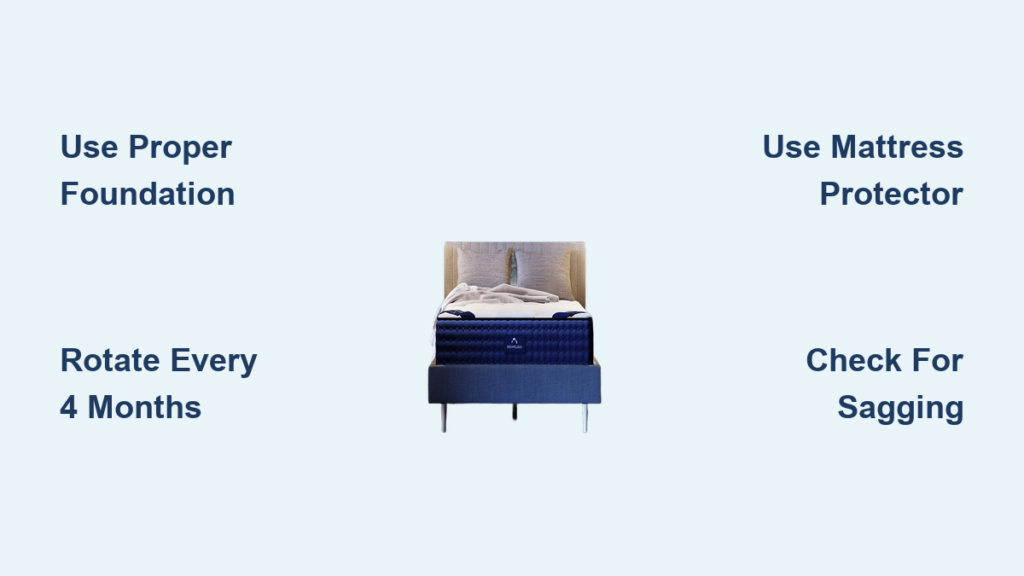
Rotate your mattress 180 degrees every three months during the first year to promote even wear. Use a high-quality mattress protector to shield against spills and stains that could void your warranty. Allow your mattress to air out daily by removing bedding for 20-30 minutes each morning. Avoid jumping on the mattress or placing excessive weight on any single area during the first few weeks after relocation, as the foam needs time to fully stabilize in its new environment.
Avoid Critical Moving Mistakes That Damage Leesa Mattresses
Learning from common errors saves time, money, and frustration during your mattress relocation. Many damage incidents result from well-intentioned but misguided attempts to save effort. Understanding these pitfalls helps you navigate around them effectively.
Never bend your Leesa mattress at sharp angles, as this can permanently damage foam layers and internal coils. If your mattress won’t fit through doorways, remove doors from hinges rather than forcing the mattress. Avoid dragging your mattress across surfaces—always carry it with adequate help (two people for queen, four for king sizes). Never store your mattress in damp environments during temporary storage, as moisture promotes mold growth that voids warranty coverage. Most importantly, don’t rush the unrolling process—allowing proper expansion time prevents permanent indentations.
Understand Warranty Protection During Mattress Relocation

Knowing how moving affects your Leesa warranty provides peace of mind and helps avoid inadvertently voiding coverage. Leesa’s warranty covers manufacturing defects but not damage from improper handling during relocation.
Document your mattress condition before moving with timestamped photos from multiple angles. Keep your original purchase receipt and warranty documentation accessible throughout the move. If your mattress sustains damage during relocation that appears unrelated to mishandling, contact Leesa customer service immediately with your documentation before attempting repairs. Remember that certain damage types—like permanent indentations from improper rolling or mold from storage in damp conditions—typically fall outside warranty coverage.
Moving a Leesa mattress successfully requires careful planning and execution at every stage. By following these detailed steps for preparation, transport, and setup, you protect your investment and ensure quality sleep in your new home from day one. The key difference between a successful move and a damaged mattress often comes down to patience—rushing any step risks compromising your mattress’s integrity. When you know exactly how to move a Leesa mattress properly, you transform what could be a stressful challenge into a smooth transition that preserves your sleep sanctuary. Remember that your Leesa mattress represents a significant investment in your health and well-being—treating it with care during relocation ensures it continues delivering restorative sleep for years to come in your new home.