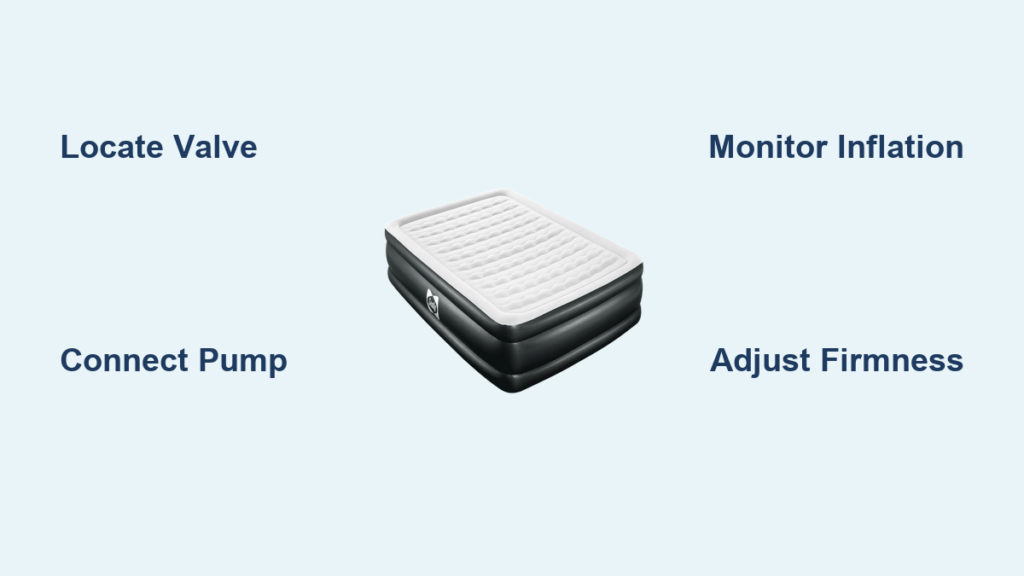
Your Sealy Tritech air mattress comes with a built-in AC pump designed to make inflation quick and effortless. Unlike air mattresses requiring separate pumps or manual blowing, this integrated system lets you go from folded packaging to fully inflated sleeping surface in just minutes. Whether you’re setting up for overnight guests, a camping trip, or need a temporary bed, understanding how to properly inflate your Sealy mattress ensures optimal firmness, prevents air leaks, and extends the life of the product. This guide walks you through every step of the inflation process, from initial setup to troubleshooting common issues, so you can enjoy a comfortable night’s sleep without frustration.
The built-in pump operates on standard 110-120 volt household current, meaning you can inflate your mattress using any regular wall outlet in your home, RV, or vacation rental. The quick-release screw valve system not only speeds up inflation but also creates a secure seal that maintains pressure throughout the night. With proper technique, most users find their queen-sized mattress reaches full firmness in under two minutes—significantly faster than the 4-minute specification listed in product documentation. Let’s dive into the complete inflation process.
Locate and Secure the Quick-Release Valve
Before plugging in your Sealy mattress, you must prepare the valve system for proper inflation. Find the valve on the side of your mattress—it’s part of the integrated pump system with a screw mechanism that controls airflow. This quick-release valve serves dual purposes: sealing the mattress during sleep and allowing rapid deflation when needed. For successful inflation, the valve must be in the closed position, which you achieve by turning it clockwise until it’s hand-tight.
Don’t over-tighten the valve, as this can damage the internal seal, but ensure there’s no visible gap or looseness. Remove the protective valve cap and set it aside where you won’t lose it—this cap is essential for maintaining pressure after inflation. Take 10 seconds to inspect the valve opening for any debris, dust, or small particles that could compromise the airtight seal. A quick wipe with a clean, dry cloth removes contaminants that might cause slow air leakage during the night. This simple preparation step prevents most common inflation problems users experience with air mattresses.
Connect and Activate the Built-In Pump System

Your Sealy Tritech mattress features a permanently integrated AC pump that eliminates the frustration of lost or malfunctioning external pumps. Locate the pump control unit on the side of the mattress—this is where you’ll plug in the power cord. Ensure the area around the pump is clear of obstructions that might restrict airflow or cause overheating during operation. The pump is engineered specifically for your mattress size and internal structure, providing optimal airflow without risking over-inflation.
Plug the power cord directly into a standard 110-120 volt wall outlet—avoid extension cords when possible, as they can reduce voltage and extend inflation time. The queen-sized model typically inflates in 90 seconds to 4 minutes, depending on how tightly it was stored and your outlet’s voltage strength. When you flip the pump switch to “on,” you’ll immediately hear the motor engaging and see the mattress beginning to expand. The Tritech internal beam structure (polyester mesh encased in durable PVC) distributes air evenly as inflation progresses, preventing the lumpy surfaces common in cheaper air mattresses.
Monitor Inflation Progress and Stop at Optimal Firmness
Don’t walk away during inflation—monitor the process for the first minute to ensure even expansion and proper function. Press gently on different sections of the mattress as it inflates to check for consistent firmness across the entire surface. The flocked sleeping surface should rise uniformly without developing soft spots or unusually firm areas. If you notice uneven inflation, adjust the mattress position slightly on the floor to help air distribute more evenly through the internal beam channels.
When the mattress reaches approximately 80% of its full height, begin testing firmness by pressing down with your palm. The ideal firmness feels supportive but yields slightly under pressure—similar to a traditional mattress rather than a rock-hard surface. Many users make the mistake of over-inflating, which stresses seams and increases the risk of punctures. For most sleepers, stopping inflation when the mattress feels “medium-firm” provides the best comfort and longevity. The built-in pump automatically shuts off when maximum capacity is reached, but you can stop inflation earlier by flipping the switch to “off” when you reach your preferred firmness level.
Fine-Tune Firmness Using the Valve System
After the initial inflation, you’ll likely need to adjust firmness to match your personal preference. Press down on the center of the mattress—if it feels too firm, open the valve by turning it counter-clockwise one-quarter turn to release small amounts of air. Re-test and repeat until you achieve your ideal sleeping surface. For a softer feel, press down while the valve is open to expel air more quickly. If the mattress feels too soft, simply reactivate the pump for 10-15 seconds to add more air.
Once satisfied with firmness, close the valve by turning it clockwise until snug, then secure the valve cap tightly. The rubber gasket inside the cap creates the final airtight seal that maintains pressure throughout the night. Allow the mattress to rest for 5-10 minutes before adding bedding—this lets the internal air redistribute and stabilize after your adjustments. Properly tuned firmness prevents the discomfort of sleeping on an over-inflated or under-inflated surface, significantly improving sleep quality.
Troubleshoot Slow Inflation or Air Loss Issues

If your Sealy mattress inflates slower than expected or loses air overnight, follow this diagnostic checklist before assuming a major problem:
- Valve not fully closed: Even a slight gap allows air to escape—tighten the valve clockwise and ensure the cap is securely in place
- Debris in valve mechanism: Remove the cap and inspect for hair, dust, or fabric fibers interfering with the seal
- Power supply issues: Try a different outlet or eliminate extension cords to ensure full voltage reaches the pump
- Temperature effects: Cold environments slow inflation—allow the mattress to warm to room temperature before inflating
- Initial material compression: Brand new mattresses may require 2-3 inflation cycles to reach optimal performance
For persistent air loss, perform the soapy water test: mix dish soap with water in a spray bottle and apply to seams and valve areas. Bubbles will form at leak locations, allowing you to target repairs with the included patch kit. Apply patches to completely deflated, clean, dry surfaces for best adhesion. Most minor leaks can be fixed this way without compromising the mattress’s long-term usability.
Optimize Long-Term Inflation Performance

Maximize your Sealy mattress’s lifespan with these inflation best practices:
- Pre-inflation preparation: Always unroll the mattress completely before inflating—it should lie flat without twists or folds that restrict air channels
- Surface selection: Inflate on clean, smooth surfaces free of sharp objects that could puncture the bottom layer
- Regular maintenance: Check valve integrity monthly by applying soapy water around the seal area when inflated
- Temperature awareness: Avoid inflating in extreme cold (below 50°F/10°C) as PVC becomes brittle and more prone to cracks
- Gradual pressure adjustment: When fine-tuning firmness, make small incremental changes rather than large air releases
Customer reviews consistently highlight the Sealy Tritech model’s superior air retention compared to competitors—when properly maintained, most users report the mattress stays inflated throughout the night without requiring top-ups. The combination of the quick-release valve system and durable Tritech beam construction creates a sleeping surface that rivals traditional mattresses for comfort and reliability. By following these precise inflation techniques, you’ll extend your mattress’s service life while ensuring consistent comfort for guests, camping trips, or temporary sleeping needs.
Proper Deflation and Storage Techniques
When you need to pack away your Sealy mattress, follow these steps for efficient deflation and storage:
- Remove all bedding and ensure the sleeping surface is clean and dry
- Open the quick-release valve by turning it counter-clockwise until fully open—you’ll hear air escaping immediately
- Gently press down on the mattress to expedite air release, working from the head to foot of the mattress
- Once mostly deflated, roll the mattress toward the valve end to push out remaining air
- Secure with the included straps and place in the storage bag
Store your deflated mattress in a cool, dry place away from direct sunlight, which can degrade PVC materials over time. The ultra-fresh sleeping surface treatment helps resist moisture and bacterial growth during storage, but ensure the mattress is completely dry before packing away to prevent mildew. Proper storage after each use maintains the integrity of the internal beam structure, ensuring reliable inflation performance for years to come.
Final Note: Regularly following these precise inflation techniques will transform your Sealy air mattress from a temporary solution into a reliable, comfortable sleeping surface that performs consistently night after night. The built-in pump system, when used correctly, delivers rapid inflation with minimal effort—turning what could be a frustrating chore into a seamless part of your guest hosting or camping routine.