Finding ants crawling through your mattress is more than just unsettling—it’s a direct violation of your personal sanctuary. Your bed should be the one place where you feel completely safe and comfortable, not a highway for unwanted pests. When ants invade this intimate space, they’re not just disturbing your sleep; they’re potentially introducing bacteria, leaving behind pheromone trails, and possibly establishing nests within the fabric layers of your mattress. This situation demands immediate action to restore your peace of mind and protect your health.
The good news is that mattress ant infestations, while disturbing, are completely manageable with the right approach. Whether you’re dealing with a few scouting ants or a full colony, this guide provides a comprehensive action plan to eliminate these pests safely and effectively. You’ll learn how to identify the specific ant problem you’re facing, implement targeted removal techniques, apply appropriate treatments, and establish long-term prevention strategies. By the end of this guide, you’ll have the knowledge to reclaim your sleeping space and keep it ant-free for good.
Identify the Ant Problem Before Taking Action
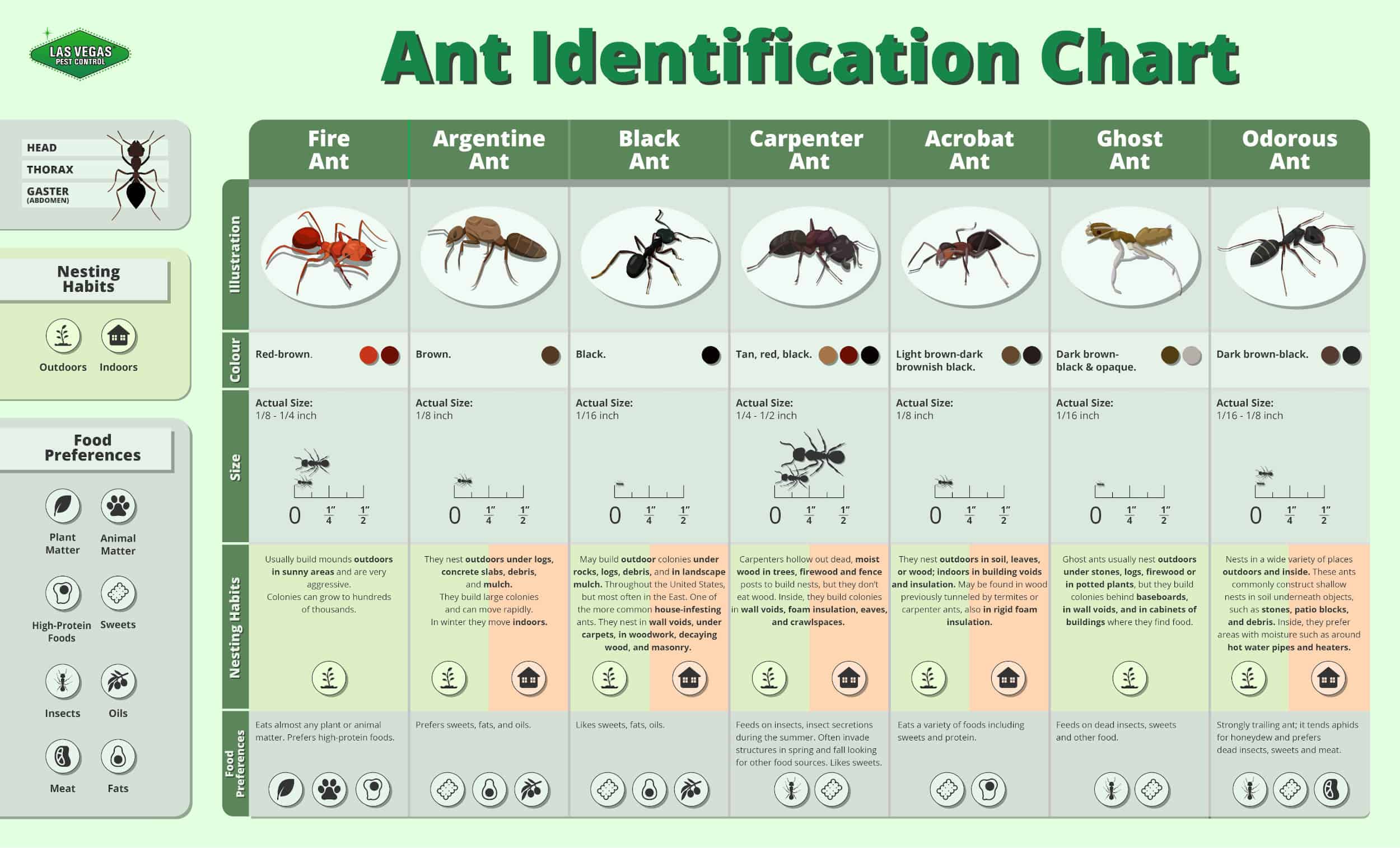
Before you start spraying or dusting your mattress, confirm you’re dealing with ants and understand exactly what you’re facing. Different ant species require different approaches, and mistaking another pest for ants could lead to ineffective treatment.
Signs of Mattress Ant Infestation
Spotting live ants on your sheets is the most obvious sign, but look for subtler indicators that reveal a deeper problem. Check for tiny dirt trails along mattress seams, small piles of debris near the edges, or unusual raised areas suggesting nests beneath the surface. A faint musty or sweet odor might accompany larger infestations as pheromone trails accumulate. Inspect your bedroom thoroughly before assuming the mattress is the source—ants often travel from other parts of your home to reach your bed.
If ants appear primarily at night, they’re likely following established trails to a food source, with your mattress serving as a convenient rest stop. Examine baseboards, window frames, and any gaps around pipes that could serve as entry points. Finding the trail’s origin point is crucial for eliminating the colony rather than just treating symptoms.
Common Ant Species in Mattress Environments
Certain ant species are more likely to invade sleeping areas than others. Sugar ants (odorous house ants) are drawn to food crumbs, sweat residue, and body oils that accumulate on bedding. Pharaoh ants, though less common, prefer warm environments and can establish colonies within mattress layers. Carpenter ants occasionally nest in wooden bed frames before spreading to adjacent mattresses. Identifying the species helps determine whether you’re dealing with a localized problem or a structural issue requiring broader treatment.
Perform Immediate Physical Ant Removal
Once confirmed, begin with physical removal before applying any treatments. This step reduces the immediate population and gives your subsequent treatments better access to remaining ants and nests.
Strategic Vacuuming Techniques
Use a powerful vacuum with a crevice attachment to methodically work across the entire mattress surface. Focus on seams, tufts, and the perimeter edge where fabric meets the foundation, pressing the attachment firmly to draw out ants hiding in fabric folds. After vacuuming, immediately seal the vacuum bag or empty the canister into a sealed plastic bag and dispose of it outdoors—bringing the contents back inside defeats the purpose.
Don’t forget to vacuum the bed frame, headboard, and any nearby furniture. For severe infestations, consider flipping and vacuuming both sides of the mattress. Empty your vacuum outside and consider using a disposable bag you can toss completely rather than emptying it into your indoor trash.
Direct Ant Removal Methods
For visible live ants, a sticky lint roller captures them effectively without crushing—crushed ants release alarm pheromones that attract more colony members. Alternatively, use a damp cloth to wipe ants away, then rinse the cloth outdoors. If ants have formed a visible trail, follow it to locate potential entry points.
For nests embedded within mattress layers, physical removal is limited. However, exposing the mattress to direct sunlight for several hours can drive ants out—they typically prefer dark, concealed spaces. Place the mattress in a sunny room or outdoors on a clean surface, checking periodically to remove emerging ants.
Apply Natural Treatments That Won’t Harm Your Sleep Space
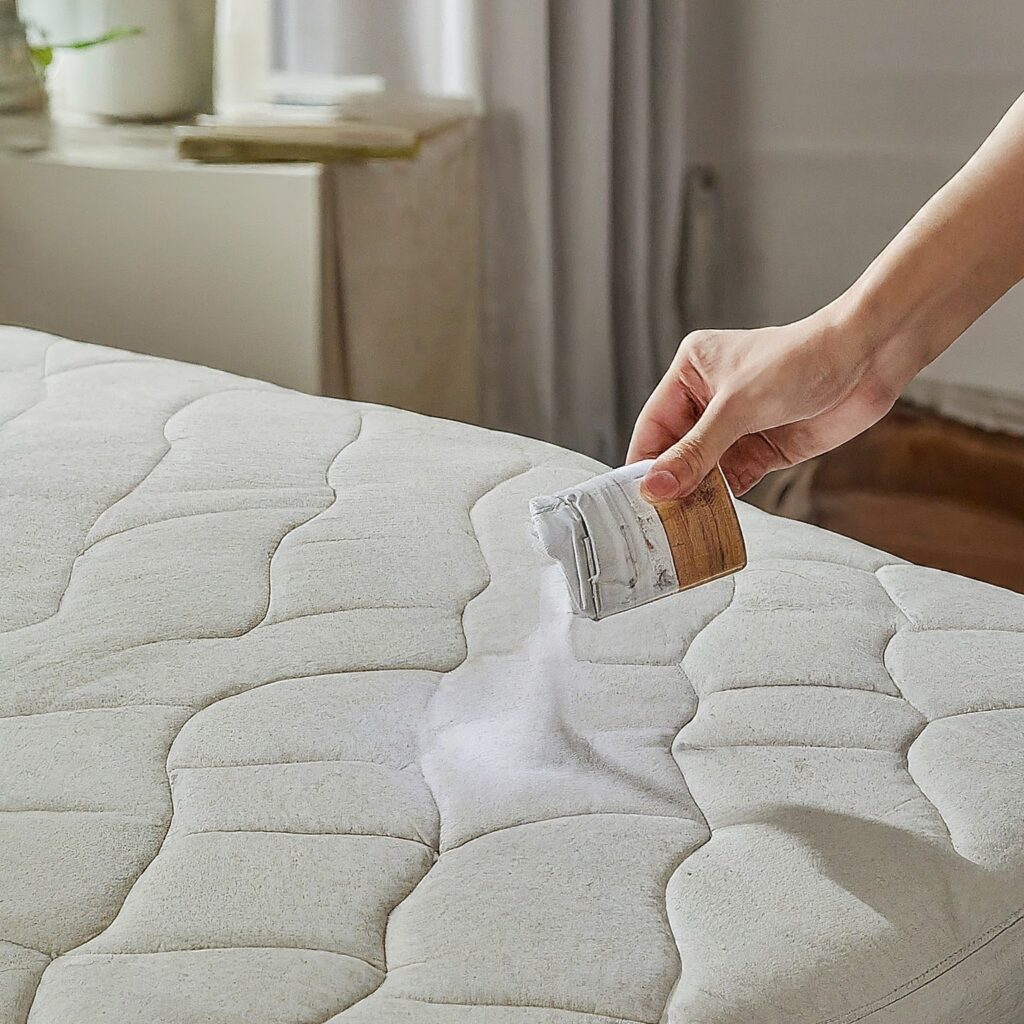
After removing visible ants, natural treatments help eliminate remaining insects and deter future activity. These methods are safe for households with children and pets when applied correctly.
Diatomaceous Earth Application for Mattress Safety
Food-grade diatomaceous earth (DE) is highly effective against ants without the toxicity of chemical pesticides. This fine powder damages the exoskeleton of insects, causing dehydration within days of contact. Apply a light dusting directly onto the mattress surface, focusing on seams, edges, and any areas where you’ve seen ant activity. Leave the DE in place for at least 48 hours before vacuuming thoroughly.
Keep the DE dry for maximum effectiveness—moisture renders it useless. Apply during dry conditions and avoid steam cleaning or spraying liquids nearby afterward. Reapply weekly for three weeks to catch ants emerging from eggs. Focus dust along baseboards, window frames, and other potential entry points simultaneously to prevent reinfestation.
Essential Oil Solutions That Repel Ants Naturally
Peppermint, tea tree, lemon eucalyptus, and cinnamon oils effectively repel ants while leaving your bedroom smelling pleasant. Create a spray solution by adding 10-15 drops of essential oil to a spray bottle filled with water and a small amount of dish soap (which helps the oil emulsify). Shake well and mist lightly over the mattress surface, avoiding direct saturation.
Test any essential oil solution on a small, hidden area first to ensure no discoloration occurs. Allow the mattress to dry completely before making the bed—typically two to four hours depending on ventilation. Reapply every three to five days for two weeks. While less immediately lethal than DE, essential oils disrupt pheromone trails and create an environment ants actively avoid.
Use Chemical Treatments Only When Natural Methods Fail
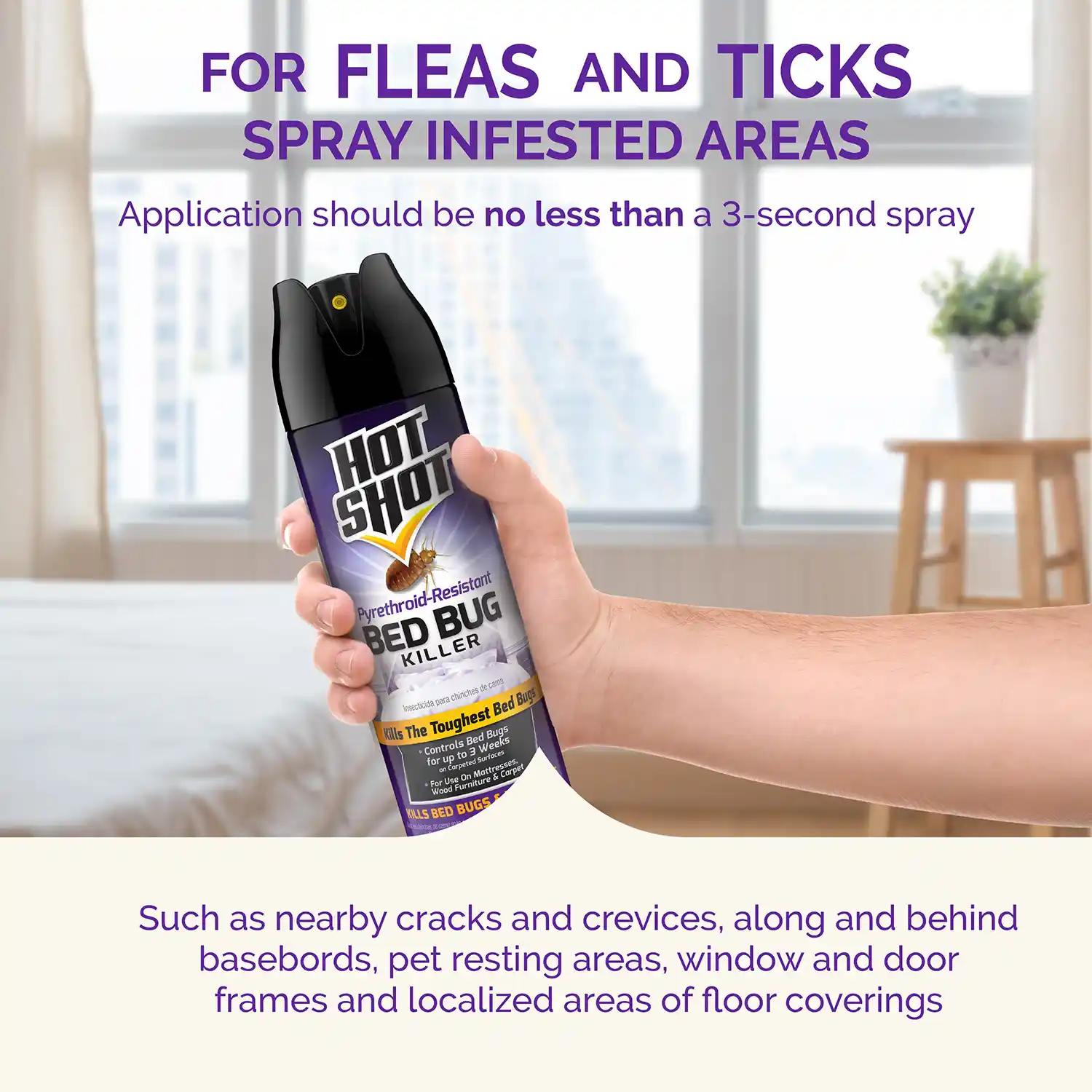
Natural methods work for minor infestations, but severe or persistent problems may require chemical intervention. Approach these options carefully, particularly in sleeping areas.
Mattress-Safe Insecticide Application
Look for products specifically labeled as safe for use on mattresses and bedding. Dust formulations containing silica gel offer longer-lasting protection than natural DE. Spray treatments containing pyrethrins provide quick knockdown but require adequate drying time before the mattress can be used.
Always follow manufacturer instructions precisely regarding application quantity, ventilation requirements, and wait times. Apply chemicals only to the mattress exterior, never directly into the interior or foundation. Consider using mattress encasements after treatment to contain any remaining insects while protecting your investment.
Clean and Deodorize After Ant Elimination
Once ants are eliminated, thorough cleaning removes lingering odors, pheromones, and any biological residue left behind. This step also prepares your mattress for protective treatments.
Deep Cleaning Process for Complete Sanitization
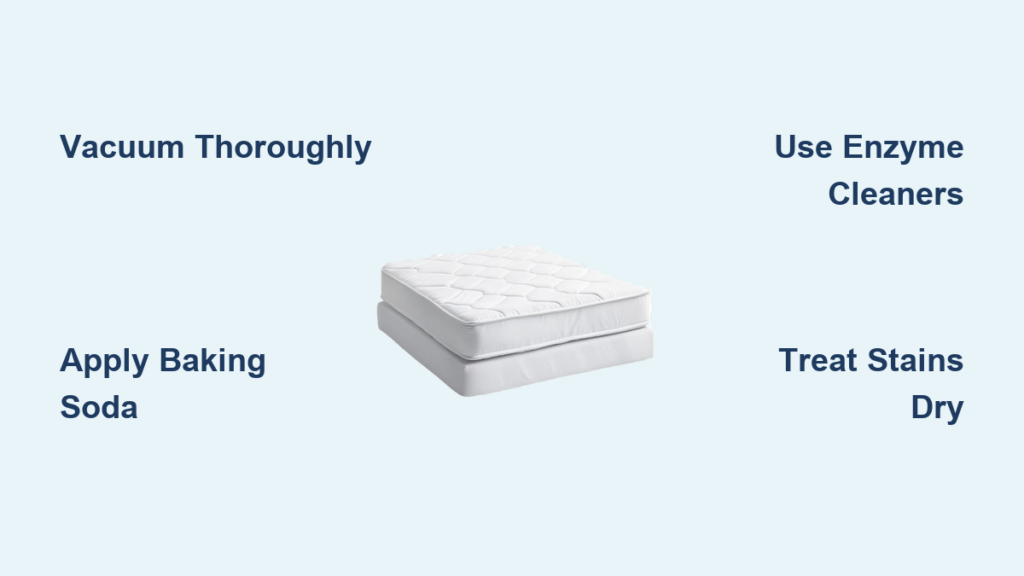
Strip all bedding and wash everything in hot water—at least 130°F—to kill any ants or eggs that may have transferred. Dry on the highest heat setting your fabrics can tolerate. Vacuum the mattress again thoroughly, this time focusing on drawing out any dead insects, shed skins, or debris from the treatment process.
For washable mattress covers, launder according to manufacturer instructions. If your mattress lacks a removable cover, consider investing in one after treatment—encasements create a barrier that makes future infestations easier to detect and eliminate.
Neutralizing Persistent Ant-Related Odors
Sprinkle baking soda liberally over the mattress surface, let it sit for at least 30 minutes (longer for stronger odors), then vacuum thoroughly. The baking soda absorbs moisture and neutralizes smells while providing mild deodorizing properties.
For persistent odors, enzymatic cleaners break down the organic compounds causing smell. Apply according to product instructions, allow adequate dwell time, and extract thoroughly. Ensure the mattress dries completely before making the bed—moisture trapped in mattress layers promotes mold growth and attracts future pest problems.
Prevent Future Mattress Ant Infestations
Eliminating current ants means nothing if new colonies establish themselves. Prevention requires sealing entry points, removing attractions, and establishing barriers that discourage ant exploration.
Eliminate Food Sources That Attract Ants to Bedrooms
Remove ants’ motivation by keeping bedroom surfaces crumb-free—never eat in bed, and vacuum regularly to remove skin cells and dust. Wash bedding weekly in hot water to reduce organic residue. Address any moisture issues: fix leaking pipes, use dehumidifiers in humid climates, and ensure adequate bedroom ventilation.
Store food items, including snacks and pet food, in sealed containers outside the bedroom. Empty trash cans regularly and keep them covered. If you have potted plants in or near your bedroom, check soil for ant activity—potting soil can harbor colonies.
Create Physical Barriers That Block Ant Access
Apply weather stripping around windows and doors to eliminate the tiny gaps ants use as entry points. Seal gaps around pipes, electrical outlets, and baseboards with caulk or expanding foam. Create a perimeter barrier by applying diatomaceous earth or insecticidal dust along baseboards, window frames, and other potential entry routes—reapply monthly or after cleaning.
Consider using double-sided tape or petroleum jelly along windowsills and bed frame edges as temporary barriers. Ants dislike crossing sticky or slick surfaces, though these methods require regular reapplication.
Know When to Replace Your Mattress Completely
Sometimes, despite your best efforts, a mattress cannot be saved. Understanding when replacement is the smarter investment saves time, money, and recurring frustration.
If ants have burrowed deeply into mattress layers, physical removal becomes impossible. Signs that your mattress is compromised include visible structural damage, persistent odor that returns despite cleaning, recurring ant sightings despite treatment, and allergies or health reactions potentially linked to the infestation. When replacing, choose an encasable mattress design or invest in quality covers immediately.
Your bed should remain the peaceful retreat it was designed to be. By combining immediate action with long-term prevention strategies, you create an environment where ants simply can’t establish themselves. Implement regular inspection routines—monthly checks of mattress seams, bed frame joints, and bedroom perimeter catch problems before they escalate. Address any moisture issues immediately, as damp environments attract multiple pest species. Keep the bedroom uncluttered, reducing hiding places where ants might establish unnoticed. The investment of time and effort pays for itself in better sleep, reduced stress, and the confidence that your personal space truly belongs to you.