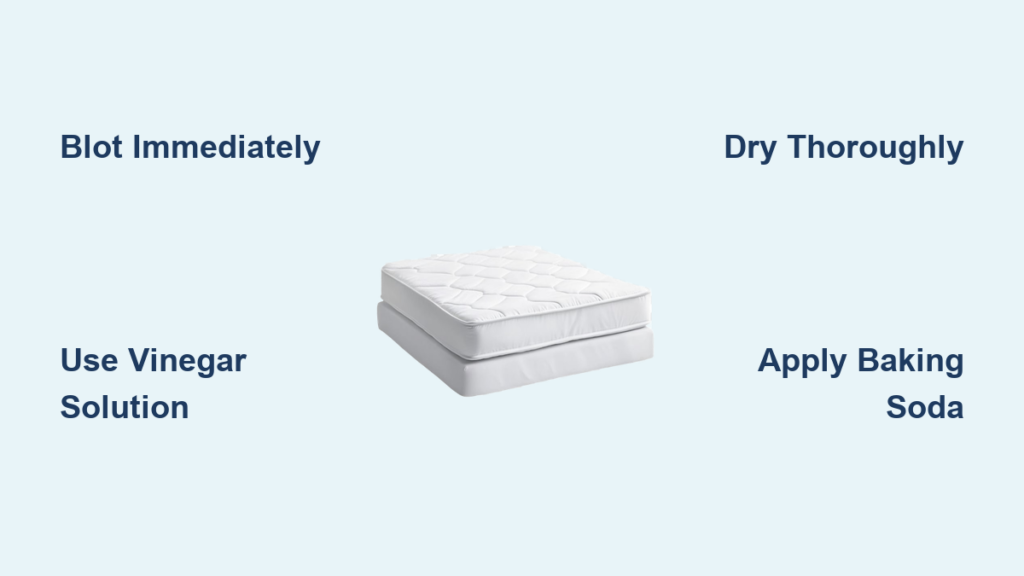
Discovering urine odor on your mattress can be distressing, whether from a child’s accident, pet mishap, or adult incontinence. The good news is you can eliminate this stubborn smell using a simple household solution already in your pantry. White distilled vinegar effectively neutralizes urine odor by breaking down the uric acid crystals that cause lingering smells. Unlike masking agents that temporarily cover odors, vinegar addresses the chemical source of the problem. This guide provides the exact vinegar-to-water ratio, application techniques, and drying methods that guarantee results without damaging your mattress.
Why Vinegar Eliminates Urine Odor Better Than Commercial Products
Urine odor persists because uric acid crystals bond with mattress fibers, creating a breeding ground for odor-causing bacteria. When bacteria break down these compounds, they release ammonia gases that produce that distinctive unpleasant smell. White vinegar’s 5% acetic acid concentration dissolves these crystals through a chemical reaction, releasing trapped odor molecules so they can evaporate.
Unlike enzyme cleaners that can take days to work, vinegar provides immediate results while being safer for your family and pets. The acidic nature of vinegar also creates an environment where odor-causing bacteria cannot survive, preventing future smell development. Most importantly, vinegar neutralizes alkaline compounds in urine that contribute significantly to the ammonia-like odor, addressing the root cause rather than just masking the smell.
Essential Supplies Checklist for Maximum Effectiveness
Gather these specific items before starting to avoid mid-process interruptions that compromise results. You’ll need white distilled vinegar (5% acidity), two clean spray bottles (one for solution, one for water rinse), 4-6 clean white microfiber cloths, baking soda, a vacuum cleaner with upholstery attachment, rubber gloves, and a fan.
Crucially, use only regular white distilled vinegar—never apple cider or flavored varieties that leave residues and introduce new odors. The 5% acidity concentration in standard grocery store vinegar provides optimal cleaning power without damaging mattress materials. Microfiber cloths work best for blotting because their fibers lift dissolved uric compounds rather than driving them deeper into the mattress.
Immediate Action Steps After an Accident Occurs
Time is critical when addressing fresh urine accidents. First, remove all bedding and wash immediately in hot water. Then, press multiple layers of clean white towels firmly against the wet spot, replacing them until they come away mostly dry. Avoid rubbing, which spreads the urine deeper into mattress layers.
For older stains where urine has dried, lightly mist the area with cool water first to reactivate the uric acid crystals before applying vinegar. This reactivation step makes the odor-causing compounds more accessible to the vinegar’s cleaning action. Never use heat at this stage, as it sets stains and makes odor removal more difficult.
Perfect Vinegar Solution Formula and Application Technique
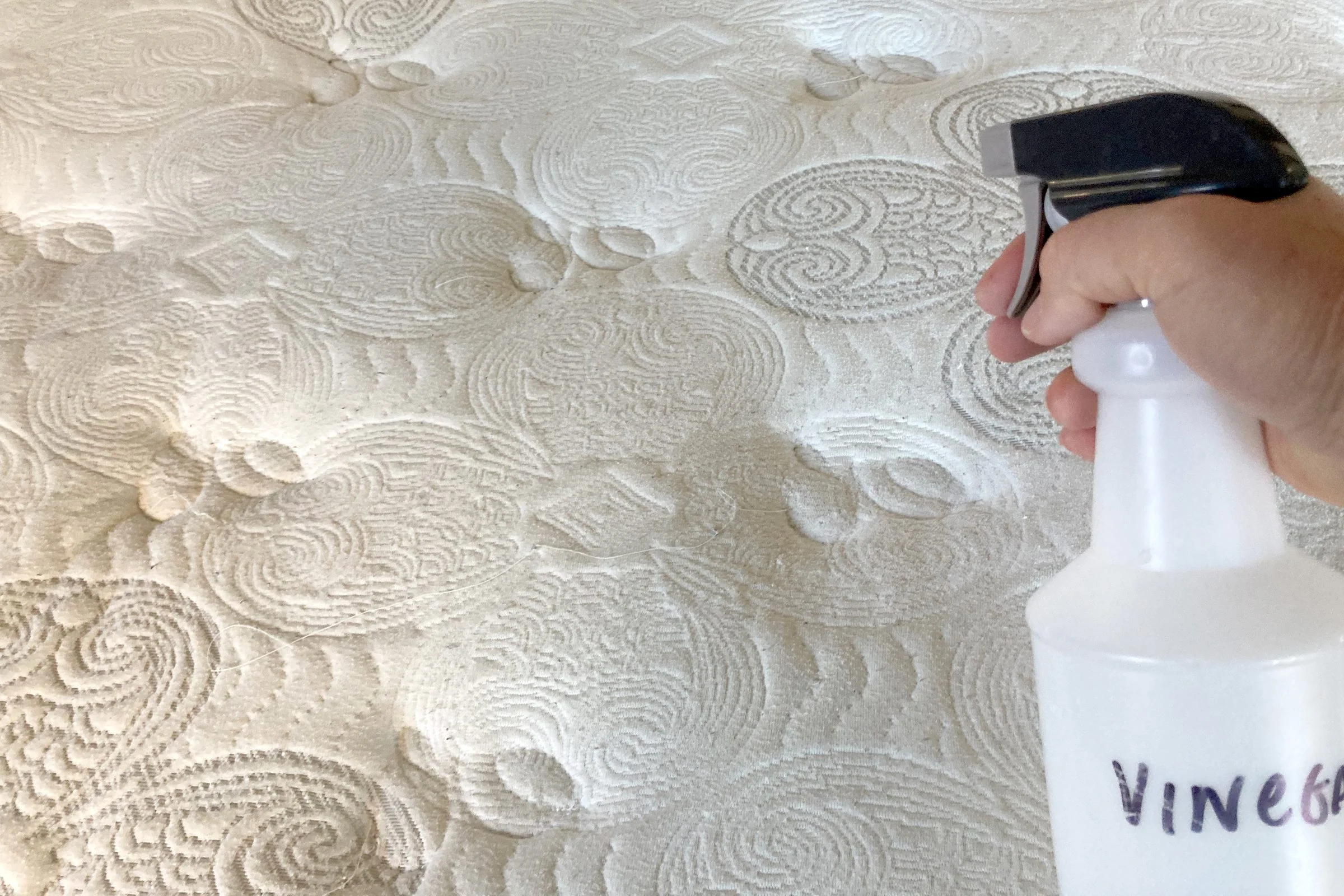
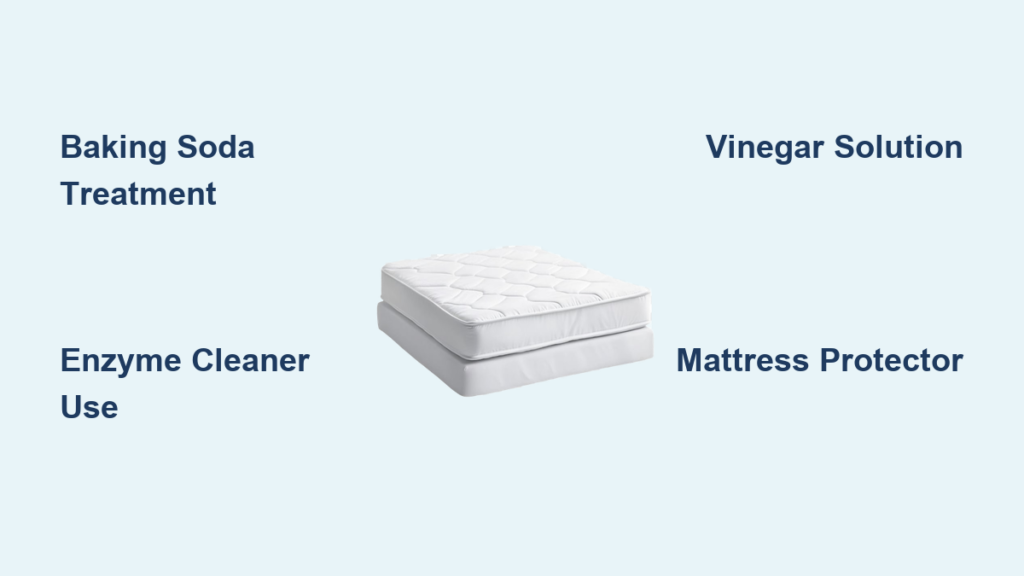
Mix equal parts white distilled vinegar and cool water in a spray bottle for optimal results. Test this solution on a hidden corner of your mattress first to check for any fabric reaction. If no discoloration appears after five minutes, proceed with the affected area.
Spray generously but avoid oversaturating—dampen the fabric and reach upper foam layers without soaking through to the base. Apply in slow, overlapping strokes, allowing penetration before moving to adjacent areas. For stubborn odors, apply undiluted vinegar directly to the most concentrated spots, but limit this to small areas and monitor for fabric reaction.
Immediately after spraying, press clean microfiber cloths firmly against the damp spots to absorb dissolved uric compounds. Replace cloths with fresh ones and repeat until they come away relatively clean. This blotting action draws odor-causing agents toward the surface rather than driving them deeper.
Critical Drying Process That Prevents Mold Growth
Improper drying creates mold and mildew problems worse than the original urine odor. After vinegar application, expose the mattress to maximum airflow—open windows for cross-ventilation and position a fan to blow across the surface. Direct sunlight accelerates drying and provides additional deodorizing benefits, but avoid prolonged harsh sun exposure that can fade fabric.
Expect drying to take 24-48 hours depending on humidity. Check periodically by pressing a dry towel against the surface—any moisture transfer means more drying time is needed. Never rush this phase with high heat, which can set remaining stains. A dehumidifier in the room dramatically speeds evaporation by pulling excess moisture from the air.
Baking Soda Boost for Complete Odor Elimination
:max_bytes(150000):strip_icc()/GettyImages-1746831268-eb39a0a975d8431cb304431af367937d.jpg)
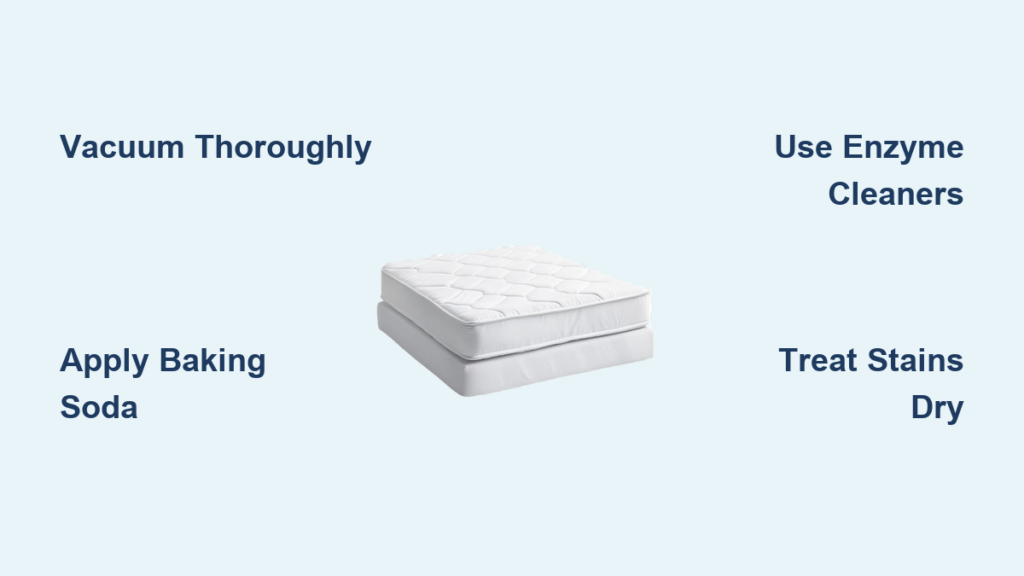
Once the mattress is completely dry, sprinkle a generous layer of baking soda over the treated area. Use ½ to 1 cup for a twin mattress, scaling up for larger sizes. The baking soda absorbs residual odors that survived the vinegar treatment. For enhanced effectiveness, mix 5-10 drops of essential oil (lavender or eucalyptus work well) into the baking soda before application.
Allow the baking soda to sit for at least 4 hours, preferably overnight. During this time, it draws out remaining moisture and neutralizes stubborn odor molecules. Vacuum thoroughly using the upholstery attachment, making multiple slow passes in different directions. If any urine smell remains, repeat the entire vinegar and baking soda process before replacing bedding.
When Vinegar Treatment Isn’t Enough: Professional Solutions

If you’ve repeated the vinegar treatment twice without significant improvement, the urine may have penetrated too deeply for household methods. Professional mattress cleaners use industrial extraction equipment that reaches deeper layers and applies more powerful suction than home methods. They also have access to professional enzyme cleaners that break down uric acid crystals at a molecular level.
Consider replacement if your mattress is older than seven years, has extensive staining alongside odor, or has absorbed urine from multiple incidents over time. A mattress that has absorbed significant human urine over years may harbor bacteria that home cleaning cannot eliminate. In these cases, investing in a new mattress protects your health and provides better sleep quality.
Preventative Measures That Avoid Future Accidents
Implement these strategies after successful odor removal to prevent repeat incidents. Use a high-quality waterproof mattress protector that’s breathable yet completely impermeable to liquids. These inexpensive barriers prevent urine from reaching the mattress itself and can be washed regularly.
Keep a pre-mixed vinegar solution (1:1 ratio) in a labeled spray bottle near the bed for immediate response to future accidents. The faster you treat fresh urine, the less likely it is to bond with mattress materials. Establish a monthly maintenance routine: vacuum the mattress surface and sprinkle light baking soda applications that you vacuum after 30 minutes to prevent odor buildup.
Safety Tips That Protect Your Mattress During Cleaning
Always work in a well-ventilated area when using vinegar, as concentrated fumes can irritate sensitive individuals. Open windows and consider wearing a mask if you’re particularly sensitive to strong odors. Never mix vinegar with bleach or ammonia-based cleaners, as this creates dangerous fumes.
Test all solutions on inconspicuous areas first, as some mattress fabrics with special treatments may react unexpectedly. When in doubt, consult the manufacturer’s cleaning instructions. Keep electrical appliances away from damp mattress surfaces, and ensure complete dryness before using the mattress again. Never use steam cleaners on vinegar-treated areas without checking compatibility, as heat can set remaining stains.
How to Tell If Your Mattress Is Beyond Saving
Check for these warning signs that indicate replacement is necessary: persistent dampness after multiple drying attempts, visible mold growth, significant discoloration that doesn’t respond to treatment, or a sour/musty smell that remains after thorough cleaning. Mattresses with pocketed coil systems are particularly vulnerable to permanent damage from urine penetration, as the liquid can become trapped between coil pockets where cleaning solutions cannot reach.
Successfully removing urine odor requires addressing both the chemical cause and physical presence of uric acid crystals. The vinegar-baking soda combination works because vinegar breaks down the crystals while baking soda absorbs residual odors. By following these precise steps—immediate absorption, proper vinegar application, thorough drying, and baking soda treatment—you can eliminate even stubborn urine smells. For recurring issues, implement preventative measures like waterproof protectors and immediate accident response. Remember that patience during the drying phase prevents mold growth and ensures complete odor elimination. With these proven techniques, you can restore your mattress to fresh, odor-free condition without expensive professional services.