Finding blood on your mattress topper can trigger panic—especially when you’re unsure if the stain will become permanent. Whether it’s from a nosebleed, injury, or menstrual accident, blood stains threaten both your sleep surface and your peace of mind. The good news? With the right approach and immediate action, you can completely remove blood stains from most mattress toppers. This guide reveals proven methods that work on fresh and dried stains across all common mattress topper materials, so you can restore your sleep surface without replacing your entire investment.
Stop the Spread: Immediate Action for Fresh Blood Spills
When blood first hits your mattress topper, your instinct might be to rub it away—but this pushes proteins deeper into fibers where they bond permanently. Within the first 60 seconds, grab clean white cloths or paper towels and press firmly onto the stain without rubbing. Hold for 15 seconds, then lift straight up to lift blood toward the surface. Repeat with fresh sections of cloth until transfer stops, removing up to 80% of the stain before any cleaning solution touches the fabric.
Critical mistake to avoid: Never use warm or hot water. Blood contains proteins that coagulate when heated, creating an irreversible bond with fabric fibers. Even lukewarm water can set the stain, so keep everything cold from initial response through final rinsing. If the blood is still wet, skip directly to blotting without pre-treating—adding liquid too soon just spreads the stain further into your topper’s layers.
Hydrogen Peroxide Method: Break Down Blood Proteins Safely

Hydrogen peroxide works as a powerful oxidizer that breaks down hemoglobin in blood, making it ideal for both fresh and slightly dried stains. Before applying, test on an inconspicuous area of your mattress topper to check for discoloration—this is crucial for colored or patterned toppers.
Proper Hydrogen Peroxide Application Steps
- Confirm you’re using 3% hydrogen peroxide (the standard drugstore concentration)
- Pour directly onto the stain until fully saturated—watch for immediate bubbling
- Let it foam and react for 5-10 minutes without touching the area
- Blot firmly with clean white cloths to lift dissolved blood
- Repeat application until no more blood transfers to your cloth
- Finish with cold water blotting to remove residue
Important warning: Skip this method for wool, silk, or dark-colored mattress toppers, as peroxide will cause bleaching. Memory foam requires extra caution—apply sparingly and avoid oversaturating, as trapped moisture leads to mold growth within 24 hours.
Salt and Cold Water Technique for Quick Kitchen Solutions
This simple method uses ingredients you already have and works best for fresh blood stains on cotton or polyester mattress toppers. The salt creates a hypertonic solution that pulls blood proteins out of fabric fibers through osmosis.
Effective Salt Stain Removal Process
- Mix 1 tablespoon of table salt with 1 cup of cold water until fully dissolved
- Apply solution directly to the stain using a spray bottle or soaked cloth
- Let sit for 15-20 minutes to allow salt to draw out blood proteins
- Blot firmly with dry white cloths, replacing with clean sections as they stain
- Rinse by blotting with cold water-dampened cloth, then dry thoroughly
This technique removes most fresh stains in one application. For stubborn spots, repeat the process 2-3 times with fresh salt solution. Avoid using on memory foam or latex toppers, as salt crystals can become trapped in porous materials and cause long-term damage.
Enzymatic Cleaners: The Professional Solution for Dried Blood
For blood that’s dried or set into your mattress topper for more than an hour, enzymatic cleaners provide the most effective removal by breaking down blood proteins at a molecular level. These products contain protease enzymes specifically designed to digest organic matter like blood.
Choosing and Applying Enzymatic Cleaners
Select a cleaner formulated for pet stains or blood (Nature’s Miracle works well). Apply generously to fully saturate the stained area, ensuring the solution penetrates through surface fibers to where blood has soaked deeper. Let sit for 15-30 minutes—leaving it longer improves results for stubborn stains.
Blot firmly with clean white towels to extract dissolved blood. For thick mattress toppers, use a wet-dry vacuum to pull liquid from deeper layers. Repeat the process until no more discoloration appears. Never skip the extraction step—residual cleaner left in the topper can cause odors or attract new stains.
Vinegar and Baking Soda Paste for Set-In Blood Stains

When blood has dried completely, this two-step method loosens stubborn stains through chemical reaction and physical extraction. The acetic acid in vinegar breaks down dried proteins while baking soda lifts them to the surface.
Complete Vinegar-Baking Soda Process
- Saturate the stain with undiluted white vinegar and wait 30 minutes
- Mix baking soda with cold water to form thick paste
- Apply paste over entire stained area plus ½ inch beyond edges
- Let dry completely (2-4 hours depending on humidity)
- Scrape off dried paste with dull knife or spoon
- Vacuum thoroughly, then blot with cold water
Repeat this process 2-3 times over consecutive days for deeply set stains. This method works exceptionally well on cotton and polyester toppers but requires caution with memory foam—apply vinegar sparingly to avoid oversaturation.
Material-Specific Strategies for Different Mattress Toppers
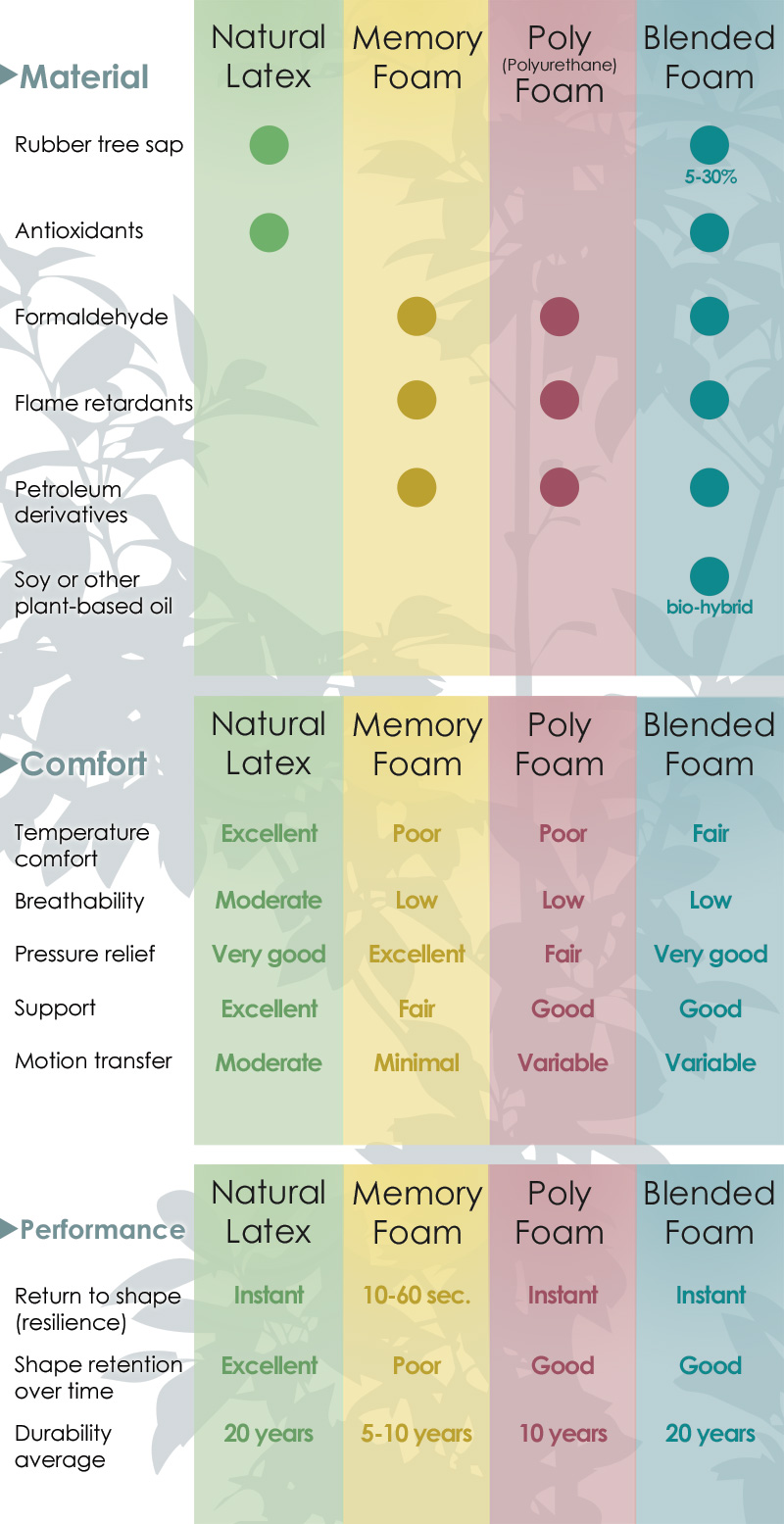
Your cleaning approach must match your mattress topper’s material to avoid damage while maximizing stain removal.
Memory Foam Topper Blood Removal
Memory foam’s high absorbency requires the gentlest handling. Blot blood immediately with cold water only—avoid scrubbing. Apply enzymatic cleaner sparingly with a spray bottle, then extract immediately with clean cloths. Never submerge or oversaturate. After cleaning, position fans directly on the area and flip the topper every 4 hours. Complete drying takes 24-48 hours—press your palm against the cleaned spot to check for hidden dampness.
Latex Foam Topper Treatment
Natural latex tolerates slightly more aggressive treatment than memory foam but still requires caution. Test hydrogen peroxide first, as it’s generally safe on latex. Apply cleaning solutions with a soft cloth rather than spraying directly. Latex dries faster than memory foam (12-24 hours) but is highly susceptible to mildew if not fully dried.
Cotton and Polyester Topper Solutions
These materials handle the most aggressive treatments. Use soft-bristled brushes for gentle scrubbing with baking soda paste or enzymatic cleaners. Many cotton toppers have removable covers that can be machine washed in cold water with enzymatic detergent. For non-removable covers, all methods in this guide work effectively.
Critical Drying Techniques to Prevent Mold Growth
Improper drying creates mold within 24-48 hours, making your mattress topper unusable regardless of stain removal success. After cleaning, place your topper in a well-ventilated area with fans blowing directly across the cleaned spot. Rotate fan direction every few hours for even drying.
For memory foam and latex, flip the topper every 4 hours to expose all layers to air. Never use hair dryers or direct heat sources—residual warmth can set remaining blood traces. Complete drying typically takes 12-48 hours depending on material and cleaning method. Verify dryness by pressing firmly with your palm—if any warmth or moisture remains, continue drying.
When Home Remedies Fail: Professional Cleaning Considerations
Some situations require professional intervention to avoid permanent damage. Call upholstery cleaners when:
- The stain covers more than 6 inches in diameter
- You’ve tried 3+ cleaning methods without success
- Your topper is high-value (over $200) or specialty material
- The blood came from someone with a bloodborne illness
Professionals use industrial-grade extraction equipment that pulls moisture from deep within mattress toppers, preventing mold that home methods often miss. For expensive toppers, professional cleaning typically costs less than replacement.
Prevention Tactics to Avoid Future Blood Stains
After successfully removing a blood stain, protect your investment with these preventive measures:
- Use a waterproof mattress protector with quiet, breathable fabric
- Keep an emergency stain kit in your bedroom (hydrogen peroxide, enzymatic cleaner, white cloths)
- Consider period-proof sleepwear for menstrual-related incidents
- Place towels under pillows for frequent nosebleed sufferers
A quality protector lets you wipe away blood spills immediately without any penetration to the topper beneath. Look for protectors labeled “noise-free” to avoid disruptive crinkling sounds during sleep.
Common Blood Stain Removal Mistakes That Ruin Mattress Toppers
Avoid these critical errors that turn temporary stains into permanent damage:
Using hot water or heat – This single mistake makes blood stains permanent by bonding proteins to fibers. Always use cold water exclusively.
Scrubbing instead of blotting – Aggressive rubbing spreads blood outward and drives it deeper into fibers. Use firm, vertical pressing motions only.
Skipping test patches – Cleaning solutions can discolor certain fabrics. Always test in an inconspicuous area first.
Rushing the drying process – Damp mattress toppers develop dangerous mold within 48 hours. Be patient with complete drying.
Applying bleach – Chlorine bleach damages most mattress materials and often creates yellow discoloration worse than the original stain.
By using the right method for your specific mattress topper material and following through with proper drying techniques, you can completely remove blood stains without replacing your entire sleep surface. Act quickly with cold treatments, match your approach to your topper’s material, and never skip the critical drying phase—your clean, comfortable sleep surface depends on getting all three elements right.