
Waking up with a stiff back or tossing and turning all night because your mattress feels “off” is more than just annoying—it’s a serious disruption to your health and daily performance. You’ve invested in what should be your sanctuary for rest, yet instead of sinking into comfort, you’re battling pressure points, uneven support, or that sinking feeling that something’s wrong. The good news is that most mattress comfort problems don’t require an expensive replacement. In fact, 80% of discomfort issues can be resolved with proper diagnosis and targeted fixes. This guide reveals the exact methods to transform your uncomfortable mattress into the supportive sleep surface you deserve—without breaking the bank.
Before you consider spending hundreds on a new mattress, try these proven techniques. Most comfort problems stem from simple issues like improper foundation support, body impressions, or mismatched firmness—not fundamental mattress failure. Let’s explore how to diagnose your specific problem and apply the right solution.
Diagnose Your Mattress Discomfort Like a Professional
Your first step must be identifying exactly why your mattress feels uncomfortable. Different problems require different solutions, and applying the wrong fix wastes time while your sleep quality suffers. Take 10 minutes to perform this diagnostic process before attempting any repairs.
Run a comprehensive physical inspection across your entire mattress. Start by removing all bedding and standing at the foot of your bed. Look for visible signs of wear including sagging indentations deeper than 1.5 inches, lumpy areas, or sections that appear significantly compressed. Then, get on the mattress and press down firmly with your palms across different zones—center, edges, shoulder and hip areas. Feel for inconsistent firmness, hidden lumps, or areas that don’t rebound properly. For innerspring models, move around slowly while listening for excessive squeaking, which indicates worn coils.
Document your specific discomfort patterns. Are you experiencing hip or shoulder pain when sleeping on your side? Do you wake with lower back stiffness as a back sleeper? Does your mattress feel like it’s swallowing you whole or leaving you feeling “stuck”? These details reveal whether your issue relates to firmness mismatch, inadequate support, or alignment problems. Keep a sleep journal for 3 nights noting exactly where and when discomfort occurs—this pattern recognition is crucial for targeted solutions.
What Your Body Type Reveals About Mattress Compatibility
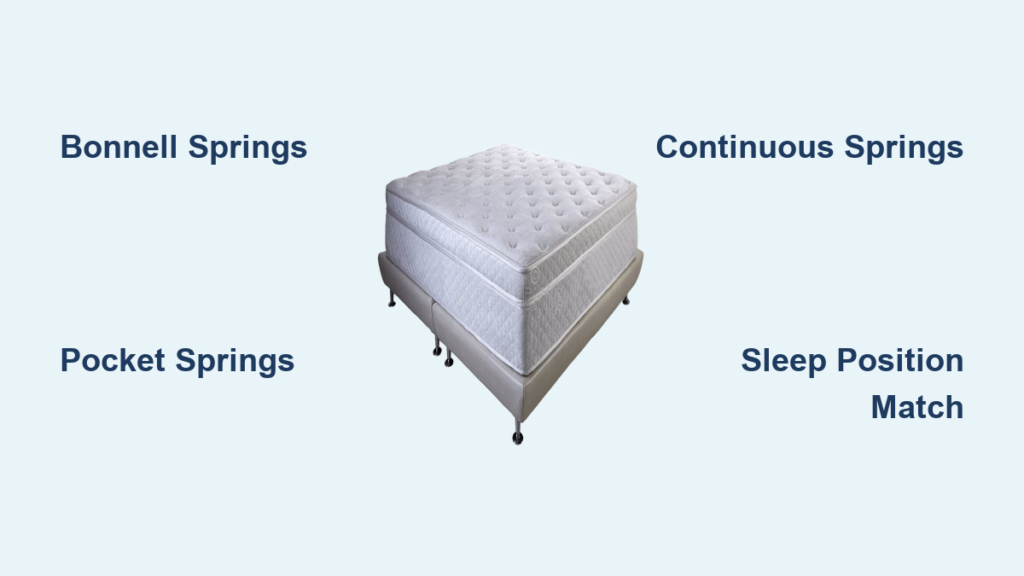
Your weight and sleep position dramatically affect how a mattress feels. Side sleepers typically need softer surfaces to cushion hips and shoulders, while back and stomach sleepers often require firmer support to maintain spinal alignment. If you’ve gained or lost significant weight recently, your mattress that once felt perfect may now be incompatible with your body’s pressure points. A mattress that works for a 130-pound side sleeper will feel entirely different to a 200-pound back sleeper—understanding this helps you select the right fix.
Immediate Adjustments for Same-Night Comfort
Some mattress discomfort stems from easily correctable setup issues. Implement these quick fixes before bed tonight for noticeable improvement:
Stabilize your foundation immediately. An unstable or sagging foundation transfers directly to your mattress comfort. Test your bed frame by applying pressure to all four corners—any movement or creaking indicates instability. For slatted foundations, ensure slats are spaced no more than 3 inches apart and replace any cracked or warped pieces. A quick fix: place 2×4 boards perpendicular to existing slats in problem areas for instant reinforcement.
Optimize your bedding layers. Thick, stiff sheets create a hammocking effect that restricts movement. Switch to 300-thread count cotton sheets which provide the ideal balance of softness and breathability. Remove unnecessary mattress pads or protectors that add bulk—these often create uncomfortable tension across the sleep surface. If using a mattress protector, choose a breathable bamboo version rather than plastic-backed options that trap heat.
Adjust your sleep position with strategic pillow placement. Side sleepers: place a pillow between your knees to align hips and relieve pressure. Back sleepers: position a small rolled towel under your lower lumbar region for critical support. Stomach sleepers (not recommended but common): use the thinnest pillow possible or none at all to prevent neck strain. These simple adjustments cost nothing but provide immediate relief while you implement longer-term solutions.
Transform Your Mattress with Strategic Layering
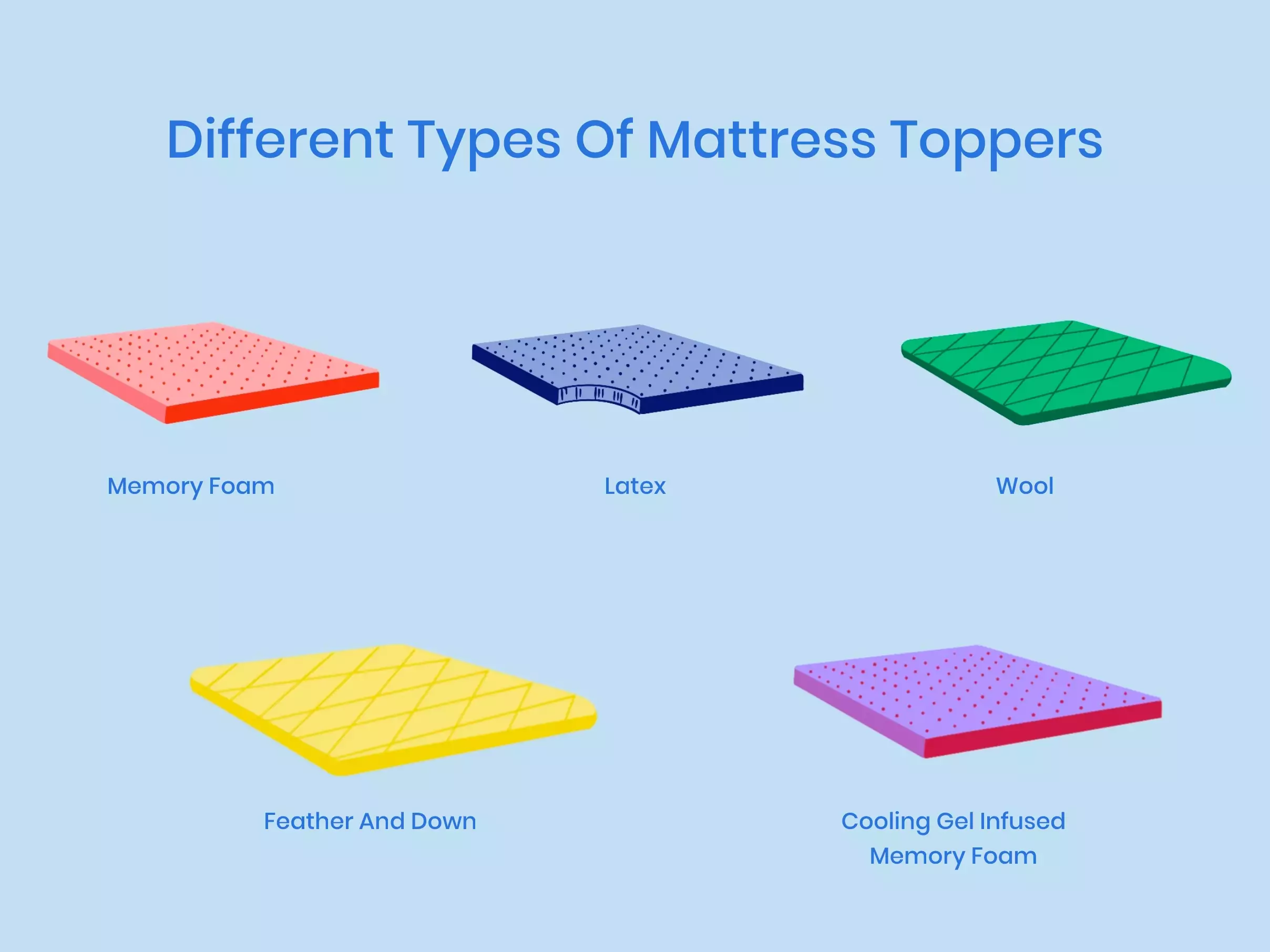
Mattress toppers offer the most effective and affordable solution for fixing comfort issues without replacement. The right topper can completely transform how your mattress feels:
Choose the perfect material for your specific problem:
– Memory foam (2-3″ thick): Ideal for pressure relief on too-firm mattresses
– Latex (2-3″ thick): Provides responsive support for sleepers who feel “stuck”
– Gel-infused foam: Best for temperature regulation if heat buildup is your issue
– Wool toppers: Naturally regulate temperature while adding softness
Pro tip: For sagging mattresses, place folded towels or specialized foam inserts beneath your topper in depressed areas before adding the topper itself. This two-layer approach addresses both the structural issue and surface comfort.
Fix Sagging Without Replacement
Deep body impressions are the #1 cause of mattress discomfort, but severe sagging doesn’t always mean replacement is necessary:
Try the cardboard reinforcement method for innerspring mattresses. Cut pieces of corrugated cardboard to fit the sagging area, layering them beneath your fitted sheet. The cardboard provides structural reinforcement while allowing airflow. For memory foam mattresses, use high-density foam pads cut to size instead of cardboard.
Flip and rotate strategically. Most manufacturers recommend rotating your mattress head-to-foot every 3 months. If your mattress shows early sagging on one side, rotate it immediately and sleep on the opposite end for 2-4 weeks to redistribute wear. For double-sided mattresses, flipping provides even more even wear distribution.
Warning: If sagging exceeds 2 inches deep or you can feel internal components through the surface, your mattress has likely reached the end of its functional life—replacement becomes the most cost-effective option.
Optimize Your Sleep Environment for Maximum Comfort
:max_bytes(150000):strip_icc()/spr-detail-bedjet-3-climate-comfort-beds-ebrockob-002-15-e82f1a1bbfc34629818a4141708b5de6.jpeg)
Your mattress doesn’t operate in isolation—temperature and bedroom environment significantly impact perceived comfort:
Improve airflow beneath your mattress. Place 2-4 inch risers under your bed frame corners to create space for air circulation, reducing heat buildup by up to 30%. For platform beds, add a slatted mattress foundation on top of the solid surface.
Adjust your bedding for temperature control. Replace heavy comforters with lighter, breathable blankets. Use moisture-wicking bamboo sheets which stay 3-4 degrees cooler than cotton. Consider a cooling mattress pad with phase-change technology if you consistently sleep hot.
Set your bedroom thermostat to 65°F (18°C)—the scientifically proven ideal sleep temperature. Use a programmable thermostat to cool your room automatically 30 minutes before bedtime.
When to Repair vs. Replace: The Cost-Benefit Analysis

Understanding when repairs make sense versus when replacement is inevitable saves you money and frustration:
Repair makes sense when:
– Body impressions are less than 1.5 inches deep
– Discomfort stems from foundation issues rather than mattress failure
– Your mattress is under 7 years old with no structural damage
– Total repair costs stay below 30% of replacement value
Replace immediately when:
– You can feel coils, springs, or internal components through the surface
– Sagging exceeds 2 inches deep across multiple areas
– Allergy symptoms worsen (indicating dust mite buildup)
– The mattress has visible mold, stains, or damage
Prevent Future Discomfort with Proactive Maintenance
Once you’ve fixed your uncomfortable mattress, protect your investment with these simple habits:
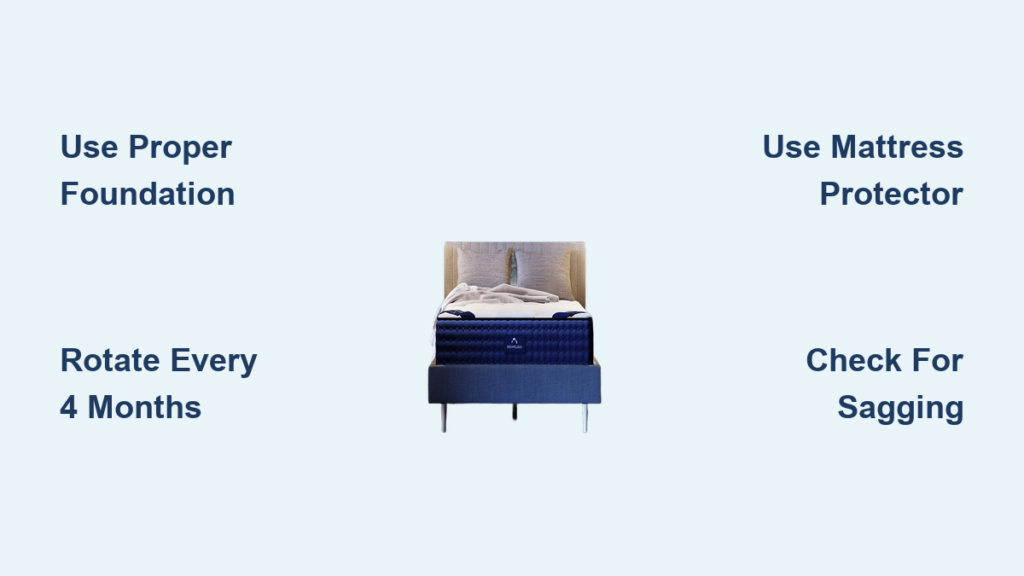
Implement a strict rotation schedule. Set phone reminders to rotate your mattress head-to-foot every 3 months. This single habit prevents body impressions from developing in the first place.
Use a breathable mattress protector from day one. Wash it monthly to prevent body oils and sweat from degrading mattress materials. Choose waterproof but breathable options to avoid moisture trapping.
Support your mattress properly. Never place it directly on the floor—use a proper foundation with appropriate slat spacing (2-3 inches for foam, 3-4 inches for innerspring).
Address minor issues immediately. The moment you notice a new pressure point or slight sag, take action. Small problems left unaddressed compound into major comfort issues.
Fixing an uncomfortable mattress typically costs 10-30% of replacement value while extending your sleep surface’s life by 2-5 years. Start with foundation stability checks and proper rotation before investing in toppers or padding layers. Document what works for your specific body type and sleep position—this knowledge becomes invaluable when eventually selecting your next mattress. If your mattress has genuinely reached its functional limit despite your best efforts, use this experience to choose a replacement with features addressing your specific needs, and implement these preventive habits from day one to maximize comfort throughout its lifespan. Remember: quality sleep isn’t a luxury—it’s a health necessity worth optimizing.