You wake up with back pain while your partner sleeps soundly through the night—that’s the frustrating reality for couples sharing a mattress with mismatched firmness needs. Traditional mattresses don’t account for the fact that people have different body types, sleep positions, and comfort preferences. When one person consistently sinks too deeply into the mattress while the other finds it perfect, it creates a nightly compromise that affects sleep quality and health. The good news is you don’t need to replace your entire mattress to solve this problem. Several effective methods exist for how to firm up one side of a mattress while keeping the other side comfortable for your partner. This guide reveals practical solutions that range from budget-friendly fixes under $50 to more permanent modifications, all designed to give both partners the support they need.
Why Your Partner’s Side Feels Noticeably Softer
Body weight differences create the most common reason why one side of your mattress feels softer. If you weigh significantly more than your partner—say 200 pounds versus 130 pounds—you’ll naturally sink deeper into the mattress surface. This isn’t just perception; physics dictates that heavier individuals compress foam and springs more, making the same mattress feel softer to them. Over time, this consistent pressure creates permanent body impressions on your side that accelerate the softening effect, while your partner’s side remains relatively firm.
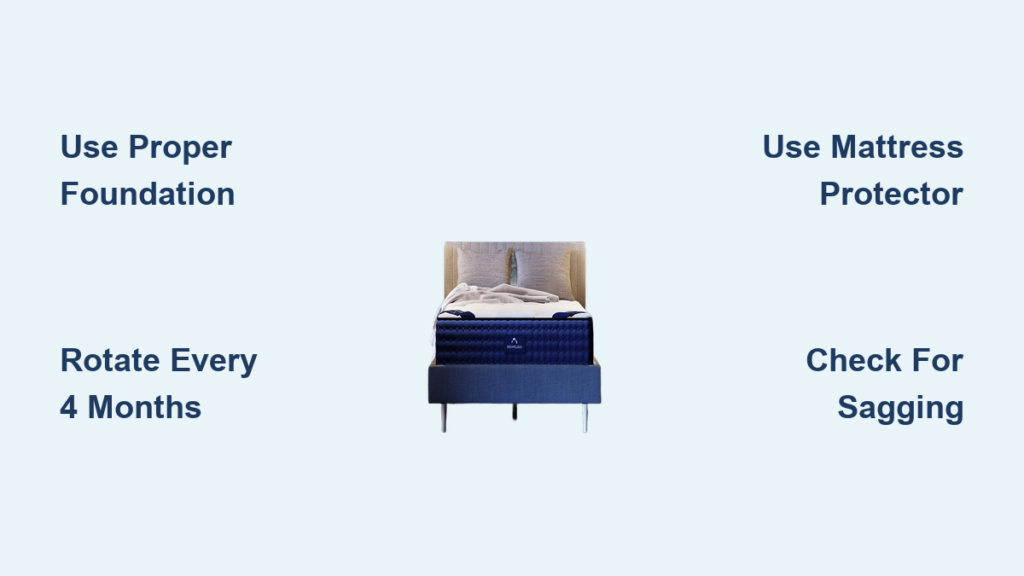
Support system problems often compound the issue without you realizing it. Worn box springs with broken coils, platform beds with weakened beams, or bed frames with damaged slats all allow your mattress to sag in specific areas. Press down firmly on your box spring—if you hear springs clicking or feel excessive give, that’s likely contributing to the uneven firmness you’re experiencing. Even a quarter-inch of hidden sag in your support system translates directly to a softer sleeping surface on your side.
Immediate Diagnostic Checks Before You Modify
Don’t waste time and money on solutions that won’t address your specific problem. Take ten minutes to diagnose the true cause of uneven firmness with these targeted checks:
Examine your bed frame support system first—this solves the problem in nearly 40% of cases. For platform beds, press down firmly on each support beam where your body rests. If the beam flexes more than a slight give, it’s weakened and needs reinforcement. Measure any deflection with a ruler; even 1/4-inch of sag dramatically affects mattress firmness.
Test your box spring thoroughly by standing on it briefly in the area where you sleep. Listen for broken springs that shift or click under pressure. A healthy box spring should feel solid with minimal bounce—excessive movement indicates worn components that can’t properly support your mattress.
Check mattress impressions by pressing your hand firmly into both sides of the mattress and comparing how quickly each side returns to its original shape. If your side shows a visible indentation that persists longer than your partner’s side, localized wear is likely the culprit.
Twin XL Toppers: The Simplest Dual-Firmness Solution
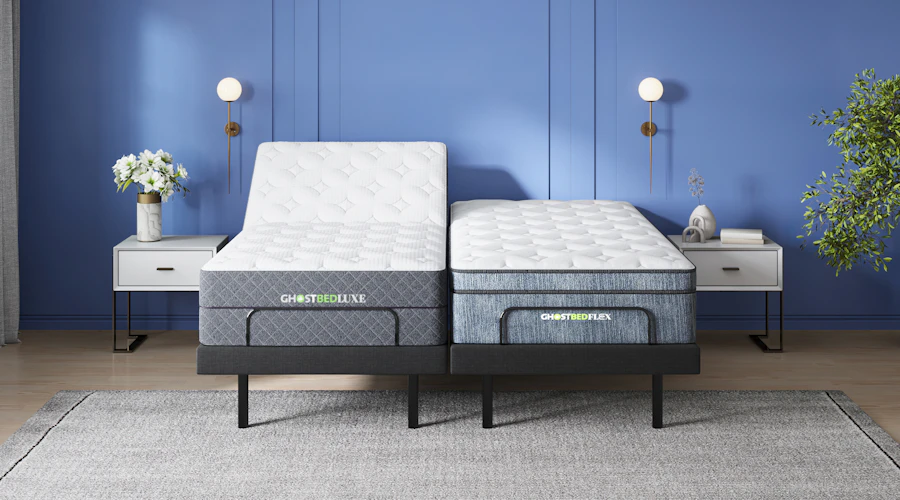
Installing two separate twin XL mattress toppers creates an instant split-firmness bed that accommodates both partners’ needs. This approach works because two twin XL mattresses equal the exact dimensions of a standard king bed (72″ x 80″), eliminating gaps or overlaps when properly aligned.
Choose the right material for your firmness needs:
– For stomach sleepers needing maximum support: firm latex topper (2-3 inches thick)
– For back sleepers requiring medium-firm support: medium-density memory foam (2 inches)
– For side sleepers needing pressure relief: softer memory foam or plush latex
Higher-density toppers (3-5 pounds per cubic foot for memory foam, 85+ ILD for latex) deliver better long-term results than budget options that compress quickly. While basic toppers cost $50-$100, investing $150-$250 in quality materials prevents needing replacements within a year.
Pro tip: Use identical topper materials with different firmness ratings to minimize the transition ridge between partners. A firm latex topper on your side paired with a medium latex topper on your partner’s side creates a more seamless surface than mixing latex with memory foam.
Plywood Reinforcement: The $30 Firmness Fix
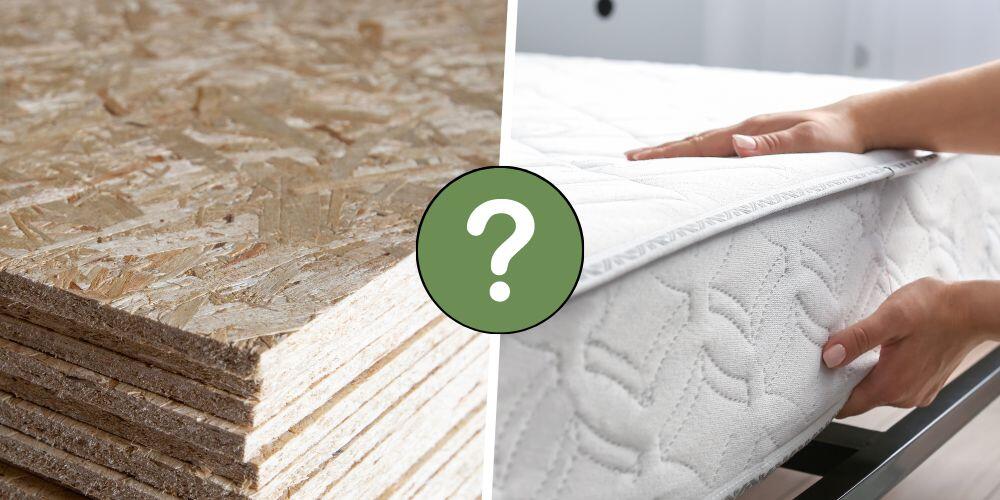
Adding half-inch plywood between your mattress and foundation instantly transforms a sagging sleeping surface into solid support. This solution costs less than $30 at any home improvement store and delivers dramatic results when foundation issues cause your side to feel softer.
Implementation steps:
1. Measure your bed frame dimensions where the mattress rests
2. Cut plywood to size (or have it cut at the store)
3. Sand all edges smooth to prevent foundation damage
4. Place directly beneath your side of the mattress
For king-size beds, use two separate plywood pieces—one for each side—so you can reinforce only your side. This approach works especially well when your platform bed beams have weakened over time, as the rigid plywood bypasses compromised support entirely.
Important: Ensure proper ventilation by leaving small gaps at the corners or using perforated plywood to prevent moisture buildup under foam mattresses. Most users report noticeable firmness improvement within 24 hours of installation.
Foundation Fixes That Restore Mattress Firmness
Before modifying your mattress, address these common foundation problems that make one side feel softer:
Reinforce platform bed beams by adding 2×4 supports underneath weak areas. For significant deflection, install adjustable bed rail support legs that screw into the frame and provide lift where needed. Properly reinforced beams should feel completely rigid when pressed—not just “less wobbly.”
Replace worn bed frame slats with solid wood alternatives spaced no more than three inches apart. Flexible or curved slats create a softer feel; solid, straight slats provide consistent support. New slats typically cost $20-$50 and install in under 30 minutes.
Swap your box spring for a solid platform foundation if sagging persists. Modern box springs last only 5-8 years before springs weaken—replacing an aging unit often makes your mattress feel substantially firmer without any mattress modifications.
Sleep Position-Specific Firmness Solutions
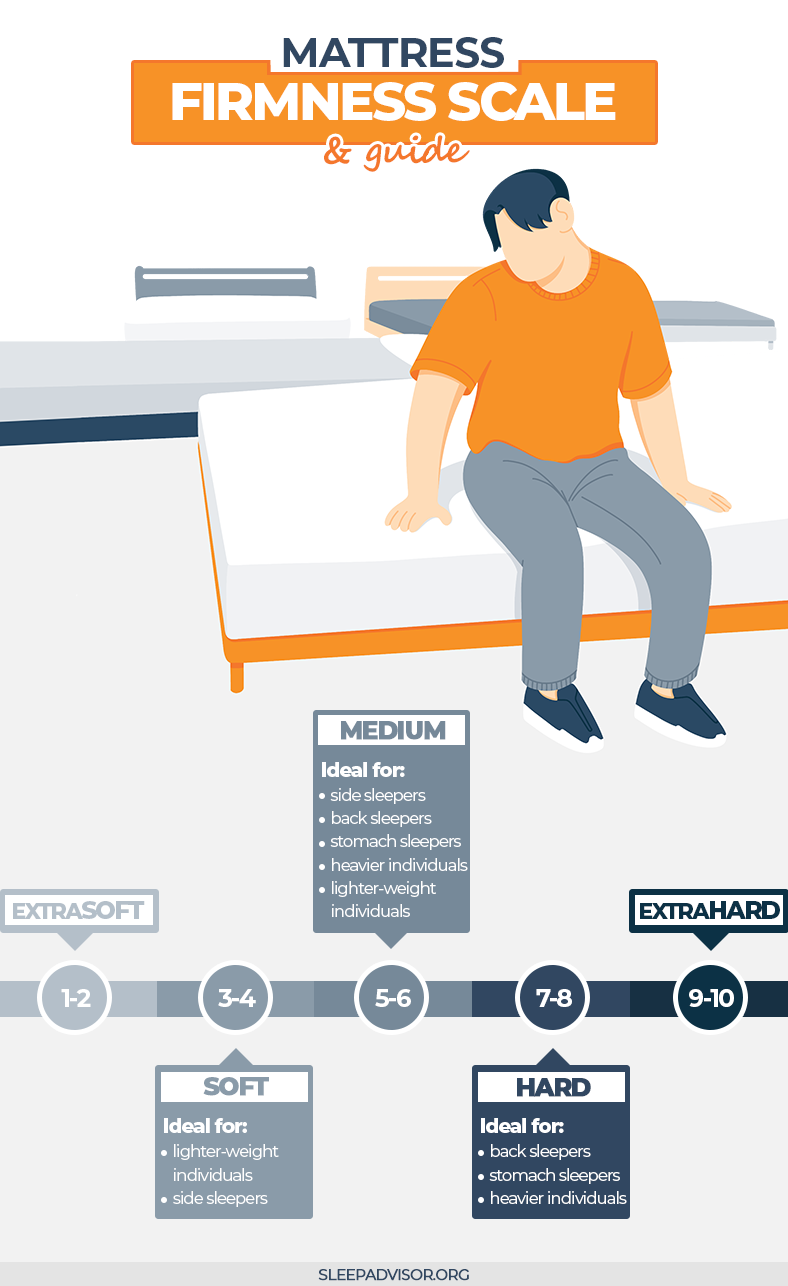
Your sleep position determines exactly how firm your side needs to be for proper spinal alignment:
Stomach sleepers require the firmest surface to prevent midsection sinking. Without adequate firmness, you’ll experience lower back pain from spinal misalignment. Combine plywood reinforcement with a firm latex topper (less than 2 inches thick) to create the supportive surface stomach sleepers need.
Back sleepers benefit from medium-firm to firm surfaces that support the spine’s natural curve. Pair a 2-inch medium-firm memory foam topper with plywood reinforcement for optimal back support while maintaining pressure relief.
Side sleepers need softer surfaces to cushion shoulder and hip pressure points—this creates the biggest challenge when sharing a bed with a stomach or back sleeper. If you’re the side sleeper, avoid plywood solutions; instead, use a thicker softer topper on your side while your partner uses plywood plus a firm topper.
Budget-Friendly Fixes Under $50
When cash is tight, these proven solutions deliver meaningful firmness improvement:
- Plywood board: $15-$30 at home improvement stores (cut to size)
- Strategic temperature control: Keep bedroom at 65-68°F to maintain foam firmness
- Reduce bedding layers: Fewer blankets/pads on your side creates slightly firmer feel
- Mattress rotation: Turn 180 degrees monthly to redistribute wear patterns
The plywood solution delivers the most significant improvement for under $50—many users report it’s more effective than basic mattress toppers costing twice as much.
When to Consider Permanent Split-Firmness Solutions
If temporary fixes fail after 2-3 months, invest in these long-term solutions:
Split California King configuration: Two twin XL mattresses (each selected for individual firmness needs) create a true dual-firmness bed. Though requiring a compatible frame, this solution eliminates compromise entirely.
Adjustable air mattress: Features separate air chambers allowing each partner to set ideal firmness nightly. While the air feel isn’t for everyone, it definitively solves the firmness conflict.
Specialty split-firmness mattresses: Certain manufacturers build different firmness levels into each side during construction. Though limited in selection, these eliminate aftermarket modifications.
Choosing Your Best Path Forward
Answer these questions to select the right approach for your situation:
- What’s causing the softness? Foundation issues need different solutions than actual mattress wear.
- How significant is the firmness difference needed? Minor adjustments respond to simple fixes; major differences require comprehensive solutions.
- What’s your budget? Plywood offers immediate improvement under $30; split-firmness configurations require larger investment.
- How long will you keep this mattress? Temporary solutions make sense for mattresses nearing replacement.
Most couples achieve success with a combination approach: plywood reinforcement for foundational support plus a firm mattress topper for surface adjustment. This dual strategy addresses both support and comfort layers—the two critical factors in how to firm up one side of a mattress effectively. The right solution transforms nightly discomfort into restful sleep for both partners, proving that compromise on mattress firmness doesn’t have to be part of your relationship.