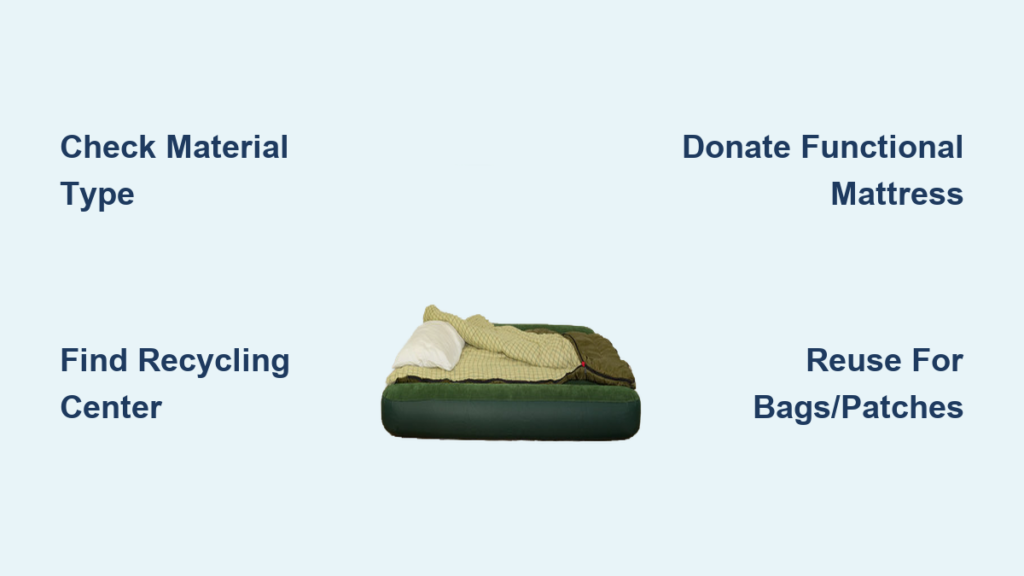
That old air mattress gathering dust in your closet won’t disappear on its own—and tossing it in the trash creates more problems than it solves. Knowing how to dispose of air mattress properly matters more than you might think, as these seemingly simple items contain materials that challenge standard recycling systems and can linger in landfills for centuries. Whether your inflatable bed has developed stubborn leaks, no longer fits your needs, or you’ve upgraded to a newer model, this guide delivers practical solutions that keep your air mattress out of landfills while minimizing environmental impact.
Most air mattresses contain PVC (polyvinyl chloride), a durable plastic that doesn’t play nice with standard recycling programs. When improperly discarded, these vinyl beds either contaminate recycling streams or sit indefinitely in landfills where they’ll take hundreds of years to break down. The good news? Multiple responsible disposal pathways exist if you know where to look and what to do with your specific model. This guide cuts through the confusion to show you exactly how to dispose of air mattress materials through recycling, creative reuse, and proper disposal channels.
Identify Your Air Mattress Material Before Disposal
Before you start searching for how to dispose of air mattress, determine what materials you’re working with—this knowledge dramatically affects your disposal options. Most inflatable beds use PVC, a petroleum-based plastic that standard recycling facilities reject because it damages their machinery. However, some manufacturers now produce PVC-free alternatives using more recyclable materials or sustainable options like natural rubber.
Check for recycling symbols or material indicators on the mattress itself, as many brands now print this information directly on their products. If you still have the original packaging or documentation, consult those resources for material specifications. When in doubt, contact the manufacturer—they can typically confirm whether their product contains PVC and whether they offer any take-back programs. This quick verification step prevents wasted effort pursuing disposal methods incompatible with your specific mattress type.
Locate Specialized Recycling Facilities Nearby
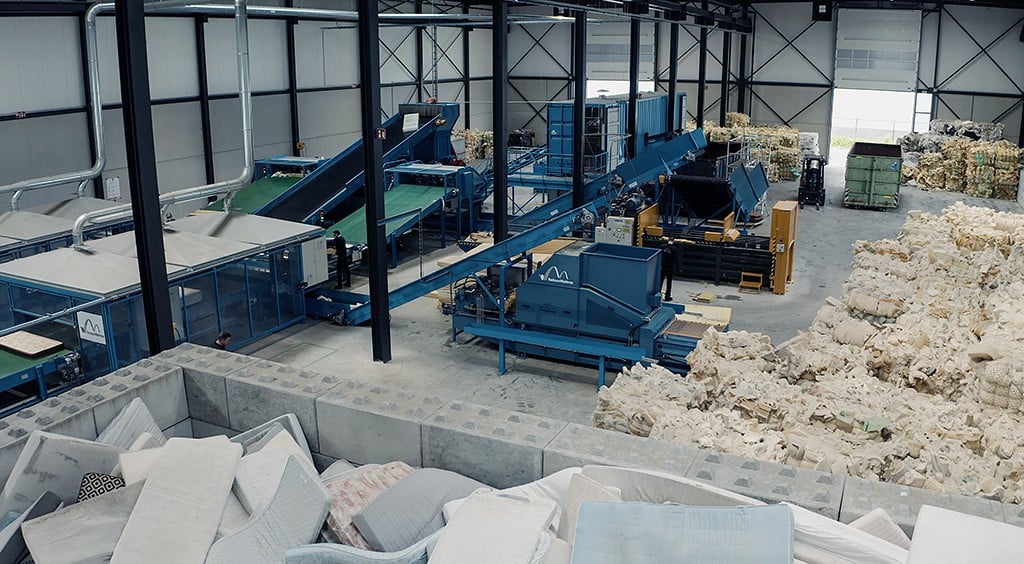
Standard curbside recycling won’t accept your air mattress, but specialized facilities might. Approximately 69 mattress recycling centers operate across the United States, many of which now accept air mattresses alongside traditional beds. These specialized facilities excel at processing complex products made from multiple materials, separating components for appropriate recycling streams.
Search for PVC Recycling Centers
Mechanical recycling provides a viable pathway for PVC air mattresses. This process grinds down old PVC products and combines the recovered material with new plastics to manufacture items like construction materials, pipes, and playground equipment. Use Earth911.com to search for PVC recycling facilities in your area—their database covers materials beyond standard plastics and can help locate recyclers equipped for inflatable mattress materials.
If online searches come up empty, try searching directly for “PVC recycling” followed by your city or county name. Many smaller recycling operations don’t appear in major databases but serve local communities effectively. When you contact facilities, explain exactly what you have—a standard air mattress made of PVC—and ask about their acceptance policies and any associated fees.
Contact Mattress Recycling Specialists
Don’t assume mattress recyclers won’t accept your air bed. Even if they’ve never processed an inflatable model before, their equipment often handles PVC materials effectively. Call local mattress and furniture recyclers to inquire about their policies—many accept air mattresses for free or minimal cost, especially when compared to the environmental burden of landfill disposal.
Specialist recyclers transform old products into new ones or repurpose components for alternative applications, reducing landfill waste significantly. These facilities typically employ sophisticated processing techniques that separate and recover valuable materials from complex products, making them ideal destinations when you need to dispose of air mattress materials responsibly.
Transform Your Air Mattress Through Creative Reuse
When recycling options aren’t available locally, creative reuse keeps materials out of landfills while giving you something practical in return. The durable, waterproof nature of PVC air mattress material makes it surprisingly versatile for numerous applications.
Donate Functional Air Mattresses
If your air mattress holds air and remains structurally sound, donation extends its useful life while helping community members in need. Local charities, homeless shelters, and transitional housing programs frequently accept clean, functional air mattresses for guest programs and emergency supplies.
Before donating, clean and sanitize the mattress thoroughly, allow it to dry completely, then deflate and roll it for transport. Contact organizations first to confirm acceptance policies—Goodwill, Salvation Army locations, and housing nonprofits often welcome these donations, as do churches and community centers maintaining guest sleeping arrangements.
Craft Durable Shopping Bags
Transform worn air mattresses into reusable shopping bags that replace single-use plastic carriers. Cut two matching pieces of material to your desired size, stitch along both sides and bottom using heavy-duty thread, then attach fabric strips to opposite sides of the top edge to form handles. For larger bags, add a rectangular extension to the bottom before stitching to create a roomier base that holds more items.
Create Emergency Repair Patches
Before discarding a damaged air mattress, cut it into large pieces to save for future repairs. These patches work on air mattresses, pool floats, inflatable toys, and bike tubes. Store patches flat or rolled in a dry location. When a leak occurs, cut a patch extending at least one inch beyond the puncture in all directions, apply PVC-specific adhesive, press firmly, and allow adequate curing time before inflating.
Avoid Critical Disposal Mistakes
Never Burn Air Mattresses
Burning an air mattress releases toxic chemicals including dioxins that pose serious health risks to humans and animals. PVC and other synthetic materials emit dangerous compounds when combusted, regardless of fire size or control. Fire pits, burn barrels, and backyard bonfires should never receive air mattress material under any circumstances.
Don’t Contaminate Standard Recycling
Placing air mattresses in curbside recycling bins typically results in them being diverted to landfills anyway, but not before potentially damaging processing equipment. Without specialized PVC recycling capabilities, these items get sorted out as contaminants, harming the entire recycling system. Keep your air mattress intact until you’ve confirmed a proper disposal pathway.
Repair Before Disposal
:max_bytes(150000):strip_icc()/how-to-patch-an-air-mattress-51904431-hero-53f7ca522440487d9939772a020518b1.JPG)
Before committing to disposal, explore repair options—many issues that seem terminal are actually simple fixes. For small punctures, duct tape provides a quick temporary fix that maintains air retention for short-term use. Clean the area thoroughly, apply tape firmly to both sides, and it should hold adequately for immediate needs.
Valve problems represent another common failure point requiring only simple intervention. Remove the valve cap and inspect for debris preventing proper sealing. Clean any accumulated dirt, reattach the cap firmly, and test inflation. If the valve itself has failed, replacement valves are available from many manufacturers and typically require only minutes to install.
Find Local Resources for Proper Disposal
When ready to dispose of air mattress materials that cannot be reused or repaired, start with Earth911.com’s recycling database, searching specifically for PVC or flexible plastic recyclers. If no results appear locally, expand your search to neighboring communities—driving a reasonable distance to properly recycle materials costs less environmentally than sending them to landfills.
Check whether your mattress manufacturer offers take-back programs or recycling partnerships. Some companies have established end-of-life processing networks specifically for their products. Local hardware stores and home improvement centers sometimes serve as collection points for specialty recyclables—call around to retailers in your area to ask about participation in recycling partnerships.
Choose Sustainable Options for Future Purchases
The most environmentally responsible approach to how to dispose of air mattress begins at purchase. When shopping for your next air mattress, prioritize models constructed from recyclable or sustainable materials. Look for PVC-free options, products with clear material composition disclosures, and manufacturers with demonstrated environmental commitments.
Select mattresses designed for durability and longevity rather than lowest cost. Higher-quality air beds typically feature thicker materials, reinforced seams, and improved valve designs that extend usable life significantly. Keep repair supplies on hand and address problems promptly when they develop—regular cleaning and proper storage between uses also significantly impact longevity.
By understanding your air mattress materials, exploring recycling and reuse options before disposal, and making sustainable purchasing decisions going forward, you minimize environmental impact while getting maximum value from these convenient temporary sleeping solutions. Taking these steps ensures your disposal process remains responsible and effective when the time comes to part with your inflatable bed.