
Your wool mattress topper deserves proper care to maintain its luxurious comfort and natural temperature-regulating properties. Many people avoid cleaning their wool toppers entirely, fearing damage—but neglect actually causes more harm than gentle cleaning ever could. Without regular maintenance, body oils, dust mites, and moisture accumulate, breaking down wool’s natural lanolin protection and reducing its lifespan. This guide gives you the exact steps to clean your wool mattress topper safely, keeping it fresh and functional for years to come.
Wool fibers have unique microscopic scales that create natural air pockets for insulation while allowing moisture to evaporate. When cleaned properly, your topper will continue providing exceptional comfort, moisture-wicking, and hypoallergenic benefits. The right approach preserves these properties while removing accumulated contaminants that compromise performance.
Inspect Your Wool Topper Before Cleaning
Examine your topper thoroughly under good lighting before starting any cleaning process. Look for yellowing from body oils, visible stains, compressed areas where fibers have flattened, and any signs of damage like tears or separated seams. Note specific locations of problem areas so you can address them systematically during cleaning.
Check the care label for manufacturer-specific instructions, as some toppers have special treatments that affect cleaning methods. Measure your topper’s dimensions and note its weight—this information helps determine whether machine washing is feasible. Understanding your topper’s construction matters too: quilted toppers with stitched patterns handle different cleaning methods than pure wool batting layers.
Gather Proper Cleaning Supplies for Wool
Having all necessary materials ready prevents mid-process interruptions that could damage your topper. Essential supplies include:
- Vacuum cleaner with upholstery attachment and HEPA filter
- Mild detergent specifically formulated for wool or pH-neutral alternatives
- White vinegar for stain treatment
- Clean white microfiber cloths
- Soft-bristled brush
- Spray bottle
- Absorbent towels for moisture removal
For deeper cleaning sessions, also prepare a large-capacity front-loading washing machine (minimum 5.0 cubic feet), baking soda for odor absorption, and a fan or dehumidifier for controlled drying. Never use bleach, chlorine products, or fabric softeners—these damage wool fibers and strip natural protective properties.
Vacuum Surface Debris Without Damaging Fibers
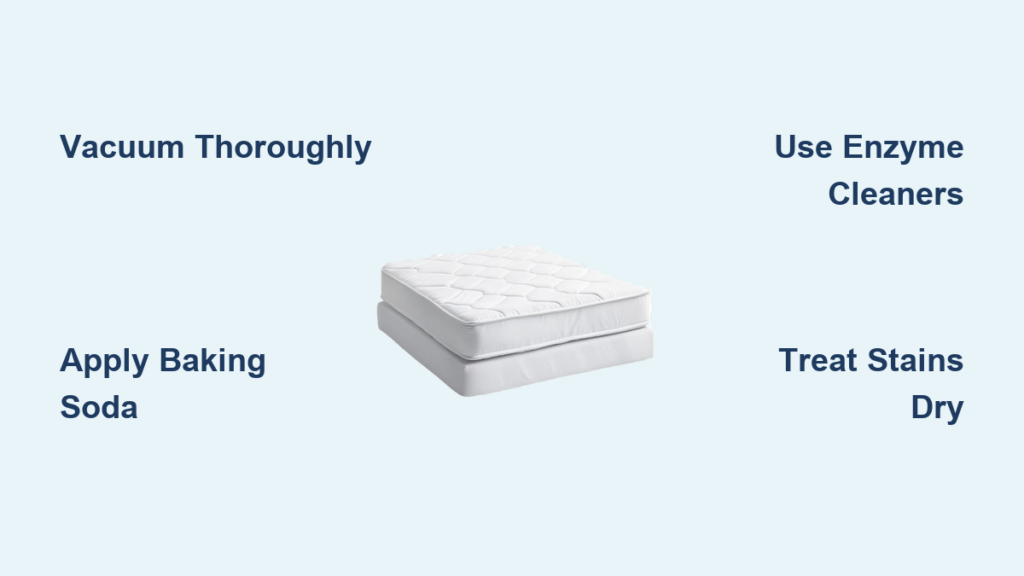
Thorough vacuuming removes loose dust, dead skin cells, and surface contaminants before wet cleaning begins. Attach the upholstery brush to your vacuum and select the lowest suction setting that still captures debris effectively. Work across the entire surface in overlapping passes, paying extra attention to seams and quilted patterns where particles collect.
Move parallel to seam lines first, then perpendicular to dislodge trapped debris. Reduce suction near any damaged areas to prevent further fiber displacement. Flip the topper and repeat the process on the underside, which accumulates significant debris from contact with your mattress. Weekly vacuuming between deeper cleanings maintains freshness and extends time between comprehensive cleaning sessions.
Treat Stains Using Wool-Safe Methods

Address stains promptly to prevent permanent setting into wool fibers. For fresh spills, blot immediately with a clean, dry cloth—never rub, which forces contaminants deeper and damages the wool’s natural nap. Work from the outer edges toward the center to prevent spreading the stain.
Create an effective spot cleaning solution by mixing:
– 1 cup lukewarm water
– 1 tablespoon mild wool-safe detergent
– 1 tablespoon white vinegar
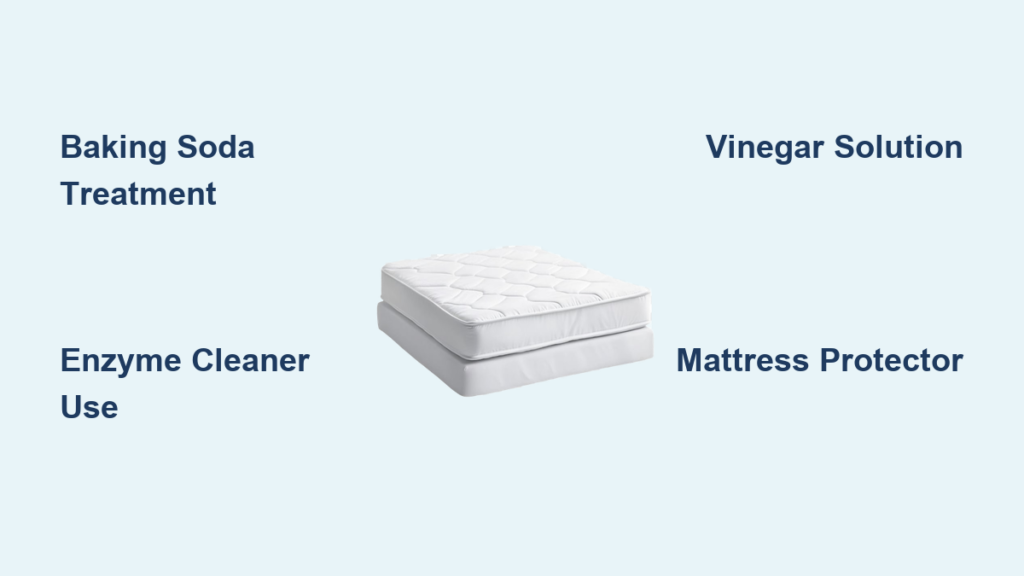
Apply this solution using a spray bottle set to fine mist, holding it six to eight inches from the surface. Work the solution into the stained area using gentle dabbing motions, allowing five to fifteen minutes for penetration before blotting with absorbent cloths. Repeat until the stain shows no further progress.
For set-in stains, apply a baking soda paste directly to the affected area and allow it to dry completely before vacuuming away. Oil-based stains respond to talcum powder applied generously, left for several hours to absorb grease, then brushed away before treating with the standard solution.
Deep Clean Without Shrinkage or Felting
Machine washing works for toppers under two inches thick with sturdy quilted construction, provided you use a front-loading machine. Hot water causes irreversible shrinkage as wool’s scales lock together when exposed to temperatures above 85°F. Select the gentle cycle with cold water and minimal spin speed.
Hand washing provides controlled cleaning for larger or more delicate toppers. Fill a bathtub with cold water and wool-safe detergent, submerge completely, and allow it to soak for fifteen to thirty minutes. Gently press and squeeze throughout—never twist or wring—to facilitate cleaning. Drain and repeat with fresh solution until rinse water remains relatively clear.
Thorough rinsing removes cleaning residues that attract future soiling. For machine washing, select additional rinse cycles. Hand rinsing requires multiple water changes with gentle pressing. Test by squeezing water against a white cloth—continued color transfer means more rinsing is needed.
Dry Your Wool Topper Correctly to Prevent Damage
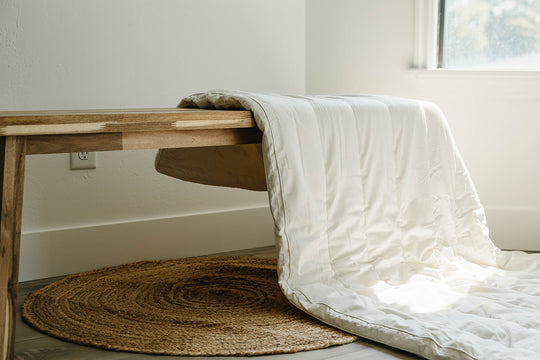
Begin drying by rolling the topper loosely starting from one end, pressing gently to absorb water without wringing. Replace damp towels with dry ones and repeat until minimal moisture transfers. Gently reshape the topper to original dimensions, smoothing compression along quilt lines.
Air drying in a well-ventilated area away from direct sunlight represents the safest method. Lay the topper flat and flip it every two to three hours, gently fluffing to prevent matting. Depending on humidity, complete air drying may require 24 to 48 hours. Test for dryness by pressing firmly—cool, compressible areas still contain moisture.
If mechanical drying is necessary, use a large capacity dryer on the air-fluff setting without heat. Add clean tennis balls to fluff the topper and prevent clumping. Check every 30 minutes and remove while slightly damp to allow final air drying. Never use high heat, as temperatures above 120°F cause irreversible fiber damage.
Establish a Simple Maintenance Routine
Consistent maintenance preserves your topper’s freshness between deep cleanings. Weekly tasks take only minutes but make a substantial difference:
- Vacuum the surface thoroughly
- Rotate the topper head-to-foot to distribute wear evenly
- Spot-treat any visible soiling immediately
Monthly maintenance adds flipping the topper, thorough inspection for damage, and refreshing with baking soda for odor absorption. Sprinkle baking soda generously, allow it to remain for several hours, then vacuum thoroughly. Seasonal deep cleaning should occur at minimum twice yearly, increasing to quarterly for high-use households or allergy sufferers.
Avoid These Costly Cleaning Mistakes
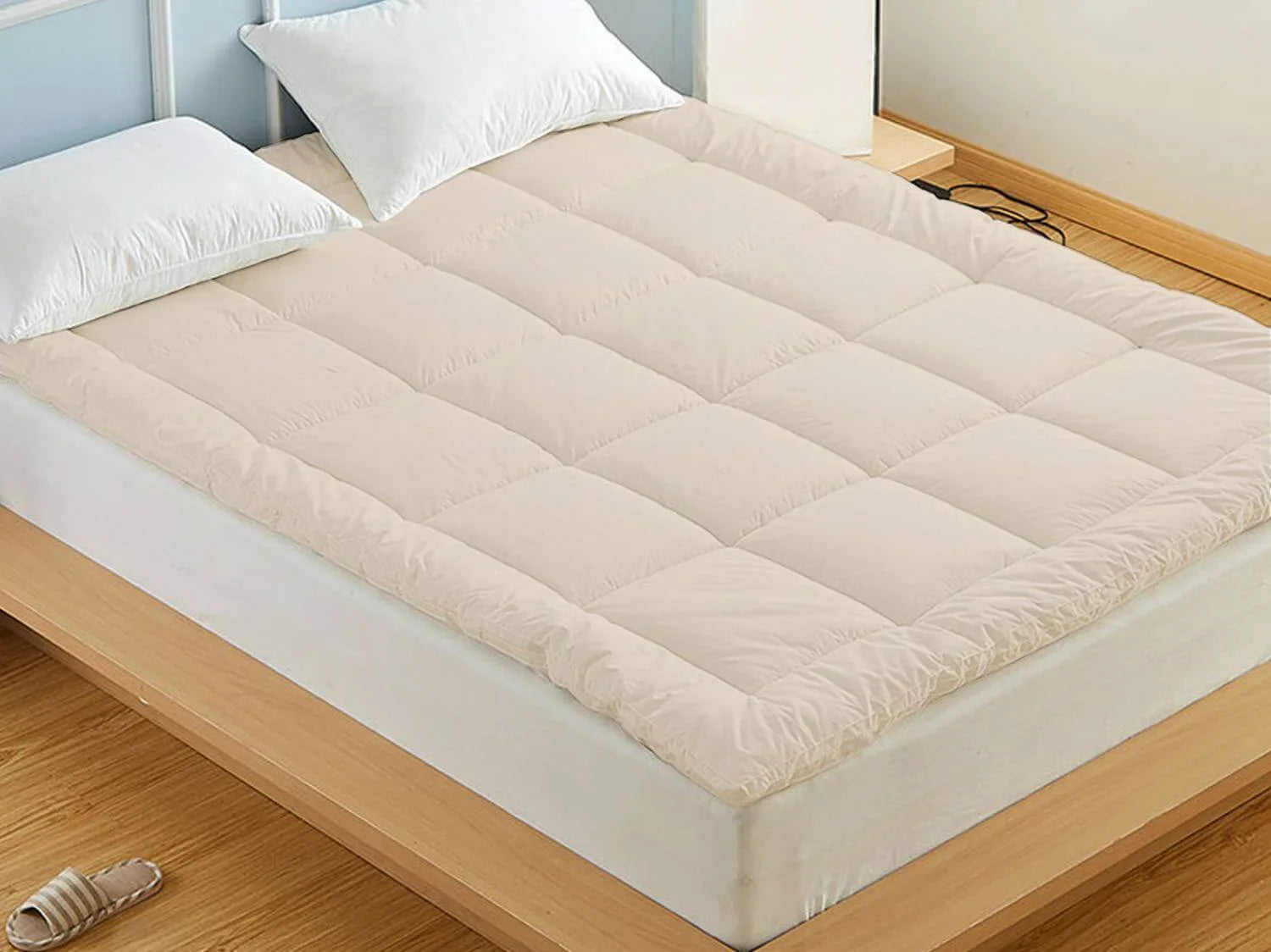
Understanding what NOT to do protects your investment as effectively as proper cleaning techniques:
- Hot water causes irreversible shrinkage and felting
- Bleach and chlorine-based products severely damage wool fibers
- Aggressive rubbing spreads stains and damages fiber structure
- Skipping the rinse phase leaves detergent residue that attracts future soiling
- High-heat drying destroys wool’s natural properties
During drying, direct sunlight causes UV damage and uneven color fading. Removing the topper before complete moisture evaporation creates conditions for mold growth. For storage, avoid vacuum bags that cause extreme compression—store clean, completely dry toppers in breathable cotton bags with cedar chips for natural moth deterrence.
Know When to Call Professional Cleaners
Professional cleaning becomes advisable for valuable toppers where risk of home cleaning damage outweighs service cost. Severe staining that has resisted home treatment, suspected moth damage, and preparation for extended storage all justify professional involvement.
Look for certified professionals with specific wool cleaning training and appropriate insurance. Before engaging services, verify experience with wool mattress toppers specifically. Households with allergy sufferers benefit from professional deep cleaning that achieves more complete allergen removal than home methods.
Protect Your Investment Long-Term
Quality wool mattress toppers properly maintained provide seven to ten years of comfortable service. The most effective protection strategy involves using a waterproof, breathable mattress protector designed for wool, ensuring adequate breathability to prevent moisture accumulation.
Rotate and flip the topper monthly to distribute wear evenly. Address spills immediately using appropriate techniques. Schedule professional deep cleaning annually in addition to regular home maintenance. Store clean, completely dry toppers in breathable cotton bags rather than plastic, which traps moisture and creates ideal conditions for moth larvae.
Quick Cleaning Reference:
– Weekly: Vacuum surface, rotate topper, spot-treat stains
– Monthly: Full inspection, baking soda freshening, flip topper
– Quarterly: Deep cleaning (home or professional)
– Never use hot water, bleach, high-heat drying, or aggressive agitation
– Always use cold water, wool-safe detergent, and complete drying
With this systematic approach to cleaning and maintenance, your wool mattress topper will provide years of comfortable, healthy sleep while maintaining its luxurious feel and performance characteristics. Proper care preserves the natural benefits that make wool a premium bedding choice worth protecting.