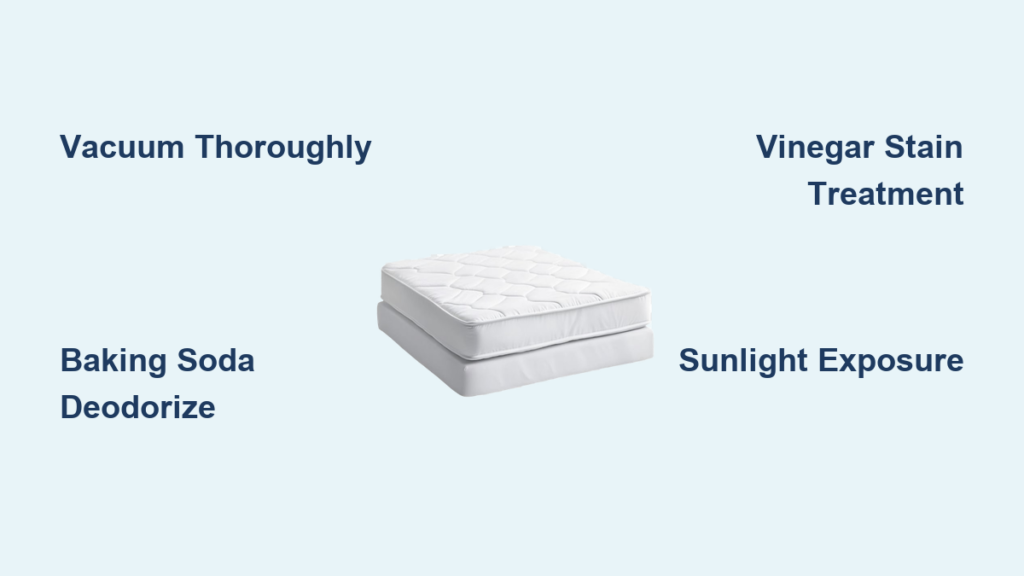
Your mattress is one of your home’s largest investments, yet it’s often the most neglected when it comes to regular cleaning. With the average person spending a third of their life sleeping directly on this surface, knowing how to clean a mattress without a steam cleaner is essential for both health and longevity. Over time, mattresses accumulate dust mites, dead skin cells, sweat, body oils, and other debris that trigger allergies and degrade materials. The good news? You can achieve a thorough clean using simple, natural ingredients already in your home—no specialized equipment required. This guide provides every step you need to refresh your mattress and create a healthier sleeping environment.
Why Your Mattress Needs Regular Deep Cleaning
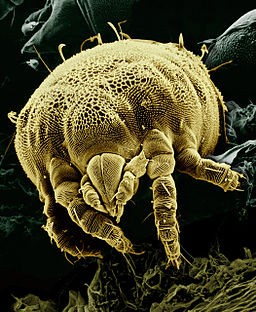
Mattresses silently collect a disturbing amount of contaminants that affect your health without you realizing it. Every night, you shed dead skin cells, hair, and approximately a pint of fluid, creating a perfect breeding ground for dust mites. These microscopic creatures feast on your skin cells and leave waste that triggers allergies, sneezing, and respiratory problems—especially for those with asthma. Beyond dust mites, your mattress harbors bacteria, mold spores, and pathogens thriving in the warm, moist environment created by your body heat and perspiration.
The health implications extend beyond allergies. Research shows people who maintain clean sleeping environments report better sleep quality, fewer respiratory issues, and improved overall well-being. A clean mattress contributes to better bedroom air quality, reduces harmful microorganisms, and creates a more restful space. Regular cleaning also significantly extends your mattress lifespan by preventing debris buildup that breaks down fibers over time. For pet owners, the challenge increases as fur, dander, and potential accidents add to the contamination load.
Gather These Essential Cleaning Supplies First
Before attempting how to clean a mattress without a steam cleaner, ensure you have these essential supplies within reach for a smooth process:
- Vacuum cleaner with upholstery and crevice attachments
- Baking soda (for deodorizing and light cleaning)
- White vinegar (natural disinfectant and deodorizer)
- Mild dish soap or laundry detergent (for stain treatment)
- Clean cloths or sponges (for applying solutions)
- Spray bottle (for mixing cleaning solutions)
- Soft-bristled brush (for gentle scrubbing)
The beauty of steam-free mattress cleaning is that it requires no expensive or specialized equipment—most items are already in your home. If you lack a vacuum, a stiff brush can loosen debris before sweeping it out, though this method is less thorough. Having everything prepared prevents interruptions and allows you to work systematically through each cleaning step.
Remove Bedding and Vacuum Thoroughly
Begin your mattress cleaning process by stripping all bedding—sheets, pillowcases, blankets, and mattress toppers—and washing them immediately in the hottest water safe for the fabrics. This step ensures clean bedding returns to your freshly cleaned mattress. Always check your mattress care guide first, as different types require specific approaches—memory foam mattresses need gentler treatment than innerspring models.
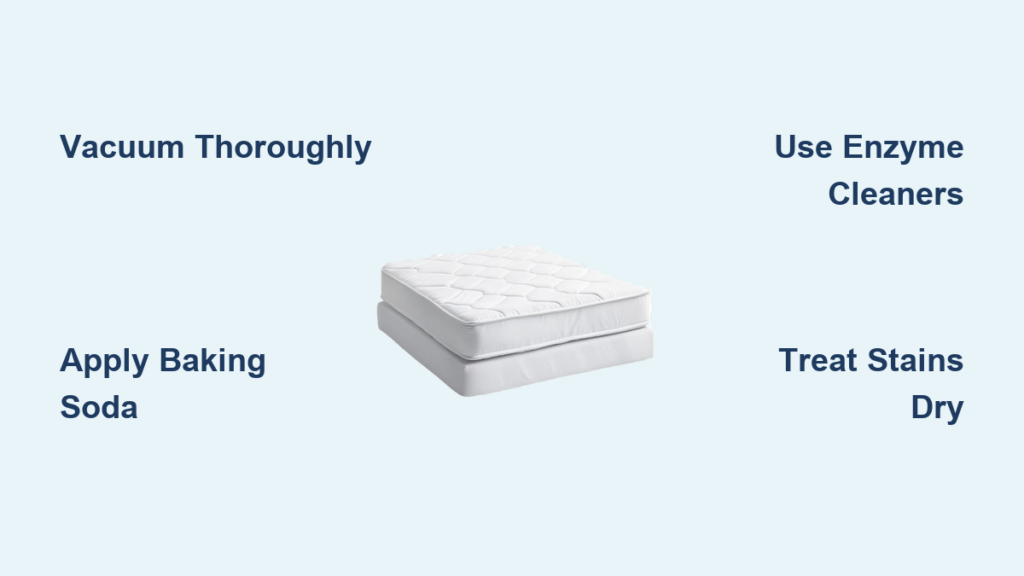
Vacuum the entire mattress surface using small circular motions with the upholstery attachment to lift debris effectively. Pay special attention to seams, tufting, and edge piping where dust accumulates. Open bedroom windows to allow fresh air circulation through the mattress fibers, which starts odor elimination and allows the mattress to breathe. If possible, take your mattress outside for direct sunlight exposure, as UV rays have natural antibacterial properties that help stop bacteria reproduction on the surface.
Apply These Natural Cleaning Solutions
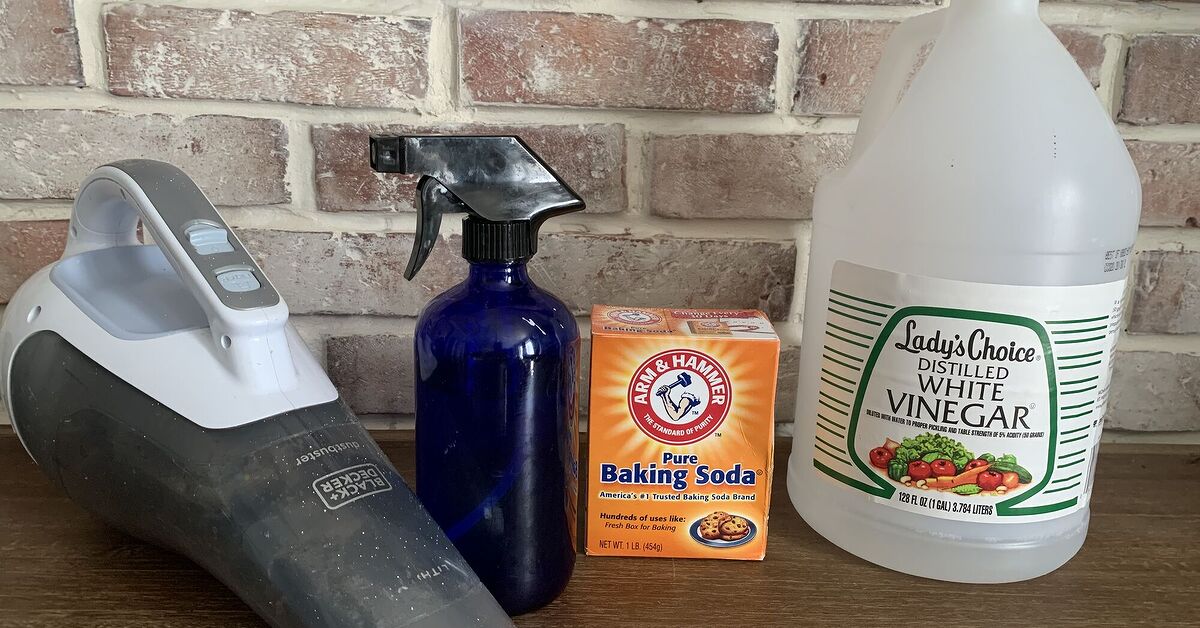
Natural solutions from your kitchen pantry provide powerful cleaning without harsh chemicals. They’re inexpensive, readily available, non-toxic, and safe for households with children and pets.
Baking Soda Treatment
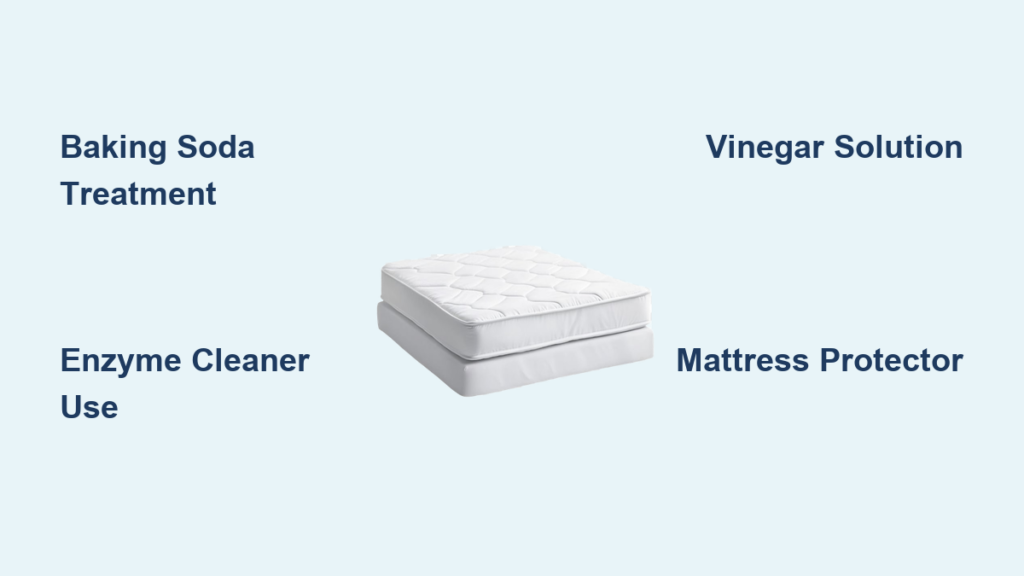
For deep odor removal, sprinkle a generous layer of baking soda across the entire mattress surface (approximately 200 grams for queen/king sizes). For enhanced effectiveness, mix in several drops of essential oil—lavender provides a calming scent while tea tree oil offers antibacterial properties. Allow the baking soda to sit for at least 30 minutes (several hours yields better results), during which time it absorbs moisture and odors from deep within the mattress fibers. Vacuum thoroughly using the upholstery attachment to remove all residue.
Vinegar and Water Solution
Create an effective disinfectant by mixing equal parts white vinegar and warm water in a spray bottle. For enhanced cleaning power, add a squirt of dishwashing liquid to cut through body oils and sweat stains. Apply sparingly to avoid oversaturation—spray only on stained or soiled areas. Use a clean cloth to work the solution through the stain with gentle pressing motions (not rubbing, which pushes stains deeper). Continue blotting until the stain lifts, then spritz with plain water to remove residual cleanser and dab dry. Allow complete drying before remaking the bed.
Treat Specific Stains Without Damage
Different stains require targeted approaches for successful removal. Address stains immediately—set-in stains prove significantly more difficult to remove than fresh ones.
Sweat and Body Oil Stains
For fresh sweat stains, mix mild laundry detergent with lukewarm water. Dab the solution onto the stain gently, working from outside edges toward the center to prevent spreading. For set-in stains, apply the solution and allow it to sit for several minutes before blotting. Once removed, spray with plain water to rinse, then blot dry with a clean cloth. Allow complete drying before use.
Urine Stains and Odors
For fresh urine stains, first absorb maximum moisture using dry paper towels. Press firmly and replace towels as they saturate. Next, apply the vinegar solution sparingly and blot with a clean cloth. For strong odors, consider an enzymatic cleaner designed for pet messes, which breaks down proteins and uric acid crystals. After treatment, sprinkle baking soda over the area and leave it for several hours before vacuuming—this combination neutralizes both basic and acidic components of urine.
Blood Stains
Always use cold water for blood stains, as heat sets proteins permanently. For fresh stains, dampen a cloth with cold water and gently press into the area. For dried stains, create a paste with baking soda and cold water, apply to the stain, and let sit for 30 minutes before rinsing with cold water. Repeat as necessary until the stain lifts, avoiding excess moisture especially on memory foam mattresses.
Eliminate Lingering Odors Effectively
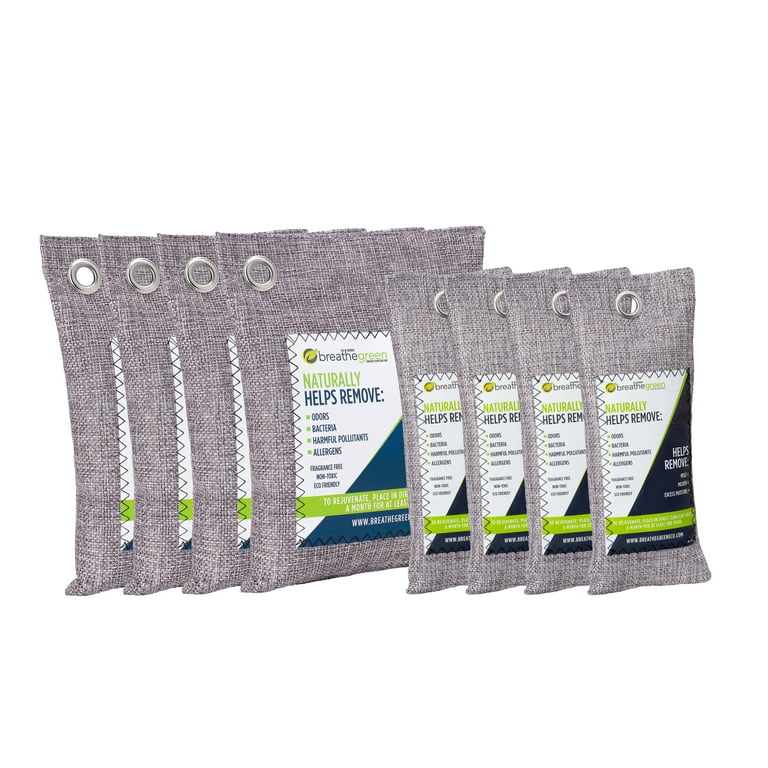
Even without visible stains, mattresses develop unpleasant odors from accumulated sweat and body oils. For comprehensive odor treatment, sprinkle baking soda mixed with essential oils across the entire surface (not just problem areas). Allow it to sit overnight for maximum absorption, then vacuum thoroughly. Activated charcoal provides another powerful option for persistent odors—place small bowls around your mattress for 24 hours to absorb deeply embedded smells. Sunlight exposure also helps, as UV rays kill odor-causing bacteria while heat and airflow evaporate moisture.
Implement These Long-Term Maintenance Strategies
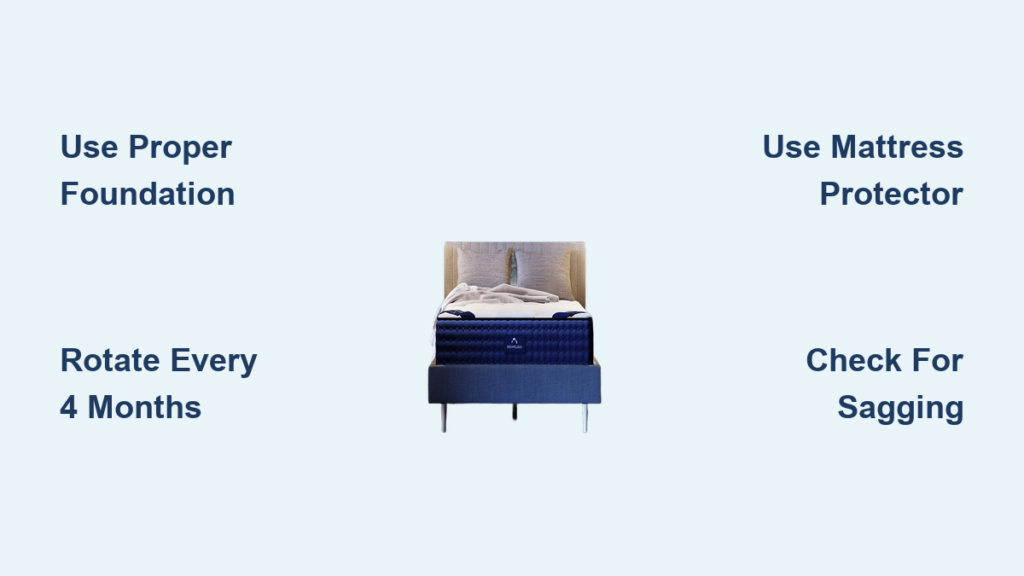
Preventive maintenance proves far easier than deep cleaning and extends time between required cleanings. Use a mattress encasement—a zippered cover that completely encloses your mattress—to create a protective barrier against dust mites and spills. Wash encasements once or twice yearly according to manufacturer instructions. Mattress protectors (fitted-sheet style covers) provide waterproof protection against spills while allowing the mattress to breathe.
Vacuum your mattress surface monthly if you don’t use an encasement, paying special attention to seams and crevices. When changing sheets weekly, leave the mattress exposed for 15-30 minutes with windows open to allow fresh air circulation and prevent moisture buildup. During good weather, take your mattress outside for several hours of sunlight exposure for natural sanitization.
When to Seek Professional Help
While regular cleaning addresses most concerns, certain situations require professional intervention. Bedbug infestations go beyond standard cleaning—these small insects leave blood spots, droppings, and shed skins. If suspected, professional pest control consultation is essential, as bedbugs inhabit bed frames and surrounding areas beyond the mattress itself. Simply replacing your mattress won’t solve the problem. For most other concerns, the methods described provide comprehensive cleaning capabilities, though professional services remain an option for valuable or delicate mattresses with persistent stains.
Maintain a Fresh Mattress Long-Term
Learning how to clean a mattress without a steam cleaner pays dividends in better sleep, improved health, and extended mattress life. The most effective approach combines weekly bedding washing, monthly vacuuming and airing, and semi-annual deep cleaning with baking soda treatment. Using protective covers significantly reduces your cleaning burden while safeguarding your investment. A clean mattress creates a healthier sleeping environment free from allergens and unpleasant odors—making this one of the most worthwhile household maintenance tasks you can undertake for better rest and well-being.