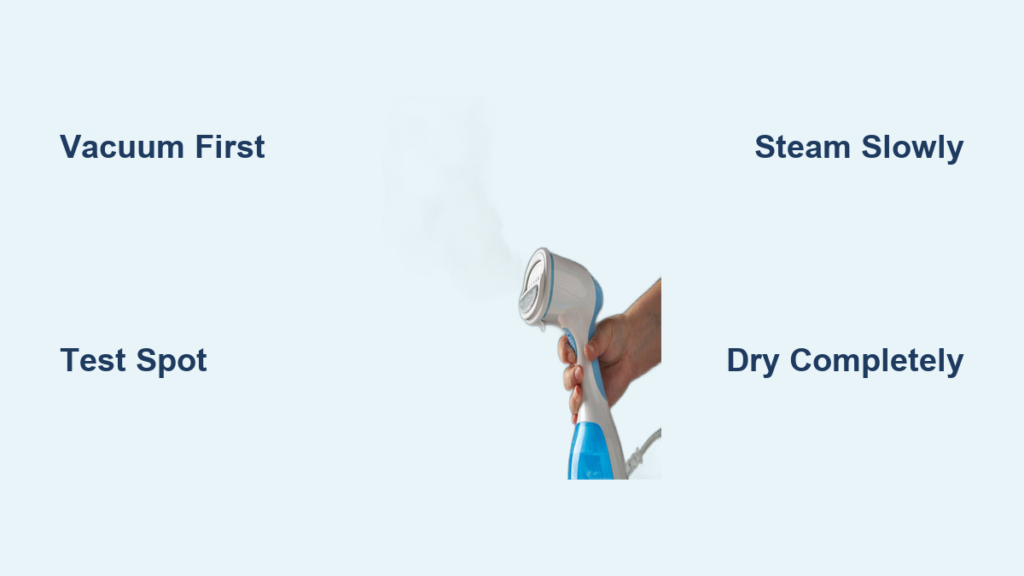
Steam cleaning your mattress represents one of the most effective methods for disinfecting your sleeping surface and removing stubborn stains and odors without relying on harsh chemicals. Since approximately one-third of our lives are spent in bed, maintaining mattress hygiene becomes essential for restful, healthy sleep. A handheld garment steamer or portable steam cleaner provides a convenient solution for this task, delivering continuous steam that penetrates fabric fibers to sanitize and refresh the mattress surface. High-temperature steam reaching between 212 and 250 degrees Fahrenheit effectively kills bacteria, dust mites, and other harmful microorganisms that may inhabit your sleeping surface, while also neutralizing odors caused by sweat, body oils, and spills.
This guide walks you through the complete process of steam cleaning your mattress with a handheld steamer, from initial preparation through proper drying techniques. You’ll learn which tools you need, how to operate your steamer correctly, and special considerations for different mattress types and stain situations. By following these steps, you can restore your mattress to a fresher, cleaner condition and extend its lifespan significantly.
Gather Your Handheld Steamer Cleaning Kit Before Starting
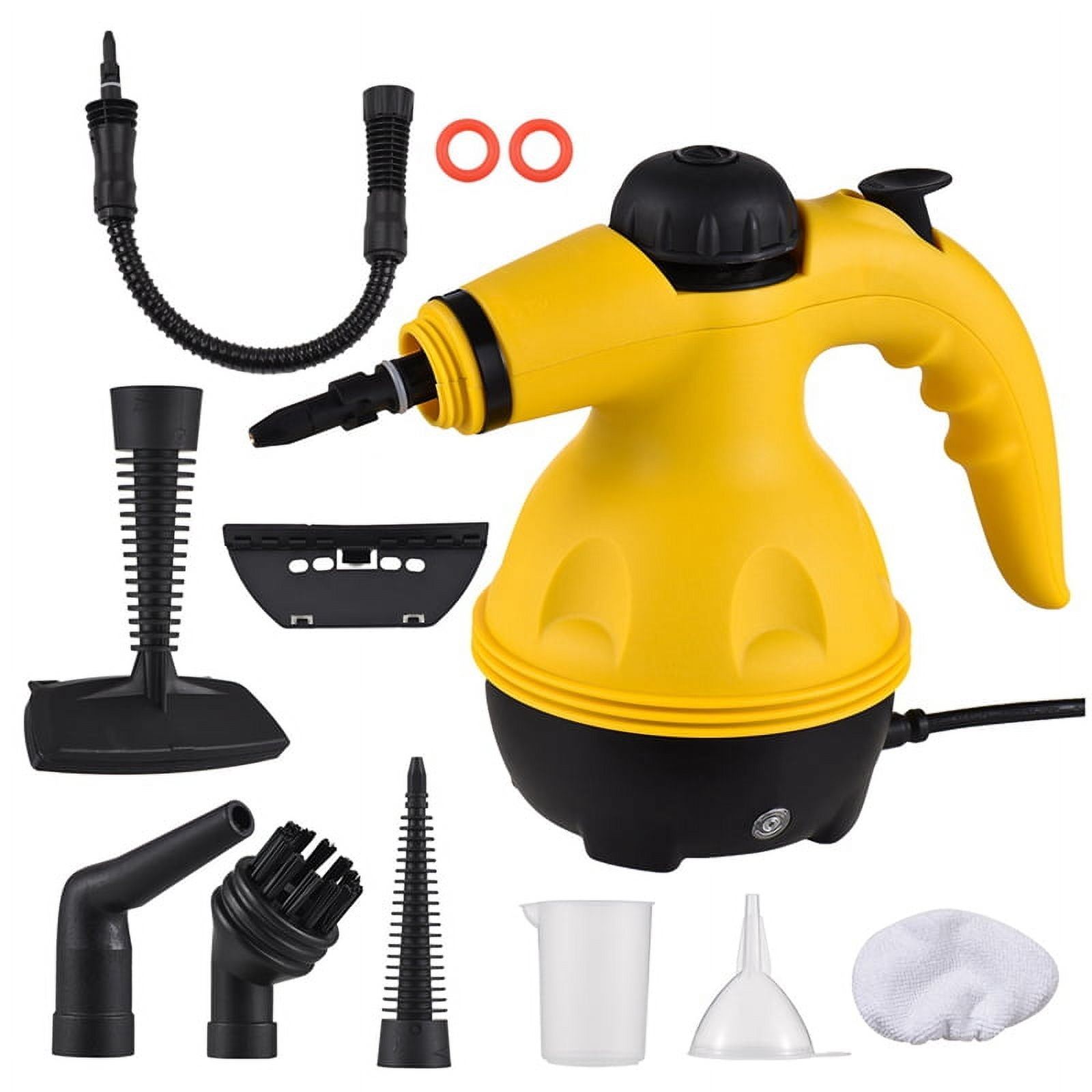
Before beginning the steam cleaning process, gathering all necessary tools and materials ensures a smooth, efficient cleaning session without interruptions. A vacuum cleaner equipped with an upholstery brush attachment serves the critical function of removing surface-level debris, dust, hair, dead skin cells, dust mites, and pet dander before steam treatment begins. The rotating brush attachment helps loosen embedded soil that plain suction might miss, making this step essential for optimal results.
Baking soda functions as a natural deodorizer and absorbent, drawing out oils, stains, and odors from mattress fibers. The recommended quantity varies by mattress size—one cup suffices for a twin-sized mattress, while a whole box adequately treats king or queen-sized mattresses. For enhanced odor-fighting properties, mix several drops of essential oils such as eucalyptus, peppermint, or lavender with the baking soda before application. White vinegar added to this mixture helps the solution penetrate deeper to remove stains, though this should be used cautiously on certain fabrics.
You will also need clean microfiber cloths or towels for blotting areas during stain treatment and absorbing excess moisture during the drying phase. Paper towels serve as moisture detection indicators when testing for complete dryness. For the actual steam cleaning, a handheld garment steamer, portable clothes steamer, or even an iron with steaming functionality can accomplish the task, though each option presents different considerations regarding steam output, water capacity, and treatment duration.
Strip and Test Your Mattress for Safe Steam Treatment
Proper preparation before steam cleaning ensures optimal results and prevents potential damage to your mattress. Select an appropriate day for cleaning when the bed will remain unused for at least four to five hours, as thorough drying time is crucial to prevent mold and mildew growth. Strip the bed completely by removing all sheets, blankets, pillows, comforters, mattress toppers, and any mattress protectors or pads. This exposure allows access to the entire mattress surface, including the sides and corners where dust and allergens typically accumulate.
Washing all removed bedding constitutes an essential step that should not be overlooked, as these items absorb sweat, oils, and dead skin cells alongside your mattress. Check care instructions for each item and wash using appropriate water temperatures to deodorize and sanitize effectively. Bulky comforters and blankets may require commercial washing machines available at laundromats, while certain delicate items might need professional dry cleaning. While the bedding launder, proceed with preparing the mattress itself.
Testing a small, hidden section of the mattress before proceeding with full steam treatment helps ensure the fabric can withstand heat and moisture without discoloration or shrinkage. Wait several minutes after testing to observe any adverse reactions. This precaution proves particularly important for mattresses with specialty fabrics or treatments. Additionally, verify that your specific mattress material can safely undergo steam cleaning, as certain types respond poorly to high heat and moisture.
Why Testing Matters for Different Mattress Types
Not all mattresses respond well to steam cleaning. Traditional innerspring and hybrid mattresses generally tolerate steam treatment better than specialty foam constructions. The critical factor is whether the mattress has a removable, washable cover. Mattresses with permanent covers require more caution during steam cleaning to prevent water absorption into the internal structure. Always check your manufacturer’s care instructions before proceeding, as steam cleaning may void warranties on certain premium mattress models.
Remove Surface Debris with Vacuum Before Steam Application
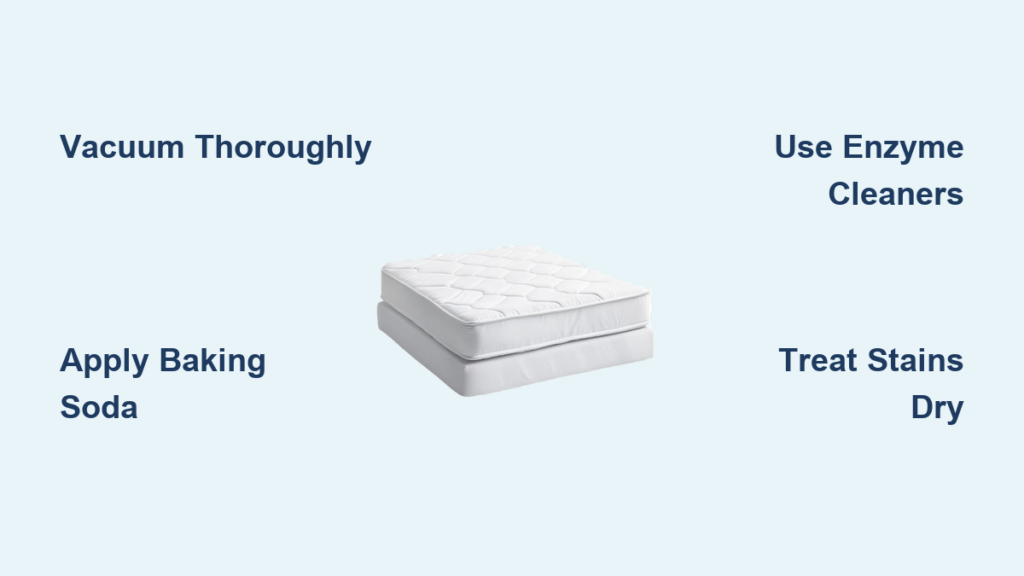
Begin the actual cleaning process by thoroughly vacuuming the mattress using the upholstery brush attachment, working in short, slow strokes to maximize soil extraction. Pay particular attention to areas in frequent skin contact, such as where your head rests, holding the vacuum slightly longer over these zones to capture loose fibers, dust mites, dirt, and accumulated dead skin. This initial vacuuming removes the bulk of surface contaminants and allows the steam to penetrate more effectively into the fabric.
For mattresses with strong odors, sprinkle a thick layer of baking soda over the entire surface and allow it to sit for at least one hour—or up to 24 hours for urine stains—to absorb oils and neutralize smells before vacuuming again. This baking soda treatment draws out deep-seated odors that steam alone might not completely eliminate, leaving your mattress noticeably fresher.
How to Vacuum Mattress Seams and Edges Effectively
Don’t neglect the sides and edges of your mattress where dust mites and debris accumulate. Use the crevice tool attachment to clean along all seams, tufts, and piping. These areas often harbor concentrated amounts of dead skin cells and dust mite colonies. Work methodically around the entire perimeter of the mattress, paying special attention to any decorative stitching or button details where particles can become trapped.
Apply Steam Correctly to Sanitize Mattress Fibers
Fill your handheld garment steamer with water to the recommended level, ensuring the water reaches the appropriate temperature before beginning treatment. The steam should reach temperatures between 212 and 250 degrees Fahrenheit to effectively destroy bacteria and dust mites. Hold the steamer head approximately two to three inches above the mattress surface—closer than this risks oversaturation, while greater distance reduces steam effectiveness. Move the steamer in slow, long, even strokes across the mattress surface, allowing the steam to penetrate and sanitize fabric fibers thoroughly.
Avoid using blasts of continuous steam on any single spot, as this overwets the mattress and may cause damage. Instead, maintain consistent, controlled steam application that leaves the surface damp but not wet. If you notice excessive moisture accumulating, hold the steamer slightly farther from the surface or reduce the steam output dial if your model allows this adjustment. Work systematically from one corner to the opposite side, overlapping strokes slightly to ensure complete coverage. Remember to treat the side surfaces of the mattress as well, as these areas harbor dust mites, bacteria, and other contaminants that often go neglected.
Targeting Stubborn Stains with Precision Steam
For stubborn stains or particularly soiled areas, pause the steamer over the affected spot for a few extra seconds to allow the heat and moisture to loosen embedded grime. Steam naturally eliminates odors, making it particularly effective against sweat smells, pet odors, and mustiness. After treating stains, blot the area with a clean microfiber cloth if necessary to absorb loosened dirt and prevent it from setting back into the fabric. For set-in stains, you may need to repeat the steam treatment 2-3 times with brief drying intervals between applications.
Prevent Mold by Ensuring Complete Mattress Drying
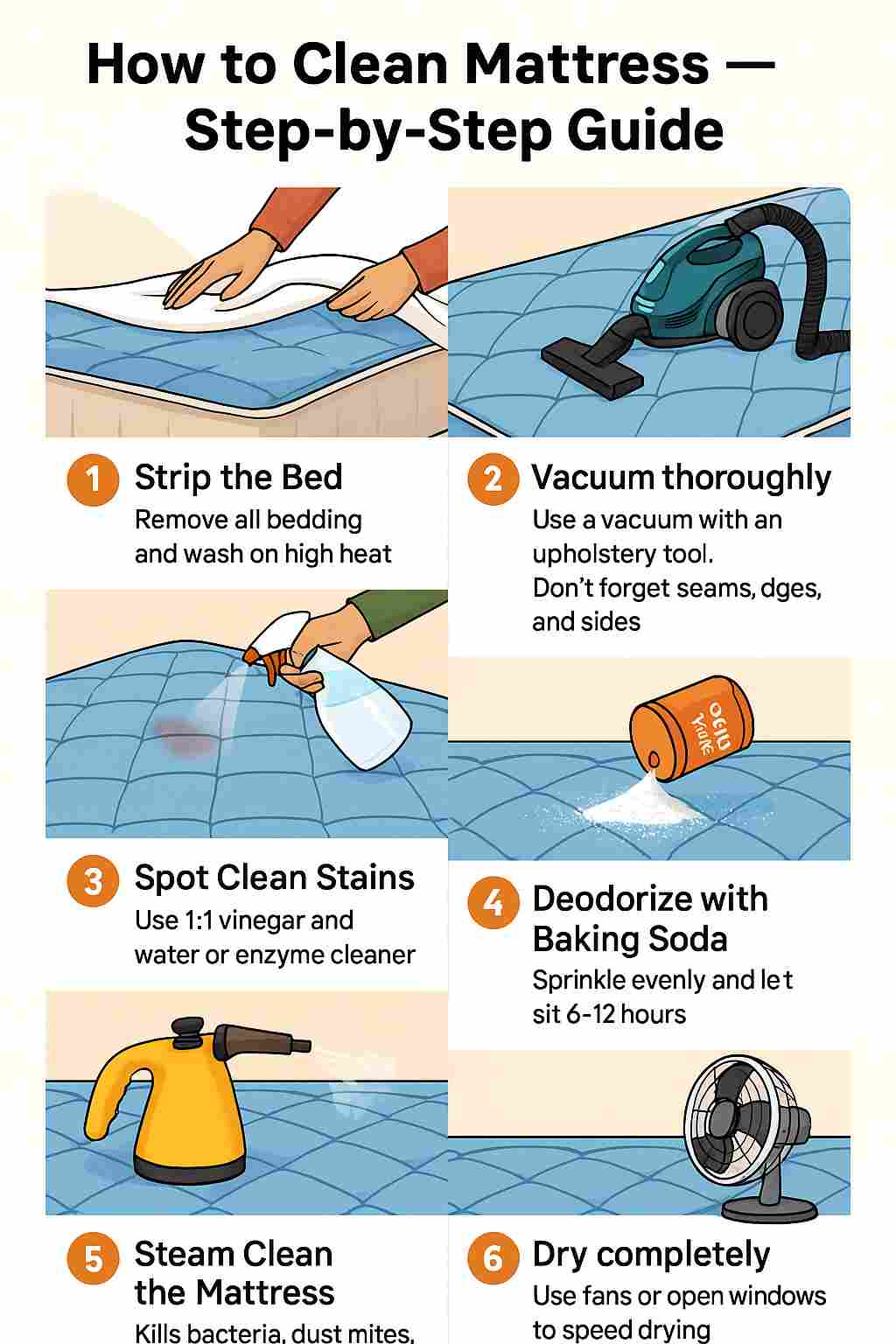
Proper drying represents perhaps the most critical phase of mattress steam cleaning, as insufficient drying time invites mold and mildew growth that can create worse problems than the original soiling. Allow the mattress to dry for a minimum of three to four hours, though longer drying periods of up to eight hours may be necessary depending on how much steam was applied and ambient humidity levels. The mattress should feel dry to the touch and show no visible moisture before being recovered with bedding.
Multiple drying techniques accelerate this process effectively. If weather permits, move the mattress outside to dry under direct sunlight, which offers the added benefit of helping lift remaining stains. Place a clean tarp or sheet underneath the mattress to protect it from ground debris. When outdoor drying isn’t feasible, position fans throughout the room to improve air circulation and place the mattress in a well-ventilated area. Opening windows further enhances airflow and reduces humidity levels that slow drying.
Checking for Complete Dryness Before Bed Use
For mattresses that absorbed excess moisture, use dry towels to press down and absorb water from the surface, or employ a wet-dry vacuum to extract trapped moisture. To confirm complete dryness, place a dry paper towel on the mattress surface and press down firmly. Any moisture detected on the paper towel indicates the mattress needs additional drying time before being recovered. Only after confirming complete dryness should you replace clean bedding and resume normal use of the bed. Rushing this step risks developing musty odors and potential mold growth within 24-48 hours.
Avoid Damage to Memory Foam and Latex Mattresses

Extreme caution must be exercised when considering steam cleaning for memory foam or latex mattresses, as high heat and moisture can permanently damage these materials’ unique structure and properties. The intense heat may cause the foam to break down, lose its supportive qualities, and develop impressions or deformities. Additionally, moisture trapped within dense foam materials struggles to escape, creating ideal conditions for mold and mildew growth. Always consult your manufacturer’s care instructions before attempting any steam treatment, and note that steam cleaning these mattress types typically voids warranty coverage.
For memory foam and latex mattresses, alternative cleaning methods prove safer and equally effective. Spot cleaning with mild detergent solutions and thorough vacuuming addresses surface concerns without risking heat damage. Use a barely damp cloth with a small amount of mild soap to treat stains, blotting carefully without saturating the foam. Vacuum with upholstery attachments to remove dust and allergens, and allow the mattress to air dry completely before covering. These gentle approaches maintain the integrity of specialty foam materials while still improving mattress hygiene.
Set Up a Steam Cleaning Schedule for Mattress Longevity
The optimal frequency for steam cleaning your mattress depends largely on individual circumstances and lifestyle factors. Generally, seasonal steam cleaning—approximately four times per year—maintains adequate freshness and hygiene for mattresses used solely for sleeping by adults without pets or young children. However, several factors necessitate more frequent cleaning to maintain optimal mattress condition.
Households with pets require more attention due to dander, pet hair, and occasional accidents that pets may have on the bed. Families with young children, particularly those undergoing potty training, benefit from monthly or bi-monthly cleaning to address inevitable spills and accidents. Individuals who eat or drink in bed introduce food crumbs and beverage spills that attract pests and promote bacterial growth. Those with allergies or respiratory sensitivities should clean more frequently to minimize dust mite populations and allergen accumulation.
Protective Measures Between Deep Cleanings
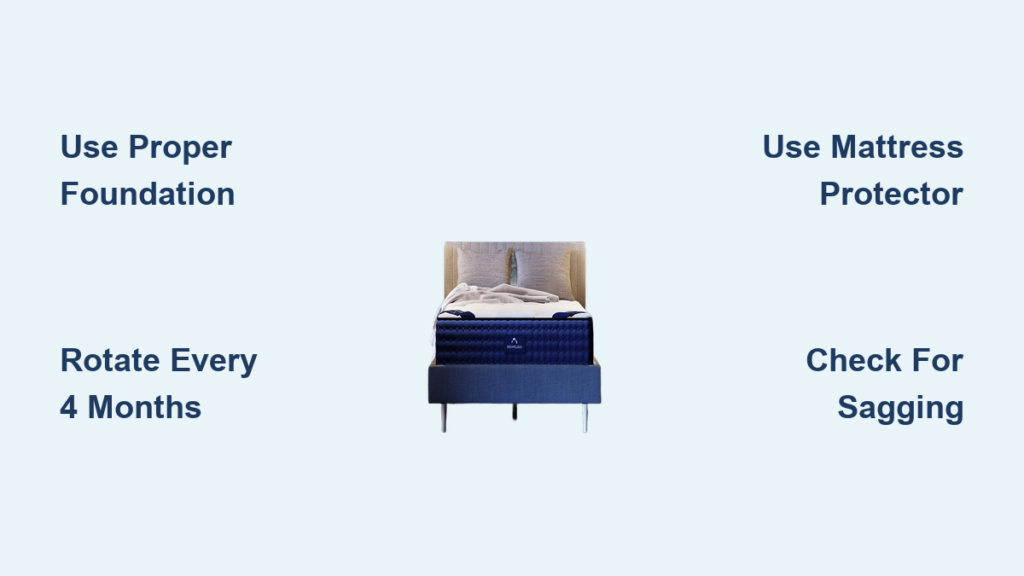
Between deep steam cleanings, protective measures help maintain mattress freshness. Using a quality mattress protector or pad at all times creates a barrier against body oils, sweat, and moisture, protecting the underlying mattress from contamination. Wash this protector at least monthly, and monitor bedroom humidity levels to prevent mold and mildew growth. Changing and washing sheets weekly further reduces the buildup of allergens and contaminants that eventually migrate into the mattress. For allergy sufferers, consider using a hypoallergenic mattress protector specifically designed to block dust mites.
Answering Top Handheld Steamer Mattress Cleaning Questions
Can a garment steamer effectively clean a mattress?
Yes, a garment steamer provides an effective cleaning solution for traditional mattresses, offering gentle yet continuous steam that refreshes and sanitizes fabric surfaces. While garment steamers may require more frequent refilling and longer treatment times compared to larger commercial units, they deliver sufficient steam output for satisfactory results on standard mattress constructions. The key lies in patient, thorough application that ensures adequate heat and moisture penetration without oversaturating the surface.
Will steam cleaning damage my mattress?
When performed correctly on appropriate mattress types, steam cleaning causes no damage. The critical precautions involve maintaining proper distance between the steamer and surface, avoiding excessive moisture accumulation, and confirming complete drying before returning the mattress to service. Memory foam and latex mattresses require alternative cleaning approaches, as their construction cannot tolerate high heat and moisture exposure without potential damage.
What temperature steam is necessary for effective sanitization?
Temperatures between 212 and 250 degrees Fahrenheit effectively destroy bacteria, dust mites, and other harmful microorganisms commonly found in mattresses. Most quality steamers achieve these temperatures when properly heated, but verifying your specific model’s output capabilities ensures adequate sanitization. The extended exposure time during slow, methodical steaming compensates for any marginal temperature deficiencies in consumer-grade equipment.
How long does the entire cleaning process take?
The active cleaning phase requires approximately one to one and a half hours for preparation, vacuuming, stain treatment, and steam application. However, the total time commitment extends to four to eight hours when accounting for drying time, which varies based on environmental conditions and steam application intensity. Steam cleaning effectively addresses many common mattress stains, including those from sweat, body oils, and general soiling. However, certain stains—particularly those from blood, ink, or dyes—may prove more resistant and require specialized pretreatment before steam application.