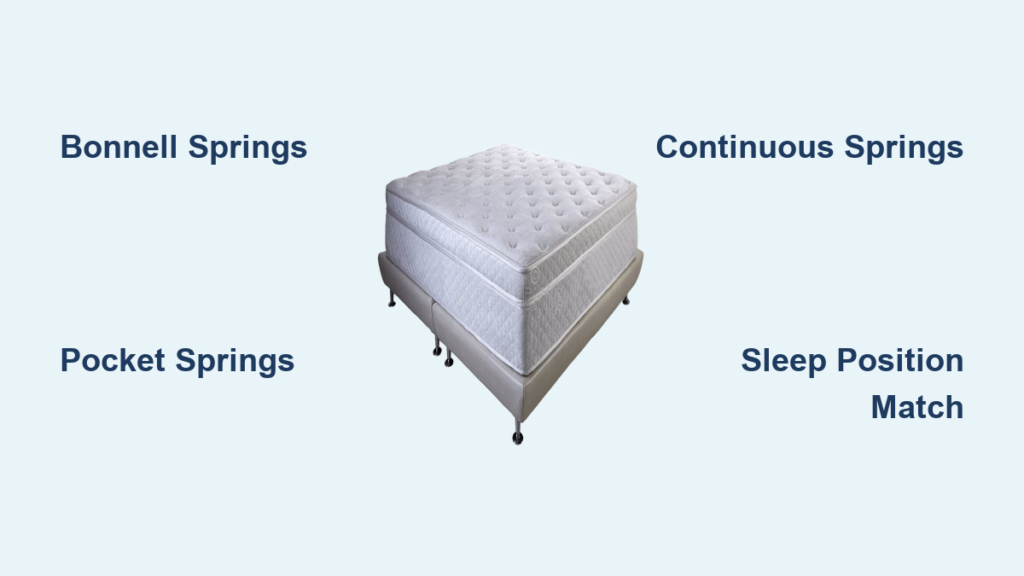
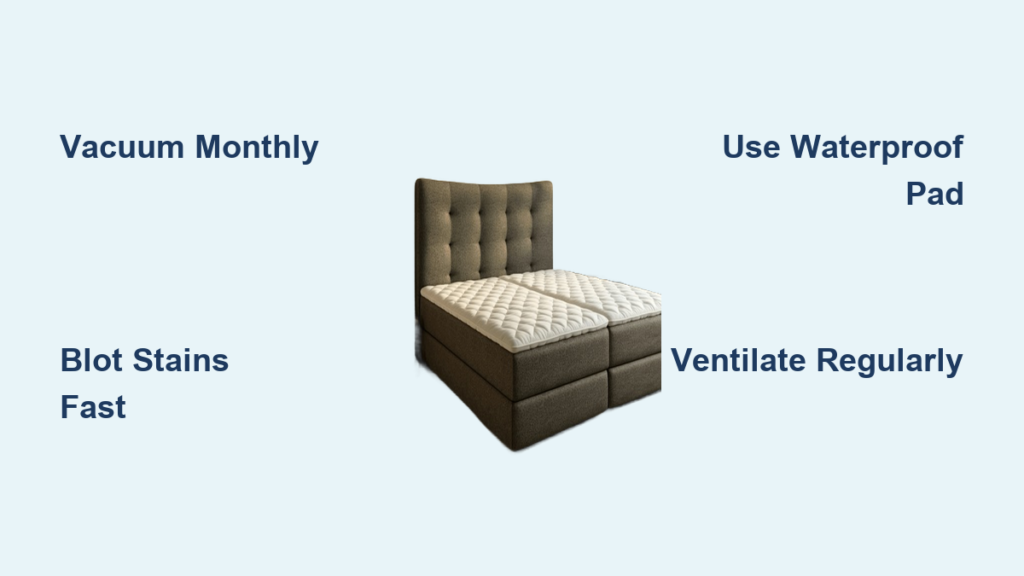
Your box spring works silently beneath your mattress every night, providing essential support that affects your comfort and the longevity of your entire sleep system. Yet this foundational piece often gets overlooked when it comes to cleaning and maintenance. Over time, dust, dead skin cells, allergens, and debris accumulate within the fabric covering and internal components, potentially affecting your sleep quality and indoor air quality. Learning how to clean a box spring mattress properly protects your investment and creates a healthier sleeping environment for you and your family.
This comprehensive guide walks you through every step of effective box spring cleaning, from basic vacuuming techniques to stain treatment methods and preventive protection strategies. You’ll discover exactly what tools you need, how often to clean, and which common mistakes to avoid. By following these maintenance practices, you can extend the life of your box spring significantly while reducing allergens and keeping your bedroom fresher overall.
Vacuum Your Box Spring Thoroughly Every Few Months
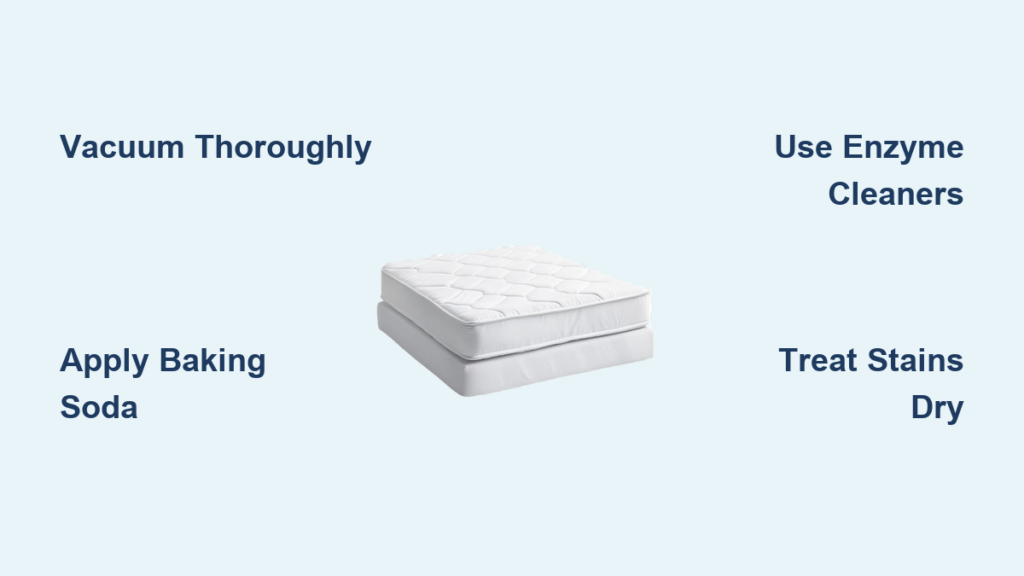
Vacuuming stands as the primary and most important cleaning method for box springs, recommended by mattress care professionals and manufacturers alike. This approach effectively removes accumulated dust, dead skin cells, allergens, and debris without introducing moisture or chemicals that could damage the internal components. Regular vacuuming maintains hygiene in your sleep environment and prevents particle accumulation that can degrade materials over time.
Begin by removing all bedding, including sheets, blankets, and mattress pads, so you have clear access to the box spring surface. Use the soft brush attachment on your vacuum to gently pass across the entire surface in slow, overlapping strokes. Apply light pressure and avoid pressing too firmly, which could damage the fabric or push debris deeper into the seams. Pay extra attention to the corners and edges where dust tends to collect, using the crevice tool to extract buildup from these areas.
For the sides of the box spring, run your vacuum attachment along the perimeter where the fabric meets the wooden frame. This area often collects significant dust that migrates downward from the mattress above. Work methodically across the entire surface, taking your time to ensure thorough extraction rather than rushing through the process. A complete vacuuming session for a standard queen-sized box spring typically takes fifteen to twenty minutes when done properly.
Aim to vacuum your box spring at least every few months, or approximately four times per year for average households. However, increase this frequency if you have pets that sleep in bed with you, if family members suffer from allergies or respiratory conditions, if children use the bed frequently, or if someone has been ill. These situations warrant monthly vacuuming to maintain optimal cleanliness and indoor air quality.
Treat Stains and Spills Immediately With Minimal Moisture

Despite your best protective measures, spills and stains occasionally occur on box springs. When this happens, quick and appropriate action prevents permanent damage and odor development. The key principle governing all box spring stain treatment is moderation: use the minimal amount of cleaning solution necessary and never saturate the materials.
For fresh spills, begin by blotting the affected area immediately with clean, dry cloths or paper towels. Press firmly to absorb as much liquid as possible without rubbing, which can spread the stain and push moisture deeper into the padding. Continue blotting with fresh dry sections until no more moisture transfers onto your cloth. This initial step removes the bulk of the spill before any cleaning solution is applied.
Once you’ve extracted excess liquid, prepare a mild cleaning solution by mixing a small amount of mild dish soap with cold water in your spray bottle. Lightly mist the stained area—you want the fabric damp, not wet. Using a clean white cloth, gently blot the stained section working from the outside edge toward the center to prevent the stain from spreading. Apply the cleaning solution sparingly and avoid over-wetting the area, as excess moisture that penetrates the internal structure can promote mold growth or damage the wooden frame.
Never use dry cleaning agents, spot removers, or professional dry cleaning services on your box spring. The chemicals in these products can harm the fabric covering and potentially damage underlying materials. The gentle approach of mild soap and cold water, applied with restraint and patience, represents the safest and effective method for addressing localized stains while preserving your box spring’s integrity.
Install Protective Pads to Prevent Future Contamination
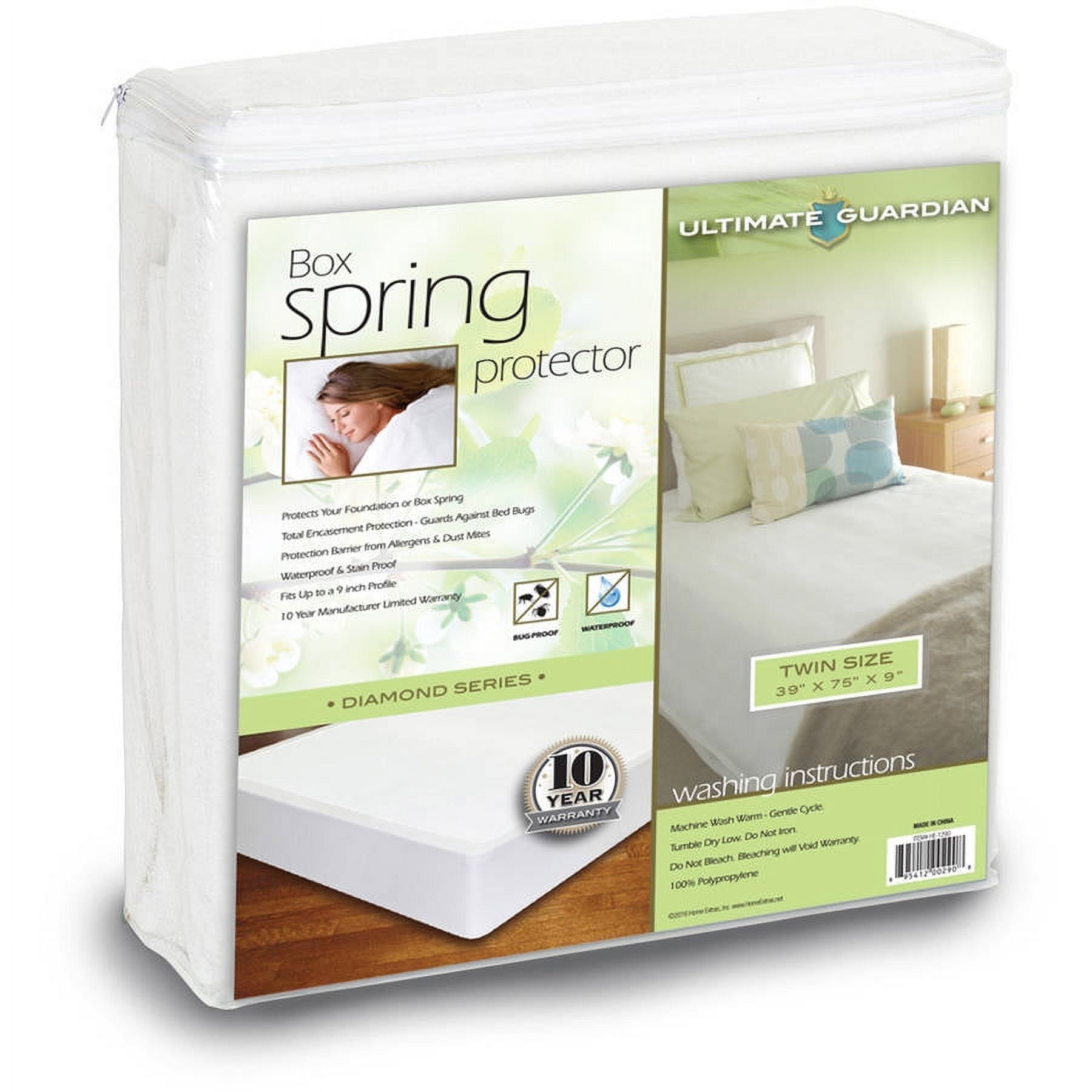
Prevention proves far easier than remediation when it comes to box spring care. Implementing protective measures from the start and maintaining them consistently saves effort, expense, and potential damage over the lifespan of your sleep system.
A quality, washable mattress pad serves as your first line of defense for protecting your entire bed setup, including the box spring beneath your mattress. These pads are designed to be easily removed and laundered, making routine maintenance significantly more manageable. When selecting a mattress pad, ensure it adequately covers the sleep surface and includes elastic corners or straps to keep it securely in place during use.
Waterproof pads offer particularly robust protection and represent a smart investment for any household, though they prove especially valuable in homes with children or pets. The waterproof barrier prevents liquids from reaching your box spring materials, which could otherwise lead to staining, odor development, or structural damage from moisture infiltration. By catching spills, accidents, and perspiration before they penetrate to the box spring, waterproof pads dramatically extend the lifespan of your sleep investment and reduce the frequency of deep cleaning interventions.
When accidents do occur despite protective measures, address them promptly using the stain treatment methods described earlier. The combination of waterproof protection for prevention and gentle spot cleaning for incidents provides comprehensive coverage against the most common sources of box spring damage and contamination.
Eliminate Musty Odors With Strategic Ventilation
Proper ventilation contributes significantly to your box spring’s longevity and freshness. Allowing air to circulate around and through this foundational component prevents moisture accumulation, inhibits mold and mildew growth, and eliminates the musty odors that can develop in enclosed, poorly ventilated spaces.
When you first acquire a new box spring, you might notice a slight “new product” odor emanating from the materials. This is normal and will naturally dissipate with time and fresh air exposure. Leave both the mattress and box spring uncovered in a well-ventilated room for several hours or even a full day before making the bed with fresh linens. Opening windows and running fans during this period accelerates the airing-out process.
On an ongoing basis, periodically expose your box spring to fresh air by removing all bedding and opening bedroom windows. This simple practice, performed monthly or seasonally, helps maintain freshness and prevents the stale odor buildup that can develop in perpetually covered sleep surfaces. In humid climates or during seasons with elevated moisture levels, this ventilation practice becomes especially important for preventing mold concerns.
Ensure adequate airflow around your entire bed by leaving space between the walls and the sides of the bed frame. Pushing beds directly against walls can trap humid air and prevent proper circulation around the box spring perimeter. In bedrooms with poor natural ventilation, running a dehumidifier during humid months helps maintain appropriate humidity levels that support box spring longevity and prevent moisture-related problems.
Avoid These 4 Common Box Spring Cleaning Mistakes
Understanding what not to do when cleaning your box spring is equally important as knowing the correct procedures. Several common mistakes can inadvertently cause damage that shortens the lifespan of this essential sleep component or creates problems that prove difficult to address.
Excessive moisture represents the most frequent and potentially damaging mistake in box spring cleaning. Never soak a mattress or box spring with cleaning solutions or water, as excess moisture can penetrate the internal structure and create conditions favorable for mold and mildew growth. The wooden frame and spring system within your box spring can suffer damage from prolonged moisture exposure that may not become apparent until significant deterioration has occurred.
Harsh chemicals and cleaning agents present another category of mistakes to avoid. Dry cleaning solvents, strong spot removers, and chemical-based cleaners may contain compounds that damage fabric finishes or degrade underlying materials. Even natural cleaning solutions should be tested in an inconspicuous area first and used cautiously. The mild soap and cold water approach recommended earlier provides sufficient cleaning power for virtually any stain or soil your box spring might encounter.
Using inappropriate tools or aggressive scrubbing techniques can tear fabric covers, push debris deeper into padding, or damage seams. Always use soft brush attachments rather than stiff brushes, and apply gentle blotting motions rather than vigorous rubbing when treating stains. Take your time with the cleaning process—rushing increases the likelihood of accidental damage.
Steam cleaning should never be used on box springs despite its effectiveness on other surfaces. The high heat and moisture involved can warp wooden components, damage glue bonds, and force moisture deep into areas that resist drying. Similarly, high-pressure vacuum settings can damage fabric and internal components, so use gentle suction settings appropriate for delicate surfaces.
Rotate Your Mattress to Extend Box Spring Lifespan
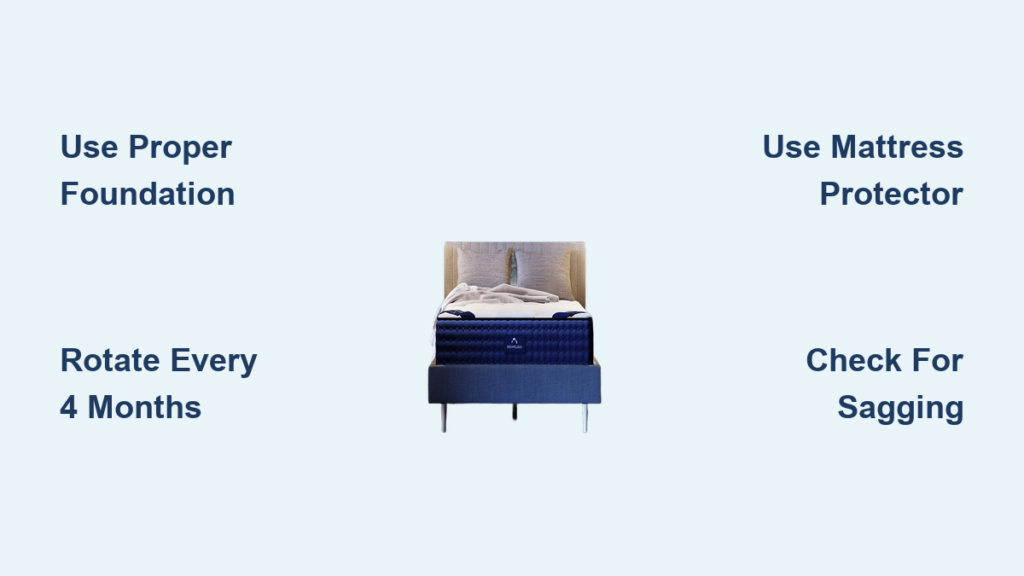
While the box spring itself doesn’t require rotation, caring for your mattress properly indirectly supports your box spring’s longevity and performance. Most quality mattresses are equally padded on both sides, meaning they can be flipped to distribute wear more evenly across both sleep surfaces.
Periodically rotating and flipping your mattress helps extend the life of your entire bedding set and minimizes the development of body impressions that can affect comfort over time. The process involves several careful steps performed every few months. First, rotate the mattress on top of the box spring 180 degrees to change the orientation of head and foot. Then realign the mattress with the box spring to ensure proper fit. Next, raise the mattress carefully onto its edge, then lower it gently to expose the other side. Finally, realign the mattress with the box spring once more.
This maintenance routine promotes even wear across both sides of your mattress, which helps maintain consistent support and comfort throughout the lifespan of your sleep system. When your mattress wears evenly, it places more uniform demands on your box spring, reducing the development of weak points or uneven support areas that can develop when mattresses are only slept on in one orientation.
For pillow-top or Euro-top mattresses that may only be flippable on one side, rotation without flipping still provides benefit by changing the position of head and foot. Always check your mattress manufacturer’s recommendations for specific rotation and flipping guidance, as constructions vary between models.
The practices outlined in this guide—vacuuming every few months, using waterproof protective pads, ensuring adequate ventilation, avoiding moisture and chemical damage, and addressing problems promptly—work together to maximize your box spring’s lifespan while maintaining a healthier sleep environment. When signs of degradation appear despite proper maintenance, replacing your box spring protects your mattress investment and ensures continued quality sleep. By treating your box spring with the care it deserves, you enjoy the foundational support it provides and extend the comfort of your entire sleep system.