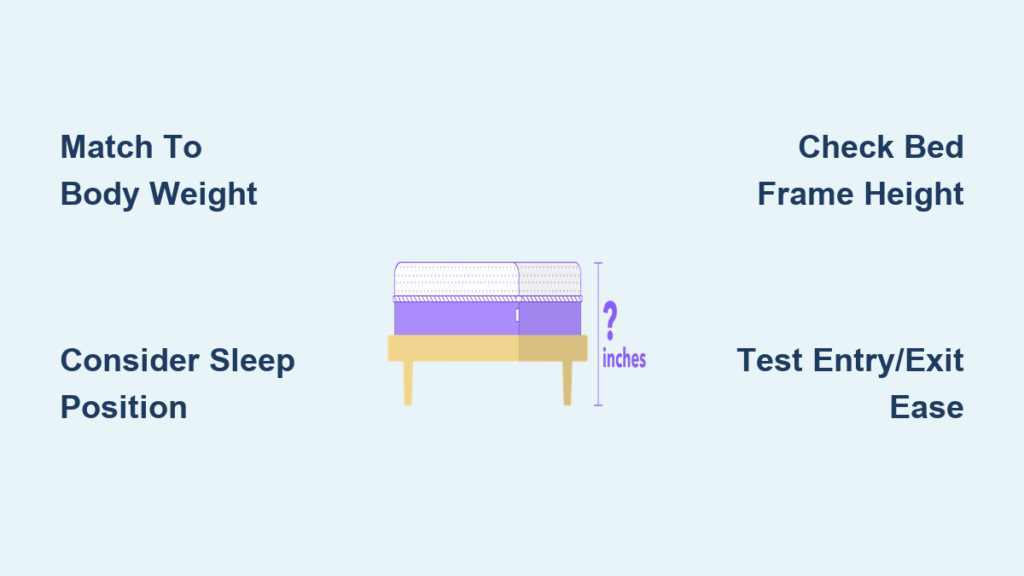
Your mattress height might seem like a minor detail in your bedroom setup, but it dramatically impacts your sleep quality, ease of movement, and overall comfort. The vertical measurement from your mattress’s bottom seam to its top surface—known as thickness or height—determines how deeply you sink into the bed, how well your spine aligns, and how effortlessly you transition from lying down to standing up each morning. With most adults spending about one-third of their life sleeping, selecting the right mattress height isn’t just about comfort—it’s a health decision that affects your daily energy and long-term well-being. This guide reveals exactly how to choose mattress height based on your body type, sleep habits, and bedroom setup so you can wake up feeling refreshed rather than achy.
What Defines Mattress Height
Mattress height refers to the complete vertical measurement from the bottom seam to the topmost surface, including all comfort layers like pillow tops or foam toppers. This dimension directly influences how your body interacts with the sleeping surface, determining both the feel and functionality of your bed. Unlike what many shoppers believe, thickness alone doesn’t indicate quality—a well-constructed thin mattress can outperform a poorly made thick one. The right height creates the perfect balance between cushioning and support for your specific needs.
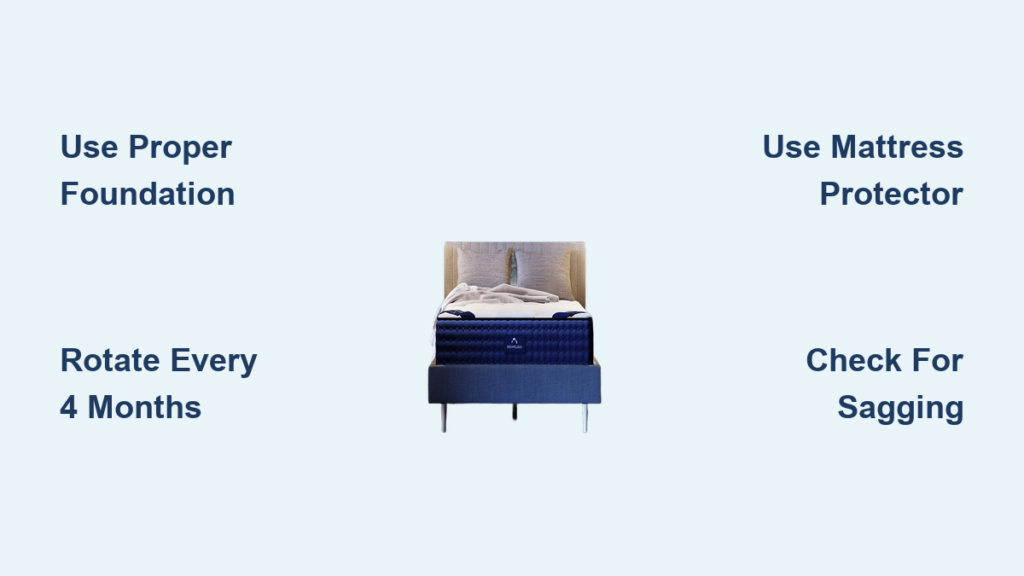
Consider that mattress height works in tandem with your bed frame and foundation to create your total sleeping surface height. A 12-inch mattress on a low platform bed produces a completely different experience than the same mattress on a traditional frame with an 8-inch foundation. This total height matters because it determines whether you can sit comfortably on your bed’s edge with feet flat on the floor—a critical factor for those with mobility concerns or morning stiffness.
Mattress Thickness Categories Explained

Understanding mattress thickness categories helps you quickly narrow options based on your specific needs and bedroom constraints.
Low Profile Options Under 8 Inches
Low-profile mattresses measuring 8 inches or less work perfectly for children’s beds, bunk beds, and Murphy beds where space is limited. These models typically feel firmer with minimal cushioning since they contain fewer comfort layers. While budget-friendly, most adults find them too thin for comfortable long-term use because they don’t provide adequate pressure relief at key points like hips and shoulders. If you’re considering one for yourself, test it thoroughly—many adults experience discomfort within weeks of use.
Slim Mattresses at 8 to 10 Inches
Slim mattresses in the 8-10 inch range offer a practical compromise for shorter adults, those with mobility challenges, or anyone who struggles with higher beds. This thickness provides enough material for reasonable comfort while maintaining a lower profile that makes entry and exit easier. These models also weigh less, simplifying moves or seasonal rotations. If you’ve ever struggled getting out of bed due to knee pain, a slim mattress might solve your problem without sacrificing too much comfort.
Standard Thickness at 10 to 12 Inches
The 10-12 inch standard thickness remains the most popular choice because it balances cushioning and support for most adults between 130-230 pounds. Back sleepers often find this range ideal as it supports natural spinal curves without excessive sinking. The widespread availability means you can choose from virtually any material—memory foam, latex, hybrid—while staying within this versatile thickness category. For most shoppers, starting your search here makes sense before exploring alternatives.
Thick Mattresses at 12 to 14 Inches
Thick mattresses suit sleepers over 230 pounds who need extra support to prevent deep sinking, as well as side sleepers requiring additional shoulder and hip cushioning. The generous comfort system provides substantial pressure relief while the sturdy support core maintains spinal alignment. These models typically last longer due to greater structural integrity from the additional materials. If you’ve struggled with premature sagging in thinner mattresses, stepping up to this thickness could extend your mattress’s life by several years.
Extra Thick Options at 14 Inches and Beyond
Extra-thick mattresses (14+ inches) deliver maximum cushioning and body cradling for those who need enhanced contouring. While they provide exceptional comfort, consider practical factors: higher cost, significant weight that complicates setup, and the need for deep-pocket sheets. Shorter individuals and those with mobility issues may find these heights challenging to navigate. Before choosing one, sit on the edge of a similar height bed to ensure you can comfortably get in and out.
Match Height to Your Body Weight

Your weight directly affects how deeply you sink into a mattress, making it one of the most critical factors in selecting the right height.
Light Sleepers Under 130 Pounds
If you weigh less than 130 pounds, thin mattresses often feel uncomfortably firm because your body doesn’t compress the surface enough to experience proper cushioning. You’ll typically need at least a 12-inch mattress with generous comfort layers to achieve adequate pressure relief. Children can comfortably use thinner options since their smaller frames don’t require the same support as adults. Don’t settle for a standard height thinking it’s “good enough”—your lighter frame needs that extra cushioning.
Average Weight Sleepers at 130 to 230 Pounds
This weight range aligns perfectly with standard 10-12 inch thickness, which provides sufficient support and comfort for most adults. Your ideal thickness within this range depends largely on your sleep position—back sleepers may prefer the firmer end while side sleepers often need slightly thicker options. The wide availability means you can focus on materials and firmness without worrying about height limitations. When testing mattresses, pay attention to how your shoulders and hips feel after 10-15 minutes lying down.
Heavier Sleepers Over 230 Pounds
Greater weight causes deeper compression, so heavier sleepers generally need 12-14 inch mattresses to maintain proper spinal alignment. Look for models with at least six inches of comfort layer and six inches of support core—this construction prevents excessive sinking while providing necessary cushioning. Thicker mattresses also tend to last longer under heavier loads, potentially saving you money through extended lifespan. If you’ve experienced premature sagging before, increasing thickness could solve your durability issues.
Sleep Position Matters for Thickness
Your typical sleep position determines where pressure concentrates and how much cushioning you need for healthy spinal alignment.
Side Sleepers Need Extra Cushioning
Side sleeping creates significant pressure at shoulders and hips, making adequate thickness essential. If you sleep primarily on your side, seek at least a 12-inch mattress with substantial comfort layers that allow proper sinking. Too thin, and you’ll experience pressure buildup leading to morning aches. Memory foam and softer hybrids work best as they contour closely to your body’s curves. When lying on your side, check that your spine forms a straight line from neck to hip—any curvature indicates insufficient cushioning.
Back Sleepers Need Balanced Support
Back sleeping creates a natural gap between your lower back and the mattress. A 10-12 inch mattress offering moderate contouring without excessive sagging helps maintain spinal alignment. Back sleepers typically prefer firmer surfaces preventing midsection sinking, with high-density polyfoam providing ideal balance. When testing, ensure your hand can slide comfortably under your lower back—too much space means the mattress is too firm, while no space indicates excessive sinking.
Stomach Sleepers Need Firm Support
Stomach sleeping risks lower back strain if your midsection sinks too deeply. Look for approximately 10-inch thickness with enough support to keep your body relatively flat. Medium-firm mattresses work best, providing resistance against excessive sinking while maintaining comfort. Latex and innerspring constructions often suit this position well. If you wake with lower back pain, your mattress is likely too soft or thick for stomach sleeping.
Health and Mobility Considerations
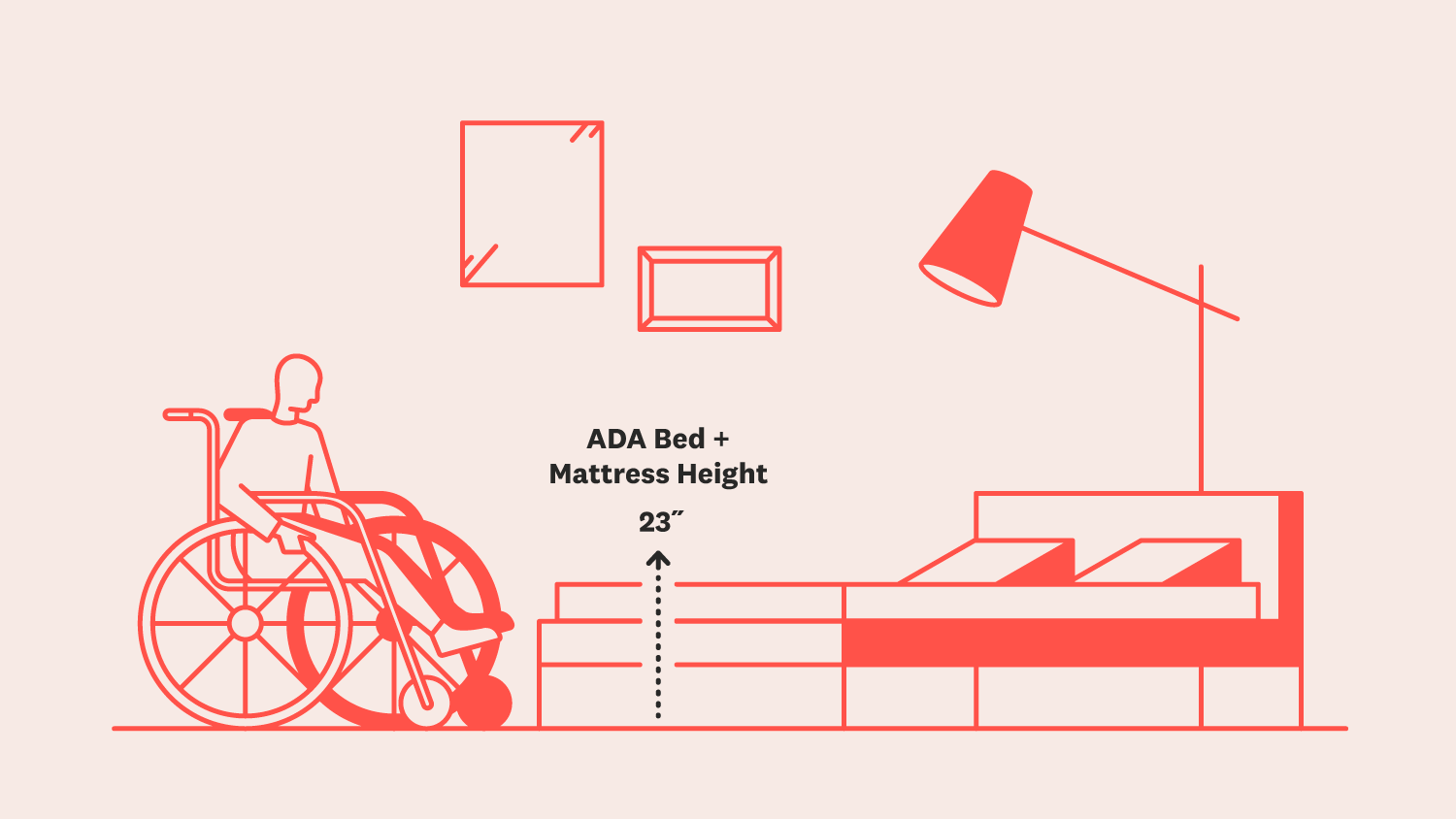
Certain health conditions significantly influence the ideal mattress height for your comfort and safety.
Chronic Pain and Pressure Relief
If you manage joint pain, fibromyalgia, or arthritis, you often need softer, thicker mattresses that provide generous pressure point cushioning. The reduced height of some softer models also makes them more accessible, reducing strain when getting in and out of bed. A shorter, softer mattress typically offers the best combination of accessibility and pain relief. Test how easily you can roll from back to side—difficulty here indicates inadequate pressure relief.
Mobility Aids and Bed Height
Wheelchair or walker users benefit from taller mattresses that facilitate smoother transfers without straining legs or arms. The increased height brings your sleeping surface closer to transfer height, reducing fall risk. If you move between bed and wheelchair multiple times daily, this consideration becomes essential. When testing heights, simulate your transfer process to ensure safety and comfort.
Bed Frame and Foundation Impact
Your mattress height combines with your bed frame to create your total sleeping surface height, affecting both function and aesthetics.
Platform Beds and Mattress Pairings
Platform beds provide direct mattress support without box springs, so mattress thickness determines most of your visible height. Want a sleek, low-profile look? Choose a thinner mattress. Prefer a more substantial appearance? Opt for thicker. Platform beds typically work well with 10-14 inch mattresses, but measure your frame height first. The ideal total height lets you sit with feet flat on the floor and thighs parallel to the ground.
Foundations and Box Springs
Foundations add 4.75-8.75 inches of height while providing additional support. Traditional setups often pair a 10-inch foundation with a 10-12 inch mattress for the classic 30-inch sleeping surface. This height makes entry and exit comfortable for most adults. When shopping, calculate total height (mattress + foundation + frame) to ensure it matches your mobility needs and aesthetic preferences.
Essential Measuring and Sizing Tips
Take these steps before purchasing to ensure your new mattress fits your space and needs.
How to Measure Mattress Height
Place a hard-edge ruler at the mattress’s lower seam and measure to the highest surface point. Include pillow tops or toppers in your measurement, and avoid pressing down while measuring. When shopping online, verify manufacturer specifications include all comfort layers in their height measurement. Don’t assume “12 inches” means what you expect—some brands measure only the support core.
Sheet and Bedding Requirements
Thicker mattresses require deep-pocket sheets designed for higher profiles. Standard sheets may pop off corners or fit poorly, causing discomfort and premature wear. Check sheet pocket depth specifications before purchasing—this simple step prevents frustration later. For mattresses over 14 inches, you’ll need extra-deep pocket sheets (18+ inches).
Budget and Value Considerations
While thinner mattresses cost less upfront, consider long-term value. A quality mattress with at least 50% support core thickness can last up to 10 years. Low-profile models often sag faster under regular use, requiring premature replacement. Calculate cost per year—thicker, higher-quality options frequently prove more economical over time. If you’ve replaced mattresses frequently, investing in proper thickness might solve your durability issues.
Quick Reference Height Guide
Use these guidelines to quickly identify your ideal mattress height:
- Children/bunk beds: 4-8 inches
- Adults under 130 pounds: At least 12 inches
- Average adults (130-230 pounds): 10-12 inches
- Heavier adults (230+ pounds): 12-14+ inches
- Side sleepers: Minimum 12 inches
- Back sleepers: 10-12 inches
- Stomach sleepers: Approximately 10 inches
- Mobility challenges: Lower profiles (8-10 inches)
Making Your Final Decision
Choosing the right mattress height requires balancing your body size, sleep position, health needs, bed frame, and aesthetic preferences. There’s no universal “best” height—only what works best for you. Test options whenever possible, sitting on the edge to assess entry/exit ease, and lying down in your typical sleep position. Calculate total height including frame and foundation, ensuring you can sit with feet flat on the floor. Remember that proper mattress height enhances the performance of materials and construction, contributing to better sleep quality night after night. When you’ve found the right height, you’ll notice the difference in how easily you move in bed and how refreshed you feel each morning.