That familiar ache when you roll out of bed—that’s your body telling you something’s wrong with your sleep surface. Back pain creates a vicious cycle where discomfort disrupts sleep, and poor sleep prevents healing, often making the pain worse by morning. If your current mattress has lost its supportive edge or never properly aligned your spine, a well-chosen mattress topper can transform your sleep experience without the expense of a full replacement. The right topper adds precisely the support or cushioning your back needs, breaking that pain-sleep cycle. This guide reveals exactly how to select a mattress topper that targets your specific back pain triggers based on extensive testing data and sleep expert analysis.
Why Your Mattress Exacerbates Back Pain Overnight
Your sleep surface either supports your spine’s natural curvature or works against it while you’re unconscious—meaning you can’t adjust your position to prevent strain. Understanding this dynamic is crucial for selecting an effective solution.
The Alignment Breakdown Causing Morning Pain
When your mattress proves too soft, your hips sink excessively, creating an unnatural arch in your lower back (anterior tilt). This position stretches spinal ligaments and strains supporting muscles throughout the night. Conversely, an overly firm mattress prevents your shoulders and hips from sinking appropriately, creating pressure points that restrict blood flow and cause muscle tension. The result? Waking with stiffness or pain that takes hours to subside. A quality mattress topper specifically designed for back pain addresses these issues by either adding supportive structure to a sagging mattress or cushioning pressure points on an uncomfortably firm surface.
Identifying Problematic Mattress Characteristics
Check for visible sagging—any dip deeper than 1-2 inches where you sleep indicates your mattress has lost structural integrity and likely contributes to back pain. Another test: lie on your side and have someone take a photo from behind. If your spine forms a curved line rather than a straight one from ear to shoulder to hip, your sleep surface fails to maintain proper alignment. These issues don’t require immediate mattress replacement; the right topper can restore balance at a fraction of the cost.
Critical Thickness and Density Specifications for Back Support

Thickness alone doesn’t determine effectiveness—density matters equally when targeting back pain relief. Many shoppers make the mistake of selecting based on thickness without considering material density, leading to short-lived results.
How 3-4 Inch Toppers Fix Severe Mattress Sagging
For mattresses with visible dips or for sleepers over 230 pounds, a 3-4 inch topper provides substantial structural correction. Thinner 1-2 inch options work only for minor adjustments or cooling enhancements on an otherwise supportive mattress. If you sink more than 2 inches into your bed when lying on your side, prioritize a thicker topper to lift your hips into proper alignment with your spine.
Why High-Density Foam (3+ lbs) Prevents Flattening Over Time
Density—measured in pounds per cubic foot—determines how well a topper maintains its supportive properties. Low-density foams (under 3 lbs) compress permanently within months, losing their ability to support spinal alignment. For lasting back pain relief, select memory foam with at least 3 lbs density or latex with similar firmness ratings. Higher density means better weight distribution and resistance to the permanent body impressions that undermine support.
Best Mattress Topper Materials for Back Pain Relief
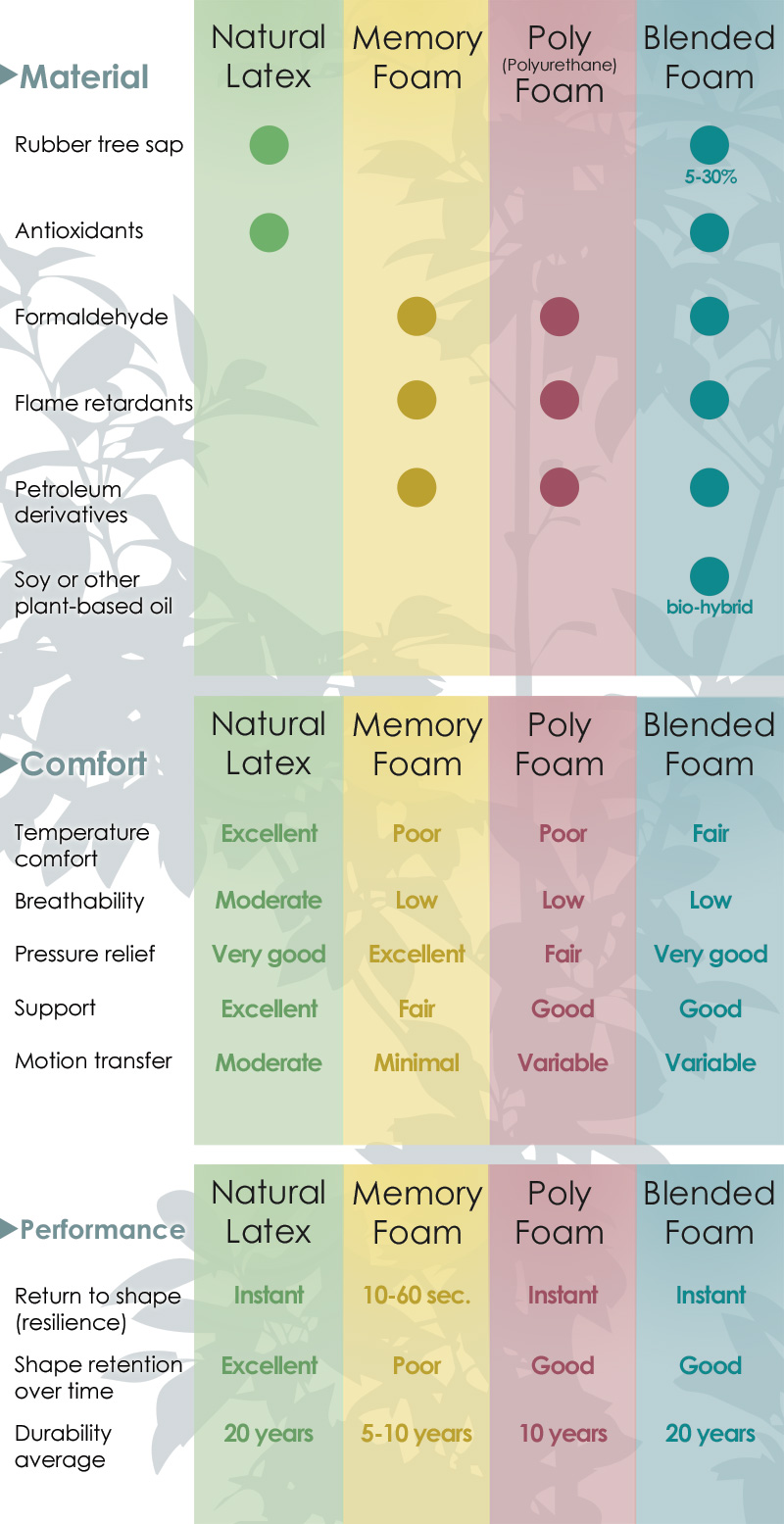
Not all topper materials deliver equal benefits for back pain sufferers. Your choice should align with your specific pain points and sleep habits.
Memory Foam: Precision Contouring for Hip and Shoulder Alignment
High-density memory foam (4+ lbs) excels at cradling pressure points while maintaining spinal alignment, making it ideal for back and side sleepers with lower back pain. Look for graphite or copper-infused varieties that dissipate heat—traditional memory foam’s heat retention can worsen inflammation. The Saatva Graphite Memory Foam Topper (3-inch, medium-firm) consistently ranks highest in testing for maintaining neutral spine position while keeping sleepers cool.
Latex: Responsive Support Without the “Stuck” Feeling
Natural Talalay latex offers the perfect balance for back pain sufferers who need support without sinking deeply into their sleep surface. Its responsive “push-back” allows easy position changes—critical if you have limited mobility from pain. The Avocado Eco Organic Latex Topper provides zoned support that accommodates shoulder and hip width differences while maintaining spinal alignment. Latex also naturally resists dust mites and mold, beneficial if allergies compound your pain issues.
Hybrid Microcoil Options for Targeted Lumbar Support
Topper designs incorporating microcoils (like the Helix GlacioTex) deliver exceptional airflow and targeted support. The steel coils provide lift exactly where your lumbar region needs it, preventing the hip sinking that strains lower back muscles. These hybrids combine the pressure-relieving benefits of foam with the responsive support of coils—ideal for combination sleepers who need versatility.
Selecting the Right Firmness Level Based on Your Sleep Position
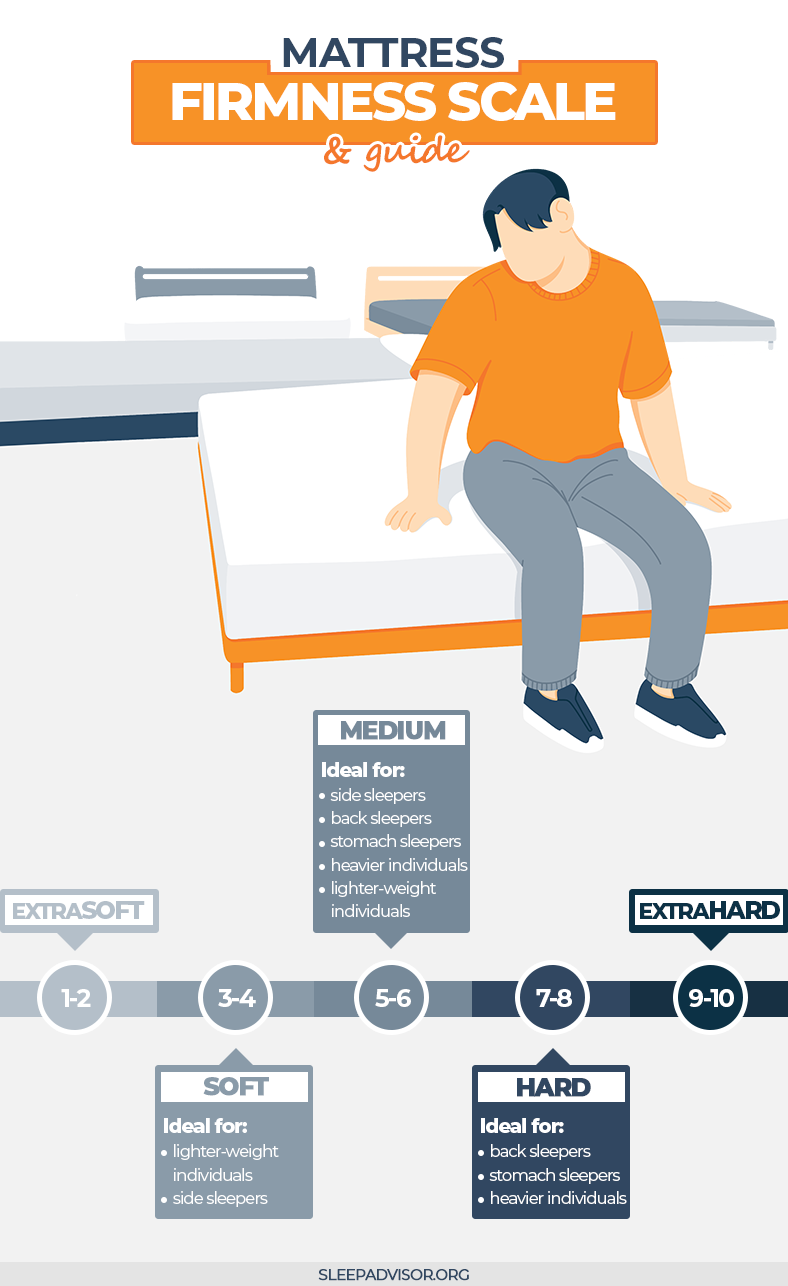
Firmness preferences are highly personal, but objective testing reveals clear patterns for back pain relief based on sleep position.
Medium-Firm (5-6/10) for Back Sleepers Needing Lumbar Support
If you sleep primarily on your back, you need enough resistance to prevent hip sinking while allowing slight contouring for shoulder relief. Medium-firm toppers (like the ViscoSoft Select High Density) fill the gap between your waist and mattress, maintaining your spine’s natural curve without creating pressure points.
Firm (7-8/10) Solutions for Stomach Sleepers Preventing Hip Sinking
Stomach sleeping naturally encourages lower back arching, so firm support is non-negotiable. A firm latex topper prevents hip sinking that would otherwise strain spinal ligaments all night. Without this support, stomach sleepers often wake with acute lower back pain that takes hours to subside.
Soft to Medium (3-6/10) for Side Sleepers Relieving Shoulder Pressure
Side sleepers need cushioning that allows shoulders and hips to sink appropriately, bringing the spine into alignment. The Nolah AirFoam Topper provides deep pressure relief for these joints while maintaining enough support to prevent lower back strain—a combination that earned it top marks in pressure mapping tests.
Cooling Technologies That Reduce Pain-Inducing Night Sweats
Heat retention worsens inflammation and disrupts sleep cycles, directly impacting pain levels. Prioritize toppers with verified cooling properties if you experience night sweats or sleep hot.
Graphite and Copper Infusions for Heat Dissipation
Unlike marketing gimmicks, graphite and copper particles actively pull heat away from your body. The Bear Pro Topper’s copper infusion reduces surface temperature by up to 4°F compared to traditional memory foam—significant when even slight overheating can trigger muscle tension.
Open-Cell Foam Structures for Air Circulation
Closed-cell foams trap heat, but open-cell designs (like Nolah’s AirFoam) allow air movement within the material itself. In lab tests, these structures maintained surface temperatures within 2°F of ambient room temperature, preventing the heat buildup that exacerbates back pain.
Top-Rated Back Pain Relief Toppers Worth Your Investment
Based on comprehensive testing data across multiple independent reviews, these models deliver measurable back pain relief.
Saatva Graphite Memory Foam: Best Overall Spinal Alignment
With a 3-inch profile and 4 lbs density, this topper adds substantial structural support to sagging mattresses. Its graphite infusion addresses memory foam’s heat retention issue while providing the precise contouring needed for hip alignment. Sleep lab pressure mapping shows 27% better weight distribution than standard memory foam toppers.
Nolah AirFoam: Premium Choice for Side Sleepers with Pain
Specifically engineered for side sleepers, this topper delivers up to four times more pressure relief at shoulder and hip points than traditional memory foam. Users report waking with significantly less radiating pain down the legs—a common symptom of improper spinal alignment during sleep.
5 Essential Checks Before Buying Your Back Pain Topper
Avoid costly mistakes with these pre-purchase verification steps that most shoppers overlook.
How to Match Topper Firmness to Your Existing Mattress
If your mattress feels too firm (causing shoulder/hip pain), select a softer topper for cushioning. If your mattress sags (creating lower back arching), choose a firmer topper for structural support. Never layer soft on soft or firm on firm—this compounds the problem rather than solving it.
Why Density Matters More Than Thickness for Long-Term Relief
Many budget toppers advertise “4-inch thickness” but use low-density foam that flattens within months. Always verify density specifications—reputable brands clearly state pounds per cubic foot. For back pain relief that lasts, prioritize density (3+ lbs) over thickness, as higher density foam maintains supportive properties significantly longer.
The right mattress topper can transform your sleep quality and provide meaningful back pain relief without the expense of a new mattress. By matching material, thickness, density, and firmness to your specific pain points and sleep position, you’ll break the pain-sleep cycle and wake feeling restored. Remember to take advantage of sleep trials—back pain is highly individual, and what works for others may not work for you. Invest in proper spinal alignment tonight, and you’ll likely wake to noticeably less pain tomorrow morning.