
Your mattress represents one of the most significant investments you’ll make for your health and well-being, yet it’s often the most overlooked aspect of home care. Since you spend approximately one-third of your life sleeping, understanding how to properly care for your mattress is essential not only for protecting your investment but also for ensuring quality sleep night after night. Proper mattress maintenance can extend the life of your sleep surface by several years, prevent the accumulation of allergens and bacteria, and maintain the supportive properties that contribute to restful, rejuvenating sleep. This comprehensive guide covers everything you need to know about keeping your mattress in optimal condition throughout its useful life.
The care requirements for mattresses vary depending on the type of mattress you own, its construction materials, and how you use it. Whether you have a memory foam mattress, a traditional innerspring model, a latex sleep surface, or a hybrid design, each has specific needs that must be addressed to maximize its lifespan and performance. By following the maintenance procedures outlined in this guide, you can protect your investment and enjoy better sleep for years to come.
Recognize Signs Your Mattress Needs Care
Before diving into maintenance procedures, it’s important to establish realistic expectations about how long mattresses typically last and recognize when attention becomes necessary. On average, most mattresses maintain their supportive and pressure-relieving capabilities for between 7 and 10 years, though this varies significantly based on mattress type, quality, and maintenance routine.
Latex mattresses generally demonstrate the longest lifespan, lasting between 7.5 and 8.5 years on average, with some high-quality models continuing to perform well beyond a decade. Memory foam mattresses typically maintain their integrity for 10 years or longer when properly cared for, while innerspring mattresses traditionally last between 5 and 8 years. Hybrid mattresses, which combine foam comfort layers with innerspring support systems, generally provide reliable service for 8 to 10 years.
Several factors influence how quickly your mattress shows signs of wear. Your body weight and sleeping position significantly impact wear patterns, as heavier individuals and those who consistently sleep in the same position create more pronounced impressions in specific areas. Even with excellent care, mattresses eventually need replacement. Signs that indicate it’s time to focus more attention on maintenance or consider replacement include waking up with pain or stiffness that wasn’t present before, increased tossing and turning throughout the night, visible sagging or permanent indentations where you regularly sleep, and no longer feeling rested when you wake up.
Provide Essential Support Requirements
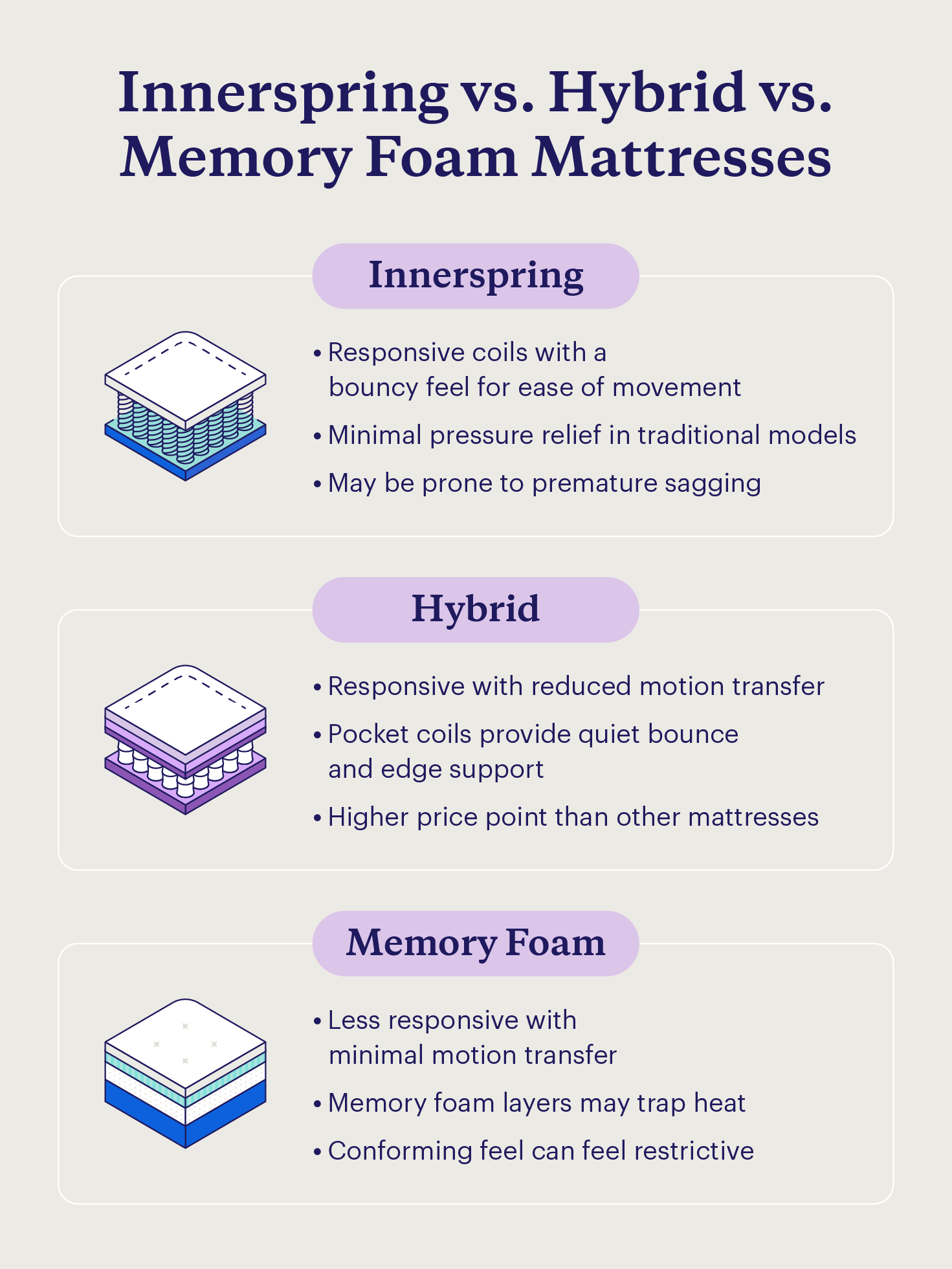
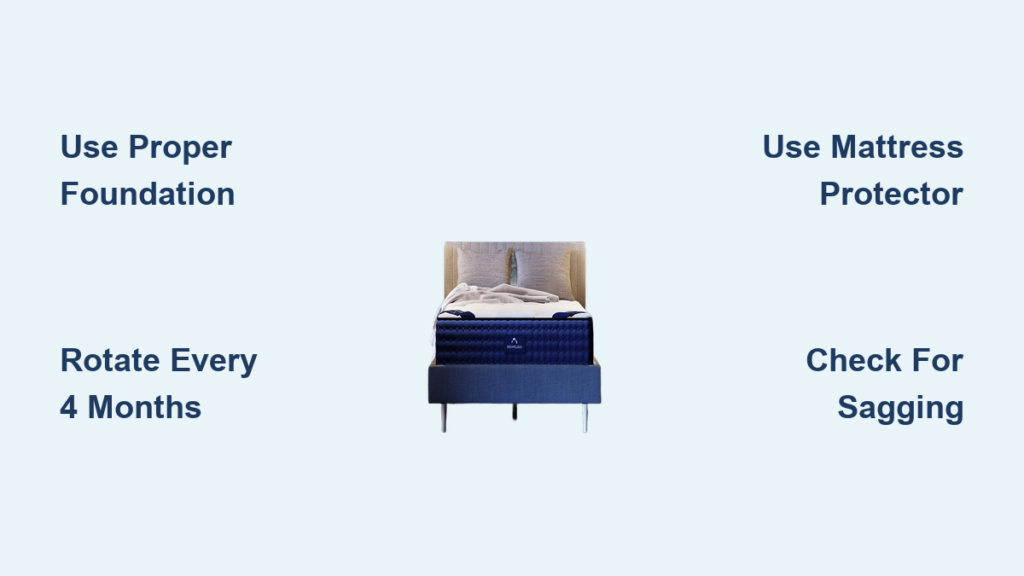
One of the most critical aspects of mattress care involves ensuring your sleep surface has adequate support from below. Mattresses are designed to work in conjunction with specific foundation systems, and using an improper support structure can void your warranty while simultaneously damaging the mattress and reducing its lifespan.
Traditional innerspring mattresses were historically paired with box springs, which provided both bounce and structural support. However, the mattress industry has evolved significantly, and modern foam and hybrid mattresses typically perform better on solid foundations or slatted bed frames. The key consideration is that your support system must adequately distribute weight across the entire sleep surface to prevent uneven wear and maintain proper spinal alignment during sleep.
When selecting a foundation or bed frame, always consult the manufacturer’s recommendations, as these guidelines specify exactly what type of support system will maintain warranty coverage and optimal performance. Heavier or larger mattresses, such as king and queen sizes, often require bed frames with additional center support legs to prevent bowing or breakage along the centerline. Foam mattresses typically require slats that are spaced closely together to prevent the foam from sagging between wider gaps, while innerspring models may tolerate slightly wider slat spacing.
When replacing your mattress, you should seriously consider purchasing a new foundation at the same time, even if your old box spring appears to be in good condition. Mattresses and box springs age together, developing complementary wear patterns that optimize their performance as a system. An old foundation that has developed subtle flaws will transfer those imperfections to any new mattress placed upon it, potentially causing the new mattress to break down faster than it otherwise would.
Rotate and Flip for Even Wear
Mattresses naturally develop slight indentations and impressions in the areas where sleepers consistently rest, creating uneven wear patterns that can lead to premature deterioration and reduced comfort. Rotating your mattress—moving it from head to foot so that the previous foot position becomes the new head position—helps distribute wear more evenly across the sleep surface, extending the mattress’s usable life and maintaining consistent comfort.
The frequency with which you should rotate your mattress depends on its type, age, and construction. For foam, latex, and newer innerspring mattresses, most manufacturers recommend rotation every 6 to 12 months. Older innerspring mattresses, which typically feature more durable construction and simpler designs, benefit from more frequent rotation every 2 to 6 months. Some sources suggest rotating every three months as an optimal schedule, while others recommend seasonal rotation—in spring and fall—as these times are easier to remember and coincide with other home maintenance activities.
Flipping your mattress—turning it over so the bottom surface becomes the top—provides additional benefit for mattresses designed to be flippable. This practice exposes both sides of the mattress to wear, effectively doubling the usable surface and potentially extending the mattress’s lifespan significantly. However, modern mattress construction has largely moved away from symmetrical designs, with most contemporary mattresses featuring a softer comfort layer on top and a firmer support core on the bottom. These mattresses are specifically designed to be used right-side up and should never be flipped, as doing so would place the firm support layer against your body, dramatically reducing comfort and support.
Choose and Use Mattress Protectors

Investing in a quality mattress protector is perhaps the single most effective step you can take to protect your mattress investment. Mattress protectors fit onto your mattress beneath your fitted sheet, creating an invisible barrier that shields the sleep surface from dirt, sweat, dust mites, moisture, and other contaminants that would otherwise penetrate the mattress and accumulate over time.
The primary function of a mattress protector is to keep your mattress clean and dry. Most protectors are waterproof or at least water-resistant, designed to prevent spills, bodily fluids, and other liquids from reaching the mattress surface. This protection proves especially valuable for households with children or pets, where accidents are more likely to occur. Beyond preventing obvious spills, mattress protectors also guard against the gradual moisture accumulation from perspiration that occurs during normal sleep, which can be just as damaging to mattress materials over time.
When high-density polyurethane foam inside a mattress gets damp, it loses its ability to rebound and can compress prematurely, creating permanent impressions and reducing the mattress’s supportive properties. By keeping foam materials dry, a quality mattress protector directly contributes to maintaining the mattress’s structural integrity and comfort for years longer than an unprotected mattress would last.
Most mattress warranties contain clauses that void coverage if the mattress becomes dirty or stained. Using a mattress protector helps maintain warranty coverage by ensuring your mattress remains in like-new condition. When a warranty claim becomes necessary, the ability to demonstrate that the mattress has been properly protected can make the difference between a covered replacement and a denied claim.
Deep Clean Your Mattress Regularly
Regular cleaning extends beyond simply washing your sheets—your mattress itself requires periodic attention to remove accumulated dust, allergens, dead skin cells, and other debris that naturally collect over time. Establishing a consistent cleaning routine keeps your mattress fresh, hygienic, and performing at its best.
Vacuum Your Mattress Every Three to Six Months
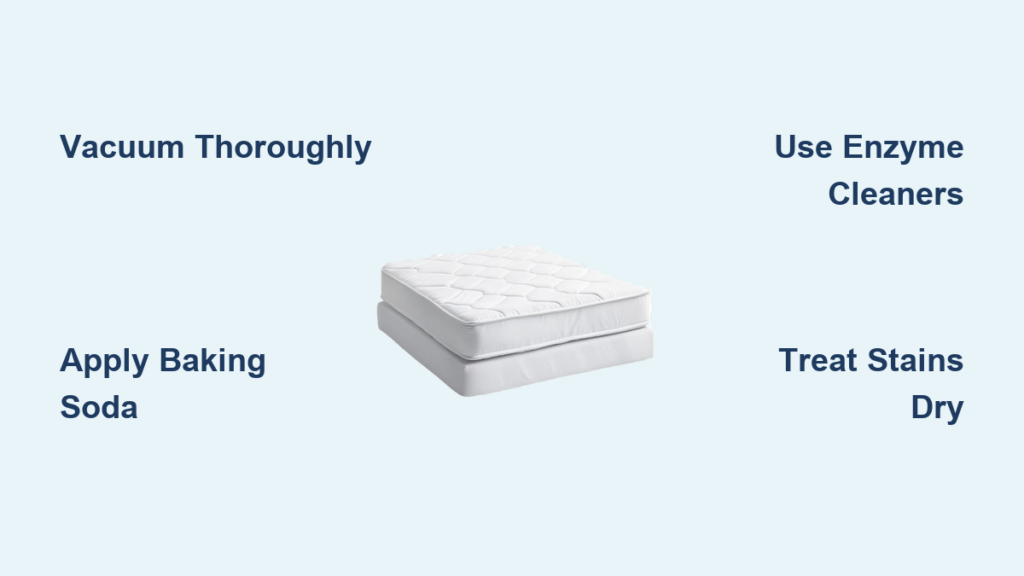
Using your vacuum’s upholstery attachment, gently remove dust, dirt, hair, crumbs, and other debris from the surface, seams, and crevices of your mattress. Pay particular attention to seams and stitching, where dirt and dust tend to accumulate most heavily. The best time to vacuum your mattress is when you’re changing your sheets, as this creates a natural reminder and ensures the task doesn’t get overlooked.
Treat Stains Using the Right Cleaning Solution
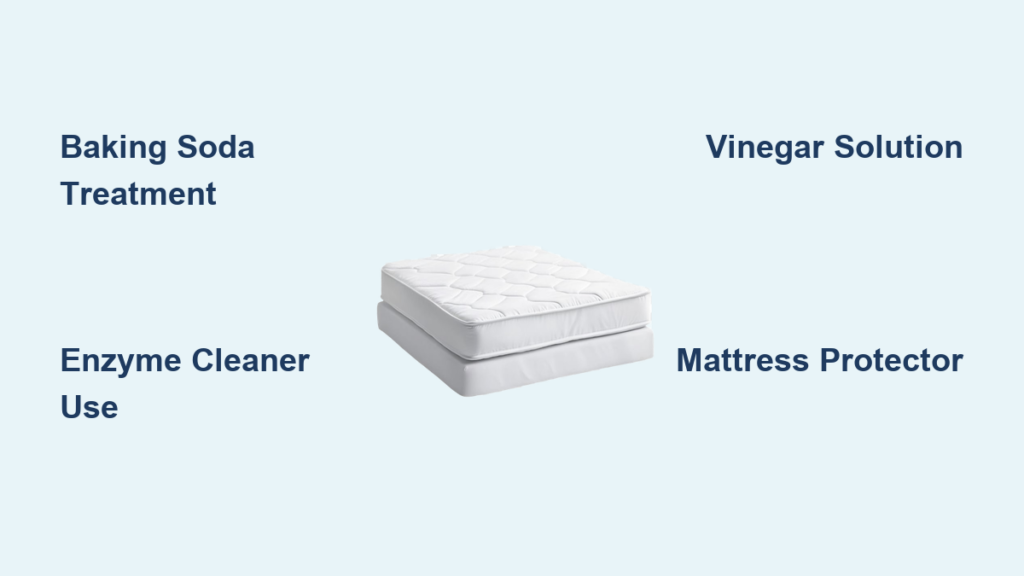
For general spot cleaning, create a mild cleaning solution by mixing warm water with a small amount of mild dish soap or detergent. Dampen a clean cloth with this solution and gently blot the stained area, being careful never to soak the mattress or apply excessive moisture. For tougher stains like urine, mix one cup white vinegar, one cup water, and a few drops of dish soap in a spray bottle. Lightly spray the affected area and allow it to sit for five to ten minutes before blotting.
Dry Your Mattress Completely After Cleaning
After treating a stain, allow the mattress to dry completely before making the bed again. Placing a wet or damp mattress back on your foundation can promote mold and mildew growth and damage the internal materials. Open windows, run fans, or use a hair dryer on a cool setting to speed the drying process. Never apply heat directly to foam materials.
Handle Spills and Stains Promptly
When a spill happens, immediate action is critical. Use paper towels or clean cloths to blot up as much liquid as possible, working from the outside of the spill toward the center to prevent the liquid from spreading. Avoid rubbing or scrubbing, as this forces the liquid deeper into the mattress materials and can damage fibers or foam.
For urine stains and odors, after blotting up as much urine as possible, apply your vinegar cleaning solution and allow it to sit for five to ten minutes. Blot the area again with clean cloths, repeating the process until the stain and odor are no longer visible. Once the area is clean, sprinkle baking soda over the affected spot and allow it to sit for several hours or overnight to absorb any remaining odors. Vacuum the baking soda thoroughly and allow the mattress to dry completely before making the bed.
Follow Type-Specific Care Guidelines
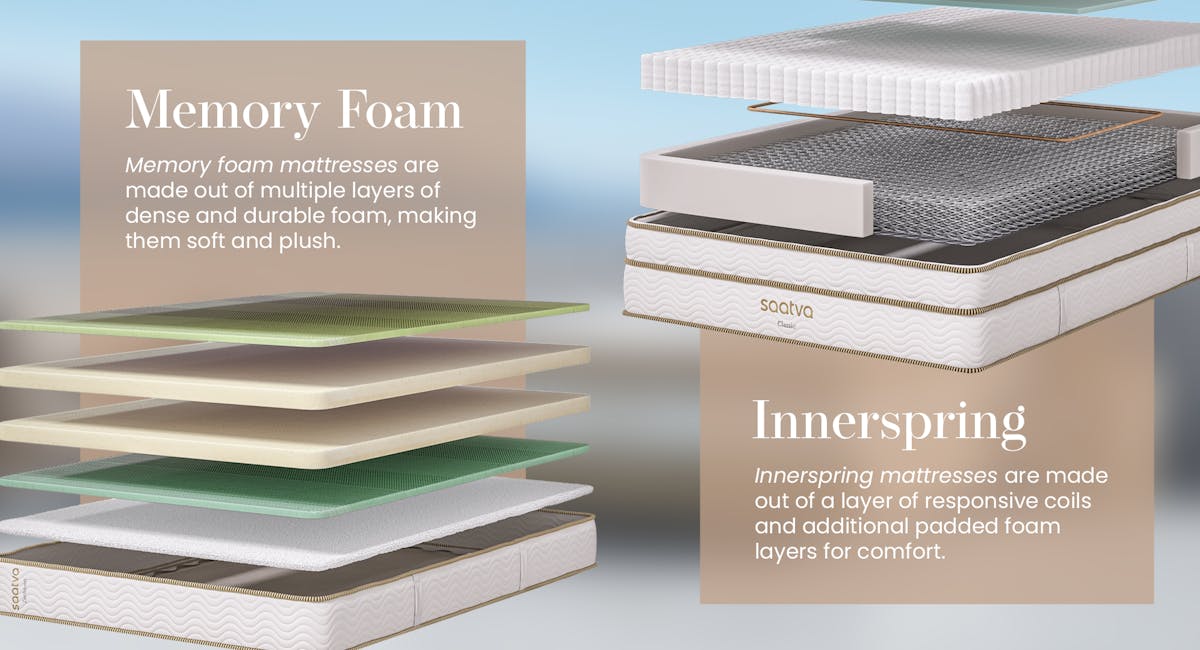
Different mattress materials have different care requirements, and understanding these differences helps you provide optimal maintenance for your specific sleep surface.
Memory Foam Mattress Care Protocol
Avoid using harsh chemicals when cleaning, as these can degrade the foam. Use mild soap and water only. Ensure the mattress is well-supported to prevent sagging, which memory foam is particularly susceptible to. Maintain a cool bedroom temperature, as memory foam can be sensitive to high heat that may cause the material to soften excessively.
Latex Mattress Maintenance
Keep latex mattresses dry and clean up spills immediately with a damp cloth and mild soap. Avoid direct sunlight exposure, which can degrade natural latex over time. Regular rotation helps ensure even wear across the sleep surface. The inherent breathability of latex makes it less prone to moisture buildup than some other materials.
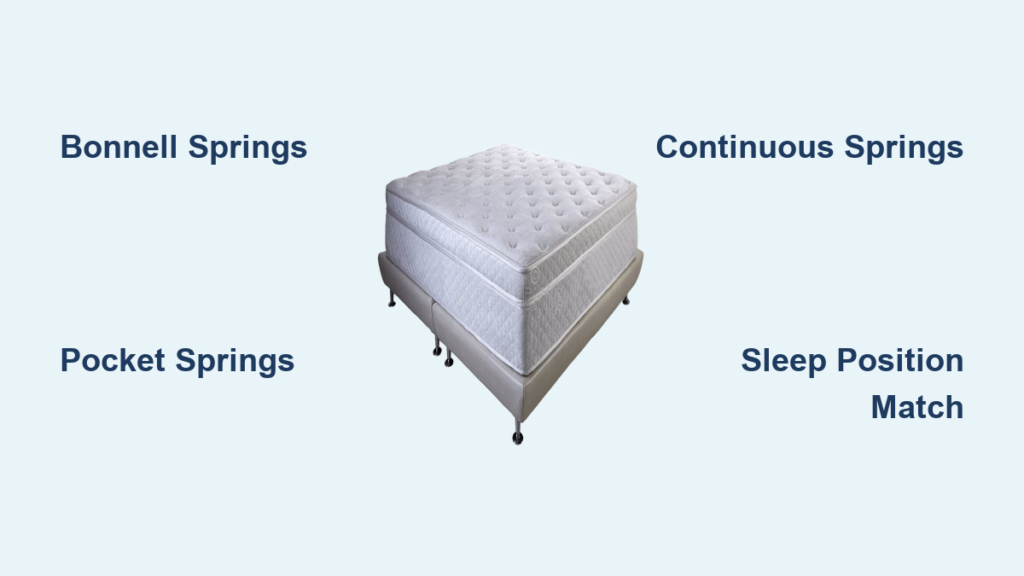
Innerspring Mattress Care
Ensure adequate support from a proper foundation, as damaged or inadequate support can cause springs to sag or break prematurely. Regular rotation helps prevent uneven wear that can lead to visible body impressions. Avoid jumping or walking on the mattress, which can damage internal coil systems.
Avoid Common Care Mistakes
Never dry clean your mattress or use harsh chemical cleaners, as the chemicals can damage fabric and underlying materials. Avoid bending, folding, or otherwise manipulating your mattress in ways it wasn’t designed to handle. Most mattresses contain border wires or internal support structures that are not meant to be bent.
Never jump on your mattress, even though it might seem like fun. This activity damages internal construction and can cause injury to both the mattress and the person jumping. Similarly, avoid standing or walking on your mattress when changing light bulbs or performing other household tasks. Use a proper step stool or ladder instead.
Don’t place your mattress directly on the floor, as this traps moisture and prevents adequate airflow, creating conditions that promote mold and mildew growth. Always use a proper bed frame or foundation that allows air circulation beneath the mattress.
Protect Your Warranty Investment
Most mattress warranties protect against manufacturing defects that become apparent during normal use. Warranty coverage typically requires that the mattress be used with an appropriate foundation as specified by the manufacturer. Using an improper foundation or support system can void warranty coverage even if the resulting damage would otherwise be covered.
Mattresses that become dirty, stained, or damaged through improper care often fall outside warranty protection, as warranties generally cover manufacturing defects rather than damage from use or neglect. Keep your warranty documentation in a safe place and refer to it when questions arise about proper care procedures or coverage eligibility.
Enjoy Years of Quality Sleep
Caring for your mattress properly requires a combination of regular maintenance tasks, protective measures, and informed decision-making about support and cleaning. By implementing the practices outlined in this guide, you can significantly extend your mattress’s lifespan while maintaining the comfort and support that quality sleep requires.
The most important maintenance tasks include rotating your mattress according to manufacturer recommendations, using a quality waterproof mattress protector, ensuring proper foundation support, vacuuming regularly, and addressing spills and stains promptly. Weekly sheet changes, periodic baking soda treatments, and seasonal ventilation complement these core practices to keep your sleep environment fresh and hygienic.
Pay attention to signs that your mattress may be reaching the end of its useful life, such as visible sagging, lumps, or changes in how it feels when you sleep. While proper care can extend mattress life significantly, all mattresses eventually need replacement. When that time comes, remember to consider a new foundation along with your new mattress to ensure optimal performance from your investment.
Your mattress is the foundation of good sleep, and good sleep is foundational to health and well-being. By treating your mattress with the care and attention it deserves, you protect not only a significant financial investment but also your most important resource for daily vitality and long-term health.