
College dormitory mattresses differ significantly from the mattresses you might find in your family home, and understanding these differences proves essential when you’re preparing to move into campus housing. The standard thickness for dorm mattresses falls between 6 and 8 inches, a specification that represents a deliberate design choice made by college housing administrators across the United States. This narrower thickness range creates important implications for everything from sheet shopping to sleep comfort during your college years. Whether you’re a freshman moving into your first dorm room or an upperclassman looking to improve your sleeping setup, knowing exactly how thick dorm mattresses are will help you make smarter purchasing decisions and avoid costly fitting mistakes.
The 6 to 8-inch thickness standard exists for practical reasons that benefit both students and institutions. While residential mattresses typically range from 10 to 14 inches (or even thicker for premium models), dorm mattresses occupy the lower end of the spectrum by design. This difference might seem minor on paper, but it translates to a noticeably firmer and less cushioned sleeping surface that many students need time to adjust to. Fortunately, understanding these specifications opens up effective strategies for enhancement, from mattress toppers that add crucial cushioning to fitted sheets specifically designed for the Twin XL dimensions that dominate college housing. This guide covers everything you need to know about dorm mattress thickness, from the specifications themselves to practical solutions for achieving comfortable sleep throughout your college years.
Dorm Mattress Thickness Standard: 6 to 8 Inches Exactly
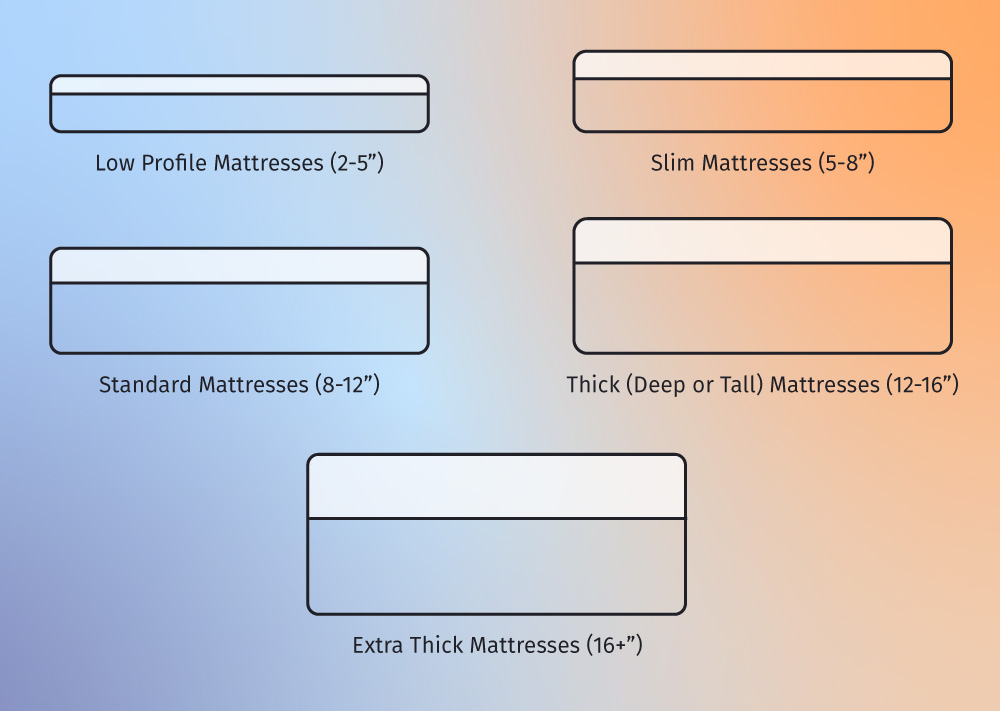
Your dorm mattress will measure precisely between 6 and 8 inches from top to bottom, with most institutions falling somewhere within this narrow range. This vertical measurement captures the entire mattress structure, including both comfort layers and support components combined. When you move into your dorm room, you’ll find that your mattress sits firmly against the bed frame without the plush “sink” you might experience on thicker home mattresses.
This specific thickness range isn’t arbitrary—it results from careful balancing of multiple factors that college housing departments must consider when outfitting hundreds or thousands of beds. Thinner mattresses cost less to manufacture and ship, allowing institutions to stretch limited housing budgets further while still providing acceptable sleeping surfaces. The simpler construction of these thinner mattresses also makes them more durable against the repeated handling that occurs as students move in and out annually. While you might initially miss the plush feel of your home mattress, understanding why dorm mattresses stay thin helps you adjust expectations and plan effective comfort solutions.
Why Home Mattresses Feel So Different
The difference between your dorm mattress thickness and your home mattress becomes immediately apparent when you return home for breaks. While your dorm mattress measures a compact 6 to 8 inches, the mattress in your childhood bedroom likely ranges from 10 to 14 inches—sometimes even thicker for premium models. This 4 to 8 inch disparity creates a noticeable difference in sleeping experience that catches many students off guard during their first few weeks at college.
Residential mattress construction prioritizes comfort and luxury, incorporating multiple layers of foam, pocketed coils, and specialized comfort materials that add substantial height. Dorm mattress construction prioritizes durability, space efficiency, and cost-effectiveness, resulting in simpler designs with fewer layers. The firmer, thinner construction of dorm mattresses can feel starkly different from what students experience at home, particularly for those accustomed to plush, pillow-top mattresses that allow significant body impression. This comparison matters because it sets realistic expectations—students who understand that their dorm mattress will feel different can plan accordingly rather than assuming something is wrong with their new sleeping surface.
Twin XL Dimensions: The Critical Size Factor
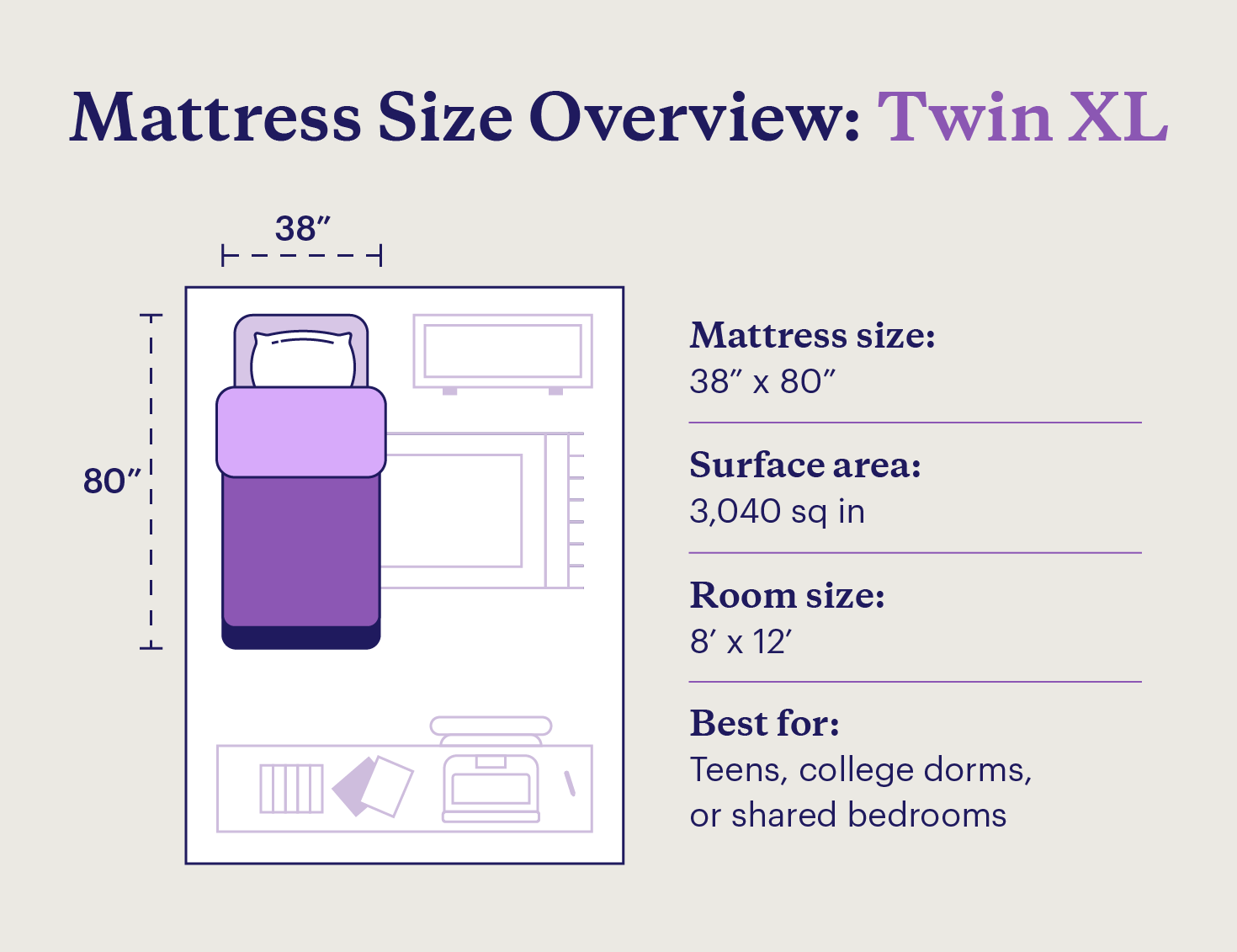
Beyond thickness, the overall dimensions of dorm mattresses create important considerations for proper bedding selection. The vast majority of college dormitories utilize Twin XL size mattresses rather than standard twin dimensions, measuring 39 inches in width by 80 inches in length. This provides approximately 5 inches of additional length compared to a standard twin mattress that measures only 75 inches long.
This extra length proves essential for college-aged individuals, many of whom have grown taller than the population for whom standard twin mattresses were originally designed. A 6-foot-tall student would find their feet hanging off the end of a standard twin mattress, while the Twin XL’s 80-inch length accommodates most students comfortably. The width specification matters equally—standard twin sheets measuring 39 by 75 inches will not fit Twin XL mattresses, leaving you fighting with corners that refuse to stay secured or impossible-to-close openings. When shopping for dorm bedding, you must specifically seek products labeled “Twin XL” or “college twin” rather than assuming standard twin products will work.
Confirm Your College’s Exact Mattress Specifications
Although Twin XL represents the predominant standard across college campuses, students should recognize that variation exists between institutions. Some colleges may utilize mattresses at the thinner end of the 6 to 8-inch spectrum, while others might provide slightly thicker options approaching the 8-inch maximum. Similarly, while increasingly rare, some older dormitory buildings may still utilize standard twin dimensions rather than Twin XL.
The most reliable approach involves contacting your college’s housing department before purchasing bedding. Many institutions publish detailed housing guides that specify exact mattress dimensions, and some even recommend specific bedding products that fit their particular mattress specifications. Taking a few minutes to verify these details before shopping prevents the frustration of purchasing sheets or protectors that don’t fit when you arrive for move-in. If direct verification isn’t possible, prioritize flexible options like sheets with extra stretch that accommodate slightly thicker mattresses rather than risking incompatible purchases.
Why Colleges Choose Thin Mattresses: Space and Budget
:max_bytes(150000):strip_icc()/SPR-dorm-organization-ideas-5323709-hero-528b0a824b324ec999f6f5ab34ad17b3.jpg)
College housing departments deliberately select thinner mattresses for reasons that benefit students even if the immediate comfort tradeoff feels significant. Space efficiency ranks among the primary reasons—dormitory rooms represent some of the most compact living spaces most students will encounter, with room dimensions often measuring no more than 12 feet by 12 feet. Every inch of available space requires thoughtful utilization, and thinner mattresses contribute to overall space optimization by reducing visual bulk and potentially allowing greater clearance under lofted or bunked bed configurations.
The economic factors driving thinner mattress selection extend beyond initial purchase price. Thinner mattresses cost less to ship and store, and their simpler construction typically means lower repair costs when damage occurs. For institutions that maintain mattress replacement cycles spanning multiple decades, the cumulative cost savings become substantial, freeing housing funds for other campus improvements. The durable construction of thinner dorm mattresses also emphasizes longevity over plush comfort, designed to maintain structural integrity despite varied care levels and repeated physical handling throughout their service life.
How Thin Dorm Mattresses Affect Your Sleep Quality
The firmer baseline created by thinner dorm mattress construction affects sleep quality in ways that vary depending on your sleep position, body type, and personal preferences. Firmness characteristics of dorm mattresses typically trend toward the firmer end of the spectrum, with fewer cushioning layers between your body and the mattress support structure. This firmer construction can actually benefit back and stomach sleepers by promoting more consistent spinal alignment, as the surface doesn’t allow excessive sinking that can create curvature in the spine.
However, side sleepers often find the firmer baseline uncomfortable, particularly around the shoulders and hips where pressure points benefit from additional cushioning. The temperature regulation characteristics of thinner dorm mattresses often prove advantageous in the dormitory environment, as they typically include fewer heat-trapping components than thicker residential mattresses. This results in more breathable designs that allow air circulation throughout the night—particularly relevant given the variable thermal environments of dormitory buildings. Adjustment periods are normal when transitioning to dorm mattress thickness, with students typically needing two to four weeks to adapt to the firmer dorm baseline.
Transform Your Dorm Mattress With These Comfort Upgrades
The most effective strategy for transforming thin dorm mattress comfort involves adding a quality mattress topper that introduces cushioning layers the original mattress lacks. Toppers ranging from 2 to 4 inches in thickness can substantially alter your sleeping experience. Memory foam toppers have emerged as particularly popular because they conform to your body contours, creating personalized support that distributes pressure evenly across the sleeping surface. For side sleepers struggling with shoulder and hip pressure on firm dorm mattresses, a memory foam topper can transform uncomfortable pressure points into comfortable cradling support.
Latex toppers offer an alternative for students seeking similar contouring benefits with different material characteristics. Natural latex provides responsive contouring that pushes back slightly against your body rather than allowing deep sinking like memory foam. This responsiveness can feel more supportive for some sleepers and reduces the “stuck” feeling that some students experience when they prefer to change positions throughout the night. Cooling gel-infused toppers address temperature concerns for students who tend to sleep warm, incorporating phase-change materials that help dissipate body heat.
Complete Your Comfort System With Essential Accessories
Beyond mattress toppers, your complete bedding system significantly influences overall sleep comfort. High-quality cotton or microfiber sheets can soften the sleeping surface and regulate temperature effectively throughout the night. Cotton sheets breathe naturally and soften progressively with use, while microfiber sheets offer competitive pricing and easy care that appeals to busy students.
Pillow selection proves particularly impactful for sleep quality on firmer dorm mattresses. The thinner, firmer baseline means your pillow carries more responsibility for maintaining proper spinal alignment, especially for side sleepers who need adequate cervical support to prevent neck strain. Mattress protectors serve essential functions that indirectly support sleep quality by shielding your mattress from moisture, allergens, and general wear. For students with allergies, hypoallergenic mattress covers provide a protective barrier that reduces exposure to common allergens.
Smart Shopping Guide for Dorm Mattress Bedding
Confirm specifications before purchasing anything—many colleges publish housing guides that detail room dimensions and mattress specifications. Budget considerations for dorm mattress enhancement require strategic thinking: the thinner dorm mattress baseline creates both challenges and opportunities. While you may need to invest in toppers or enhanced bedding to achieve comfortable sleep, Twin XL bedding accessories typically cost less than corresponding king or queen size products.
Long-term planning makes dorm mattress investments more economical. Students planning to occupy dormitory rooms for multiple years should consider how their bedding selections will perform over extended use. Mattress toppers experience compression and wear that gradually reduces their effectiveness, meaning products selected during freshman year may require replacement by junior or senior year. Investing in quality components initially often proves more economical than replacing cheaper alternatives multiple times throughout the college experience.
Key Dorm Mattress Thickness Facts You Must Know
Dormitory mattresses consistently fall within the 6 to 8-inch thickness range across virtually all college housing, with most institutions providing Twin XL dimensions of 39 inches by 80 inches. This thickness specification represents a deliberate design choice prioritizing space efficiency, cost-effectiveness, and durability over the enhanced comfort that thicker residential mattresses offer. The thinner baseline creates a firmer sleeping surface that may require adjustment for students accustomed to plush home mattresses, but the difference also enables the multi-functional furniture arrangements that make compact dormitory rooms livable.
Students can effectively compensate for thinner dorm mattress construction through strategic use of mattress toppers, quality bedding, and appropriate pillows. The key to success lies in understanding your specific dorm mattress specifications before purchasing accessories, selecting products designed for Twin XL dimensions and the appropriate thickness range, and investing in quality components that will maintain their comfort properties throughout your college years. With the right approach, even the thinnest dorm mattress can support restful sleep that contributes to your academic success and overall wellbeing during your time at college.