Your mattress topper silently absorbs sweat, dead skin cells, and oils every night you sleep—yet most people have no idea how often to wash mattress topper surfaces to maintain a healthy sleep environment. Without proper cleaning, these hidden contaminants create a breeding ground for dust mites and bacteria that can trigger allergies, cause unpleasant odors, and significantly shorten your topper’s lifespan. The average person releases nearly a pint of moisture through sweat and respiration each night, much of which penetrates into your topper’s fibers. This comprehensive guide reveals exactly how often to wash mattress topper materials based on your specific household situation, material type, and health needs—so you can protect your investment and sleep cleaner.
Optimal Washing Intervals for Every Household
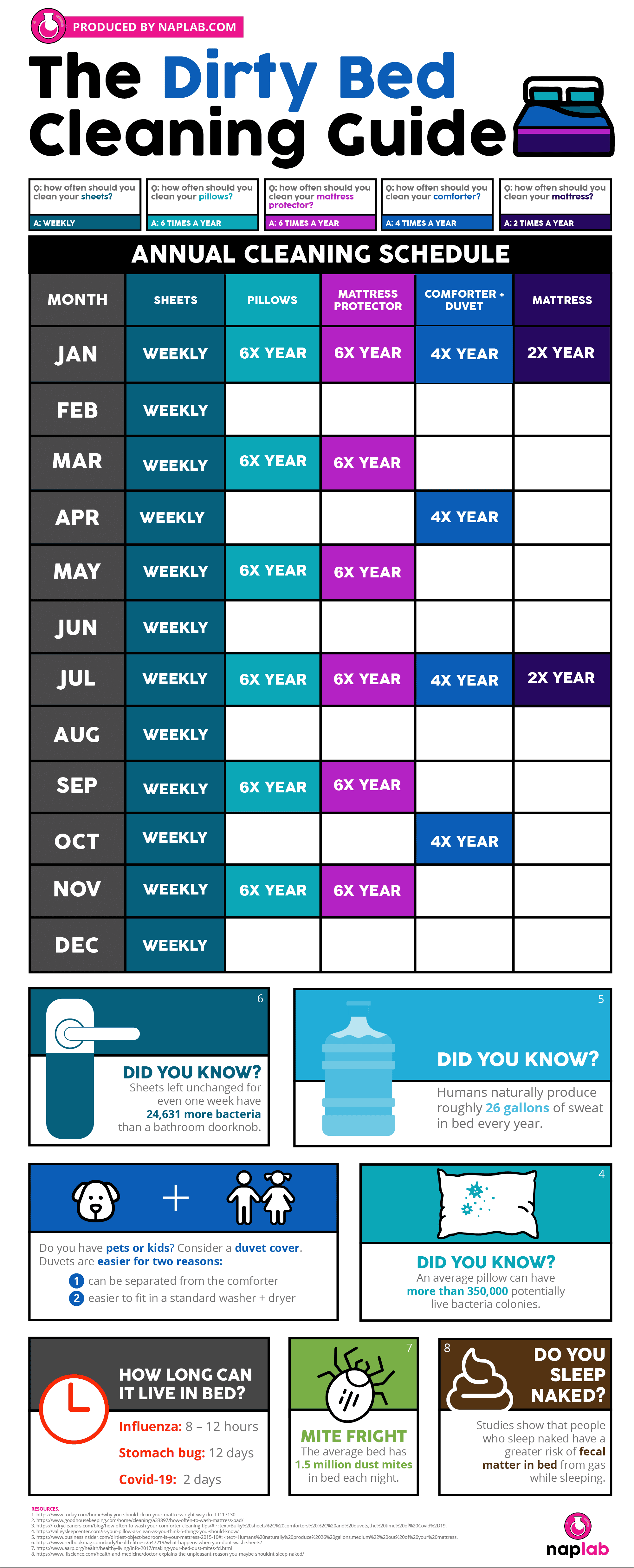
Cleaning frequency varies dramatically depending on who shares your bed and their specific needs. Following the right schedule prevents unnecessary wear from overwashing while ensuring proper hygiene for your sleep environment.
Standard Households Without Special Circumstances
Healthy adults without pets or children can maintain optimal hygiene with moderate cleaning schedules. Vacuum your mattress topper monthly to remove surface dust and dead skin before contaminants penetrate deeper. Schedule full washing every four to six months, assuming you consistently use a quality mattress protector and maintain good bedroom ventilation. Households that skip protective barriers or have poor air circulation should target the four-month mark rather than stretching to six months. The key is balancing thorough cleaning with material preservation—overwashing degrades foam and fibers faster than necessary.
Families with Children
Children dramatically increase contamination risks through spills, nighttime accidents, and extra sweat. Parents should wash mattress toppers every two to three months minimum, with immediate spot cleaning for any accidents. For children with bedwetting issues or heavy sweating, increase vacuuming to monthly and deep clean quarterly. Many families find seasonal cleaning—once per season—provides a manageable routine that ensures adequate cleanliness without becoming overwhelming. The critical factor is consistency; sporadic cleaning followed by long neglect creates more hygiene problems than regular maintenance.
Pet-Owning Households
Pets that sleep in your bed introduce unique cleaning challenges that demand intensive attention. Vacuum weekly with a HEPA-filter attachment to capture pet dander and fur, then schedule full washing every one to two months. Pet dander penetrates deep into topper materials and triggers allergies even when pets don’t directly touch the bed. The ammonia in pet urine can permanently damage topper materials if not addressed immediately after accidents. Even well-trained pets track in outdoor contaminants continuously, making this rigorous schedule essential for maintaining both hygiene and your topper’s structural integrity.
Allergy and Asthma Sufferers
Individuals with respiratory sensitivities need more rigorous cleaning than the general population. Dust mites, pollen, and other allergens accumulate in toppers and trigger symptoms even in seemingly clean environments. For allergy sufferers, vacuum monthly with a HEPA-filter vacuum and wash every one to two months minimum. Some healthcare providers recommend cleaning every three to four weeks during high-allergy seasons. Pair this schedule with an allergen-proof mattress protector for maximum protection—this combination reduces direct exposure to triggers while extending the time between deep cleans of the topper itself.
Single Adults Living Alone
Solo sleepers without pets or children can extend cleaning intervals somewhat compared to larger households, though the two to six month guideline still applies. With reduced contamination from fewer people, cleaning every four to six months works under ideal conditions. However, personal sleep habits and bedroom environment significantly impact this timeline. Rather than strictly following a calendar, pay attention to signs that cleaning is needed—changes in sleep quality, increased allergy symptoms, or musty odors should prompt immediate action regardless of when you last cleaned.
Material-Specific Cleaning Requirements
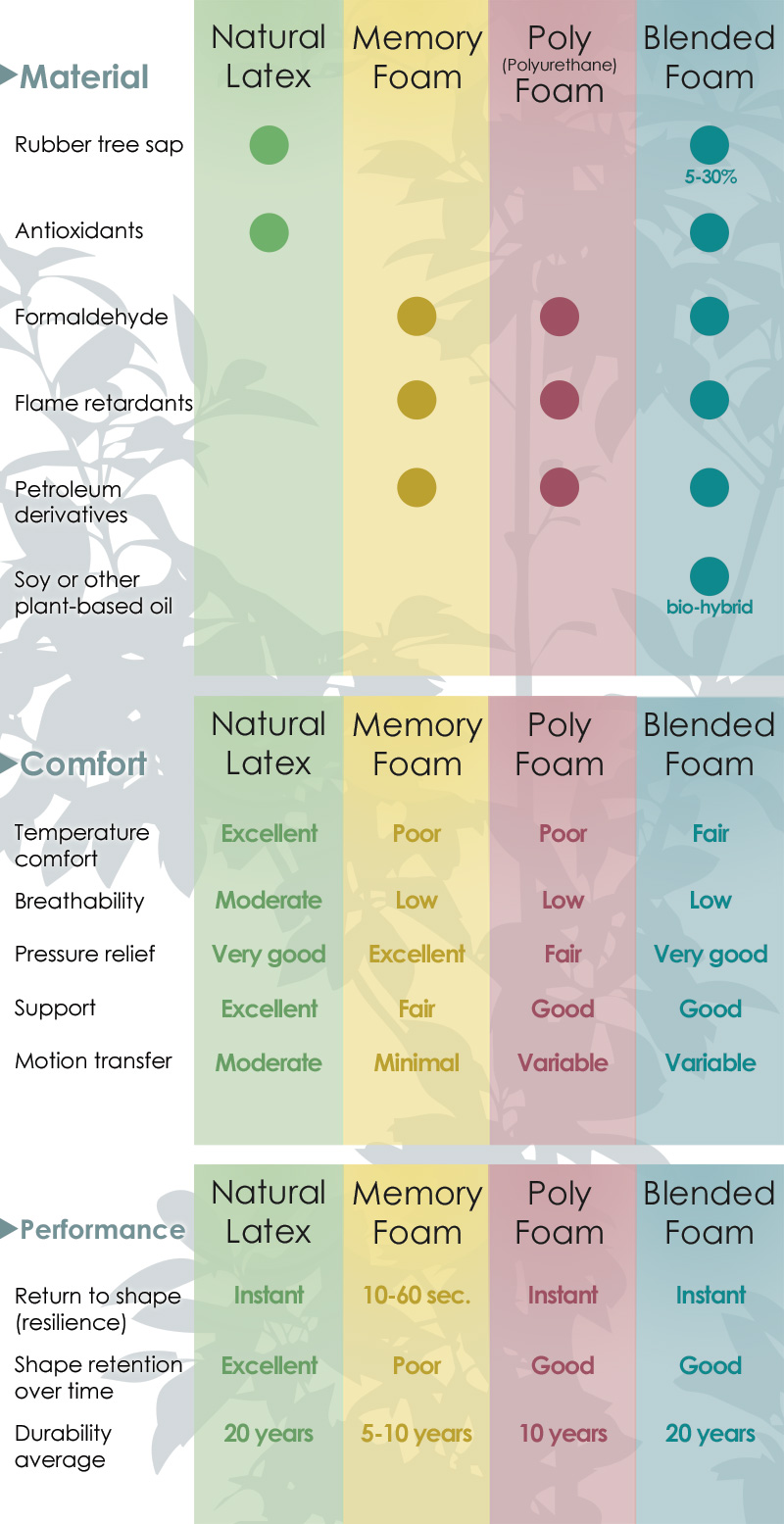
Different topper materials require dramatically different care approaches. Using the wrong method can permanently damage your investment, so always verify manufacturer instructions before proceeding.
Memory Foam Cleaning Frequency
Memory foam demands careful handling due to its dense structure and moisture sensitivity. Machine washing is generally unsafe as agitation can rupture foam cells. Vacuum monthly with reduced suction and spot clean with mild detergent solutions. Deep clean every three to four months using hand washing in lukewarm water if permitted. Memory foam retains moisture longer than other materials, requiring 24-48 hours of thorough air drying in well-ventilated areas. Any residual moisture leads to mold growth that permanently damages the foam and creates health hazards.
Latex Topper Care
Natural latex offers superior durability and moisture resistance compared to many alternatives. Most latex toppers handle machine washing on gentle cycles with cold water, though hand washing extends longevity. Wash every three to four months for normal use, increasing frequency with children or pets. Latex’s natural resistance to dust mites and mold makes it ideal for allergy sufferers, though regular cleaning remains essential. The material’s resilience allows it to maintain support through more cleaning cycles than memory foam.
Feather and Down Considerations
Feather and down toppers require specialized care to prevent clumping and mildew. Professional cleaning every two to three years is typically recommended, with monthly fluffing and quarterly surface cleaning between professional sessions. Machine washing is risky—only attempt with gentle cycles, cold water, and thorough drying with tennis balls to prevent clumping. Incomplete drying causes mildew and persistent odors, which is why many manufacturers specifically recommend professional services for these delicate materials.
Cotton Topper Washing
Cotton toppers offer excellent washability and handle regular machine cleaning without damage. Wash every two to three months with monthly vacuuming between sessions. Cotton’s breathability helps it dry quickly and resist mildew better than denser materials. Organic cotton may have specific requirements, so always check care labels. Cotton generally tolerates higher washing temperatures that remove allergens more effectively, though balance this against potential shrinkage for best long-term results.
Synthetic Polyester Toppers
Synthetic toppers like polyester provide the most straightforward cleaning requirements. Machine wash on gentle cycles with warm or cold water and dry on low heat. Clean every two to three months with monthly vacuuming maintaining surface cleanliness. Synthetics dry faster than natural materials, reducing mildew risk during cleaning. However, synthetic fibers attract more dust and debris over time due to static electricity, making regular vacuuming particularly important.
Warning Signs Your Topper Demands Cleaning
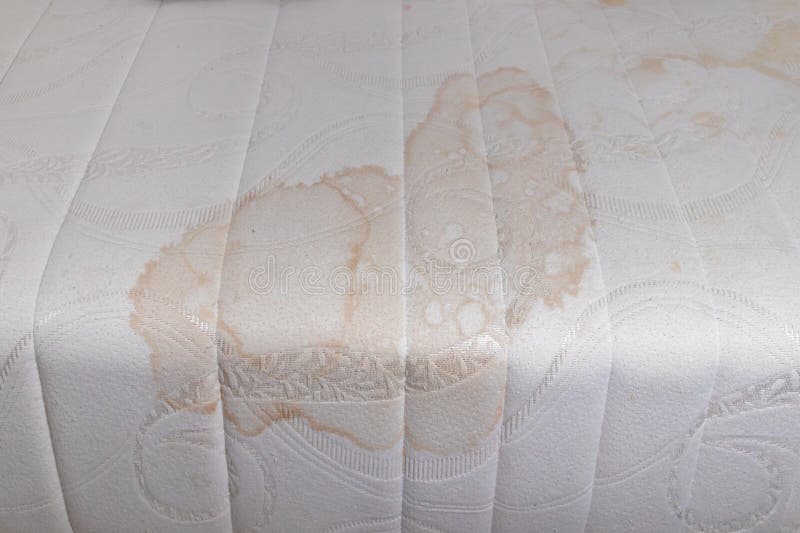
Pay attention to these specific indicators rather than strictly following a calendar schedule.
Visual Red Flags
Visible discoloration, yellowing, or staining indicates accumulated sweat, oils, and contaminants penetrating the fibers. These stains typically appear first at pressure points like head and hip areas. Significant dust accumulation along edges, seams, and crevices signals deep contamination beyond normal surface levels. This debris contains dead skin cells and dust mite waste that contribute to allergy symptoms—you need immediate cleaning regardless of your schedule.
Odor Indicators
Musty, stale, or unpleasant odors emanating from your mattress topper indicate moisture retention, mold growth, or accumulated bacteria. These odors often develop gradually and become noticeable only after moving the topper or in certain humidity conditions. Any persistent odor suggests overdue cleaning, with thorough drying being particularly important if moisture is suspected as the cause.
Health and Comfort Symptoms
Waking with increased allergy symptoms, congestion, or itchy eyes may indicate allergen accumulation in your sleep surface. Noticeable changes in comfort, including new lumps, bumps, or uneven surfaces, often correlate with deep contamination. Skin irritation or morning breakouts may also relate to bacteria on the sleep surface. These symptoms frequently improve when sleeping elsewhere, confirming your topper needs immediate attention.
Complete Cleaning Process Step by Step
Proper cleaning involves specific techniques to maximize effectiveness while preventing damage.
Preparation Phase
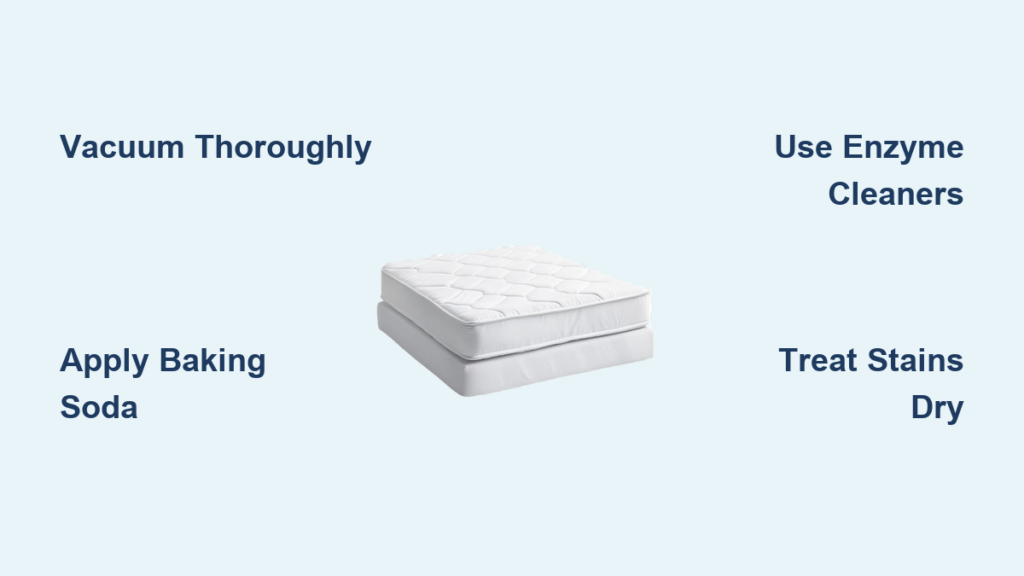
Remove all bedding and vacuum thoroughly with an upholstery attachment before introducing moisture. Inspect the care label to confirm appropriate cleaning methods—this prevents accidental damage during the process. Gather mild detergent without dyes or fragrances, stain remover if needed, clean towels for blotting, and adequate drying space. Taking these preparation steps ensures effective cleaning without compromising your topper’s integrity.
Drying for Prevention
Proper drying prevents mildew and moisture damage that can ruin your topper. Air drying in well-ventilated areas is preferred for most materials, requiring 24-48 hours for thicker toppers. Place the topper where air circulates freely—outdoors in shade or in a room with fans and open windows. For machine-dryable toppers, use low heat settings and add tennis balls to prevent clumping. Check for complete dryness throughout the topper before returning it to service—any residual moisture leads to mold growth.
Maintenance Strategies Between Cleanings
Mattress Protector Usage
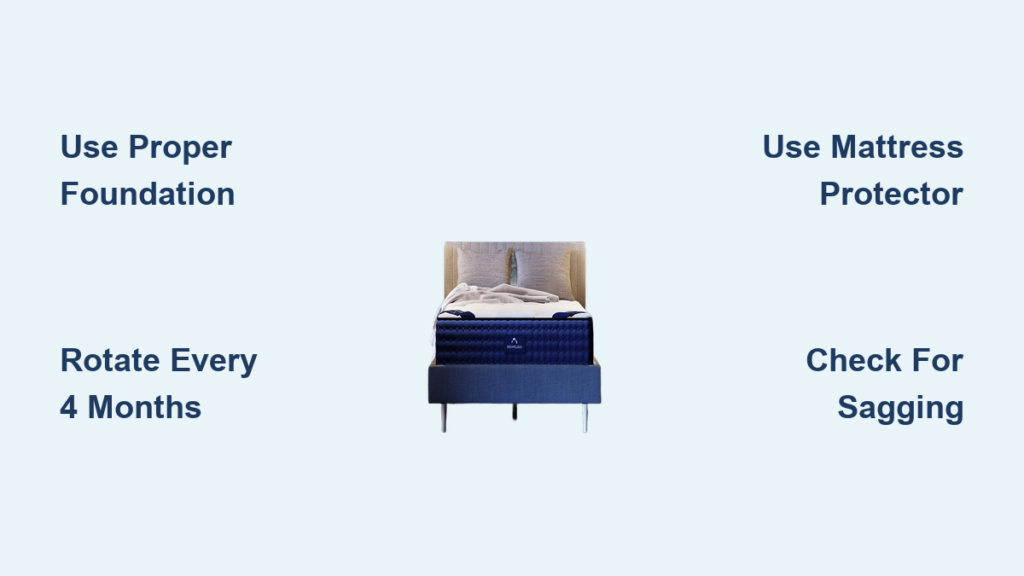
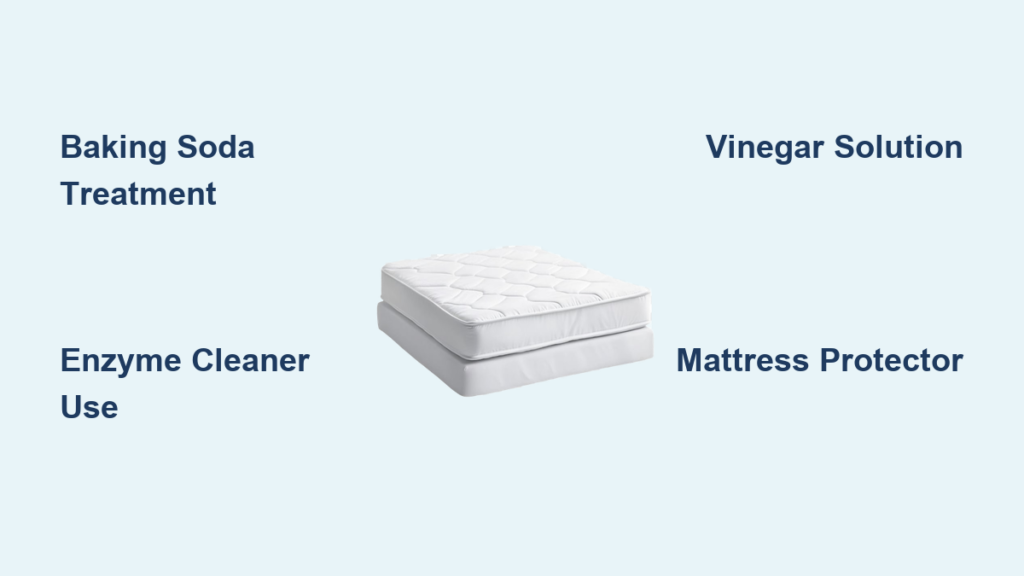
Quality protectors serve as your first line of defense against soiling and moisture. They create a barrier preventing sweat and spills from reaching the topper while maintaining breathability. Wash protectors monthly with your sheets to maintain effectiveness. Choose protectors matching your needs: waterproof for children or pets, hypoallergenic for sensitivities, and breathable for temperature regulation. Replace protectors every two to three years as degraded barriers lose effectiveness.
Airing and Sun Exposure
Regular airing reduces moisture buildup between cleanings. Remove sheets and allow the topper to air for several hours during bedding changes. When weather permits, take it outdoors for 2-4 hours of sunlight exposure—this natural sanitization breaks down organic matter and eliminates odors without chemicals. Not all materials tolerate sun equally; synthetics and some natural fibers may fade with extended UV exposure, so check manufacturer recommendations first.
Recommended Cleaning Schedule Summary
For most households, follow this practical framework: monthly vacuuming, washing mattress protectors with sheets, and inspecting for immediate cleaning needs. Quarterly deep cleaning works for machine-washable toppers, while semi-annual cleaning represents the maximum interval for standard households. Adjust based on your specific circumstances—households with children, pets, or allergies require more frequent attention. A well-maintained mattress topper provides a comfortable, hygienic sleep surface for years, while neglected ones become sources of allergens and odors. Pay attention to warning signs rather than strict calendars, and your sleep environment will remain fresh and supportive.