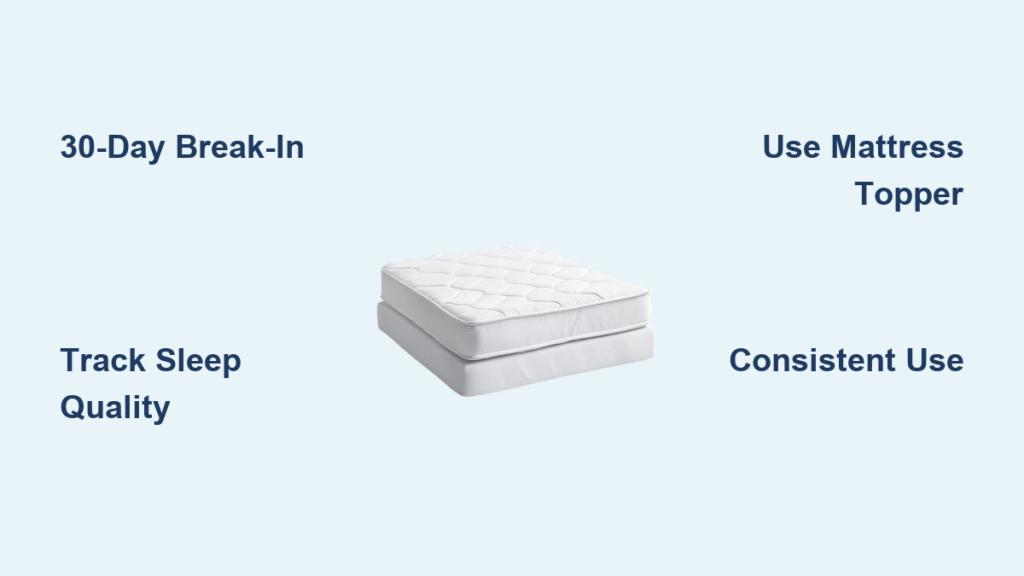
That exciting moment when your new mattress arrives fills you with anticipation for better sleep, yet many sleepers quickly wonder exactly how long to sleep on new mattress before it feels perfectly comfortable. The truth is, your body needs time to adjust to the new support system beneath you, and understanding this timeline prevents premature decisions that could cost you a mattress perfectly suited for your long-term sleep health. Most people experience noticeable improvement within the first 30 days, but full adaptation typically takes 60-90 days as your spine recalibrates to proper alignment and the materials soften to your unique body shape.
This adjustment period isn’t just psychological—your muscles, joints, and nervous system are physically adapting to a different support structure than what your body has grown accustomed to, whether you’re transitioning from an old sagging mattress or switching mattress types entirely. Rushing to judgment before completing the proper break-in period means potentially returning a mattress that would have become your sleep sanctuary with just a bit more patience. Let’s explore exactly what to expect during each phase of your mattress adaptation journey so you can make informed decisions about your investment in better sleep.
First Week: Navigating Initial Discomfort on Your New Mattress
Why Your Body Feels Sore After the First Few Nights
That morning stiffness you feel after sleeping on your new mattress isn’t a sign it’s wrong for you—it’s actually evidence your body is adjusting to proper spinal alignment after potentially years of compensating for an old, worn-out mattress. During these first three to seven nights, your muscles are working differently as they adapt to the new support level, often causing temporary soreness similar to what you’d experience starting a new exercise regimen. Memory foam sleepers frequently report feeling “stuck” in the material, while innerspring users might notice more pronounced pressure points as their body relearns how to distribute weight across a properly supportive surface.
What to Expect From Different Mattress Materials
Memory foam mattresses typically feel significantly firmer during the first week than they will after breaking in, especially in cooler bedroom temperatures where the foam responds more slowly to body heat. Latex constructions may feel unexpectedly buoyant if you’re transitioning from memory foam, creating a sensation of less contouring than expected. Hybrid and innerspring models often provide more immediate comfort but still require time for the comfort layers to soften and conform to your unique pressure points. Recognizing these material-specific behaviors during the first week helps you distinguish normal break-in processes from genuine incompatibility issues.
Weeks Two and Three: The Turning Point in Mattress Adaptation

When Discomfort Begins to Subside
By your second and third weeks sleeping on the new mattress, most people notice meaningful improvements in comfort levels as the initial stiffness diminishes significantly. The mattress materials continue their physical break-in process—memory foam becomes more pliable, latex refines its responsiveness, and coil systems settle into optimal dynamics—all while your sleep architecture recalibrates to the new support structure. You might find yourself falling asleep faster, experiencing fewer nighttime awakenings, and waking with less morning pain as your body establishes new muscle memory patterns around the mattress’s support characteristics.
Documenting Your Sleep Improvements
Keeping a simple sleep journal during weeks two and three provides objective data to track your adaptation progress beyond subjective “feeling better” impressions. Note how quickly you fall asleep, how many times you wake during the night, your perceived sleep quality upon waking, and any physical symptoms each morning. After seven days of consistent tracking, review your entries for trends—decreasing sleep onset time, fewer awakenings, and reduced morning stiffness all indicate normal adaptation occurring. This documentation proves invaluable if you need to evaluate whether persistent discomfort represents normal break-in or a fundamental mismatch requiring a return.
The 30-Day Evaluation: Critical Threshold for Mattress Comfort
Why One Month Determines Long-Term Success
The 30-day mark represents the most crucial evaluation point in your mattress adjustment timeline, as your body has typically completed the majority of its physiological adaptation by this stage. If you’re still experiencing significant discomfort, poor sleep quality, or physical symptoms like persistent morning pain at this point, it’s worth seriously considering whether the mattress aligns with your needs rather than forcing continued adaptation. This evaluation should balance objective sleep data with honest assessment of whether the mattress’s benefits (superior motion isolation, cooling properties, or edge support) justify any ongoing comfort compromises.
Red Flags That Signal a Fundamental Mismatch
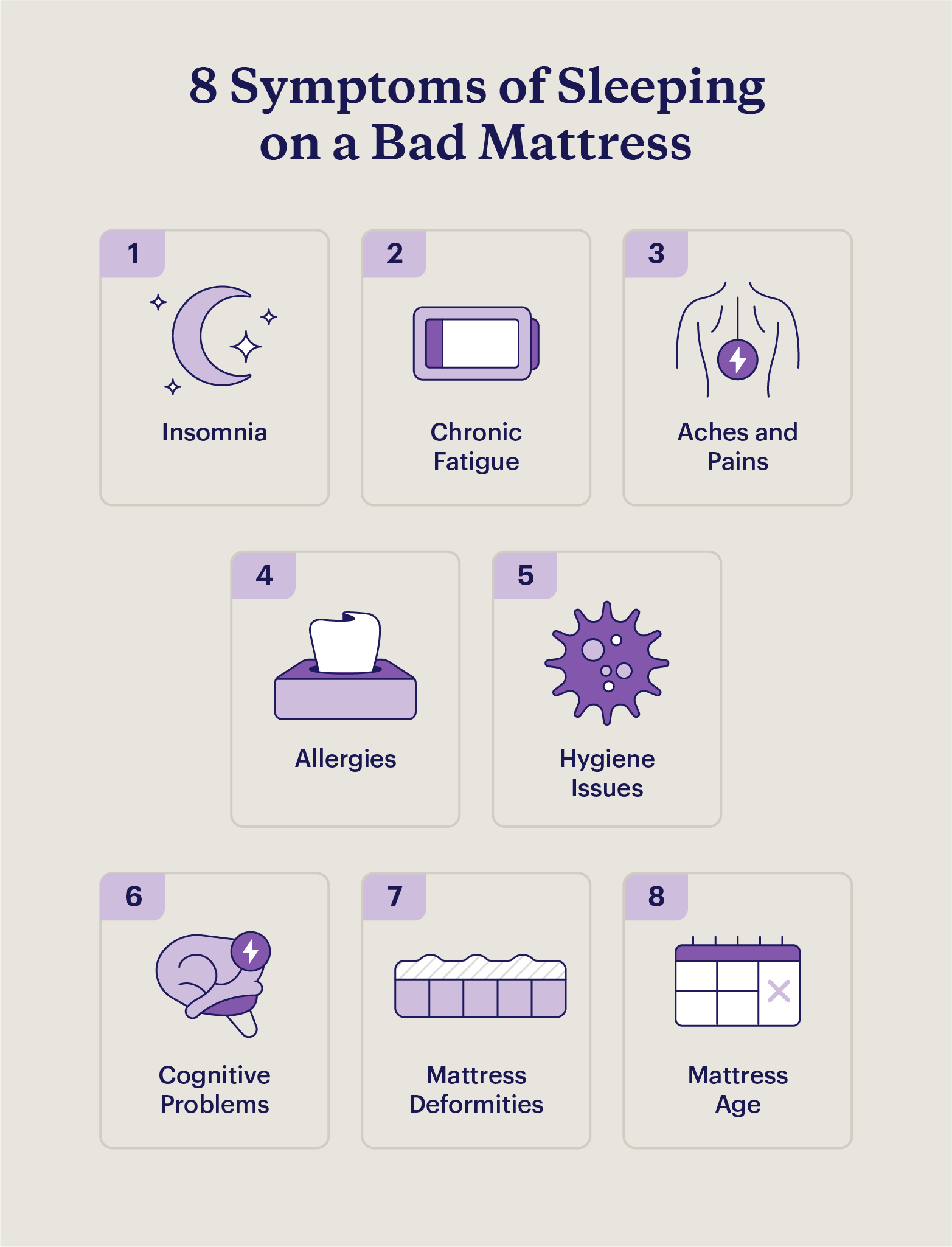
While some initial discomfort is normal, certain symptoms indicate your new mattress may never provide adequate comfort regardless of how long you continue the adjustment period. Sharp, localized pain that worsens over time rather than gradually improving suggests improper spinal alignment that the break-in process won’t resolve. Waking with numbness or tingling in extremities, particularly if this didn’t occur with your previous mattress, may indicate nerve compression issues. Excessive nighttime sweating that persists beyond three to four weeks likely reflects inherent heat retention problems with the mattress construction. These persistent issues, especially when they interfere with restorative sleep, signal fundamental incompatibility rather than normal break-in discomfort.
Maximizing Comfort During Your Mattress Break-In Period
Strategic Use of Mattress Toppers for Temporary Relief
A quality mattress topper serves as a valuable tool for managing comfort during the break-in period without invalidating your trial period, particularly if your new mattress feels too firm initially. Memory foam toppers (3-5 lb density) add significant pressure relief to firm surfaces while maintaining support, while latex toppers offer similar benefits with better temperature regulation. Feather or down alternative toppers provide quicker softness but less structural support. Using a topper temporarily allows more comfortable sleep while your body gradually adapts to the underlying mattress, potentially eliminating the need for a full return. Remove the topper after 2-3 weeks to assess whether the mattress has softened sufficiently on its own.
Temperature Management for Faster Material Adaptation
Controlling bedroom temperature significantly impacts comfort during the break-in period, especially with temperature-sensitive materials like memory foam that feel firmer in cool conditions. Maintain your sleep environment between 60-67°F (15-19°C) to optimize both sleep quality and mattress responsiveness. For memory foam models, placing a heating pad on the bed for 15-20 minutes before sleep (with proper safety precautions) can accelerate the foam’s softening response, helping it conform more quickly to your body. Using breathable, moisture-wicking bedding complements any cooling properties your mattress offers and manages the increased warmth sometimes accompanying the initial break-in phase.
Consistent Use: The Single Most Important Factor
The most critical element in successfully adapting to a new mattress is consistent nightly use, as the break-in process depends on the cumulative effects of your body weight, heat, and movement on the materials. Resist retreating to a couch or guest bed during difficult nights, as each night of consistent use accelerates adaptation while avoidance delays it. Setting realistic expectations before your mattress arrives—understanding that initial discomfort is normal and optimal comfort develops gradually—helps maintain the patience needed for successful adaptation. Most sleepers who persist through the first 2-3 weeks find their comfort improves significantly, validating their initial investment in better sleep.
Making Your Final Decision: Beyond the Break-In Period

Trusting Objective Sleep Data Over Initial Impressions
After completing the full 30-60 day break-in period, evaluate your new mattress based on objective sleep improvements rather than initial comfort impressions. Showroom mattresses have already undergone significant break-in from countless test sleepers, meaning they often feel softer than the same model in its original packaging. Your home break-in process replicates this natural wear, and a mattress that felt firm initially may now provide perfect support. Assess factors like sleep duration, nighttime awakenings, morning energy levels, and pain reduction to determine if the mattress delivers on its promise of better sleep.
When to Return Versus When to Keep Your New Mattress
If persistent discomfort, significantly disrupted sleep, or physical symptoms continue beyond the 60-day mark, initiating a return while within your trial period represents a sensible decision rather than failure. However, if you’ve noticed gradual improvements in sleep quality and physical comfort—even if the mattress doesn’t feel exactly like the showroom model—your body is likely still adapting through the final stages of the 90-day break-in period. Quality mattresses represent long-term investments designed to last 8-12 years, meaning the 30-90 days required for full adaptation constitutes only a small fraction of the mattress’s useful lifespan. The improved sleep you gain affects every aspect of daily life, making patience during the break-in period a worthwhile investment in your overall health and well-being.
Final Takeaway: Understanding how long to sleep on new mattress before judging its suitability prevents premature returns of potentially perfect sleep surfaces. Most sleepers achieve optimal comfort between 30-60 days, with full adaptation typically complete by 90 days. Track your sleep improvements objectively, manage discomfort strategically with toppers and temperature control, and make your final decision based on genuine sleep quality improvements rather than initial comfort impressions. Trust the process—your future well-rested self will thank you for the patience during this critical adjustment period.