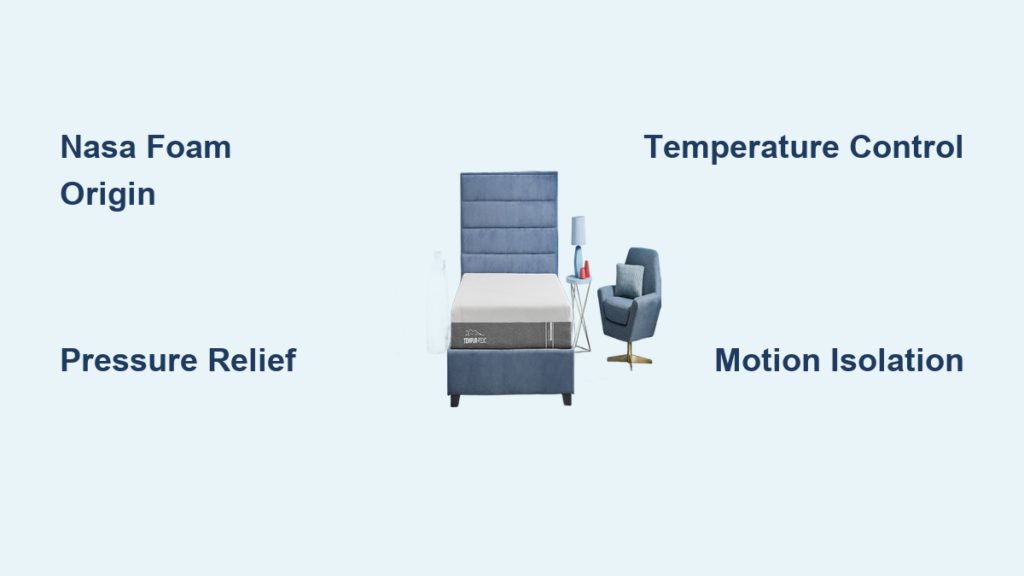
If you’ve ever wondered how do Tempur-Pedic mattresses work to provide such exceptional comfort and support, you’re not alone. These premium sleep surfaces command attention for good reason—they utilize technology originally developed by NASA scientists in the 1960s to protect astronauts during rocket launches. Unlike traditional mattresses that simply compress under your weight, Tempur-Pedic’s proprietary TEMPUR material actually adapts to your body’s unique shape, distributing pressure evenly across your entire sleeping surface. This revolutionary approach eliminates the painful pressure points that cause tossing, turning, and morning aches in conventional sleep systems.
The magic behind Tempur-Pedic mattresses lies in their viscoelastic foam composition that responds to both body heat and pressure—creating a truly personalized sleep experience that evolves throughout the night. Understanding how do Tempur-Pedic mattresses work helps explain why they’ve become the standard for pressure relief and why healthcare professionals frequently recommend them for patients with chronic pain conditions. This guide breaks down the precise engineering that makes Tempur-Pedic different from ordinary memory foam and traditional innerspring mattresses.
NASA-Originated Viscoelastic Foam Science
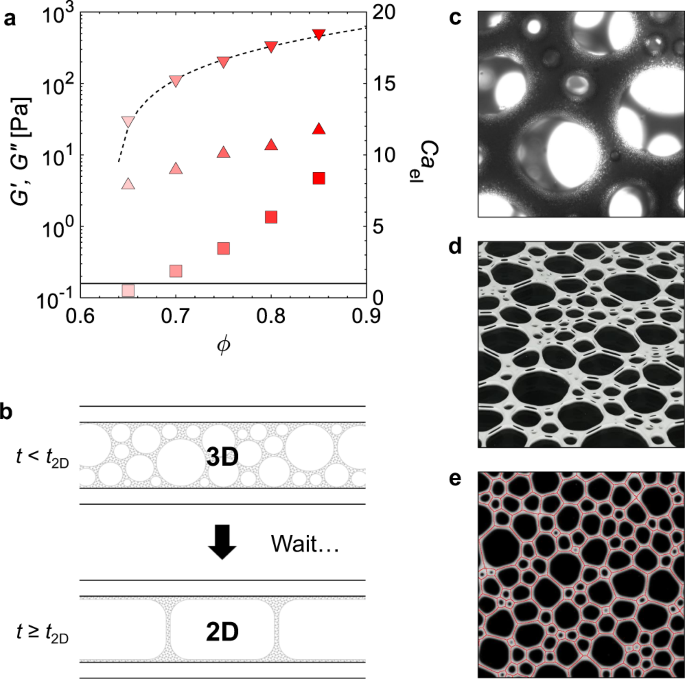
Tempur-Pedic mattresses work through a sophisticated application of viscoelastic foam technology that originated in aerospace research. The proprietary TEMPUR material consists of millions of spherical, viscoelastic cells that deform under pressure rather than simply compressing like conventional foam. Each microscopic cell contains a fluid-like substance that responds dynamically to changes in temperature and pressure, flowing to fill the space between your body and the mattress surface.
The Molecular Structure That Creates Adaptive Support
When pressure is applied to the mattress surface, these specialized cells spread force across their entire surface area rather than transferring it vertically downward. This lateral force distribution reduces peak pressure points by up to 90% compared to traditional mattress surfaces. The open-cell structure allows air to flow freely through the material, distinguishing Tempur-Pedic from conventional memory foams that often trap heat due to their denser, closed-cell construction. This cellular design enables the foam to respond to your body’s thermal energy, softening in warmer areas while maintaining structural integrity in cooler regions.
Temperature-Responsive Material Behavior Explained
The temperature sensitivity of TEMPUR material creates a dynamic sleep surface that continuously adapts throughout the night. At lower temperatures, the cell material exhibits higher viscosity and firmer resistance, providing the initial support you feel when first lying down. As your body heat transfers into the mattress, the affected cells become more pliable, creating the signature “sinking in” sensation many users describe. This two-stage response provides immediate contouring at contact points followed by deeper compression as thermal energy accumulates—resulting in a progressive support system that maintains spinal alignment while maximizing comfort.
Pressure-Relieving Mechanics That Reduce Body Aches
The pressure distribution capabilities of Tempur-Pedic mattresses fundamentally differ from traditional sleep surfaces. When your body applies pressure to the surface, the affected cells flow sideways to adjacent cells, spreading the load across a much broader area than the original contact point. This remarkable redistribution reduces interface pressure at critical points like shoulders, hips, and heels by 80-90% compared to innerspring mattresses.
Why Tempur-Pedic Mattresses Distribute Weight Differently Than Traditional Mattresses
Unlike standard mattresses that create pressure concentrations at bony prominences, Tempur-Pedic’s viscoelastic foam eliminates these painful hotspots by conforming precisely to your body’s unique contours. Clinical studies measuring interface pressure confirm this dramatic reduction in peak pressures, which directly correlates with decreased tossing and turning during sleep. By maintaining uninterrupted blood flow throughout the night, Tempur-Pedic mattresses support your body’s natural tissue recovery processes during deep sleep phases—helping you wake refreshed rather than stiff and sore.
Multi-Layer Construction That Balances Comfort and Support
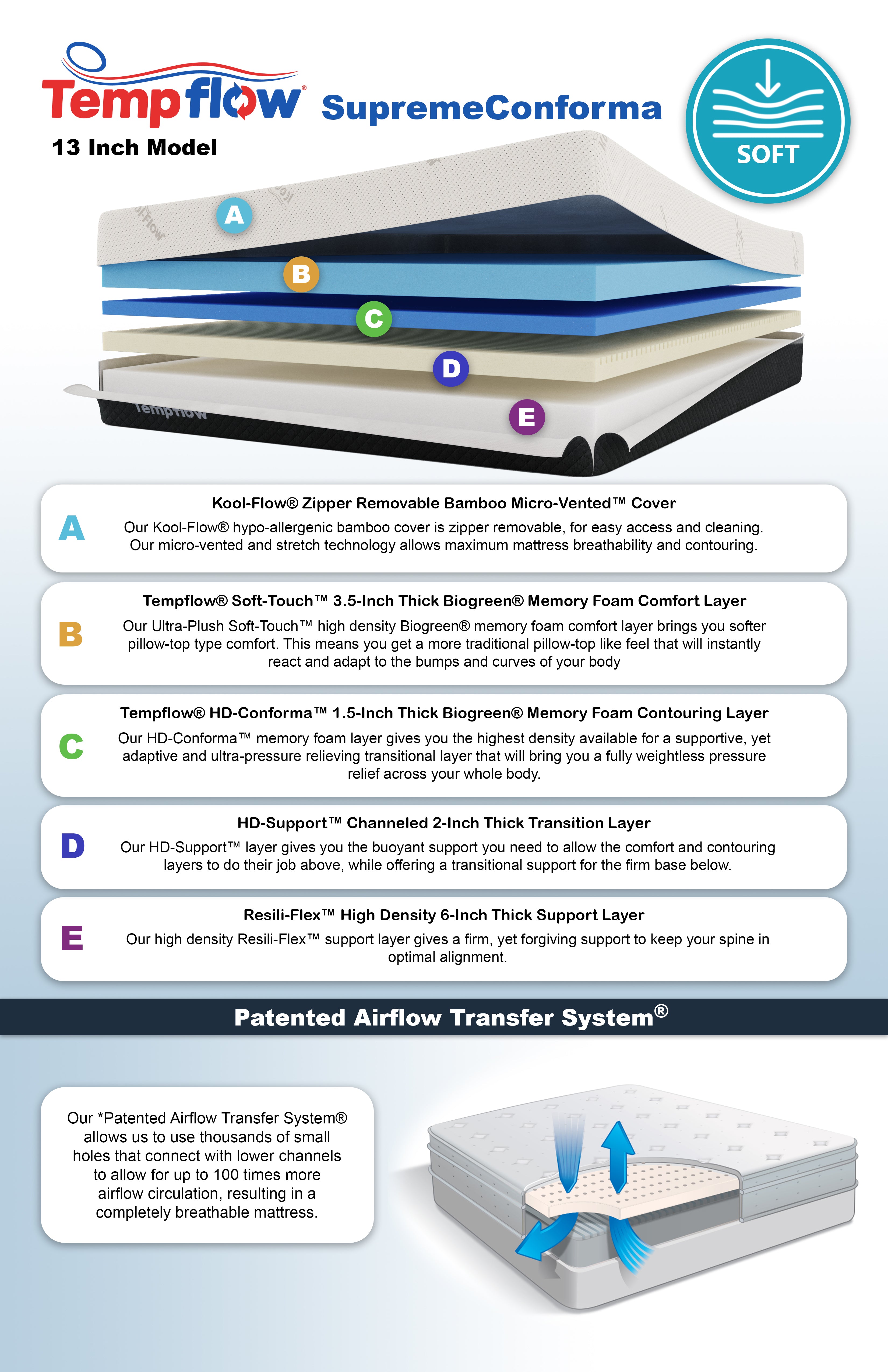
Tempur-Pedic mattresses feature sophisticated multi-layer construction designed to provide progressive support from surface to foundation. The base layer, typically 4-7 inches of high-density polyfoam, delivers structural integrity that prevents sagging over time. This foundation layer exhibits densities between 1.8-2.5 pounds per cubic foot—significantly exceeding standard mattress bases.
Core Support System Engineering
Above the foundation, transitional foam layers of intermediate density bridge the gap between the soft conforming surface and firm support base. These layers prevent the sensation of “bottoming out” by compressing progressively under load rather than collapsing suddenly. The density and firmness of these transitional layers vary by model, with firmer options featuring denser transitional foams that limit deep compression for those who prefer less body immersion.
Advanced Cooling Technology Integration
Modern Tempur-Pedic models incorporate multiple technologies to address traditional memory foam’s heat retention issues. The PureCool+ Comfort Layer features phase-change material (PCM) microcapsules that absorb excess heat when your body temperature rises and release stored heat when temperatures cool. This thermal buffer effect maintains more consistent sleep surface temperatures throughout the night. The TEMPUR-Breeze series adds enhanced ventilation channels through foam layers and breathable cover fabrics that promote continuous airflow—keeping sleep surface temperatures approximately 3 degrees Fahrenheit cooler than standard models.
Motion Isolation Performance for Undisturbed Sleep
The molecular structure of TEMPUR material provides exceptional motion isolation by absorbing and dissipating vibrational energy rather than transmitting it across the mattress. When movement occurs in one area, the affected cells deform and flow laterally, converting kinetic energy into heat within the foam structure. This energy dissipation prevents motion from propagating across the sleeping surface.
Why You Won’t Feel Your Partner Moving
Testing protocols measuring disturbance transfer show Tempur-Pedic mattresses reduce motion detectable on adjacent surfaces by 70-90% compared to innerspring counterparts. This performance makes Tempur-Pedic particularly suitable for couples where one partner is a light sleeper. The viscoelastic damping characteristics allow sleepers to move freely without disturbing their partners—creating truly independent sleep zones within a shared mattress.
Sleep Position-Specific Adaptation Technology
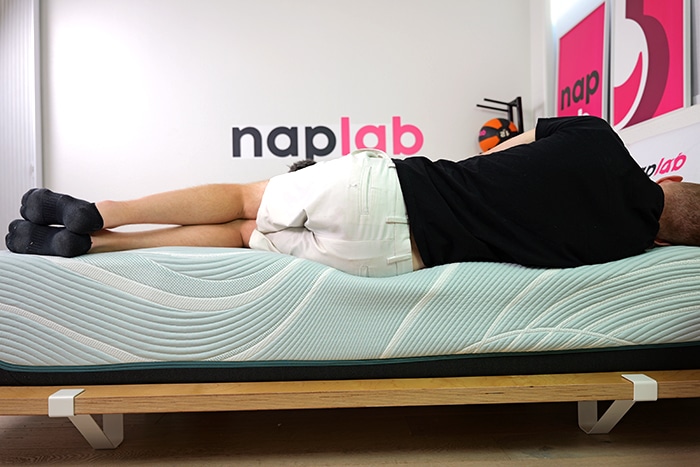
Tempur-Pedic mattresses work differently depending on your primary sleeping position, providing tailored support for each posture. Understanding how do Tempur-Pedic mattresses work for your specific sleep position helps optimize your comfort and spinal alignment.
How Tempur-Pedic Works for Side Sleepers
Side sleepers experience pronounced benefits as TEMPUR material flows around the shoulder complex, allowing appropriate upper body sinking while providing adequate hip support. This pressure redistribution eliminates the shoulder and hip pain common with firmer mattresses. Lighter side sleepers (<180 lbs) typically prefer softer models like TEMPUR-Cloud for greater shoulder immersion, while heavier side sleepers often require medium-firm options for proper support.
Back Sleeping Support Mechanics
Back sleepers benefit from TEMPUR material’s ability to fill the lumbar lordosis curve, preventing excessive lower back arching while avoiding the “hammock effect” that causes midsection sinking. Back sleepers weighing 130-200 pounds typically achieve optimal spinal alignment with medium-firm models providing 4-6 inches of body immersion—maintaining the spine’s natural S-curve throughout the night.
Temperature Regulation That Prevents Overheating
The temperature regulation performance of Tempur-Pedic mattresses involves multiple simultaneous mechanisms. The open-cell structure enables convective heat transfer as air circulates through foam layers, replacing warm air near your body with cooler ambient air. This continuous exchange prevents heat buildup that makes traditional memory foam uncomfortably warm.
Phase-Change Material Technology Explained
TEMPUR-Breeze models incorporate phase-change material (PCM) microcapsules within the comfort layer that absorb and release heat in response to temperature fluctuations. When your body heat increases during active sleep phases, the PCM absorbs thermal energy without increasing surface temperature. Laboratory testing confirms Breeze models maintain cooler surface temperatures, with the differential increasing as sleep time extends—directly addressing the primary consumer complaint about memory foam mattresses.
Choosing the Right Tempur-Pedic Model for Your Body Type
Selecting the appropriate firmness requires considering both body weight and primary sleeping position. The general firmness scale ranges from soft (3-4) through medium-firm (6-7) to extra-firm (9-10). Side sleepers typically need softer surfaces (4-6), back sleepers perform best with medium-firm (5-7), and stomach sleepers generally require firm or extra-firm options (7-9). Body weight significantly influences firmness needs—what works for a 150-pound sleeper may feel too soft for someone weighing 250 pounds. Tempur-Pedic’s product lineup includes TEMPUR-Cloud for plush surfaces, TEMPUR-Adapt for balanced conformance, and TEMPUR-Pro models with advanced cooling technologies to match your specific requirements.
Maintaining Your Tempur-Pedic Mattress for Longevity
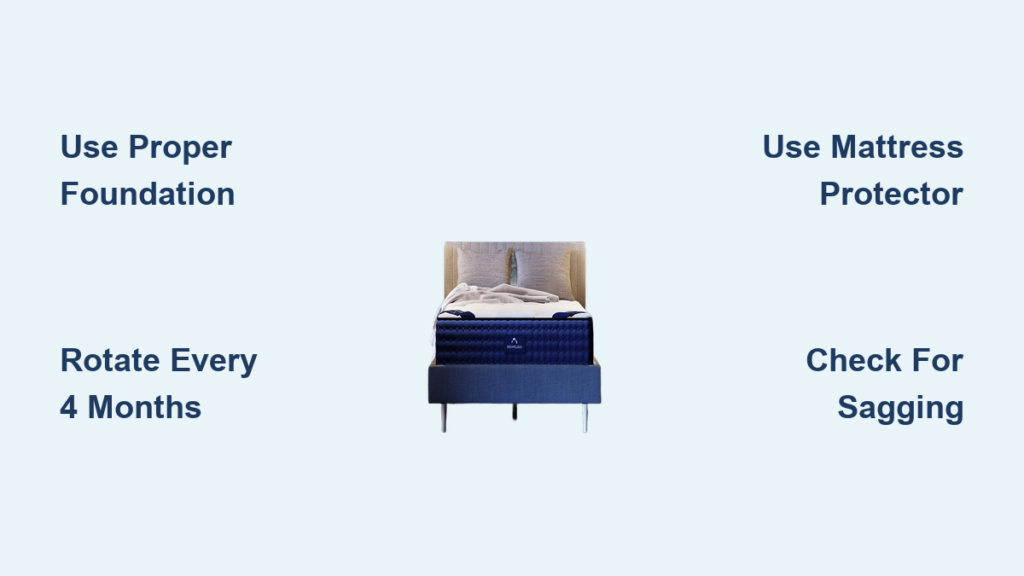
Proper foundation support is essential for maintaining Tempur-Pedic performance. The company requires their approved foundations that provide uniform support without gaps that could cause uneven compression. Using traditional box springs voids the warranty and may accelerate material degradation. Tempur-Pedic mattresses are designed as single-sided products but benefit from rotation—turning 180 degrees every 3-6 months during the first two years, then annually—to distribute wear evenly across the sleeping surface. Following these maintenance guidelines helps ensure your Tempur-Pedic mattress maintains its adaptive properties for 7-10 years of consistent performance.
Tempur-Pedic mattresses work through the sophisticated application of viscoelastic foam technology that responds dynamically to both pressure and body heat. This NASA-inspired material creates a truly personalized sleeping surface that distributes weight evenly, eliminates pressure points, and maintains proper spinal alignment throughout the night. By understanding how do Tempur-Pedic mattresses work—from their molecular structure to multi-layer construction—you can make an informed decision about whether this advanced sleep technology will deliver the restorative rest your body needs. Whether you’re a side sleeper needing shoulder relief or a temperature-sensitive sleeper requiring advanced cooling, Tempur-Pedic’s engineered solutions address the fundamental factors that determine sleep quality and comfort.