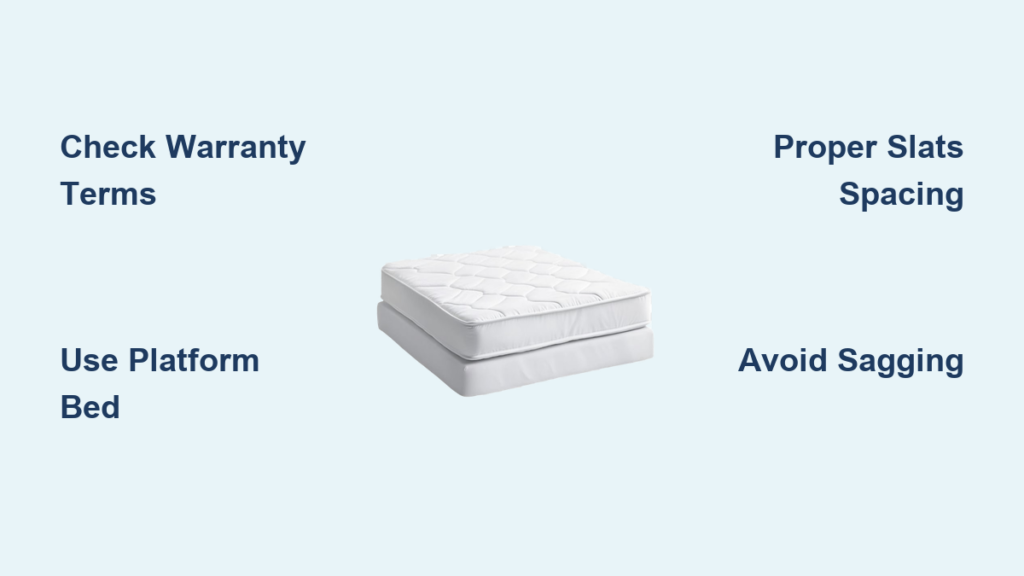
You’ve invested in a new spring mattress, but now you’re facing a confusing question: do you really need to pair it with a box spring? Many homeowners find themselves standing in a bedroom with a bulky mattress, unsure whether to make the additional purchase of a box spring foundation. The answer isn’t as straightforward as salespeople might suggest, and misunderstanding your spring mattress’s support requirements could lead to premature wear, discomfort, or even voided warranties. This guide cuts through the marketing confusion to help you determine exactly what foundation your spring mattress actually needs based on current industry standards and practical considerations.
Contrary to what some furniture stores imply, the traditional box spring isn’t always necessary for modern spring mattresses. Manufacturers have evolved their recommendations as bed frame technology has advanced, yet many consumers continue to purchase unnecessary foundations out of habit or misinformation. Understanding your specific mattress requirements can save you hundreds of dollars while ensuring proper support and longevity. In the following sections, we’ll examine the actual structural needs of innerspring mattresses, identify when alternative foundations work perfectly well, and help you avoid common mistakes that compromise your sleep surface.
When Your Spring Mattress Actually Requires a Box Spring
Specific Models That Demand Traditional Foundation Support
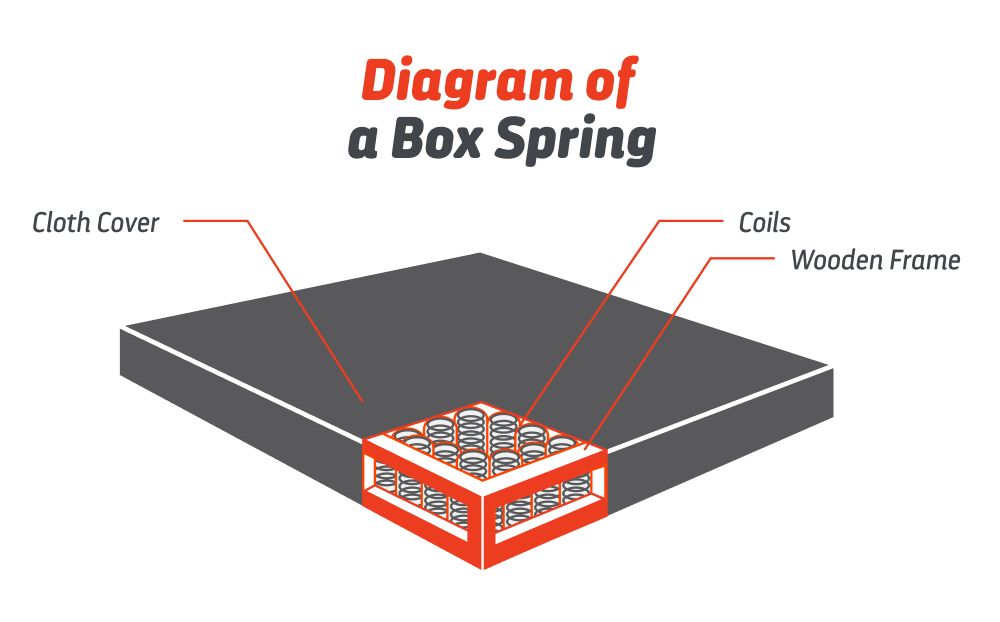
Certain spring mattress designs incorporate construction elements that genuinely require the specific support characteristics of a box spring. Mattresses with pocketed coils that lack a firm border support system often need the additional stability a box spring provides to prevent edge sagging. If your mattress features a pillow-top or euro-top design with extra plush layers over the coil system, the flexible support of a box spring helps distribute weight properly across the entire surface. Some manufacturers build their warranty requirements specifically around box spring usage, making it essential for maintaining coverage.
Manufacturer Requirements That Mandate Box Spring Usage
Your mattress warranty documentation holds the definitive answer for whether your specific model requires a box spring. Many premium mattress brands explicitly state in their warranty terms that the mattress must be used with a box spring of specified dimensions and construction. Ignoring these requirements could void your warranty if you later need to file a claim for sagging or structural issues. Always check the fine print before assuming alternative foundations are acceptable – some manufacturers accept platform beds but require specific slat spacing measurements that many standard platform frames don’t meet.
Modern Alternatives to Traditional Box Springs
:max_bytes(150000):strip_icc()/platform-bed-vs-box-spring-5216570-5acea4bcf8f641d8a0c4e1a44e5ad321.png)
Platform Bed Frames That Provide Adequate Support
Contemporary platform bed frames with solid surfaces or properly spaced slats (typically no more than 3 inches apart) often provide superior support compared to traditional box springs. These foundations eliminate the “bounce” of a box spring while offering consistent, rigid support across the entire mattress surface. When evaluating a platform bed, look for reinforced center support beams if you have a queen or king size mattress, as these prevent sagging in the middle where weight concentrates. Many mattress manufacturers now specifically recommend platform beds over box springs for their durability and consistent support.
Slatted Foundations With Proper Spacing Specifications
Wooden or metal slatted bases can work perfectly with spring mattresses when designed correctly. The critical factor is proper slat spacing – gaps between slats should never exceed 3 inches for most spring mattresses to prevent coil deformation. High-quality slatted foundations feature reinforced end pieces and center support legs for larger sizes. Some newer designs incorporate flexible slats that provide slight give while maintaining structural integrity, offering a compromise between rigid platform beds and traditional box springs. Always verify your specific mattress manufacturer’s slat spacing requirements before purchasing.
Signs Your Spring Mattress Isn’t Getting Proper Support
Visible Sagging and Uneven Wear Patterns
When your spring mattress lacks proper foundation support, the most obvious indicator is premature sagging, particularly along the edges or in the center where weight concentrates. You might notice body impressions developing much faster than expected, or feel coils pressing against your body in certain sleeping positions. Uneven wear patterns across the mattress surface often signal inadequate foundation support, as the coils settle unevenly without consistent backing. These issues typically accelerate when using inappropriate foundations like old box springs with broken springs or platform beds with widely spaced slats.
Unusual Noises and Movement During Sleep
A spring mattress paired with insufficient foundation support often produces abnormal creaking, squeaking, or popping sounds as you move during sleep. This happens because the coils lack consistent backing, causing them to shift and rub against each other unnaturally. You might also feel excessive motion transfer when your partner moves, as the unsupported mattress doesn’t properly isolate movement. In severe cases, you may even feel the mattress “slipping” or shifting position on the foundation as you sleep, indicating poor stability between the mattress and its base.
Cost-Saving Strategies for Spring Mattress Foundation Selection
Evaluating Whether Your Existing Foundation Is Sufficient
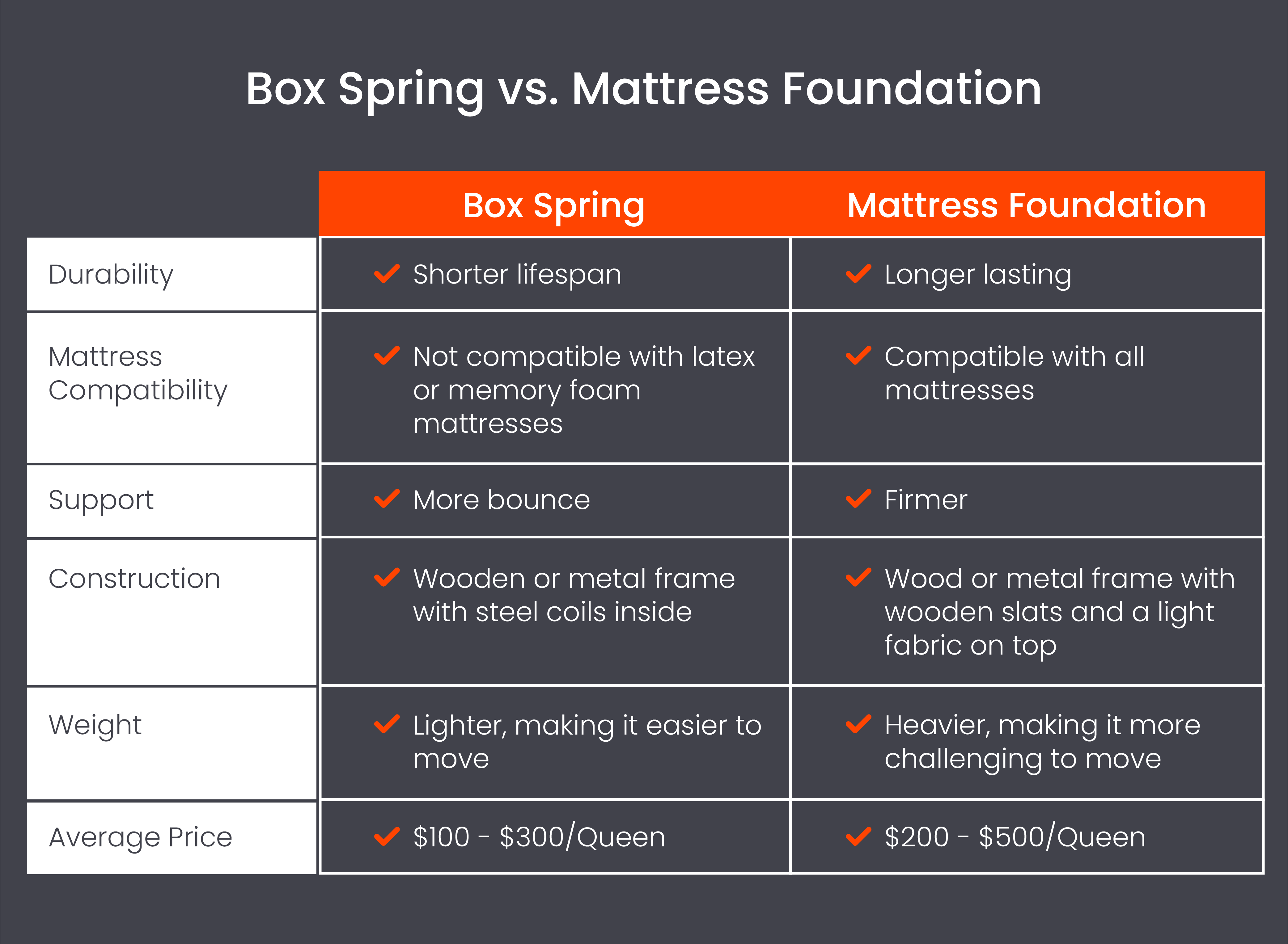
Before making any additional purchases, thoroughly inspect your current foundation. Press down firmly across the entire surface – if you feel significant give, uneven spots, or hear creaking, it’s likely insufficient for proper spring mattress support. Measure the gaps between slats if using a slatted foundation, ensuring they don’t exceed manufacturer recommendations. Test the foundation’s stability by sitting on the edge of your bed – excessive bounce or movement indicates inadequate support. Many modern platform beds actually provide better support than aging box springs, potentially eliminating the need for additional purchases.
When Investing in a New Foundation Makes Financial Sense
While avoiding unnecessary purchases is wise, sometimes investing in the proper foundation actually saves money long-term. If your current foundation causes premature mattress wear that voids your warranty, replacing it could prevent having to buy a new mattress years earlier than expected. High-quality foundations designed specifically for spring mattresses often outlast traditional box springs, which typically need replacement every 8-10 years. Consider the total cost of ownership – spending $150 on a durable slatted foundation might be more economical than replacing a $50 box spring every decade while risking mattress damage.
Maintenance Tips to Extend Your Spring Mattress Life
Regular Foundation Inspection and Adjustment
Check your foundation support system every three months by removing the mattress and examining for signs of wear, broken components, or shifting parts. Tighten any loose hardware on platform beds and ensure center support legs remain properly positioned. Rotate your mattress regularly according to manufacturer instructions, but remember this won’t compensate for inadequate foundation support. If you notice developing soft spots on your mattress, first inspect the foundation rather than assuming the mattress itself is failing – often the issue originates from the support system below.
Proper Weight Distribution Techniques
Avoid sitting on the edge of your bed for extended periods, as this concentrates weight in an area that typically receives less foundation reinforcement. When getting in and out of bed, distribute your weight across the entire surface rather than putting pressure on one corner. For couples, ensure you’re both sleeping in positions that distribute weight evenly across the mattress surface. Consider using a bed frame with reinforced edge support if you frequently sit on the sides of your bed, as standard foundations often provide less support at the perimeter.
Choosing the right foundation for your spring mattress doesn’t have to be confusing or expensive. By understanding your specific mattress requirements, evaluating your current setup, and making informed decisions based on manufacturer guidelines rather than sales pressure, you can ensure proper support while avoiding unnecessary purchases. Remember that the ideal foundation provides consistent, rigid support across the entire mattress surface without creating pressure points or allowing coil deformation. Always consult your mattress warranty documentation first, then assess whether your existing foundation meets those specifications before investing in additional components. With the right support system, your spring mattress will deliver optimal comfort and longevity, transforming your bedroom into the restful sanctuary you deserve.